

A raised bed is only as good as what you fill it with. The right mix gives roots room to breathe, holds moisture without staying soggy, and feeds plants steadily through the season. With dozens of bagged soils, compressed bricks, and specialty blends on the market, choosing well can feel like guesswork, so this roundup sorts through the noise. Every pick below solves a specific problem: rebuilding poor native soil, starting a bed from scratch, refreshing an existing one, or adding organic matter over time.
The Lineup, Simplified

Verdana Coco Coir Potting Soil Brick 10 lb

Miracle-Gro Organic Indoor Potting Mix 16 qt
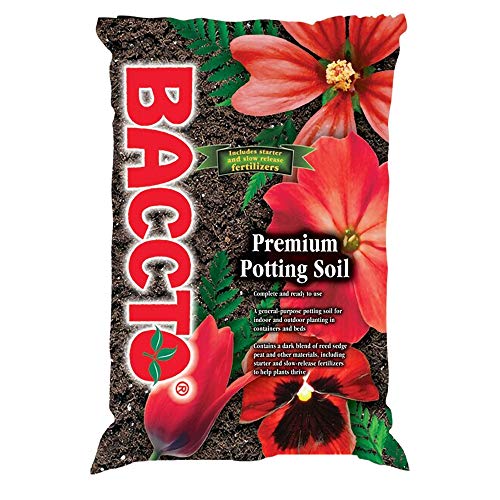
Michigan Peat Premium Potting Soil with Perlite 50 lb

Miracle-Gro Raised Bed Plant Food 2 lbs

Gro-Med Organic Coco Coir Block 11 lb

Coast of Maine Tomatoes and Veggies 20 qt
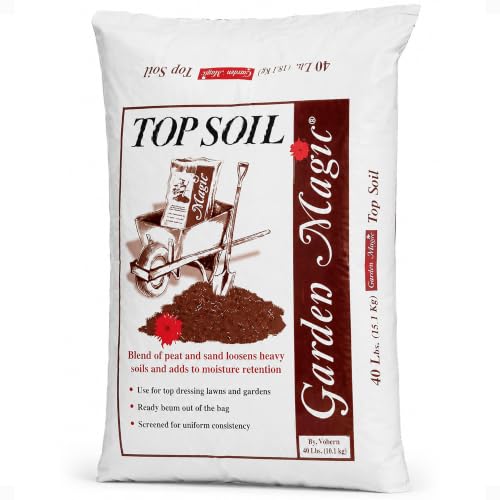
Michigan Peat Garden Magic Organic Compost Blend 40 lb

Wiggle Worm Organic Raised Bed Mix 40 lb 3-Pack
A Deeper Look At The Lineup
The Verdana brick arrives shelf-stable and feather-light compared to a bagged soil. You soak it in water, watch it fluff up into about 18 gallons of coconut coir, and carry far less weight to the garden than hauling multiple 40-pound bags.
Coir is a peat alternative made from coconut husk fibers, prized for its neutral pH and ability to hold moisture while still draining well. For most backyard beds, blending this expanded coir with existing soil adds organic matter without locking up nitrogen the way fresh bark can.
Useful Highlights
- Compact 10 lb brick expands to roughly 72 quarts / 18 gallons, so a small garage shelf holds what would otherwise take several bulky bags.
- Coir’s fibrous structure holds moisture for thirsty crops like tomatoes while still letting excess water drain.
- Neutral pH works well for most vegetables, herbs, and seed-starting trays without immediate amendment.
- Peat-free sourcing appeals to gardeners building soil sustainably.
Things To Weigh
- Pure coir has almost no nutrients, so you’ll need to add compost or fertilizer to feed crops.
- The brick needs soaking time and a large container before it’s usable, which adds a step compared to ready-to-use bagged mixes.
Key Specs
Who It Suits Best
Small-space gardeners and anyone starting a modest raised bed who wants a lightweight, storable medium to mix into native soil.
Where Another Pick Suits Better
For an all-in-one starter that includes organic matter and nutrients, the Coast of Maine Tomatoes and Veggies blend is a stronger fit.
Miracle-Gro’s organic indoor blend is forgiving for newer gardeners who tend to over- or under-water. The mix balances coir for aeration (air pockets that keep roots oxygenated) with sphagnum peat moss to hold and release moisture gradually. Built-in starter fertilizer gets plants moving in the first weeks.
It’s labeled for indoor use but works well in small outdoor raised beds and herb planters where consistent moisture matters. The 16-quart bag is light enough for one person to carry and pour without strain.
Points In Its Favor
- Forgiving moisture buffer reduces stress from inconsistent watering schedules.
- Organic formulation appeals to growers avoiding synthetic inputs.
- Ready to use straight from the bag, with no soaking or blending required.
Worth Noting
- Smaller 16 qt volume means frequent bag purchases for larger beds.
- Starter fertilizer runs out within a few weeks, so supplemental feeding is needed through the season.
- Marketed for indoor containers, so it may dry out faster in full outdoor sun than heavier compost-based blends.
Made For
Beginners growing herbs, salad greens, or compact vegetables in small raised beds or large containers.
Consider Something Else When
You’re filling a deep, wide bed and need bulk coverage, where the Michigan Peat Premium Potting Soil 50 lb bag makes more sense.
For a brand new bed or a full top-off, the BACCTO 50-pound bag delivers volume without the premium price of specialty mixes. It’s pre-blended with reed sedge peat, perlite (a volcanic mineral that lightens soil and improves drainage), and sand, so there’s no mixing required before you shovel it into the frame.
Perlite keeps the texture loose, which matters when you grow root crops like carrots and beets that push through compacted soil. The dark peat base gives a rich, uniform look that spreads easily.
Strengths Worth Knowing
- Ready to use straight from the bag, saving setup time on busy planting weekends.
- Perlite content improves drainage, reducing the risk of waterlogged roots in rainy seasons.
- 50 lb size fills a standard 4×8 bed to roughly six inches of depth in a single trip.
- Versatile across flowers, vegetables, and shrubs in raised beds or large containers.
Trade Offs
- Heavy bag requires a hand truck or cart for easy transport.
- General-purpose blend lacks the organic compost content of vegetable-specific mixes, so plan to amend with compost over time.
Quick Facts
Best Suited To
Home gardeners refilling or building a standard raised bed who want a workhorse general-purpose medium at a reasonable volume.
Skip It When
You grow heavy-feeding vegetables like tomatoes and want compost-rich nutrition built into the medium, where the Coast of Maine Tomatoes and Veggies blend fits better.
This isn’t a soil, it’s a granular plant food formulated specifically for raised bed use. The blend includes added calcium and a suite of micronutrients (trace elements like iron and manganese that support plant health in small amounts) that feed both root zones and foliage.
You sprinkle it into the bed at planting or work it into the top few inches during mid-season refresh. Raised beds lose nutrients faster than in-ground plots because the confined soil volume is heavily cropped, so consistent feeding matters.
Reasons It Performs
- Calcium addition helps prevent blossom-end rot in tomatoes and peppers, a common raised bed issue.
- Targets both above-ground growth and root development with micronutrients often missing in basic soils.
- 2 lb shaker container is easy to apply across a single 4×8 bed without heavy lifting.
Points To Keep In Mind
- It’s a supplement, not a replacement for soil, so it pairs with one of the actual medium picks above.
- Application rates depend on crop, so reading the label matters to avoid over-feeding.
Feature Snapshot
Perfect Match For
Vegetable growers whose tomatoes, peppers, or squash show signs of calcium deficiency and who want a targeted mid-season feed.
A Better Fit Elsewhere
If you’d rather feed the soil itself with compost and let nutrients release gradually, the Michigan Peat Garden Magic Compost Blend is the more organic-minded option.
Gro-Med’s brick takes the same space-saving approach as the Verdana option above, but it ships pre-blended with organic plant food. That extra step saves you from buying a separate fertilizer bag right away when establishing a new bed.
The triple-washed coconut fiber reduces the salt content that sometimes arrives in lower-grade coir. For most herb and vegetable beds, that translates into healthier seedling roots without the leaching step.
Why It Works Well
- Pre-mixed organic plant food removes the guesswork of feeding seedlings in their first weeks.
- Triple-washed fiber cuts the salt residue that can burn young roots.
- Lightweight 11 lb brick stores easily and hydrates quickly in a wheelbarrow or tub.
- Compatible with organic gardening programs that restrict synthetic additives.
Honest Caveats
- The included plant food is gentle, so heavy-feeding crops will still need supplemental feeding later in the season.
- Like all compressed bricks, it requires prep time before it’s usable.
Right Fit For
Organic-focused gardeners starting seedlings or building a small bed who want a clean, peat-free medium with starter nutrition included.
Reach For A Different Pick When
You want compost-rich bulk for a large vegetable bed, where the Wiggle Worm Organic Raised Bed Mix 3-Pack covers more ground.
This organic compost blend was developed with edible gardens in mind. The lightweight texture makes it easier to work into beds than dense topsoil, and the compost base feeds heavy feeders like tomatoes, peppers, and squash from the first transplant.
You can use it for seeding, transplanting, or topping off an existing bed mid-season. For most home growers, the 20-quart bag covers a single tomato patch or several large containers.
Where It Delivers
- Compost-rich base provides steady nutrition for hungry vegetables without immediate fertilizer supplements.
- Lightweight texture is easier to lift, pour, and spread than dense mineral soils.
- Versatile enough for seeding, transplanting, and mid-season top-offs in the same bed.
A Few Limitations
- Smaller 20 qt bag runs out quickly on multi-bed setups, requiring repeat purchases.
- Premium organic blends cost more per cubic foot than general-purpose soils.
- Bag weight still adds up across several trips for larger beds.
Who Should Grab It
Organic vegetable gardeners who want a premium, compost-forward mix for tomatoes and other heavy feeders in a small to medium raised bed.
Look Elsewhere When
You’re filling multiple large beds and need volume, where the Wiggle Worm Organic Raised Bed Mix 3-Pack gives more coverage per shipment.
Garden Magic’s compost blend earns its name by working across nearly any raised bed situation. The ready-to-use format means you scoop and spread without extra prep, and the organic composition appeals to growers avoiding synthetic inputs.
It balances drainage with moisture retention, which keeps plant roots from sitting in soggy soil during heavy rains. For most established beds, a yearly top-dress with this blend reinvigorates tired soil.
Positive Takeaways
- Ready to use straight from the bag, no prep or mixing required.
- Organic blend suits gardeners building soil without synthetic chemicals.
- Balanced drainage and moisture retention handles varied weather.
- 40 lb bag offers good value for refreshing multiple beds.
Softer Spots
- Heavier 40 lb bag is awkward to carry far from a vehicle.
- General-purpose compost may need supplemental fertilizer for the hungriest crops.
At A Glance
Whose Shelf It Belongs On
Home gardeners who refresh their raised beds each season with organic matter and want a versatile, no-prep compost blend.
Swap It Out When
You need a richer, worm-casting-enriched mix for heavy-feeding vegetables, where the Wiggle Worm Organic Raised Bed Mix fits better.
This three-bag pack arrives as a single shipment of compost blended with worm castings, the nutrient-rich waste earthworms produce after digesting organic matter. Trace amounts of worm eggs are included too, which can establish a long-term worm population in your bed as they hatch and work through the soil.
At 120 pounds total, this is a bulk option aimed at gardeners filling multiple beds or refreshing a large established plot in one go.
The Value In It
- Worm castings provide slow-release nutrients that feed plants across the whole season.
- Compost base improves soil structure, drainage, and microbial activity in one application.
- Three-bag pack offers better value and fewer repeat orders for multi-bed setups.
- All-in-one planting media means you can plant directly into the mix without amendments.
Less Ideal Details
- 120 pounds total is a serious lift; a hand cart or vehicle is essential for transport.
- Worm egg counts vary by batch, so hatching results differ from shipment to shipment.
- Bulk format requires ample storage space before use.
Built With In Mind
Growers with several raised beds or a large plot who want a worm-enhanced organic mix delivered in one shipment.
Not Your Match When
You maintain a single small bed and only need a modest volume, where the Verdana Coco Coir Brick or Miracle-Gro Indoor Mix are easier to handle.
Choosing The Right Mix For Your Raised Beds
The best mix depends on what you’re starting with and what you’re growing. New beds built on poor native soil need more organic matter than established beds that just need a seasonal refresh. Vegetable gardens, especially those growing tomatoes and peppers, benefit from compost-rich blends that feed heavy crops, while herb gardens often do fine in lighter, peat or coir-based mixes with periodic fertilizer.
Volume matters as much as ingredients. A standard 4×8 bed roughly 6 inches deep holds about 16 cubic feet, and a typical 40-pound bag covers less than half of that. For new builds, count bags before you order. For top-dressing existing beds, one or two bags usually goes further than you’d expect.
Drainage and aeration are the silent heroes. Roots need air pockets as much as moisture, and dense, soggy soil suffocates them. Look for mixes containing perlite, coarse sand, or composted bark to keep the texture loose, especially in shallow beds that drain slowly after rain.
Key Considerations Across These Picks
Where Shoppers Go Wrong
A common mistake is treating any bag labeled “potting soil” as interchangeable with raised bed soil. Potting mixes are designed for containers and dry out faster when spread across a wide bed. Raised bed blends retain moisture more consistently.
Another pitfall is skipping compost because a bag already advertises “organic.” Compost feeds the soil biology that actually delivers nutrients to roots. Without it, even enriched mixes run out of steam mid-season.
Where The Extra Money Goes
Premium organic blends cost more because they include compost, worm castings, and specialty ingredients that take longer to source and blend. For heavy-feeding vegetables, that extra nutrition translates into healthier plants and bigger harvests. For casual herb gardens or short-season crops, a general-purpose mix delivers acceptable results at lower cost, so the upgrade mainly pays off when you’re growing demanding crops intensively.
Frequently Asked Questions
How often should I refresh the soil in my raised bed?
A yearly top-dress of one to two inches of compost keeps microbial activity and nutrient levels steady. Every two to three years, plan to fully refresh or remix the bed if you notice compaction, drainage slowdown, or declining yields.
Can I use regular garden soil in a raised bed?
Straight native soil compacts quickly in a raised bed and drains poorly. It’s better used as a base layer at the bottom of deep beds, with a quality mix on top where most root activity happens.
What’s the difference between potting mix and raised bed soil?
Potting mix is lighter and formulated for containers, drying out faster in open beds. Raised bed soil is denser, holds moisture longer, and usually contains compost and minerals suited to in-ground-style growing.
Do I need to add fertilizer if my mix already contains organic matter?
Organic matter feeds plants slowly, so supplementing with a granular fertilizer during peak growth keeps vegetables productive. Heavy feeders like tomatoes and corn benefit most from this added boost.
How much mix do I need for a typical raised bed?
A 4×8 bed at 6 inches deep needs roughly 16 cubic feet of mix, which works out to about six to eight 40-pound bags depending on the blend. Deeper beds multiply that requirement proportionally.
The Takeaway
The right raised bed mix sets the tone for the whole growing season. Match the blend to your crops, your bed size, and how much time you want to spend feeding mid-season, and you’ll spend less time troubleshooting later. Start with one of the picks above that fits your situation, then adjust as your soil and your garden tell you what they need.
