

Bonsai watering is equal parts intuition and timing, and most root rot begins underground where eyes can’t reach. A moisture meter takes the guesswork out of when to soak a juniper or hold off on a maple, which matters because shallow bonsai pots dry unevenly. Whether you’re juggling a dozen trees on a balcony or learning to keep one Chinese elm alive, the right sensor turns watering from a worry into a quick check. Below is a curated shortlist built around real bonsai care habits, not just garden bench use.
The Leading Options At A Glance

Sustee Aquameter Plant Moisture Sensor, Set of 2 (Green, Large)

Luster Leaf Digital Moisture Meter

ECOWITT WH0291 Soil Moisture Tester with Digital LCD Display

2 Pack Soil Tester, 3-in-1 Plant Moisture Meter Light & PH Tester

Dr.meter Long Probe Soil Moisture Meter Tester (No Battery)
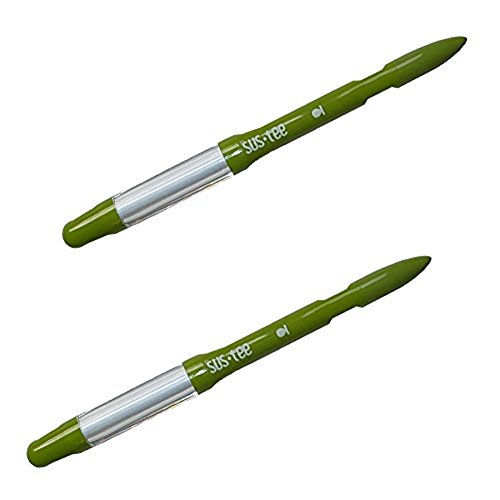
Sustee Aquameter Small Green Refillable Bundle of 2

Soil Moisture Meter, Hygrometer Sensor Water Monitor (No Battery)

Soil Moisture Meter 4-in-1 Tester with Large Dial
A Breakdown Of The Leading Choices
The Sustee Aquameter sits in the soil full time, reading water through a refillable core instead of a probe you have to dig in for every check. For a bonsai bench with mid-size pots in the 6 to 12 inch range, that means a glance at the indicator window tells you when to water without disturbing the surface roots or compacting the substrate.
Unlike the analog probes coming up later in this list, the Aquameter doesn’t need batteries, and the slim body blends into the pot rather than dominating it. Refill sticks swap in when the indicator stops responding, which keeps the tool reusable rather than disposable over the long run.
Everyday Advantages
- Continuous reading means you check water status at a glance, not by probing
- No batteries, no electronics to fail in a wet pot
- Refillable cores extend the life of the tool beyond a single season
- Set of two covers a small starter collection of trees
Things To Consider
- Indicator can stick if the core dries out fully between very long intervals
- Not designed for the deepest root balls, where a longer probe reaches better
Feature Snapshot
Right Fit For
Intermediate hobbyists managing a rotating collection of trees who prefer set-and-forget monitoring over hand-probing every other day.
Swap It Out When
Reach for the Dr.meter Long Probe Soil Moisture Meter Tester instead if your trees sit in deep training pots where the Aquameter’s length won’t reach the bottom layer.
The Luster Leaf Digital Moisture Meter swaps the vague dial reading of older probes for a clear numeric output that removes interpretation. For someone new to bonsai and unsure whether “slightly damp” means wait another day, that instant readout cuts the most common beginner mistake, which is watering on a schedule instead of on soil condition.
The probe runs on soil contact alone, no batteries to swap, and the meter also reads soil pH if you want a fuller picture. For a hobbyist keeping one or two trees on a windowsill, the all-in-one design avoids buying a second tool later.
Strengths Worth Knowing
- Digital display removes the color-matching guesswork of analog dials
- Reads both moisture and pH in one device, useful for soil troubleshooting
- Designed and engineered in the USA, ships with a printed plant reference list
Honest Caveats
- Probe is intended for soil use only, so cleaning matters between checks
- Numeric scale still requires you to learn the right range for your specific tree
Whose Shelf It Belongs On
First-time bonsai owners who want a single tool that gives them a number, not a vague color band, and aren’t ready to learn calibration charts yet.
Look Elsewhere When
The AiGerdinn Soil Moisture Meter 4-in-1 Tester suits you better if you want sunlight and fertility readings in the same session.
The ECOWITT WH0291 brings a waterproof sensor and an LCD readout marked with a small flower-pot icon, which makes outdoor benches easier to monitor through summer rain and winter dormancy. For bonsai kept on a patio or open shelf where humidity swings with the weather, the waterproof rating matters more than it does for an indoor-only meter.
Readings settle within roughly 72 seconds, and the calibration mode lets you set a custom dry and wet baseline for your own substrate mix. That custom calibration is genuinely useful for bonsai because akadama, pumice, and pine bark all hold water differently than standard potting soil.
Benefits That Matter
- Waterproof sensor tolerates rain exposure on outdoor benches
- Custom calibration mode adapts the scale to bonsai substrates, not just garden soil
- Digital display reads at a glance without color matching
Trade Offs
- 72-second wait is longer than an analog probe, which reads instantly
- LCD screen sits on the probe head, so you may need to bend down to read in low benches
Built With In Mind
Bonsai keepers with outdoor benches in mixed weather who want a tool that doesn’t mind getting wet.
A Better Fit Elsewhere
The Sustee Aquameter Set of 2 (Large) makes more sense if you want a leave-in sensor you can check without bending down to the bench every time.
The Maxsolve 3-in-1 probe bundles moisture, light, and pH readings into one stick, which suits a hobbyist who keeps bonsai alongside other houseplants and wants one tool for the whole shelf. The two-pack format means you can dedicate one probe to your bonsai bench and another to general houseplant use without cross-contaminating readings between dry-loving and thirsty species.
The probe is plug-and-play with no calibration to learn, so a new keeper can take a reading in seconds. Just remember this isn’t designed for water testing or for testing liquid fertilizer solutions, so it stays a soil-only tool.
Everyday Perks
- Three readings in one probe reduces tool clutter on a small bench
- Pack of two lets you assign probes to different plant groups
- Quick response with no setup makes it approachable for first-time owners
Soft Spots
- Color-band readings require interpretation, not a number on a screen
- Light sensor only useful if your bonsai still has foliage receiving ambient room light
Best Suited To
Mixed-collection growers who keep bonsai alongside leafy houseplants and want one probe for everything.
Consider Something Else When
The Dr.meter Long Probe Soil Moisture Meter Tester fits better if your bonsai sit in deep training pots where this probe’s shorter reach won’t reach the root zone.
The Dr.meter Long Probe handles the awkward middle ground where shallow bonsai pots leave a short probe measuring only the top inch while the bottom stays soggy. The extended shaft reaches deeper into the substrate, so you read the actual root zone rather than just the surface crust.
The tool runs on soil contact alone, so there are no batteries to forget in a drawer. Owners commonly appreciate how the dial reads instantly without waiting for a digital cycle to settle, which matters during morning watering routines.
Everyday Wins
- Long probe reaches the actual root zone in deeper training pots
- No batteries keeps the routine low-maintenance
- Instant dial reading speeds up morning watering checks
Possible Compromises
- Long shaft is overkill for shallow mame or shohin pots
- Analog dial requires you to learn the color band for your specific tree
Made For
Mature bonsai in 8 inch or deeper containers with developed root systems that need a deep reading.
Not Your Match When
The Sustee Aquameter (Small Green Refillable) suits you better if your collection is mostly small shohin bonsai where this long probe would hit the pot bottom.
The Small Sustee Aquameter is sized for 2, 2.5, and 3 inch pots, which lines up with shohin and mame bonsai where a regular-length probe overwhelms the container. The leave-in design means you place it once and read the indicator window whenever you walk past.
Compared to the large Aquameter reviewed earlier, this one trades pot-depth range for compact placement, so your smaller trees get a sensor scaled to their footprint. The refillable core keeps it a long-term tool rather than a disposable one.
The Upside
- Sized correctly for shohin and small succulent bonsai where longer probes don’t fit
- Leave-in format means no daily disturbance of delicate surface roots
- Bundle of two covers a matched pair of small trees
Small Caveats
- Indicator window is small and can be hard to read at a distance
- Not a fit for larger training pots, which need the long Aquameter or a probe
Perfect Match For
Collectors focused on shohin bonsai, small succulents, or starter trees in 2 to 3 inch pots.
Reach For A Different Pick When
Step up to the Sustee Aquameter Plant Moisture Sensor, Set of 2 (Large) for trees in the 6 to 12 inch range where this small version would bottom out.
The Zoiydals Soil Moisture Meter uses a classic analog dial with three zones and ten scale marks, giving you a quick dry, moist, or wet reading without any batteries or electronics. For someone keeping a few bonsai alongside regular houseplants, that simplicity removes setup entirely.
The probe reaches into the substrate and shows whether the root zone is dry below the surface, which a finger test can’t reliably detect. Indoor and outdoor use is fine, though leaving it planted for extended periods isn’t the design intent.
Well-Handled Touches
- Three clear zones cut through the guesswork that finger testing leaves behind
- No batteries means no mid-season replacement surprises
- Large dial is readable without leaning in close
Points To Note
- Probe should be wiped clean between uses to avoid residue skewing readings
- Ten-step scale is finer than three zones, so you still need to learn the right band for your tree
Who It Suits Best
Casual hobbyists who want a no-fuss reading without committing to a more specialized tool.
Where Another Pick Suits Better
The Sustee Aquameter Plant Moisture Sensor, Set of 2 (Large) is a stronger match if you’d rather not pull a probe in and out between checks.
The AiGerdinn 4-in-1 tester reads moisture, pH, fertility, and sunlight, so it suits a hobbyist who treats bonsai care as a multi-variable puzzle rather than just a watering question. The large dial keeps the readout legible without leaning in, which matters on a crowded bench.
There are real limitations worth respecting. The meter isn’t designed for water, slurry soil, red clay, hard soil, plant ash, or liquid fertilizer solutions, so it belongs to dry-to-moist substrates only. Pre-moisten the soil and avoid testing while watering for a reliable result.
What Pays Off
- Four readings from one probe covers moisture, pH, fertility, and sunlight in a single tool
- Large dial keeps the readout legible at bench height
- Switchable modes let you rotate between metrics without changing probes
Factors To Consider
- Not suited for very hard, dry, or rocky substrates common in some bonsai mixes
- Four readings mean more interpretation work than a moisture-only meter
Quick Facts
Who Should Grab It
Detail-oriented hobbyists who want moisture alongside pH and fertility context in a single bench tool.
Skip It When
The Luster Leaf Digital Moisture Meter is a cleaner choice if you’d rather a numeric moisture readout than a four-function analog dial.
What Matters Most When Choosing A Moisture Meter For Bonsai
Probe Length And Pot Depth
Bonsai pots run from shallow mame trays barely an inch deep to tall training pots over a foot tall. A probe too short measures only the surface crust while the root ball stays wet, which leads to overwatering even when the meter reads dry. A probe too long bottoms out in a shallow pot and gives you a reading from the drainage layer rather than the roots. Match the probe length to your most common pot depth rather than your tallest or smallest tree.
Probe Style: Insert Versus Leave-In
Insert probes get pushed into the soil for each reading, then wiped clean and stored, which avoids long-term contact with moist substrate. Leave-in sensors like the Sustee Aquameter sit in the pot full time, so you never disturb surface roots or compress the substrate with repeated probing. The trade-off is that leave-in sensors have a fixed position in the pot, while insert probes let you sample multiple spots in the same container to find dry patches.
Substrate Compatibility
Standard potting soil reads predictably on most meters, but bonsai substrates built from akadama, pumice, lava rock, and pine bark drain faster and hold less water in a given volume. Meters with calibration modes, like the ECOWITT WH0291, let you reset the dry and wet baseline to match your actual mix. Meters not designed for hard, dry, or rocky substrates, like the AiGerdinn 4-in-1, will give unreliable readings in coarse bonsai mixes and should be reserved for finer soil.
Multi-Function Versus Moisture-Only
Moisture-only meters stay simple and are easier to learn. Multi-function meters add pH, light, or fertility readings that can matter for diagnosing yellowing leaves or stunted growth, but they add interpretation overhead. Beginners usually benefit from moisture-only until watering habits are consistent, then upgrade when they have specific questions their current tool can’t answer.
Common Shopping Slip Ups And Where The Extra Money Goes
Mistakes Worth Dodging
The most common mistake is buying a moisture-only meter and then realizing pH or light data would actually answer the question you keep asking. The opposite mistake is buying a 4-in-1 tool when a simple probe would have done the job, leaving you overwhelmed by data you don’t yet know how to use. Match the tool to the question you’ll actually ask most mornings, not the most features on the box.
Where The Extra Money Goes
Higher-tier moisture meters usually spend the budget on waterproof sensor heads, calibration modes for non-standard substrates, and clearer numeric displays rather than extra functions. For bonsai specifically, that calibration flexibility matters because akadama and pumice mixes throw off meters calibrated for garden soil. The upgrade pays off once your collection grows past a couple of trees and your substrate mixes vary pot to pot.
Frequently Asked Questions
Can you use a regular moisture meter on bonsai?
Yes, most moisture meters designed for general gardening will read bonsai substrate, though the scale may be calibrated for richer potting soil rather than the fast-draining akadama and pumice mixes common in bonsai. For accurate readings, look for a meter with a calibration mode or expect to learn your own dry-versus-wet baseline through repeated checks.
How deep should you insert a moisture meter in a bonsai pot?
The probe should reach the root zone rather than just the surface crust, which usually means inserting two-thirds to three-quarters of the way into the soil. For shallow mame or shohin pots, a short probe like the small Sustee Aquameter fits where a longer probe would hit the drainage layer.
Do bonsai moisture meters need batteries?
Some do, but many rely on soil contact alone to complete a simple circuit and read moisture through resistance. Battery-free meters like the Sustee Aquameter, Dr.meter Long Probe, and Zoiydals Hygrometer avoid the replacement cycle, while digital meters with LCD screens typically run on small coin-cell or AAA batteries.
Can a moisture meter prevent overwatering bonsai?
A moisture meter removes the guesswork that causes most overwatering, which is watering on a schedule rather than on soil condition. It won’t fix a substrate mix that drains poorly or a pot without drainage holes, both of which keep roots wet regardless of what the meter reads.
How often should you check bonsai soil moisture?
Most bonsai benefit from a daily check during the growing season and every few days during dormancy, though the actual interval depends on pot size, substrate, and climate. The point of a meter is to base that check on data rather than a calendar, so checking whenever you’re unsure is the right habit to build.
Wrap Up
Bonsai care rewards consistency, and a moisture meter is the most direct way to turn watering from a habit into a measured response. Match the probe length and style to your pot size and substrate, and resist buying more functions than you’ll actually use on a given morning. The right tool fades into the routine, which is exactly what you want when the trees themselves are the focus.
