

A healthy Monstera deliciosa rewards you with fenestrated leaves, strong aerial roots, and steady growth through the warm months. The wrong feed, though, leaves you with yellowing edges, leggy stems, and soil that salts up faster than the plant can drink. Picking among the many Monstera fertilizers on the market comes down to your watering style, pot size, and whether you want organic or synthetic nutrition.
The Choices Worth Comparing

Instant Biologics Self-Dissolving Houseplant Fertilizer Tablets (4-Pack)

Houseplant Resource Center Monstera Plant Food 5-2-3 Liquid Fertilizer 8 oz
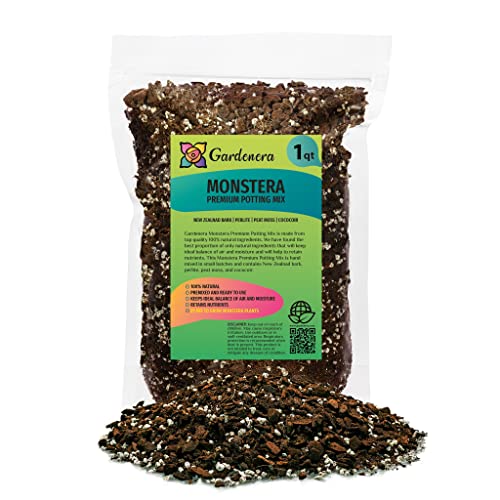
Gardenera Premium Monstera Potting Soil 1 Quart Bag
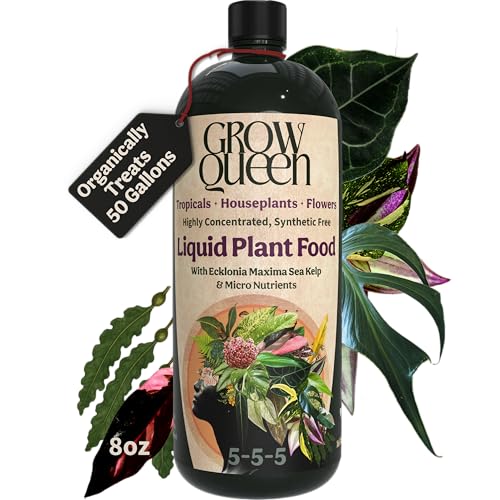
Grow Queen Organic Liquid Indoor Plant Food 5-5-5 with Sea Kelp 8 oz

Grow Queen Organic Liquid Indoor Plant Food 5-5-5 with Sea Kelp 16 oz

Houseplant Resource Center Indoor Plant Food 3-1-2 Liquid 8 oz

TPS Nutrients Silica for Plants 8 oz (250 mL)

Miracle-Gro Organic Plant Food 32 fl. oz.
The Details Behind The Selections
Tablet feeding sounds gimmicky until you live with one forgetful watering day after another. These pre-portioned tablets dissolve in a glass of water, so you skip the measuring spoons and the half-empty concentrate bottles cluttering the cabinet.
Compared with the liquid picks later in this list, the format trades fine-tuned dosing for genuine convenience. Drop one tablet, stir, pour, done, which matters for anyone running a busy schedule.
Everyday Advantages
- Pre-measured tablets remove guesswork for new plant parents
- Drops into any glass or watering can with no mixing mess
- Compact four-pack stores in a drawer without leaking
- Works across tropicals, succulents, and foliage plants alike
Trade Offs
- You give up control over exact NPK (nitrogen, phosphorus, potassium) ratios versus dedicated blends
- Four tablets run out quickly across a multi-plant household, so replacements show up often
Key Attributes
Who It Suits Best
First-time Monstera owners who want a no-fuss feeding routine and a small plant shelf rather than a greenhouse setup.
Consider Something Else When
Growers running a tight, dedicated Monstera feed should reach for Houseplant Resource Center Monstera Plant Food 5-2-3 Liquid Fertilizer 8 oz instead.
A 5-2-3 NPK ratio leans heavier on nitrogen than phosphorus or potassium, which mirrors how Monsteras grow in their native understory where leaf production matters more than flowers. The chelation (a process that binds nutrients so roots absorb them more easily) helps the minerals stay available in slightly alkaline tap water.
Unlike the broad all-purpose tablet above, this bottle commits to one plant type. That focus shows up in steady fenestration during the active months, though you may find the bottle empty faster than the larger options on this list.
Noteworthy Benefits
- Tailored 5-2-3 ratio supports leaf growth over blooms
- Chelated minerals stay bioavailable across a range of tap-water profiles
- Liquid format dilutes cleanly into normal watering routines
Points To Keep In Mind
- Single-species focus means it underperforms on flowering plants sharing the same shelf
- 8 oz bottles go quickly on a mature Monstera, so the per-month cost climbs
Feature Snapshot
Made For
Collectors who keep mostly Monsteras and want a single bottle dedicated to that one genus.
Look Elsewhere When
Households juggling pothos, peace lilies, and Monsteras on one shelf should consider Houseplant Resource Center Indoor Plant Food 3-1-2 Liquid 8 oz for broader coverage.
Fertilizer does less work than you think when the soil underneath refuses to drain. This mix layers peat moss, perlite, coco coir, biochar, worm castings, and bark into an airy blend that keeps roots oxygenated through heavy summer drinks.
Where the liquid feeds above deliver nutrients on a schedule, this bag sets the stage so those nutrients actually reach the root system. For anyone repotting a rootbound Monstera, the foundation matters as much as the feed schedule.
The Value In It
- Quick-draining texture fights root rot in standard nursery pots
- Worm castings add slow-release organic matter alongside your liquid feed
- Sized for one small repotting job
Small Caveats
- One quart fits a single small repotting; large monsteras need several bags
- Bark and perlite settle over time, so top-dressing helps maintain airflow in long-lived pots
Best Suited To
Plant parents about to repot a juvenile Monstera or refresh the medium on a struggling older plant.
Skip It When
You already have a chunky, well-draining aroid mix on hand and only need liquid nutrition, in which case Grow Queen Organic Liquid Indoor Plant Food 5-5-5 with Sea Kelp 8 oz is the smarter add-on.
A balanced 5-5-5 NPK gives equal weight to leaf, root, and stem development, which suits a Monstera moving between active and rest phases. The added sea kelp contributes trace minerals and natural hormones that organic growers tend to look for.
The treatment volume of 50 gallons from an 8 oz bottle is generous for a single Monstera, so a small household will measure slowly over many months. The trade-off is gentler feeding, which lowers the burn risk for newer plant parents.
The Good Stuff
- Even 5-5-5 ratio reduces the chance of leaf-tip burn from overfeeding
- Sea kelp adds trace minerals beyond basic NPK
- One 8 oz bottle covers roughly 50 gallons of mixed feed
Honest Caveats
- Equal NPK means slower leaf push than a nitrogen-forward option in peak season
- Organic feeds can develop a mild odor in the watering can between uses
Feature Rundown
Whose Shelf It Belongs On
Organic-leaning growers who rotate between Monsteras, ferns, and calatheas and want one bottle to cover the whole shelf.
Reach For A Different Pick When
Collectors chasing maximum leaf size on a single Monstera should pick Houseplant Resource Center Monstera Plant Food 5-2-3 Liquid Fertilizer 8 oz for its nitrogen lean.
The 16 oz sibling doubles the volume of pick number four while keeping the same 5-5-5 ratio and sea kelp profile. Treating roughly 110 gallons per bottle, it suits households that feed weekly across a crowded shelf.
The honest read is that for a single Monstera, this bottle is overkill, but for a household juggling monsteras, pothos, and philodendrons, the larger format keeps you stocked through a full growing season.
What Stands Out
- Bottle covers around 110 gallons of feed solution
- Same gentle organic profile as the 8 oz version for continuity
- Larger format reduces reorder frequency across many shelves
Points To Note
- Storage space matters since 16 oz bottles take more shelf room
- Liquid can lose potency if the bottle sits open across many months
Perfect Match For
Multi-plant households running a consistent weekly feed schedule across several tropicals at once.
Swap It Out When
Anyone tending a single Monstera will find Grow Queen Organic Liquid Indoor Plant Food 5-5-5 with Sea Kelp 8 oz a better fit for the smaller scale.
A 3-1-2 NPK ratio lands closer to what general houseplant research recommends across foliage-heavy species, including pothos, peace lilies, and monsteras. Chelated micronutrients (iron, manganese, zinc) help the minerals stay plant-available across the long feed cycle.
The trade-off against pick number two is flexibility. You give up the species-specific lean toward extra nitrogen for broader coverage that handles a shelf of mixed aroids without juggling multiple bottles.
What Earns Its Place
- Covers a wide indoor roster including pothos, peace lilies, and monsteras
- Chelated micronutrients stay available across varied water sources
- Liquid delivery keeps the watering routine on schedule
Trade-Offs To Consider
- Lower nitrogen than dedicated Monstera feeds during peak leaf push
- 8 oz size runs out quickly on a large collection
Feature Card
The Right Fit
Indoor gardeners tending a mixed aroid shelf who want one bottle instead of a row of specialty feeds.
Where Another Pick Suits Better
Specialist Monstera growers chasing fenestration should reach for Houseplant Resource Center Monstera Plant Food 5-2-3 Liquid Fertilizer 8 oz instead.
Silica (silicon dioxide) is not a fertilizer in the classic NPK sense, but it strengthens cell walls in stems and leaves, which shows up as sturdier petioles on big-leaved Monsteras. As a supplement layered on top of your regular feed, it targets structural strength rather than raw growth.
For mature specimens with sprawling vines, owners commonly pair this with a balanced feed to reduce flop and breakage during the active months.
A Few Strong Suits
- Reinforces cell walls for sturdier stems and petioles
- Pairs cleanly with any of the liquid feeds on this list
- 8 oz bottle mixes into a typical watering can without fuss
Things To Weigh
- Silica is a supplement, not a complete feed, so you still need a primary fertilizer
- New Monsteras in early growth stages rarely benefit enough to justify the extra step
Built With In Mind
Mature Monstera owners with long vines who want stronger stems and fewer snapped petioles during the active season.
A Better Fit Elsewhere
Beginners with small juvenile plants should start with Grow Queen Organic Liquid Indoor Plant Food 5-5-5 with Sea Kelp 8 oz and add silica later.
The 32 fl. oz. format outlasts every other bottle on this list, which matters in households with both indoor and outdoor container plantings. With most of the formula built from plant-based ingredients, it bridges organic-leaning households and mainstream gardeners.
Compared with pick number four’s smaller organic bottle, the trade-off is less precision over ratios and more raw volume for casual feeding schedules.
A Few Highlights
- Largest bottle on the list covers heavy feeders across many pots
- Plant-based formula fits organic-leaning households
- Universal application across indoor and outdoor container plants
Softer Spots
- Wide-net formulation trades Monstera-specific tuning for general coverage
- Larger bottle means heavier storage and a longer shelf-life commitment once opened
Specs At A Glance
Who Should Grab It
Families managing many plants at once who want a familiar brand and a long-lasting bottle on the shelf.
Not Your Match When
Single-species Monstera specialists should choose Houseplant Resource Center Monstera Plant Food 5-2-3 Liquid Fertilizer 8 oz for tailored nutrition.
What Matters Most Before Choosing Monstera Fertilizers
Match the NPK ratio to your growth goal
The NPK numbers on a label refer to nitrogen, phosphorus, and potassium, in that order. Nitrogen pushes leaf growth, which is what most Monstera owners want during the active months. Phosphorus supports roots and blooms, while potassium handles overall plant resilience. A nitrogen-forward 5-2-3 ratio suits monsteras chasing fenestration, while an even 5-5-5 fits mixed shelves with flowering companions.
Decide between organic and synthetic nutrition
Organic feeds rely on plant- or mineral-derived ingredients and tend to feed more gently over a longer window. Synthetic options push faster growth with a sharper nutrient profile. New growers often find organic feeds more forgiving, since the risk of leaf burn drops noticeably when you miss a dilution step.
Size the bottle to your collection
A small Monstera on a windowsill takes far less feed than a mature vine in a 10-inch pot. Calculate roughly how many gallons of feed solution you mix per month and pick a bottle size that runs for at least a season. Larger bottles cost less per ounce but demand more storage space and a longer commitment to using them while they stay potent.
Consider your water source
Hard tap water with high mineral content can interact poorly with some fertilizers, leading to salt buildup on the soil surface. Chelated fertilizers help minerals stay plant-available across a wider range of water profiles. If you use softened or filtered water, you may need to adjust the nutrient mix to compensate for the sodium that softeners add.
Key Considerations Across These Picks
Common Shopping Slip Ups
Choosing a Monstera fertilizer by brand familiarity alone is a tempting shortcut that often backfires. A general-purpose 3-1-2 blend works fine on a pothos shelf, but a Monstera pushing new fenestrations wants more nitrogen in the mix. Skipping the NPK reading also leads to overfeeding, which shows up as crispy brown leaf tips within a few weeks. Always check the ratio before you buy, and match it to the growth stage your plant is in right now.
Where The Extra Money Goes
Higher-tier Monstera feeds often include chelation, organic kelp additives, or species-specific NPK tuning. Those extras matter most when your tap water fights back against plain mineral salts, or when you want a single bottle dedicated to one plant genus. For casual multi-plant households, the upgrade rarely earns its keep, and a balanced organic blend covers most needs at a friendlier price.
