

A happy Monstera leans heavily on what surrounds its roots. The right blend keeps those chunky, aroid-loving rhizomes breathing instead of sitting in soggy peat, which is the fastest route to yellowing leaves and stem rot. This lineup breaks down eight well-draining options worth your attention, from purpose-built Monstera blends to versatile indoor mixes that handle aroids just fine.
The Lineup, Simplified

Miracle-Gro Organic Indoor Potting Mix, 16 qt
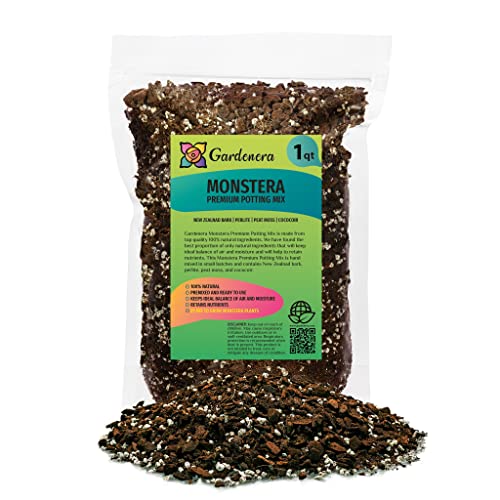
Gardenera Premium Monstera Potting Soil 1 Quart
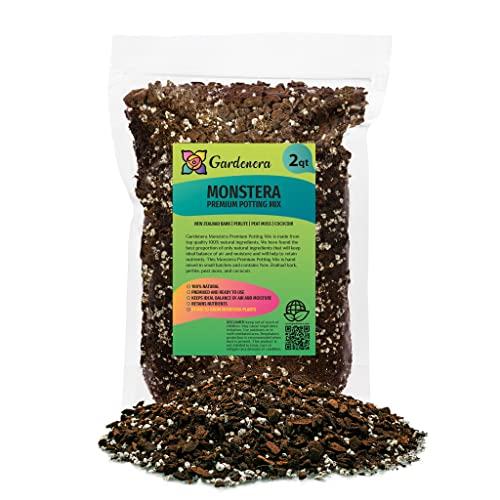
Gardenera Premium Monstera Potting Soil 2 Quart

Gardenera Premium Monstera Potting Soil 3 Quart
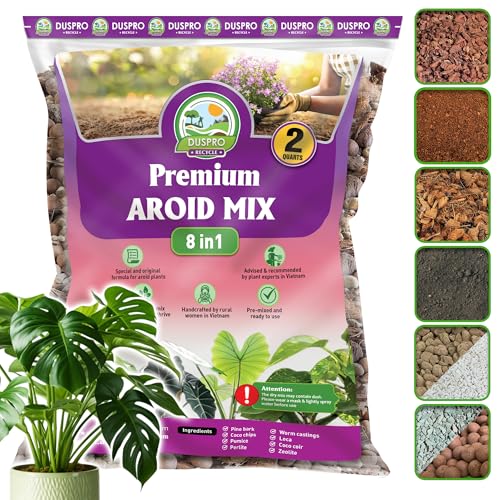
DUSPRO 8-in-1 Aroid Potting Mix 2 QT

Omitgoter Potting Soil for Indoor Plants 2qt

DUSPRO 4in1 Orchid Potting Mix 6QT

AVERGO Coconut Coir Potting Soil 7 Quart
A Closer Look At Each Pick
Miracle-Gro’s organic indoor blend leans on coir to open up the mix, sphagnum peat moss to hold and release water on a slow cycle, and a quick-start natural fertilizer to feed the plant through the early weeks. Coir, the fibrous byproduct of coconut husks, is widely used in aroid mixes because it resists compaction, so roots can push through without suffocating.
For mixed indoor collections where the Monstera shares shelf space with pothos, philodendrons, and peace lilies, this 16-quart bag covers a long stretch of small to medium repots. The texture is finer than the chunky aroid-specific options below, so you may want to amend with extra perlite for a Swiss cheese plant that prefers aggressive airflow around its roots.
Strong Points
- Coir and peat moss combo helps balance moisture swings in rooms with inconsistent humidity.
- Built-in starter fertilizer trims down the number of separate products new plant owners need to keep on hand.
- Large 16-quart size typically handles several smaller repots before running dry.
- Widely available and recognizable, which helps if you are shopping locally rather than online.
Things To Consider
- The texture runs finer than dedicated Monstera blends, so you may need to cut it with perlite or bark for chunkier aroid roots.
- Starter nutrients ease early growth, then taper, so plan a feeding routine after the first month or two.
Key Specs
Made For
Houseplant hobbyists juggling a mixed indoor jungle who want one bag to cover Monstera, pothos, and similar tropicals.
Skip It When
You want a chunkier, ready-to-use aroid mix without amending; the Gardenera Premium Monstera Potting Soil 1 Quart is built for that path.
Gardenera’s smallest bag targets the new Monstera owner staring down a single plant that has outgrown its nursery pot. The blend pulls together aged bark, coco coir, and perlite, then layers in biochar and worm castings for slow-release organic matter. Aged bark is simply tree bark that has been composted long enough to soften, which improves how it holds water without matting down.
The one-quart size suits a juvenile Monstera in a four- to six-inch pot, which is the typical entry point for a plant bought online or from a local nursery. Bigger specimens will burn through this fast, which is exactly why the brand offers the larger 2- and 3-quart versions further down this list.
Useful Touches
- Pre-blended aroid formula removes the guesswork of mixing your own substrate.
- Biochar and worm castings add organic nutrients that release gradually over the first growing season.
- Small bag size is realistic for a single repot, reducing leftover waste.
Worth Noting
- One quart covers only a small plant, so a mature Monstera in an eight-inch pot will need more than a single bag.
- You may find the mix slightly dry on arrival, so water it through before planting to activate the components.
Key Specs
Best Suited To
New plant parents who want a pre-mixed, Monstera-specific soil for a single juvenile plant.
Look Elsewhere When
You are repotting more than one or two plants and would rather buy in bulk; Gardenera Premium Monstera Potting Soil 3 Quart is the same recipe at a more practical size.
The 2-quart Gardenera bag runs the same ingredient list as the smaller size: peat moss, perlite, coco coir, biochar, worm castings, and bark. The difference is volume, which translates directly to how many pots you can fill before reaching for another bag. For a typical Monstera deliciosa in a six- to eight-inch pot, two quarts is roughly the right amount for one clean repot with a little left over.
Compared to the Miracle-Gro blend at the top of this list, this mix leans chunkier and more bark-forward, which suits Monstera roots that evolved to grip onto rainforest debris rather than sit in fine soil. You will notice the texture difference the moment you open the bag.
Bright Spots
- Mid-size bag suits one or two repots without overcommitting on volume.
- Chunky aroid texture supports the kind of root system Monsteras develop in their natural habitat.
- Worm castings give a light nutritional boost without forcing a feeding schedule right away.
Trade Offs
- You may need to add extra perlite for plants kept in lower-light corners where the mix stays damp longer.
- Two quarts is not enough for a large, multi-stemmed Monstera that calls for a deeper pot.
Who It Suits Best
Plant owners repotting one to two mid-size Monsteras who want a purpose-built aroid blend without overspending on volume.
Consider Something Else When
You want a more ingredient-dense chunky mix; the DUSPRO 8-in-1 Aroid Potting Mix 2 QT brings eight components instead of six and an even airier profile.
The 3-quart Gardenera bag steps up for owners with more than one or two aroids on the shelf. Same bark, coir, perlite, peat moss, biochar, and worm castings blend, just in a volume that makes sense for propagation projects, multi-plant repotting days, or refreshing soil across a small Monstera collection.
If you have ever poured a one-quart bag into a single eight-inch pot and watched it disappear with inches to spare, the 3-quart version solves that moment. For households running a regular rotation of aroids, philodendrons, and pothos, this size lands in a practical middle ground.
What Helps Most
- Larger volume cuts down on reordering when you are repotting multiple plants in the same weekend.
- Same proven ingredient list as the smaller Gardenera bags, so you know exactly what you are working with.
- Useful for refreshing top dressing or filling propagation containers without buying a separate bag.
Points To Note
- Bigger bags can compact during shipping, so fluff the mix with your hands before potting.
- Without a built-in feed, you will still want a fertilizer routine in the active growing months.
Right Fit For
Multi-plant owners with several Monsteras or aroids who want one bag to cover a weekend repotting session.
Reach For A Different Pick When
Your collection includes orchids alongside Monsteras, since the DUSPRO 4in1 Orchid Potting Mix 6QT brings a bark-heavy formula that works for both.
DUSPRO’s aroid mix is the most ingredient-dense blend in this roundup, combining pine bark, pumice, coir, coco chips, LECA, perlite, zeolite, and worm castings into a single ready-to-use bag. Pumice is a porous volcanic rock that holds moisture in tiny pockets without going soggy, while LECA (lightweight expanded clay aggregate) adds drainage and structural support. Zeolite, a mineral that holds onto nutrients and releases them slowly, rounds out the formula.
That ingredient list means you do not have to buy separate bags of perlite, bark, and pumice and mix them yourself, which is the usual path for serious aroid hobbyists. For someone starting their first chunky mix, the time savings alone are worth considering.
Features That Help
- Eight-ingredient formula gives roots varied pore sizes for water, air, and anchoring.
- Ready to use straight from the bag, removing DIY measuring and guesswork.
- Chunky texture supports aggressive root development in mature Monsteras.
- Worm castings provide gentle organic nutrition during the establishment phase.
Honest Caveats
- Chunky blends dry out faster, so you may find yourself watering slightly more often in dry homes.
- Two quarts suits a single repot rather than an entire collection refresh.
- The mix can shift during shipping, so fluff and inspect before use.
Key Specs
Whose Shelf It Belongs On
Aroid hobbyists who want a chunky, ingredient-rich mix without buying five separate bags and measuring their own ratios.
Not Your Match When
You want a finer, more water-retentive indoor blend for plants beyond Monsteras; the Miracle-Gro Organic Indoor Potting Mix 16 qt suits a broader range of tropicals.
This Omitgoter blend is sold specifically for lucky bamboo and tropical foliage, but the underlying recipe, peat moss, coconut coir, and perlite, also serves Monsteras in well-lit rooms with steady watering habits. The porous texture is the real draw, since perlite keeps the mix from compacting while peat moss holds just enough moisture between drinks.
If your indoor climate leans dry, especially during winter heating months, this lighter mix may dry out faster than a Monstera prefers. Pairing it with a humidity tray or grouping plants together helps maintain a stable microclimate around the leaves.
Points In Its Favor
- Perlite content supports quick drainage, which lowers the risk of root rot in overwatered plants.
- Lightweight texture makes it easy to work with during repotting, especially in smaller pots.
- Two-quart size fits a single medium Monstera with minimal waste.
Some Limits To Know
- Marketed primarily for lucky bamboo, so you may need to amend with bark for chunkier aroid texture.
- Smaller volume means frequent reordering for owners with several plants.
- No built-in fertilizer, so a separate feeding schedule is needed during the growing season.
Key Specs
Perfect Match For
Plant owners running a tropical foliage collection who want a lightweight, draining blend for a single Monstera or lucky bamboo.
A Better Fit Elsewhere
Your collection runs heavy on Monsteras only; Gardenera Premium Monstera Potting Soil 2 Quart is tuned specifically for that plant.
DUSPRO’s orchid mix is built around four ingredients: forest moss, pine bark, pumice, and chunky perlite. The chunky perlite upgrade matters here, since fine perlite tends to migrate to the bottom of the pot over time, while chunky pieces hold their air pockets through repeated waterings. Forest moss adds a soft moisture layer that supports root tips without smothering them.
While marketed for orchids, the formula works as a base for custom Monstera mixes. Many aroid hobbyists blend an orchid bark product like this with extra coir or worm castings to fine-tune drainage for their specific environment. The 6-quart size also covers a few repots without running dry.
Everyday Advantages
- Chunky perlite resists compaction better than finer grades, extending the life of the mix.
- Large 6-quart bag suits multi-plant households or longer repotting sessions.
- Versatile base that works for orchids, Monsteras, and other epiphytic aroids.
- Pumice adds long-term drainage without breaking down quickly.
Small Caveats
- Sold as orchid mix, so the recipe may need tweaking to hit a Monstera’s preferred moisture range.
- Bark-heavy blends dry out faster and may demand more frequent watering in dry homes.
Built With In Mind
DIY-leaning plant owners who like to blend their own aroid substrate and want a chunky bark base to start from.
Swap It Out When
You want a ready-to-use Monstera-specific blend with no measuring required; Gardenera Premium Monstera Potting Soil 3 Quart is purpose-built and ready to pour.
AVERGO’s compressed coir brick is the storage-friendly option in this roundup. Coconut coir is a renewable fiber harvested from coconut husks, valued for holding moisture while still letting air reach the roots. The brick arrives in a small, dense form and expands to roughly 7 quarts once you add water, which keeps the package compact on a shelf or in a closet.
On its own, coir holds more water than a typical Monstera prefers, so most owners blend it with perlite, bark, or pumice to dial in the drainage. For someone who likes to fine-tune their mix, the brick format keeps the base ingredient ready whenever a repotting day comes around.
Advantages To Know
- Compressed brick format saves significant storage space compared to ready-mixed bags.
- Expands to 7 quarts of usable coir, which covers several small to medium repots.
- Renewable, sustainable base that suits eco-conscious plant owners.
- Versatile starting point for custom aroid, herb, or seed-starting mixes.
Where It May Fall Short
- Pure coir retains more water than most Monsteras prefer, so additional amendments are typically required.
- Hydration and expansion take a few minutes of prep time before the mix is ready to use.
Who Should Grab It
Small-space plant owners who want a compact, sustainable base they can mix to taste for Monstera and other tropicals.
Another Choice May Suit
You want a Monstera-ready blend with zero mixing; the DUSPRO 8-in-1 Aroid Potting Mix 2 QT opens straight from the bag.
What To Weigh Before Picking A Monstera Mix
Drainage and Airflow Above All Else
Monstera roots evolved to grip onto rainforest debris, not sit in dense mud. The biggest factor in any aroid mix is how well it lets excess water escape while still holding enough moisture between drinks. Perlite, pumice, orchid bark, and coco chips all serve this purpose by creating air pockets that roots need. A mix that stays soggy for days after watering is a red flag, especially in low-light rooms where the plant drinks slowly.
Ingredient Quality Over Marketing Claims
Many mixes claim to be “premium” without listing every component. Look for blends that name the major ingredients, since transparency usually signals a more thoughtful formula. Aged bark, horticultural perlite, coco coir, and worm castings are reliable staples. Watch out for mixes heavy in fine peat moss without a perlite or bark counterbalance, since peat compacts over time and restricts airflow to mature roots.
Bag Size and Storage Reality
Buying the smallest bag often costs more per quart, while the largest bag may sit in storage longer than expected. For one or two plants, a 1- to 2-quart bag keeps things fresh. For a small collection, 3 quarts or more reduces reordering. Coir bricks like the AVERGO option take up almost no space until hydrated, which is a bonus in apartments with limited shelving.
Matching Mix to Your Watering Style
Forgetful waterers benefit from chunkier, faster-draining blends with extra perlite or pumice. Consistent waterers can handle mixes with slightly more coir or peat for steady moisture. The honest read is that no single bag fits every routine, so pick the texture that matches how often you actually water, not how often you plan to.
Key Considerations Across These Picks
Pitfalls Shoppers Hit
The most common buying mistake is grabbing a generic indoor mix without checking the texture. Many general-purpose blends work fine for pothos or peace lilies but compress too tightly for Monstera roots, leading to slow rot that shows up only after months of decline. Another trap is buying by volume alone, since a cheap 16-quart bag of fine peat costs more in the long run if it kills the plant. Always match the ingredient profile to the plant, not the size of the bag.
Where The Extra Money Goes
Higher-tier Monstera blends earn their cost by stacking multiple drainage components, perlite, pumice, bark, and LECA, into a single ready-to-use mix. The extra cost covers sourcing quality ingredients, pre-mixing labor, and the convenience of skipping DIY blending. The upgrade pays off most for owners who repot frequently, run a multi-plant collection, or simply want consistent results without measuring out separate bags each time.
Frequently Asked Questions
Can I use regular potting soil for my Monstera?
Standard indoor potting soil usually holds too much water for a Monstera and compacts around the thick aerial roots. You can use it as a base, but most owners blend in perlite, orchid bark, or pumice to loosen the texture before potting.
How often should I repot my Monstera?
Most Monsteras benefit from fresh soil every 18 to 24 months, or whenever roots start circling the bottom of the pot. A lighter, chunky mix breaks down slower than dense blends, so the timeline shifts based on the formula you choose.
Do Monsteras need fertilizer in their soil?
Most pre-mixed aroid blends supply enough nutrition for the first few weeks, but Monsteras are heavy feeders during the active growing season. A balanced liquid fertilizer every few weeks supports new leaf development once the starter nutrients fade.
What is the best soil mix for a Monstera deliciosa?
A chunky, well-draining blend with bark, perlite, coir, and worm castings matches what Monstera deliciosa prefers in cultivation. The Gardenera and DUSPRO options in this roundup all hit that profile, with the right pick depending on bag size and how chunky you want the texture.
Can I reuse old Monstera soil for new plants?
Refreshing old soil with new perlite and bark is common, but reusing it on its own risks compacted texture and depleted nutrients. For sensitive or newly propagated plants, fresh mix is the safer starting point.
Bottom Line
The right Monstera soil mix comes down to drainage, ingredient quality, and how the texture fits your watering routine. Purpose-built aroid blends like the Gardenera and DUSPRO options take the guesswork out for most owners, while coir bricks and orchid mixes offer room to customize. Match the bag to your plant, your space, and how often you reach for the watering can, and the rest of the care routine gets a lot easier.
