

A two-acre lawn sits in an awkward middle ground. Push mowers feel like a punishment, full farm tractors feel like overkill, and most off-the-shelf “big lawn” picks assume a flat suburban yard without a single slope. You want a machine that actually finishes the job on a weekend without wearing you out or breaking down by August.
This roundup covers eight cordless, robotic, and rider picks sized for the two-acre range. Some suit budget shoppers, others suit people who want to walk away from mowing entirely. Read for the profile that matches your yard and your tolerance for hands-on yard work.
The Choices Worth Comparing

Worx Cordless 40V 21″ 3-in-1 Lawn Mower WG752

Mammotion LUBA 2 AWD 3000X Robot Lawn Mower

Sunseeker X5 AWD Robot Lawn Mower
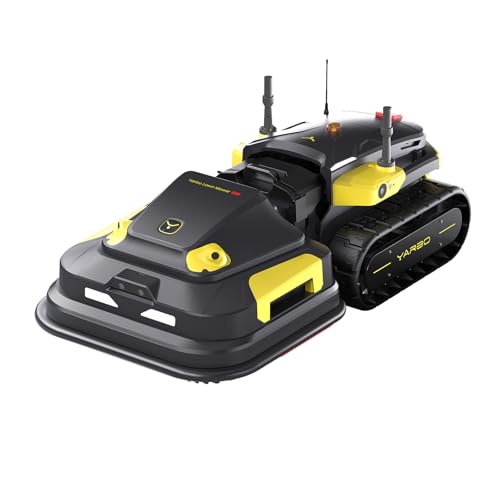
YARBO Robot Lawn Mower Pro

Husqvarna Automower iQ Series 440 iQ

Husqvarna Z248F 48″ Zero Turn Mower

Mammotion LUBA 3 AWD 3000H Robot Mower

Lymow One Plus Robot Lawn Mower
What Each Pick Brings To The Table
The Worx WG752 is the kind of walk-behind you grab when you want to skip gas and oil changes without buying a robot. Its 21-inch deck sits on a 40V platform, so you trade the noise and fumes of a small engine for a quieter Saturday morning. Aerodeck airflow design helps lift grass before the blade hits, which tends to matter more in thicker spring growth than in dry summer weeks.
Realistically, this is a one-and-done mower for smaller suburban lots rather than a full two-acre workhorse. You may find yourself recharging mid-session on bigger runs. Homeowners with flatter, well-kept turf get the cleanest experience here.
Practical Advantages
- 21-inch cutting deck covers ground quickly for a walk-behind, trimming your weekly mowing time compared to a 16-inch model.
- 3-in-1 design handles bagging, mulching, and side discharge, so you can switch modes without buying extra attachments.
- Cordless 40V operation removes fuel mixing, oil changes, and pull-cord frustration.
- Lighter footprint than gas mowers makes storage in a small shed or garage realistic.
Worth Noting
- Battery runtime is the obvious limit on bigger lots, and you may need a second battery for two full acres.
- Less torque than gas means very tall, wet grass can stall the motor and require a second pass.
- Plastic deck components tend to show scuffs sooner than a fabricated steel deck.
Right Fit For
Suburban homeowners with flat, well-maintained turf under an acre who want cordless convenience without the robotic price tag.
Skip It When
Your property tops two acres or includes serious slopes, in which case the Husqvarna Z248F rider will finish the work in a fraction of the time.
The LUBA 2 AWD steps up from typical wire-buried robotic mowers by using RTK, a satellite-based positioning system accurate to within centimeters, paired with four-wheel drive. Slopes that would strand a rear-wheel-drive robot barely slow this one down, and owners of hilly lots tend to appreciate that independence from perimeter wire.
It’s also one of the few robots with built-in 4G connectivity, so the app stays linked even when you’re away from home. In our view, anyone who dreads walking a steep backyard twice a week should weigh this seriously.
What Works In Its Favor
- Four-wheel drive with 80% slope capability handles terrain that defeats most robotic mowers.
- RTK navigation removes the need to bury boundary wire, simplifying the install on established lawns.
- 4G module keeps the robot online for remote scheduling and theft alerts outside Wi-Fi range.
Points To Keep In Mind
- Listed coverage tops out around 0.75 acres, so on a full two-acre property you’ll need multiple zones or longer daily cycles.
- RTK requires a clear sky view from the reference station, so heavily wooded lots may see signal drift.
- Owners commonly report a learning curve when mapping complex multi-zone layouts through the app.
Built With In Mind
Homeowners with rolling, obstacle-heavy lawns up to three-quarters of an acre who want robotic mowing without trenching wire.
Look Elsewhere When
You want hands-off coverage for an entire two-acre estate, in which case the YARBO Robot Lawn Mower Pro is engineered for larger properties.
The Sunseeker X5 blends RTK with a vision-based system called VSLAM (Visual Simultaneous Localization and Mapping), letting the robot triangulate position even when satellite signals fade under heavy tree cover. For yards with big maples or pines blocking the sky, this dual approach usually means straighter lines and fewer missed patches than RTK alone.
Where this robot really fits is the half-acre suburban lot rather than the full two-acre range. On smaller, shaded properties, its Vision AI typically identifies toys, hoses, and pets well enough to keep the blades away.
The Practical Payoff
- AWD traction helps the robot push through uneven ground and mild slopes without getting stuck.
- Vision AI supplements RTK so navigation holds up in shaded zones where satellites lose lock.
- Wire-free setup keeps installation to a couple of mapping drives through the app.
Honest Caveats
- Listed coverage around 0.5 acres means this is a one-yard robot, not a whole-property solution.
- Vision cameras can struggle in heavy rain or low-light night runs without supplemental lighting.
- Cutting width is narrower than larger LUBA units, so cycle times stretch on irregular layouts.
Feature Snapshot
Made For
Homeowners with shaded half-acre yards and mild terrain who want a wire-free install without flagship pricing.
Reach For A Different Pick When
Your property tops an acre or has steeper grade, where the Mammotion LUBA 2 AWD 3000X delivers more climbing muscle.
The YARBO Pro stops being a simple mower and starts being a yard platform. It’s modular, so the same chassis that cuts grass can swap to a snow blower or leaf sweeper depending on the season. Coverage scales up to around six acres, well past what two-acre shoppers strictly need, which means it has headroom for anyone planning future landscaping expansion.
The honest read is that this is overkill for a tidy suburban lot, but for properties with long driveways, outbuildings, and acreage that needs year-round attention, the modularity earns its keep over time.
Benefits That Matter
- Modular design swaps mowing decks for snow and leaf modules, turning one purchase into year-round equipment.
- Wire-free navigation and large battery capacity suit properties well beyond two acres.
- Heavy-duty blades handle thick, wet, or overgrown grass better than typical residential robots.
Less Ideal Details
- Modular ecosystem pricing climbs quickly once you add the snow and leaf attachments.
- Large chassis needs storage space and a stable charging base location.
- For plain mowing on flat two-acre lots, the simpler Mammotion LUBA 2 AWD 3000X delivers comparable results for less.
Whose Shelf It Belongs On
Owners of multi-acre properties, small farms, or estate-style yards who want one robotic platform for grass, leaves, and snow.
Where A Sibling Pick Shines
Suburban homeowners with a flat two-acre lot will find the Husqvarna Automower iQ Series 440 iQ easier to live with day to day.
Husqvarna has been building robotic mowers longer than most brands, and the iQ Series 440 iQ shows that maturity. EPOS (Exact Positioning Operating System) gives centimeter-level location data, so the robot traces straight, deliberate paths instead of bouncing randomly across the yard. For tidy lawns where visual neatness matters, that path planning makes a real difference.
Quiet enough to run early morning without waking the neighbors, this robot suits homeowners who want consistent daily trims rather than weekly chop-downs.
Where It Excels
- EPOS satellite mapping removes boundary wire and supports multiple work zones with clean transitions.
- Operates quietly, which matters in neighborhoods with early-morning noise ordinances.
- Slope handling keeps traction on landscapes most residential robots would slide down.
Trade Offs
- Premium positioning reflects in pricing, so shoppers on a tighter budget feel the stretch.
- EPOS reference station needs a clear view of the sky for full accuracy.
- Repair parts and dealer service tend to flow through authorized channels, so DIY fixes are limited.
Best Suited To
Tech-comfortable homeowners with established lawns who want straight-line mowing patterns and quiet operation.
Consider Something Else When
Your budget leans toward value-oriented picks and your lawn is straightforward, in which case the Worx WG752 cordless walk-behind covers the basics.
The Z248F is the most traditional machine in this list, and for many two-acre owners it’s still the right answer. A 23-horsepower Kawasaki engine and a 48-inch fabricated deck mean a single mowing session covers ground faster than any walk-behind on the page. The fabricated deck also resists impact damage from rocks and roots better than stamped steel.
You trade the quiet of a robot for raw cutting speed, and you trade the simplicity of a push mower for a learning curve on the lap-bar steering. Once mastered, zero-turns shave a serious amount of time off wide lawns.
A Strong Showing
- 23HP Kawasaki FR651V engine handles thick, tall grass without bogging down.
- 48-inch fabricated steel deck covers wide swaths, finishing two acres in well under an hour for experienced riders.
- Patent-pending automatic park brake engages when steering levers move outward, simplifying startup and shutdown.
- ClearCut airflow baffles lift grass for a cleaner cut across varied turf conditions.
Where It Is Less Suited
- Gas engine means oil changes, fuel storage, and louder operation than any cordless or robotic pick.
- 48-inch deck demands a storage shed or garage with adequate door width.
- Zero-turn learning curve can catch first-time riders off guard on slopes or near flower beds.
Feature Rundown
Who It Suits Best
Rural homeowners with wide-open two-acre lawns who want the job done fast and don’t mind gas-engine upkeep.
Swap It Out When
You’d rather not ride or maintain a gas engine, in which case the Lymow One Plus Robot Lawn Mower trades speed for autonomy.
The LUBA 3 stacks three navigation systems together: 360-degree LiDAR (a laser scanner that builds a real-time 3D map of the surroundings), NetRTK correction, and AI vision. Tri-fusion positioning sounds like marketing buzz, but in practice it means the robot rarely loses its place, even in conditions that frustrate single-system competitors.
Add 30-zone management and a cutting height range of about 2.2 to 4 inches, and you’ve got a robot suited to complex lawns with multiple grass types, garden beds, and side yards. Compared to the LUBA 2 AWD 3000X earlier in this list, this third-generation model handles multi-zone layouts more gracefully.
What Pays Off
- Tri-fusion navigation combines LiDAR, RTK, and AI vision for steady accuracy in mixed conditions.
- 30 multi-zone management supports lawns split by driveways, patios, and garden corridors.
- All-wheel drive climbs 80% slopes, matching the LUBA 2’s terrain credentials.
- Cutting height adjusts from roughly 2.2 to 4 inches to match seasonal turf needs.
Worth Bearing In Mind
- Coverage tops out around 0.75 acres, so a full two-acre property needs extended cycle times or paired units.
- Sensor stack complexity can mean pricier repairs if a component is damaged.
- Initial mapping through the app takes longer than simpler robots without LiDAR.
Perfect Match For
Homeowners with intricate multi-zone lawns up to about three-quarters of an acre who want the most robust navigation available.
Where Another Pick Suits Better
Anyone needing full two-acre coverage without complex zones should look at the Husqvarna Z248F rider instead.
The Lymow One Plus pushes two specs that genuinely matter for rough two-acre lots: 1.73 acres of daily coverage and a 100% slope rating, meaning it claims to climb a 45-degree grade. For homeowners with hillside terrain that rules out most residential robots, that combination is rare and worth attention.
The Lycut 2.0 system pairs dual SK5 tool steel blades with a high-RPM motor and adjustable height from 1.2 to 4 inches. Cyclone airflow is engineered to lift flattened grass for cleaner cuts. App control handles scheduling without a separate remote.
A Few Strong Suits
- 1.73-acre daily coverage handles full two-acre properties within a single day’s work cycle.
- 100% slope (45°) climbing capability suits steep terrain that strands most robotic mowers.
- Adjustable cutting height from 1.2 to 4 inches covers everything from spring cleanup to summer maintenance cuts.
- Wire-free RTK plus vision navigation skips the trenching step common with older robotic setups.
Practical Considerations
- Aggressive slope ratings assume dry conditions, and traction in heavy rain can vary by turf type.
- Tool steel blades cut cleanly but require periodic replacement, which adds to long-term ownership cost.
- App-only control may frustrate homeowners who prefer physical controls on the unit itself.
Quick Facts
Who Should Grab It
Homeowners with hilly two-acre properties who want full-property robotic coverage without burying perimeter wire.
Not Your Match When
Your lawn is flat and small, in which case the Sunseeker X5 covers the basics at lower cost.
How To Match A Mower To A Two-Acre Property
Start with terrain, not features. A flat rectangular lawn and a hilly multi-zone yard lead you toward completely different machines. Walk your property and identify slopes above 20%, narrow side passages, and obstacles that would frustrate a wide zero-turn deck. That mental map matters more than any spec sheet.
Next, weigh time against involvement. Riding mowers finish a two-acre lawn in under an hour but require you to be on the seat every time. Robotic mowers run themselves but demand a one-time mapping session and the patience to let them work in shorter daily cycles. Cordless walk-behinds sit in the middle, affordable and simple, but slower than either alternative.
Battery and fuel logistics also shape the daily experience. Robotic units return to their dock automatically, while cordless walk-behinds need manual swaps or charging between sessions. Gas riders run as long as the tank holds, but storage ventilation and seasonal fuel stabilizer become part of ownership.
Finally, think about storage. A 48-inch zero-turn needs a shed or garage with enough clearance, while a robotic mower tucks into a corner with its charging dock. The right pick on paper can become the wrong pick the day you try to fit it under your porch roof.
Key Considerations Across These Picks
Mistakes Worth Dodging
The most common misstep is buying by listed coverage alone. Manufacturers measure coverage under ideal conditions, often on flat, obstacle-free lawns. Real properties include trees, flower borders, and slopes that slow any mower, robotic or otherwise. Build in roughly 20% headroom when matching a mower to your acreage.
Another trap is ignoring the install step. Wire-free robots still require mapping drives through the app, sometimes lasting an hour or more for complex layouts. Walk-behind batteries need charging infrastructure. Gas riders need a fueling and oil-change routine. Treat setup time as part of the purchase.
What The Higher Tier Buys
The jump from entry-level to premium in this category usually pays for better navigation and tougher drivetrains rather than fancier cutting decks. Husqvarna’s EPOS system and Mammotion’s tri-fusion sensor stack exist because robots on real lawns lose their place. Spending up front saves the weekly frustration of rescuing a stranded mower from under a hedge.
Higher-tier robotic and rider models also tend to use fabricated steel decks and commercial-spec engines, which extend service intervals. For homeowners planning to keep a machine five seasons or longer, that build quality tends to pay back over time.
Frequently Asked Questions
How long does it take to mow two acres?
A 48-inch zero-turn rider finishes in roughly 45 to 75 minutes on flat ground. Cordless walk-behinds typically run 90 minutes to two hours, depending on battery swaps. Robotic mowers handle two acres across multiple daily cycles, often running overnight or during work hours unattended.
Can a robotic mower handle slopes on two-acre lots?
Several models in this list, including the Mammotion LUBA series and the Lymow One Plus, advertise 80% to 100% slope capability. Real-world performance depends on turf type, moisture, and tire condition, so very steep or wet slopes still demand a rider or walk-behind.
Is a riding mower worth it for two acres?
Riders make sense when your lawn is wide, open, and free of tight garden corridors. Zero-turns like the Husqvarna Z248F finish the work in well under the time of any walk-behind, which matters for anyone mowing weekly through summer.
How often do robotic mower blades need replacing?
Plastic and steel blades on residential robots typically last one to three months, depending on grass type and debris. Replacement is usually a five-minute job with a basic screwdriver, and most brands sell multi-packs at modest cost.
Do cordless mowers have enough power for two acres?
Cordless platforms like the Worx 40V system handle two-acre lawns with multiple batteries and occasional recharges. They run quieter than gas and skip fuel maintenance, but very thick or wet grass can stall smaller battery units.
Bottom Line
The right mower for two acres comes down to how you want to spend your weekends. Riders deliver speed, robots deliver freedom, and cordless walk-behinds deliver simplicity. Match the machine to your terrain and your tolerance for hands-on time, and the rest tends to work itself out over a season or two.
