

Asparagus crowns hate competition. Grass, weeds, and temperature swings all chip away at the rhizome’s stored energy, which is why a thoughtful layer of mulch is one of the simplest upgrades you can make to a productive bed. The right covering keeps soil temperatures steady through frost and summer heat, locks in moisture between waterings, and slowly feeds the root zone as it breaks down. Straw, pine needles, and coconut-based media each behave a little differently in a perennial vegetable bed, so choosing well means matching mulch behavior to your climate, your weeding tolerance, and the age of your patch.
The Choices Worth Comparing

SuperMoss (23261) Coco Mulch, 200 in3, Natural Brown

Legigo 2 Pack Coco Chips for Plants 2.2lb

HealthiStraw GardenStraw 3 cu ft Wheat Straw

Acostop Natural Dry Wheat Straw Garden Mulch

Halatool 2 Pcs Coco Husk Chips 2.2 LB

Coco Chips Mulch Brick 10lbs Compressed

EZ-Straw Seeding Mulch with Tackifier 2.5 CU FT
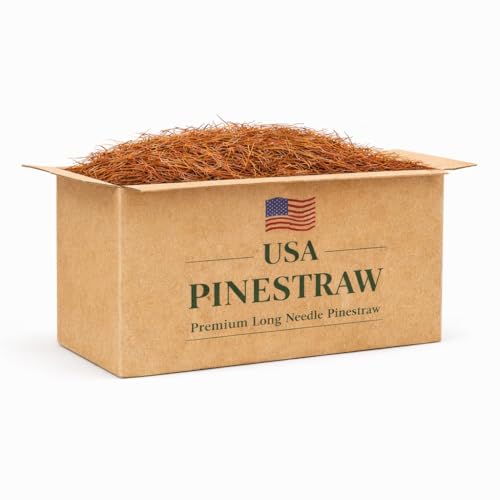
Long Needle Pine Straw Mulch 65-80 Sqft
The Strengths Of Each Pick
Coir-based mulches like this SuperMoss option behave like a moisture reservoir right at the crown line. The fine, fibrous texture settles into a snug blanket that suppresses weed seedlings without smothering emerging asparagus tips in spring. In a small raised bed, you can spread the full bag in a single layer and still have material left for top-ups during the growing season.
Compared with the larger pine straw option later in this list, coco coir breaks down faster, which means more frequent replenishment but also more organic matter feeding the rhizome. For gardeners with a tight 4×8 bed, that tradeoff usually works in your favor.
Reasons It Performs
- Fine texture creates even contact with the soil, reducing air gaps where weeds could germinate
- Coir holds moisture against the crown, which matters most during the first two seasons when roots are still establishing
- Natural brown color blends visually with most landscape designs and doesn’t draw attention in a front-yard bed
- Small bag size suits a single raised bed, so you avoid wasting leftover mulch in storage
Points To Keep In Mind
- At roughly 0.12 cubic feet per bag, coverage is limited; large in-ground plantings will need multiple units
- Coarser chips last longer as a mulch layer, so this fine grade may need refreshing midseason
Feature Snapshot
Right Fit For
Growers working with one small raised bed who want a tidy, fine-textured mulch that breaks down quickly into organic matter.
Reach For A Different Pick When
Long Needle Pine Straw Mulch is a better match for gardeners with a long, in-ground asparagus row who want a single application to last a full season.
Legigo’s coco chips arrive as two compressed bricks, which makes them easy to ship and store before the season starts. Once rehydrated, the chunks expand into a chunky, airy layer that drains freely around the crown. Asparagus roots dislike sitting in waterlogged soil, so that open structure is genuinely useful during wet springs.
The two-pack format gives you a head start on a midseason top-up without reordering. For most home beds, you can lay the first brick in early spring and reserve the second for late summer when the original layer has started to break down.
What Works In Its Favor
- Chunky texture allows air and water to pass through, reducing the risk of crown rot in heavy soil
- Two-pack quantity covers a modest asparagus bed and leaves material for a refresh later in the year
- Compressed format is shelf-stable, so you can keep a spare brick in the garage until needed
Soft Spots Worth Knowing
- Requires soaking before use, which adds an extra step compared with ready-to-spread straw
- Chunk size may shift around on sloped beds, so a flat planting site gets better results
Made For
Growers with heavy or slow-draining soil who want a mulch layer that won’t trap excess moisture against the crowns.
Look Elsewhere When
HealthiStraw GardenStraw suits gardeners who want a ready-to-spread option with no soaking step and broader coverage in a single bale.
Wheat straw is a classic asparagus mulch for a reason, and HealthiStraw leans into that history with a thoroughly cleaned, seed-screened bale. The 3 cubic foot volume covers a generous row, so most home growers won’t need more than one bag per spring application. Because the material has been filtered for dust and stray grain seeds, you get a tidy layer without worrying about volunteer wheat popping up between your ferns.
Straw also doubles as a soil builder once the season ends. As it decomposes, it adds carbon back into the bed, which can help balance out nitrogen-rich amendments you may have added earlier. For organic-focused gardeners, that closed-loop behavior is part of the appeal.
Good Reasons To Consider
- Pre-cleaned to reduce weed seed contamination, which is a real headache with cheaper straw
- Decomposes into compost-friendly carbon, supporting the bed’s long-term soil structure
- Loose texture shades the soil and slows evaporation during the heat of summer
Trade Offs
- Lightweight straw can drift in exposed beds, so wind protection helps
- Breaks down faster than woodier mulches, so plan on a fall top-up for perennial beds
Feature Card
Best Suited To
Home vegetable gardeners with a long asparagus row who want a traditional, compost-friendly mulch in a single ready-to-spread bag.
Swap It Out When
EZ-Straw Seeding Mulch with Tackifier is the better pick for beds exposed to strong winds, since the bonding agent keeps the straw from drifting.
Acostop’s straw is sun-dried rather than chemically treated, which fits the playbook of gardeners trying to keep their asparagus patch as close to organic as possible. The straw lays down in a loose, golden layer that breathes well, so emerging spears in spring push through without much resistance. You may find the color a touch brighter than aged straw, which can read as a fresh, deliberate look in an early-season bed.
Functionally it sits between the cleaned HealthiStraw and the bonded EZ-Straw on this list. It spreads easily, breaks down into the soil, and avoids synthetic binders, which is the main reason organic-minded growers gravitate toward it.
Features That Help
- Sun-dried processing avoids chemical treatments, supporting organic gardening goals
- Loose texture allows young spears to push through without obstruction
- Breaks down into the soil at season’s end, building organic matter over time
Some Limits To Know
- Bag volume isn’t specified in the source data, so plan a second bag for larger rows
- Without a tackifier, this straw will move in heavy rain or open sites
Whose Shelf It Belongs On
Organic-leaning gardeners who want a clean, untreated straw for a single asparagus row and don’t mind adding a windbreak on exposed plots.
Where A Sibling Pick Shines
Long Needle Pine Straw Mulch is a better match for growers who prefer a mulch that stays put for a full season without reapplication.
Halatool’s compressed bricks expand to roughly 7 quarts each, which is a meaningful jump over the smaller coir option at the top of this list. The pH-balanced and low-EC (low electrical conductivity, meaning fewer soluble salts that can stress roots) formula is friendly to sensitive root zones, and the chips themselves create a durable top layer that holds its shape through wind and rain. For asparagus planted near a patio or walkway, that stability also keeps stray chips from migrating onto hardscape.
The two-brick format mirrors Legigo’s approach, so you can hydrate one for spring and save the second for a midseason refresh. Most home growers with a 6×3 bed should comfortably cover the surface from a single brick.
Useful Strengths
- Low salt content and balanced pH protect young root systems from common stress
- Compressed bricks expand significantly, so storage footprint stays small
- Each brick measures roughly 7.87 x 3.93 x 1.97 inches before hydration, easy to stack in a shed
Worth Noting
- Like other coir products, soaking time before use adds a planning step
- Two-pack may be more material than a small container asparagus planting needs
Who Should Grab It
Container gardeners and small-plot growers who want a low-salt, pH-friendly mulch in a compressed format that’s easy to store between seasons.
Skip It When
Acostop Natural Dry Wheat Straw is the better fit for a traditional in-ground row where a quick, ready-to-spread layer matters more than salt content.
Plantonix’s 10-pound brick is the bulk option of this roundup, aimed at gardeners with established asparagus plots that need serious coverage. Hydrated, the chips expand into a thick, chunky blanket that handles foot traffic from harvest passes without compacting. The longer fiber length also means the layer resists washing away in a heavy downpour better than finer coir grades.
This brick works particularly well in larger raised beds where you can lay down a generous 2- to 3-inch layer once and let it slowly integrate. Compared with the smaller SuperMoss bag at the top of the list, the value per cubic foot of finished mulch improves noticeably at this size.
What Earns Its Place
- Larger brick size lowers the per-cubic-foot cost for big beds
- Chunk texture stays in place through rain and routine garden activity
- Organic coconut composition feeds the bed slowly as chips break down
Honest Caveats
- Hydration takes longer at this volume, so a wheelbarrow and water source help
- Too much brick for a single small bed, so share with a neighbor or split across two seasons
Quick Facts
Who Will Love This
Established asparagus growers with multiple raised beds or long rows who want bulk coir coverage at a lower cost per volume.
Consider Something Else When
HealthiStraw GardenStraw is easier to handle for first-time mulchers who don’t want to soak and break apart a heavy brick.
EZ-Straw tackles the single biggest complaint about loose straw mulch: it blows away. The added tackifier is a biodegradable bonding agent that gives the straw a slight stickiness, so it holds together on top of the bed instead of migrating into the lawn. Coverage extends up to 500 square feet from a 2.5 cubic foot bale, which handles most residential asparagus plantings with a single bag.
The straw is twice cut and processed, so application is genuinely easier than wrestling with a coarse farm bale. For gardeners in breezy suburban lots, that tackiness is the difference between re-mulching monthly and a single spring application that survives summer.
The Practical Payoff
- Tackifier holds straw in place through wind and rain, reducing seasonal reapplication
- Biodegradable bonding agent breaks down without harming soil biology
- Twice-processed straw spreads evenly without the clumping of coarser bales
Practical Considerations
- Bonding agent is designed to hold seed in place, so it can crust slightly after heavy watering
- 2.5 cu ft may be more than a single small bed needs, but leftover stores well in the UV-protected bag
Perfect Match For
Growers with exposed or breezy asparagus beds who need a straw mulch that stays put without pinning it down manually.
Where Another Pick Suits Better
HealthiStraw GardenStraw is the right call for gardeners who prefer a tackifier-free straw and want compost-friendly material without any bonding residue.
Pine straw behaves differently from wheat straw and coir, and that difference matters in a perennial bed. The long needles interlock into a loose mat that sheds water rather than absorbing it, so the underlying soil stays evenly moist without staying wet. Asparagus actually prefers slightly acidic soil, and pine straw gradually nudges pH in that direction, which is why so many old homestead patches rely on it.
One set covers roughly 65 to 80 square feet, which fits a typical backyard asparagus row. The material also holds its color and structure longer than wheat straw, so a single spring application often carries through the full harvest season. Compared with the cleaner wheat options earlier in the list, pine straw trades a tidier appearance for longevity and natural weed suppression.
A Few Highlights
- Interlocking needles form a stable mat that resists wind and washout without any tackifier
- Naturally supports slightly acidic soil, aligning with asparagus’s preferred pH range
- Long-lasting structure means fewer midseason top-ups than wheat straw or coir
Points To Weigh
- Tan, dry look may read as “forest floor” rather than a manicured vegetable bed
- Highly flammable when dry, so keep it away from grills, fire pits, and hot equipment
Right Fit For
Growers in slightly acidic soils who want a single spring application to last through harvest with minimal maintenance and no midseason top-up.
Not Your Match When
Acostop Natural Dry Wheat Straw is a more natural choice for gardeners who prefer the brighter, traditional look of golden straw in a kitchen garden.
What Matters Most When Choosing Mulches For Asparagus Bed
Asparagus is a perennial that expects to stay in place for 15 to 20 years, so the mulch you pick needs to support that long horizon, not just one season.
Matching Material to Climate
Straw-based mulches shine in cold-winter regions where the layer insulates dormant crowns against freeze-thaw swings. Coir chips work better in mild, wet climates where drainage matters more than insulation. Pine straw falls in the middle, offering both insulation and a long-lasting structure, and it suits gardeners with naturally acidic soil. Knowing your USDA hardiness zone and average rainfall in shoulder seasons is the most useful starting point.
Density and Decomposition Rate
Fine coir breaks down fastest, which feeds the bed quickly but requires refreshes. Wheat straw sits in the middle, decomposing over a single growing season. Pine straw lasts longest, often holding shape for a full year before noticeable breakdown. If you mulch once and forget, lean toward longer-lasting materials. If you actively amend the bed each fall, faster-decomposing options integrate into the soil with less end-of-season cleanup.
Practical Handling
Compressed bricks save shelf space but need soaking, which adds an hour of prep time. Loose straw spreads immediately but arrives in a bulky bale. EZ-Straw’s tackified bale splits the difference, with bonding that holds the material in place after spreading. For gardeners with limited storage, a compressed brick is usually the easier pick.
Key Considerations Across These Picks
Pitfalls Shoppers Hit
One common misstep is laying mulch directly against emerging spears in spring, which can cause the tips to rot or fork. Asparagus prefers a clear inch of bare soil right at the crown with mulch starting a few inches out. Another frequent error is over-applying a thick layer to smother weeds, which instead smothers the asparagus itself. A 2- to 3-inch layer is plenty.
Where The Extra Money Goes
Premium options like tackified straw and large compressed coir bricks cost more per bag, but the difference shows up in convenience and longevity. Tackifier saves multiple reapplications, and a 10-pound coir brick covers a larger bed for less per cubic foot than smaller bags. For a single small raised bed, the value equation flips, and the smaller sizes make more sense.
