

Bare soil and freshly scattered seed do not stay put on their own. Wind lifts the lighter seed, sun bakes the surface, and birds treat your work like a buffet. A good layer of mulch locks seed in place, holds moisture where roots need it, and gives you a real shot at even germination.
These eight options cover the most common new-lawn situations, from small patch repairs to larger reseeding projects. Straw, coconut coir, and all-in-one repair mixes each bring a different texture, weight, and lifespan. Your soil, slope, and patch size will point you toward the right one.
A Closer Look At The Lineup

EZ Straw Seeding Mulch with Tack Bale

PlantBest Coco Mulch Compressed Block 9.1 lb

HealthiStraw GardenStraw 3 cu ft All-Natural Mulch
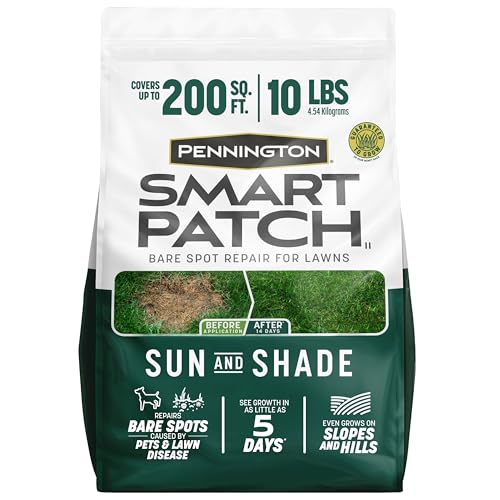
Pennington Smart Patch Sun and Shade Mix 10 LB

Blue Mountain Hay Organic Garden Straw 25lb

Acostop Natural Dry Wheat Straw

Pennington Smart Patch Tall Fescue 5 lb Jug

Halatool Coco Husk Chips 2-Pack
Why These Options Stand Out
The EZ Straw bale is built for the messy reality of a freshly seeded lawn. A tackifier, which is a natural bonding agent that gives straw a slightly sticky feel, helps the fibers knit together so a gust of wind does not scatter your seed across the driveway. For most sloped yards or open lots, that single feature is worth more than a thicker blanket of plain straw.
One bale covers roughly 250 square feet, so a small front lawn might need two. The UV-protected bag with a built-in handle is a thoughtful touch for anyone who has hauled loose bales before.
Practical Advantages
- Tackifier bonding helps straw stay put through wind and rain
- Processed straw lays down evenly and breaks down naturally into the soil
- UV-protected bag with handle survives outdoor storage between projects
- Shields seed from heavy washout, birds, and curious pets
Points To Note
- Coverage assumes a thin layer, so larger lawns will need multiple bales
- Tackifier works best when watered in thoroughly after application
Quick Facts
Who Will Love This
Homeowners reseeding a sloped or exposed lawn who need straw that actually stays where you put it.
Look Elsewhere When
The PlantBest Coco Mulch Compressed Block suits gardeners working smaller beds where straw feels too loose and bulky.
PlantBest ships a 9.1-pound compressed brick of coconut coir that fluffs up to roughly 64 quarts once you add water. That single detail solves the biggest complaint about traditional mulch: hauling 50-pound bags from the car to the backyard. You carry one brick, drop it in a wheelbarrow, hydrate, and spread.
Compared with the straw-based EZ Straw bale, this option trades loose fibers for a denser, longer-lasting mat. It works well for spot seeding in garden beds where you want the mulch to stay visible through the season.
Everyday Perks
- Lightweight brick replaces bulky bags for easier transport
- Expands in minutes once water is added, saving setup time
- Coir texture holds moisture longer than straw in dry spells
- Covers up to about 17.5 sq. ft. from a single block
Trade Offs
- Expansion volume can vary slightly depending on how much water you add
- Denser mat may mat down if overwatered during germination
Feature Snapshot
Right Fit For
Apartment and townhome gardeners with small beds who want mulch without wrestling heavy bags up stairs.
Skip It When
The HealthiStraw GardenStraw is a better match for larger reseeding jobs where you need broader coverage in one pass.
HealthiStraw markets a thoroughly cleaned wheat straw designed to feel more like a gardening product and less like farm leftovers. The 3-cubic-foot bag is filtered to strip out dust and as many residual seeds as possible, which matters when you are mulching near a vegetable bed you do not want contaminated.
It also doubles as a compost ingredient once it has done its seeding job. Used straw breaks down into carbon-rich material that balances nitrogen-heavy kitchen scraps. For most home gardeners juggling reseeding and compost duty, that flexibility is the draw.
Useful Touches
- Filtered straw minimizes weed seeds and dust
- Moisture retention reduces watering frequency during germination
- Doubles as carbon-rich compost material at season end
- Safe for vegetable, herb, flower, and fruit beds
Honest Caveats
- Straw fibers break down faster than coconut coir
- Bag is bulky, so storage takes up shed space
Core Details
Made For
Vegetable gardeners and homeowners who want one mulch that works across beds and reseeding patches.
Reach For A Different Pick When
The EZ Straw Seeding Mulch with Tack is the better choice on steep slopes where plain straw would slide.
Pennington Smart Patch takes a different route than the rest of this list. It bundles grass seed, starter fertilizer, and mulch into a single mix, so you are not buying three separate bags and trying to balance application rates. For a yard with mixed sun and shade, the blend is built to handle both conditions without forcing you to choose one.
The 10-pound bag covers up to 600 square feet, so it suits larger bare patches and dog-spot repairs. The included microbials are meant to support root development and crowd out disease pressure during the vulnerable establishment phase.
The Practical Payoff
- All-in-one formula removes the guesswork of matching seed and mulch rates
- Sun-and-shade blend handles mixed light conditions in one lawn
- Microbial additive supports root health during establishment
- Covers up to 600 sq. ft. for substantial repairs
Points To Keep In Mind
- Pre-blended mulch limits you to the included seed variety
- 10 lb bag is awkward to carry for some users
Best Suited To
Homeowners tackling larger repair jobs where buying seed and mulch separately feels like too much coordination.
Swap It Out When
The Pennington Smart Patch Tall Fescue 5 lb Jug fits smaller spot repairs where a 10-pound bag is overkill.
Blue Mountain Hay ships a 25-pound bag aimed at bigger reseeding jobs and garden bed coverage. Where smaller straw bags leave you running back to the shed for a second or third, this one stretches further per haul. The organic sourcing also matters to anyone managing a vegetable plot without synthetic inputs.
You will still get the same kind of loose straw behavior as the EZ Straw bale, just without the tackifier. On flat ground that is fine. On a hill, you may find it wants to migrate downhill before the seed takes root.
Practical Pluses
- 25 lb bulk size covers more ground with fewer trips
- Organic sourcing fits chemical-free gardening setups
- Supports moisture retention and soil temperature regulation
Where It May Fall Short
- No tackifier means it can shift on slopes
- Bulk bag requires dry storage space
Quick Technical Notes
Whose Shelf It Belongs On
Homeowners managing larger reseeding projects or multiple garden beds who want one bag to last.
Not Your Match When
The EZ Straw Seeding Mulch with Tack is the safer pick for sloped ground that needs a bonding agent.
Acostop takes wheat straw and frames it for a slightly different audience. The product listing points toward garden mulch use but also mentions shelter bedding for outdoor cats and dogs. The straw is sun-dried with no chemical treatments and is meant to break down safely into the soil.
For yards where pets roam, that dual purpose has practical appeal. You can cover a seeded patch and keep a bit on hand for a pet shelter or kennel floor. Compared with the heavier Blue Mountain Hay bag, this is a more compact option for smaller mixed-use needs.
What Earns Its Place
- Chemical-free straw safe around edible gardens
- Sun-dried texture reduces mold risk in pet shelter use
- Breaks down into soil-friendly organic matter
Small Caveats
- No tackifier, so loose application may shift
- Smaller format than bulk straw options for big reseeding jobs
Perfect Match For
Pet owners who want one bag that covers a small reseeding patch and doubles as outdoor pet bedding.
Consider Something Else When
The PlantBest Coco Mulch Compressed Block is a cleaner pick for ornamental beds where straw texture feels too rustic.
The 5-pound jug is the smaller sibling of the Pennington Smart Patch Sun and Shade Mix. It follows the same all-in-one logic of seed, fertilizer, and mulch bundled together, just sized for a quick patch repair instead of a full reseeding. The jug format also makes it easier to shake out evenly over a small area.
Tall fescue is the seed of choice here, which leans cool-season and tolerates heat reasonably well. For most spot repairs where you want a known seed type without buying in bulk, this jug hits a sweet spot.
Strengths Worth Knowing
- All-in-one format keeps spot repairs simple
- Jug design supports even application over small patches
- Tall fescue handles a range of conditions
Room For Improvement
- Coverage is limited compared to the 10 lb version
- Pre-blended mulch ties you to the included seed variety
Built With In Mind
Homeowners handling a handful of bare spots who want fast application without separate seed and mulch bags.
Where A Sibling Pick Shines
The Pennington Smart Patch Sun and Shade Mix 10 LB covers much larger areas when one jug is not enough.
Halatool’s two-pack of compressed coco husk chips lands at the ornamental end of the mulch spectrum. Each brick expands to roughly 7 quarts once hydrated, and the chunkier chip texture looks tidy around shrubs, herbs, and flower beds. Low EC (electrical conductivity, a measure of soluble salt content) and pH-balanced coir make it gentle on tender roots.
Unlike straw, which fades into the soil in a season, coco chips hold their structure for much longer. That makes them a smart pick for decorative pathways and permanent bed borders where you want the mulch to look intentional for months.
Useful Highlights
- Chunky chip texture creates a tidy, decorative finish
- Low EC and balanced pH suit a wide range of plants
- Compressed bricks are easy to store until needed
- Long-lasting structure compared to straw mulch
Some Limits To Know
- Chip texture is heavier than straw for large reseeding areas
- Less ideal as a primary cover for fine grass seed beds
Feature Overview
Who Should Grab It
Gardeners focused on ornamental beds and pathways who value appearance and longevity over fast breakdown.
A Better Fit Elsewhere
The HealthiStraw GardenStraw is the more practical option for lawn reseeding where you want quick decomposition.
Picking The Right Mulch For Your Lawn
Match The Mulch To Your Site
Sloped ground behaves differently than flat lawn. A straw mulch without a bonding agent will migrate downhill with the first hard rain, taking seed with it. Look for tackifier-treated straw on any hill, even a gentle one. On flat ground, plain straw or wheat straw works fine.
Bed size matters too. Coconut coir bricks shine in small ornamental spaces because you only need one or two. For larger reseeding, a bulk straw bag stretches further per dollar and lays down faster across wide areas.
Think About What Happens After Germination
Straw breaks down into organic matter within a few months, which feeds the soil but also means you will not see the mulch long. Coconut coir and coco husk chips last much longer, sometimes a full growing season, which is great for appearance but means slower nutrient return.
If you plan to compost at season end, straw fits naturally into a carbon layer. Coir chips can go in too, just expect them to take longer to break down.
Consider Seed Compatibility
Pre-blended repair products like Pennington Smart Patch tie you to the included seed variety. That is fine for mixed sun-and-shade lawns or generic tall fescue coverage, but limits you when you want a specific cultivar. Separate straw or coir plus your own seed gives more control over grass type.
Storage And Handling
Bulk straw bags take up significant shed space. Compressed coir bricks collapse to a fraction of their expanded size, which helps anyone working with limited storage. A jug-format repair product like the 5 lb Smart Patch jug stores compactly on a shelf until needed.
Key Considerations Across These Picks
Where Shoppers Go Wrong
The most common slip is underestimating coverage. A 1-cubic-foot straw bale looks like a lot in the bag but spreads thinner than expected across bare soil. You may find yourself a bale short halfway through the project. Measure your lawn area first and round up.
Another trap is ignoring slope. Plain straw on a hill will end up at the bottom after a storm. If your yard has any grade, reach for a tackifier-treated option like the EZ Straw bale, or anchor loose straw with biodegradable netting.
Where The Extra Money Goes
Higher-tier options earn their cost through packaging and processing. Tackifier-treated straw costs more per bale but saves you from reseeding washed-out patches. Compressed coir bricks cost more upfront than loose mulch but collapse for easy storage and one-person handling. All-in-one repair blends cost more per pound than bulk seed, but you skip the math of balancing separate products.
For small patch repairs, the convenience often justifies the upgrade. For full-lawn reseeding on flat ground, plain straw still gets the job done.
Frequently Asked Questions
How much mulch do I need for a new lawn?
Coverage depends on the product. A 1 cu. ft. straw bale typically covers around 250 square feet at a thin layer. For a 1,000 sq. ft. reseeding, plan on roughly four bales or one large bulk bag. Coir products expand several times their compressed size, so check the expanded volume on the label.
Can I use regular straw instead of seeding straw?
Regular straw works in a pinch, but seeding straw is usually processed to remove weed seeds and dust. Plain farm straw may introduce unwanted seed into your lawn. If you go with farm straw, expect to weed more during establishment.
How long should mulch stay on new grass?
Most straw mulch breaks down naturally within four to eight weeks, which lines up with grass reaching mowing height. Coir and coco chips last much longer. Once the grass is established and growing strongly, you do not need to remove leftover mulch.
Should I water mulch after spreading it?
Yes. Watering the mulch layer right after application helps settle it, activates any tackifier, and brings moisture to the seed underneath. For the first two weeks, keep the area consistently moist rather than soaking it.
Can I use mulch on shaded lawn areas?
Mulch works in shade, but shady spots stay wet longer. Apply a thinner layer to avoid smothering seedlings in low-airflow areas, and watch for fungal issues during cool, damp weather.
Wrap Up
The right mulch for grass seed depends on slope, patch size, and how much storage you have to work with. Tackifier-treated straw is the safe pick for exposed yards, compressed coir wins in small beds, and all-in-one repair blends simplify spot fixes. Match the product to your situation, water it in well, and the seed underneath has a real chance to take hold.
