

Raised beds give you cleaner soil, fewer weeds, and far less bending, yet the mulch you spread on top quietly decides whether the bed thrives or struggles through a hot July. The right cover holds moisture when rain skips a week, keeps roots cool, and feeds the bed as it breaks down. Pick the wrong one and you fight runoff, weeds, and constant re-topping. This shortlist pairs classic straw and coco-coir options with a woven weed barrier, so you can match the bed to your climate, your watering routine, and the crops you actually grow.
How The Shortlist Stacks Up

SuperMoss Coco Mulch 200 in³ (Natural Brown)

Legigo 2 Pack Coco Chips 2.2 lb

HealthiStraw GardenStraw 3 cu ft (20 lbs)
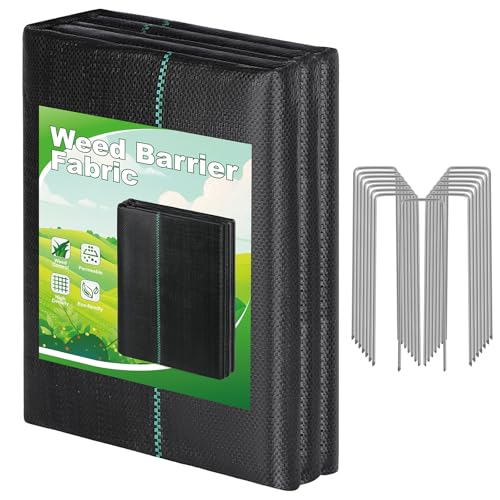
FEED GARDEN Weed Barrier 4ft x 50ft

Blue Mountain Hay Organic Garden Straw 5 lb

Halatool 2 Pcs Coco Husk Chips 2.2 lb

EZ-Straw Seeding Mulch 2.5 cu ft with Tackifier

PlantBest Coco Mulch Compressed Block 9.1 lb
Taking A Closer Look At The Options
Small raised beds and herb planters often need only a thin blanket of cover, and the SuperMoss Coco Mulch 200 in³ (Natural Brown) fits that role without weighing down a shelf or bench. The compressed bale expands into a fine, fibrous layer that hugs seedlings without burying them. It carries a natural brown tone that reads decorative rather than utilitarian, useful for front-yard herb boxes where appearance matters as much as function.
Compared with the larger PlantBest block coming later in this list, this one trades coverage for convenience. You carry a single small bale to the bed instead of wrestling a 9 lb brick and a bucket of water. For a balcony gardener tending a few pots and a 4×4 raised bed, that trade usually makes sense.
Useful Highlights
- Compact 200 in³ format fits tight storage and small beds
- Natural brown color blends with wood bed frames and stone borders
- Coir fibers stay loose, so water and air pass through easily
- Lightweight bale is friendly for anyone who cannot lift heavy bags
Points To Note
- 200 in³ covers only a thin layer on a single small bed, so larger layouts need several bales
- Coir dries out at the surface during long dry spells and benefits from a quick misting
Who It Suits Best
Apartment gardeners running a couple of herb planters and one compact raised bed will get the most out of the small format.
Where Another Pick Suits Better
The PlantBest Coco Mulch Compressed Block 9.1 lb is a better fit for anyone with a long row of perennial beds needing 17+ square feet of coverage from a single purchase.
Chunky coir chips behave differently from finely shredded mulch: they create air pockets around roots, drain fast after rain, and resist matting. The Legigo 2 Pack Coco Chips 2.2 lb arrives as two rinsed, low-salt bricks that are screened to remove fines. That matters for orchids, seedling trays, and tropical beds that hate soggy conditions.
Where the SuperMoss bale earlier in this list reads as a decorative top dressing, the Legigo chips work more like a soil amendment. You can blend them into the bed itself or layer them on top, and the same two-pack often covers a 2×4 raised bed when spread about an inch deep.
A Favorable Mix
- Pre-rinsed to cut sodium and chloride, which can stress sensitive roots
- Chip texture improves drainage in heavy native soil blends
- Two-pack format lets you open one brick now and store the other dry
- Biodegradable, so old chips work into compost at season’s end
Honest Caveats
- Chips can dry out at the surface between waterings and wick moisture away from shallow-rooted seedlings
- Once wet, the bricks are heavy to carry in a single trip from the tap
Quick Facts
Right Fit For
Orchid growers and seed starters who value drainage and clean inputs over heavy moisture retention will appreciate the chunky texture.
Reach For A Different Pick When
HealthiStraw GardenStraw 3 cu ft suits vegetable growers better, since straw holds moisture longer for thirsty crops like tomatoes and squash.
For vegetable raised beds that run through a full summer of tomatoes, peppers, and leafy greens, wheat straw has long been the practical default, and HealthiStraw GardenStraw 3 cu ft (20 lbs) cleans up that formula. The straw is filtered to pull out dust and as many residual seeds as possible, then bagged at 3 cubic feet per pack. A thick two-inch layer over a 4×8 bed usually calls for one or two bags depending on depth.
The headline benefit is moisture. A well-laid straw layer slows evaporation at the soil surface and keeps roots cooler through the hottest weeks, which translates into fewer watering trips. By season’s end the straw breaks down and adds carbon to the compost pile, so the bed finishes richer than it started.
What Works In Its Favor
- 3 cu ft volume covers a full 4×8 bed at a meaningful depth
- Filtering removes most residual weed seeds before they reach your bed
- Straw breaks down quickly and feeds compost at season end
- Safe to handle around food crops without synthetic concerns
Trade-Offs To Consider
- Loose straw can drift on exposed, windy sites, so pairing with a tackifier like EZ-Straw can help
- Some straw still carries a small seed fraction that may sprout in damp conditions
Who Will Love This
Vegetable gardeners managing multiple raised beds and steady summer watering schedules will get the most out of a 3 cu ft bag.
A Better Fit Elsewhere
EZ-Straw Seeding Mulch 2.5 cu ft with Tackifier is a smarter choice on a windy slope, since its tackifier keeps straw in place through storms.
The FEED GARDEN Weed Barrier 4ft x 50ft takes a different angle from the rest of this shortlist: it sits underneath mulch, not on top. Laid across a new raised bed before soil goes in, the woven geotextile lets water and air move down to the roots while blocking light from reaching dormant weed seeds below. The 4 by 50 ft roll trims easily with scissors or a utility knife.
The fabric also earns its place under gravel paths and stone borders around a raised bed. Spreading bark or gravel directly on bare soil usually means a season of pulling weeds through the stones, and this barrier buys years of low maintenance when paired with a clean top layer.
Real-World Strengths
- Woven geotextile construction holds up under bark, gravel, and stone
- Permeable weave allows rainfall to soak in rather than run off the surface
- Long 50 ft roll covers multiple beds or one continuous path edge
- Includes 15 staples to anchor the fabric against shifting soil
A Few Limitations
- Not a mulch on its own: it must be covered with straw, wood chips, or gravel to avoid UV wear
- Cuts require a sharp blade and a flat surface to keep edges tidy
Feature Snapshot
Built With In Mind
New bed builders laying out a weed-free foundation and homeowners installing gravel pathways will benefit most from a long woven roll.
Swap It Out When
Anyone simply looking to top-dress an established bed should skip this and reach for HealthiStraw GardenStraw 3 cu ft instead.
The Blue Mountain Hay Organic Garden Straw 5 lb covers the smaller end of mulching jobs: a single small bed, a strawberry patch, or a recently seeded lawn patch where you want a soft protective layer. At 5 pounds, the bale is light enough to carry in one hand and easy to fluff apart before spreading.
Compared with the 20 lb HealthiStraw bag earlier, this one trades depth for portability. You will need multiple bales for a thick layer on a full-size vegetable bed, but for a quick cover on a lawn repair or a small herb bed it works without dragging out wheelbarrow logistics.
What Stands Out
- 5 lb bale is genuinely portable for one-trip shopping and hauling
- Soft straw texture is gentle on new grass shoots and tender seedlings
- Organic sourcing suits food gardens and pollinator beds
- Spreads quickly by hand without specialized tools
Things To Consider
- Smaller bag means more frequent repurchase on larger beds
- May contain a few stray seeds despite cleaning efforts
Made For
First-time gardeners running a single small bed and lawn repair projects benefit from the easy-to-handle 5 lb format.
Look Elsewhere When
HealthiStraw GardenStraw 3 cu ft is a better match for multi-bed vegetable gardens that need deeper coverage with fewer restocking trips.
The Halatool 2 Pcs Coco Husk Chips 2.2 lb sits in a similar lane to the Legigo chips reviewed earlier, but with a slightly different expansion profile. Each of the two compressed bricks measures roughly 7.87 by 3.93 by 1.97 inches and fluffs out to about 7 quarts of usable coir once hydrated. That makes budgeting coverage on a 4×4 raised bed much more predictable.
Low EC (electrical conductivity, a quick read on salt content) and a pH-balanced claim mean the chips are friendlier to herbs and ornamentals than untreated coir, and the chunk size keeps the bed airy through summer storms. For tropical beds, herb planters, or anywhere you want mulch that resists compaction, this format covers the brief.
Notable Upsides
- Each brick expands to roughly 7 quarts, simplifying coverage planning
- Compressed format is light to ship and easy to store dry
- Low EC reading protects herbs and ornamentals sensitive to salts
- Chip shape holds air pockets that discourage soil compaction
Practical Considerations
- Coir chips wick moisture away from surface plantings if not topped with a finer mulch
- Hydration takes planning, since you need a bucket and water on hand before spreading
Core Details
Perfect Match For
Herb gardeners and tropical-plant growers wanting chunky, well-draining mulch over finer shredded alternatives will appreciate the chip format.
Consider Something Else When
Vegetable gardeners chasing moisture retention over drainage should reach for HealthiStraw GardenStraw 3 cu ft instead.
Loose straw has one consistent weakness: a strong gust can scatter it before it ever settles. The EZ-Straw Seeding Mulch 2.5 cu ft with Tackifier solves that problem by including a biodegradable bonding agent that gives the straw a tacky feel once watered in. The bale covers up to 500 square feet when spread thinly, which is generous for a single raised bed or a lawn patch.
For new lawns and sloped beds, that bonding agent makes the difference between seed that stays put and seed that washes into the corners. Twice-cut straw also spreads more evenly by hand than longer straw fibers, so first-time spreaders get a tidier result without rakes and special tools.
Advantages To Know
- Tackifier holds straw through heavy rain and steady wind
- Up to 500 sq ft of coverage from a single 2.5 cu ft bale
- Twice-cut straw spreads smoothly by hand
- Bonding agent is biodegradable and breaks down within months
Trade-Offs
- Tackifier requires watering-in to activate, so dry spreading alone will not lock it down
- Bag is UV-protected plastic, but long outdoor storage can degrade the packaging over time
Whose Shelf It Belongs On
Gardeners working with sloped beds, exposed lawns, or windy corners will value the bonding agent more than a plain straw bale.
A Better Fit Elsewhere
For flat, sheltered vegetable beds where wind is not a worry, plain HealthiStraw GardenStraw 3 cu ft is more economical.
The PlantBest Coco Mulch Compressed Block 9.1 lb is the heavyweight of the shortlist and the right pick when you have a long row of perennial beds to cover in one go. A single 9.1 lb brick expands to roughly 64 quarts, which covers up to 17.5 square feet at a meaningful two-inch layer. That math matters when you are trying to top-dress several large beds from one purchase.
Hydration is the trade-off. You need a wheelbarrow or large tub, a hose, and a few minutes for the brick to break apart before spreading. Once fluffed, the coir behaves much like the smaller SuperMoss bale reviewed first, just at a scale that suits established landscapes rather than balcony herb planters.
What Makes Sense
- One brick replaces several bulky bags, simplifying transport and storage
- Up to 17.5 sq ft of coverage per brick reduces trips to the retailer
- Organic coir is gentle around ornamentals, trees, and food crops
- Compressed format keeps a garage or shed organized until needed
Possible Compromises
- Hydration step requires a tub, water, and about 10 minutes of patience before spreading
- Heavier 9.1 lb brick is less convenient for anyone with mobility limits
Feature Rundown
Best Suited To
Homeowners managing several established raised beds or large perennial borders will get the most coverage per dollar from the bigger block.
Skip It When
Small-space gardeners maintaining a single balcony planter should choose SuperMoss Coco Mulch 200 in³ instead.
What To Weigh Before Picking Your Mulch
Raised beds change the math on mulch because the soil sits above ground, drains faster, and warms up sooner in spring. A loose, airy cover holds moisture where roots actually live instead of letting it evaporate sideways. Think about how often you water, what you grow, and how visible the bed is from a window or patio.
Vegetables and herbs usually want a moisture-retentive cover that breaks down into compost, and wheat straw covers that brief cleanly for most home growers. Tropical beds, orchids, and Mediterranean herbs prefer chunky coir that drains fast and resists compaction. Decorative beds near a patio benefit from a tidy color and a clean texture, which is where compressed coco mulch earns its place on appearance alone.
Climate matters as much as crop choice. Hot, dry regions reward thicker layers and any cover that holds water through long afternoons. Windy sites call for tackified straw or chunky chips that stay put. Shaded beds under tree canopy dry slowly and need lighter coverage to avoid keeping roots too damp. Pair the mulch format with the bed’s microclimate rather than buying on habit.
Storage and handling often decide the choice in practice. Compressed bricks save space but require a bucket of water before spreading. Loose straw spreads quickly but blows around until watered in. Woven weed barrier fabrics sit underneath everything and only matter at bed setup or pathway renewal. Match the format to your patience, your water source, and how often you actually top-dress during the season.
Key Considerations Across These Picks
Pitfalls Shoppers Hit
A common misstep is buying decorative bark or dyed mulch for a food raised bed, where color treatments and slow breakdown can interfere with soil life. Another is laying straw too thin, less than an inch deep, which lets sunlight reach the soil and germinate fresh weed seeds. Skipping a barrier under gravel paths is also tempting, and almost always means a season of pulling weeds through stones before giving up and pulling the stones themselves.
Where The Extra Money Goes
Compressed coco blocks and tackified straw cost more per bag than loose straw, yet the extra spend buys logistics rather than mulch volume. A single brick replaces several bulky bags, which matters when you cover multiple beds in one afternoon. Tackifier keeps straw where you spread it, which matters on any bed exposed to wind. Higher-tier options earn their place when coverage scale, weather exposure, or bed appearance justify the added convenience.
Frequently Asked Questions
How thick should mulch be in a raised bed?
Most raised beds benefit from a 2 to 3 inch layer of loose mulch, while finer covers like coir can sit closer to 1 to 2 inches. Thicker layers risk keeping the soil too damp in shaded beds, while thinner layers let moisture evaporate quickly under summer sun.
Can you mix straw and coco mulch in the same bed?
Yes, and pairing a moisture-retentive straw base with a decorative coir top layer is a common approach. The straw holds water near the roots while the coir keeps the surface tidy and resists light splashing during rain.
How often should raised bed mulch be refreshed?
Lightly top-dress once or twice per growing season, and plan a fuller refresh each spring as soil settles. Straw breaks down faster than coir, so a vegetable bed may need topping midseason while a perennial bed can go a full year between refreshes.
Is weed barrier fabric necessary under mulch?
Woven barrier fabric is most useful under gravel paths and stone borders where weeds are hard to pull. For vegetable beds, a thick mulch layer alone usually keeps weeds in check without fabric, and adding fabric can interfere with soil amendments later.
Does cocoa mulch harm pets?
Cocoa mulch can be risky around dogs that eat bedding material, since residual compounds affect some pets differently. For households with curious pets, wheat straw is generally a safer top dressing for the same raised bed.
Wrap Up
Your bed, your crops, and your weather decide the right mulch more than any spec sheet. Match loose straw to vegetable beds that need moisture held through long summers, chunky coir to herbs and tropicals that prefer air around their roots, and woven barrier fabric to gravel paths and stone borders where weeds love to hide. Pick the format that fits your watering routine, refresh it as the season asks, and the bed will reward you with cleaner soil and steadier harvests.
