

Subterranean termites show up where wood meets damp soil, and the right ground cover can make a real difference around foundations, raised beds, and garden borders. This roundup pulls together eight products that fit a termite-conscious yard, from all-natural wheat straw and cedar granules to soil-applied treatments and bait stations. You’ll find options for gardeners who want organic inputs alongside tougher chemical tools for ongoing prevention. Use it as a starting point and match each pick to your soil type, the size of your treatment zone, and how hands-on you want to be.
A Quick View Of The Lineup

HealthiStraw GardenStraw 3 cu ft All-Natural Mulch

Bifenthrin-Plus-C Insecticide, 96 oz
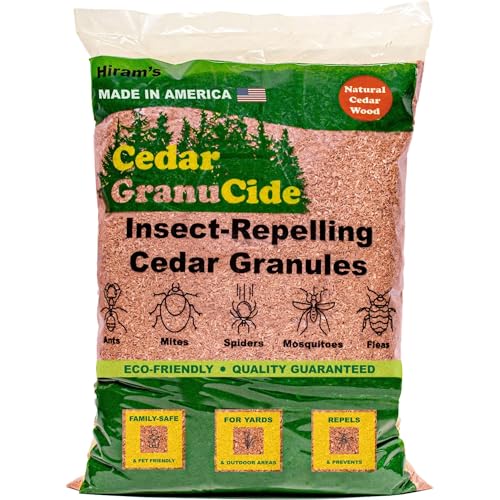
GranuCide Cedar Granules 8 lbs Bag

BASF Trelona Compressed Termite Bait 6 Cartridges

Ortho Home Defense Termite & Bug Killer Concentrate 16 oz
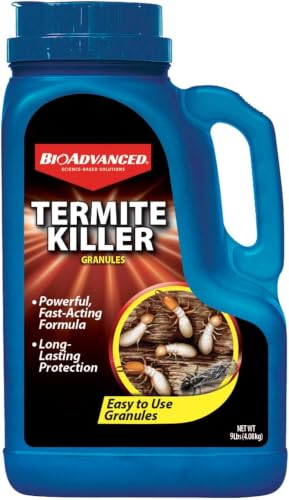
BioAdvanced Termite Killer Granules 9 lb

Bonide Termite & Carpenter Ant Killer 128 oz

Brut Organic Aspen Mulch 10 QT
A Deeper Look At The Lineup
For gardeners who want a clean, organic layer without chemical treatments, this wheat-straw mulch is a practical starting point. Each 3 cu ft bale spreads easily over vegetable rows, raised beds, and reseeded lawn patches, and the straw has been screened to reduce dust and stray seeds compared to baled field straw.
Unlike the cedar granules covered later, this mulch breaks down quickly and feeds the soil as it decomposes, which matters more to edible beds than to perimeter defense. For most home gardens, that trade-off is exactly what you want.
Notable Upsides
- Sustainably sourced wheat straw that decomposes into compost-friendly organic matter over a season.
- Screening process removes most dust and seed content, so you get fewer surprise weeds in your beds.
- Acts as a moisture-retentive top layer that can meaningfully cut watering frequency in summer beds.
- Versatile across vegetables, herbs, flowers, and reseeding bare lawn patches in the same yard.
Points To Consider
- As a cellulose mulch, it breaks down faster than bark, so expect to top-dress beds at least once per growing season.
- Not formulated specifically to repel termites; pair with a perimeter treatment if your region has heavy subterranean pressure.
Quick Facts
Made For
Edible-garden growers and lawn-repair DIYers who want a clean organic layer without chemical odor or residue.
Consider Something Else When
If subterranean termite pressure is your main concern, the GranuCide Cedar Granules will add aroma-based repellency that this wheat straw does not provide.
Moving from organic straw to a liquid concentrate, this bifenthrin-based option targets soil-dwelling pests around foundations, fence lines, and mulched beds. The 96 oz bottle is sized for whole-perimeter treatments, mixing into a pump sprayer for even ground coverage.
It serves a different role than the bait cartridges reviewed later. Where Trelona works slowly through ingestion, this is a contact-and-residual barrier you apply where termites travel. For homes with a visible mud tube or recurring swarm evidence, that dual-action approach can fit a broader integrated plan.
Where It Excels
- Larger 96 oz format that handles full-perimeter applications without constant refills.
- Targets multiple soil pests in one pass, so you can treat more than just termite travel paths.
- Liquid form mixes easily with standard pump sprayers for controlled ground application.
Worth Noting
- Requires mixing and a dedicated sprayer, which adds setup for first-time users.
- As a chemical concentrate, it needs careful handling around pets, kids, and edible beds; always follow the label.
Best Suited To
Homeowners with prior experience handling pest concentrates who want broad-spectrum perimeter defense around the foundation.
Look Elsewhere When
If you want a non-chemical routine you can scatter and water in, the BioAdvanced Termite Killer Granules offer a lower-effort alternative for the same goal.
Cedar’s natural oils have long been associated with deterring a range of crawling insects, and these untreated cedar granules lean into that aroma without synthetic additives. The 8 lb bag is sized for scattering around foundation edges, garden borders, and entry points like gate posts.
Where the HealthiStraw mulch reviewed earlier feeds soil biology, this one’s job is different. You’re layering a scent barrier that disrupts insect travel, with the bonus of a pleasant woodsy smell. In most yards, you’ll refresh the granules after heavy rain or every few weeks for steady scent coverage.
Notable Gains
- Aroma-based deterrent that avoids the handling concerns of liquid concentrates.
- Made from untreated cedar, suitable around households with children and pets when used as directed.
- Doubles as a light landscape accent in flower beds and along walkways.
- Scatters easily without special equipment, even in tight perimeter corners.
Honest Caveats
- Effectiveness drops after rain or heavy watering, so expect to refresh the layer more often than with a chemical barrier.
- Coverage area is smaller than a 9 lb granule bottle, which matters on larger lots.
Feature Snapshot
Who Will Love This
Pet owners and families who want a scent-driven deterrent without chemical residue on grass or paws.
Skip It When
For active subterranean colonies, BASF Trelona Compressed Termite Bait cartridges address the colony itself rather than surface travel.
Unlike surface treatments, Trelona is an in-ground bait system that targets termites through ingestion, grooming, and casual contact within the colony. The active ingredient, novaluron, is an insect growth regulator (IGR), meaning it disrupts the termites’ ability to molt rather than killing on contact.
Think of it as a slow, strategic approach. Workers carry the bait back to the nest, which is where you may see meaningful colony-level impact. Compared with the Bifenthrin-Plus-C concentrate covered above, this trade-off is patience versus immediate perimeter knockdown.
What Stands Out
- Cartridges are pre-formatted, simplifying placement in standard in-ground bait stations.
- Targets the colony through social feeding, which addresses termites you never see at the surface.
- IGR mode of action differs from pyrethroid sprays, useful when rotating control strategies.
Trade Offs
- Requires compatible bait stations you already have installed or plan to install separately.
- Results unfold over weeks to months rather than days, so it is not a quick knockdown tool.
Quick Facts
Perfect Match For
Homeowners with a confirmed subterranean presence who already run a monitoring station program and want a colony-level tool.
A Better Fit Elsewhere
If you have no in-ground stations set up and want fast surface action, the Ortho Home Defense Termite & Bug Killer Concentrate is a more direct fit.
This concentrate sits between the larger 96 oz jug and a ready-to-spray bottle, giving homeowners enough product for foundation bands and wooden perimeter features without overshooting. It’s a familiar name for many households, and the 16 oz size is easy to handle and mix.
Use it around the home’s perimeter or on wooden surfaces where listed wood-destroying insects travel, and pair it with mulch choices that keep soil moisture balanced. Compared with the BioAdvanced granules reviewed next, this is a spray-on solution rather than a scatter-and-water approach.
What It Does Well
- Manageable 16 oz bottle that mixes down to a usable volume for typical home perimeters.
- Targets termites alongside other wood-destroying insects covered on the product label.
- Concentrate format lets you tune dilution for spot treatments or wider barrier sprays.
Factors To Consider
- Not available for purchase in every state, so check local restrictions before adding it to your cart.
- Smaller bottle means more frequent mixing for very large properties.
Right Fit For
Suburban homeowners with a modest perimeter and wooden fence or deck who want a label-driven spray program.
Not Your Match When
For a no-mix routine across a big yard, BioAdvanced Termite Killer Granules will save setup time.
For anyone who would rather not mix concentrates or haul a pump sprayer, these granules simplify the routine. You scatter them along the perimeter and water them in, which activates the treatment into the top layer of soil.
The 9 lb bottle is built for larger coverage areas than a 16 oz spray concentrate, which suits average suburban lots. Compared with the cedar granules covered earlier, the trade-off is chemical efficacy versus aroma-driven deterrence.
Reasons It Performs
- Sprinkle-and-water workflow that skips sprayer setup and cleanup.
- 9 lb bottle covers broad perimeters in a single pass for typical homes.
- Targets listed pests including termites, ants, and digger wasps in one application.
Points To Keep In Mind
- Requires watering in after application, so plan around irrigation or rainfall timing.
- Chemical-based, so keep pets and kids off the treated band until it has been watered in and dried.
Whose Shelf It Belongs On
Busy homeowners who want a low-fuss perimeter treatment without mixing or special equipment.
Another Choice May Suit
If you’d rather avoid chemicals altogether, GranuCide Cedar Granules fit a more scent-driven, organic routine.
Bonide’s 128 oz ready-to-use bottle skips the mixing step entirely, which is the big appeal. You point, spray, and cover a wide perimeter without measuring or diluting, and the formula blends contact kill with residual activity for a few weeks after application.
The size is generous enough for multiple applications around a typical home, indoors and out. Compared with the Ortho concentrate reviewed above, the convenience trade-off is weight versus zero mixing.
What Earns Its Place
- Ready-to-use format that removes the mixing step for occasional users.
- Dual-action approach combining contact knockdown and lingering residual protection.
- Listed for both indoor and outdoor use, which adds flexibility for sheds, garages, and porches.
Less Ideal Details
- The 128 oz jug is heavy to carry once partially full, so plan your route before you start spraying.
- Re-application may be needed every few weeks for ongoing residual coverage.
Feature Rundown
Who Should Grab It
Homeowners who want a no-mix, grab-and-go spray for both foundation work and the occasional indoor sighting.
Reach For A Different Pick When
For yards where you want to keep soil inputs organic, the HealthiStraw GardenStraw mulch pairs more naturally with an untreated bed program.
Closing out the list, this aspen mulch is geared toward contained spaces. The 10 QT bag fits a few large planters, a window box, or a small raised bed, and the odor-free profile matters for indoor-adjacent patios and covered porches.
Aspen’s high-carbon content also feeds beneficial soil microbes as it breaks down, much like the wheat straw covered earlier but with a cleaner scent. Compared with the 3 cu ft straw bale, this is a smaller, more targeted option for gardeners working in tight footprints.
Advantages To Know
- Odor-free mulch that suits covered patios and indoor planters without competing aromas.
- High-carbon formula supports beneficial soil microbes and long-term soil structure.
- Compact 10 QT size is easy to carry and store in an apartment closet or garden shed.
Practical Considerations
- The 10 QT volume covers small footprints, so larger beds will need multiple bags.
- Not labeled as a termite deterrent on its own; pair with perimeter tools when termite pressure is high.
Built With In Mind
Apartment and condo gardeners with potted plants and small beds who want an organic, scent-neutral top layer.
Where A Sibling Pick Shines
For bigger garden coverage in a single purchase, the HealthiStraw GardenStraw 3 cu ft bale stretches further per bag.
Choosing The Right Mulch And Treatment Combination
Termites thrive in moist soil that touches wood, so the smartest yard defense pairs a thoughtful ground cover with a perimeter tool. Start with mulch: organic options like wheat straw or aspen feed the soil but break down quickly, while cedar-based products add a natural scent barrier that may discourage travel. None of these alone is a guaranteed shield against an established colony, which is where liquid concentrates, granules, and bait cartridges enter the picture.
Match the tool to the threat level. Scatter-and-water granules suit low-friction prevention, sprays handle visible travel paths and foundation edges, and in-ground bait stations address colonies you suspect are already active underground. Soil type matters too, since sandy soils drain fast and may need more frequent reapplication than clay-based yards.
For most homeowners, a layered routine works best: an organic mulch over garden beds, cedar granules or chemical treatment along the foundation, and bait monitoring where subterranean activity has been confirmed. Edible gardens call for food-safe inputs and careful label reading, so keep chemical tools away from root zones where you grow produce. Finally, check local regulations, since some chemical concentrates face state-level shipping or use restrictions that affect availability.
Key Considerations Across These Picks
Where Shoppers Go Wrong
Treating mulch as a stand-alone termite solution tops the slip-ups. Straw and aspen feed soil biology but do not actively repel termites on their own, and even cedar granules need regular refreshing after rain. Another common miss is ignoring soil moisture: damp mulch piled against siding creates the exact conditions termites look for, so keep mulch a few inches off foundation walls and wooden features. Finally, mixing products without reading labels can over-treat a small yard or conflict with nearby edible plantings.
When Paying More Pays Off
The upgrade cases in this category tend to come down to convenience and coverage, not raw efficacy. Larger granule bottles cut down on repeat purchases, ready-to-use sprays save mixing time, and in-ground bait cartridges address colony-level pressure that surface treatments miss. For a confirmed subterranean presence, that colony-level tool earns its higher cost by reaching termites the sprays cannot. For preventive routines on a typical suburban lot, a smaller concentrate plus an organic mulch often covers the same ground without the extra spend.
Frequently Asked Questions
Do mulches actually deter termites?
Mulch alone does not stop a determined subterranean colony, but the right ground cover can make your yard less inviting. Cedar-based products add aroma-based deterrence, while straw and aspen focus on soil health. Pair them with a perimeter spray or in-ground bait for real protection.
Is cedar mulch safe around pets and kids?
Untreated cedar products release natural oils without synthetic additives, which is generally gentler around households. Still, keep any fresh layer off direct contact with curious pets until it settles, and store bags out of reach of children.
How often should I refresh termite treatment around my home?
Most surface treatments need reapplication every few weeks, while scatter-and-water granules may last a month under normal weather. In-ground bait cartridges follow a monitoring schedule instead, with cartridge swaps driven by station activity rather than the calendar.
Can I use these products in a vegetable garden?
Organic mulches like wheat straw and aspen are the safest picks for food crops. Chemical concentrates and granules should stay outside the root zone of edibles, and you should always follow the product label for any crop-adjacent use.
What is the difference between bait stations and liquid treatments?
Liquid treatments create a contact-and-residual barrier where termites travel, working quickly at the surface. Bait stations work slowly through the colony, since workers carry the active ingredient back to the nest. The first knocks down visible activity, the second addresses the colony itself.
Wrap Up
A solid termite-aware yard routine usually means stacking tools rather than betting on one product. An organic mulch keeps soil biology healthy, a perimeter spray or scatter granules handles the visible travel paths, and bait stations step in when subterranean activity is confirmed. Match each pick to your soil, your lot size, and the level of pressure your region sees, and reapply on a schedule that suits your weather. With the right combination in place, your garden beds and foundation can stay in better balance year-round.
