

A trail of ants across the kitchen counter is one of those small problems that can derail your whole afternoon. Most folks don’t want to spray harsh chemicals where kids and pets roam, which is exactly why plant-based and mineral-based formulas have grown into a real category. This shortlist lines up eight natural ant killers that take different angles, from bait stations that let workers carry poison back to the colony, to diatomaceous earth that dehydrates on contact, to essential-oil sprays that disrupt scent trails.
How The Shortlist Stacks Up

Maggies Farm Ant Bait Station MNSK625
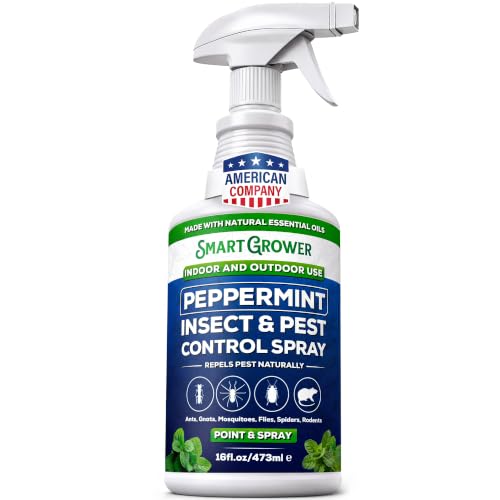
Smart Grower Peppermint Oil Spray 16 oz

ferti-Lome Fire Ant Killer 1 lb

BugMD Pet Safe Multi-Insect Spray

RobiGuard Diatomaceous Earth & Peppermint Powder 1 lb

Raid Essentials Ant, Spider & Roach Killer 10 oz

Neudorff Outdoor Ant Killer Granules 1 lb

Cedarcide Original Bug Spray 16 oz
Inside Each Recommended Option
For most indoor ant trails, bait beats spray, and this Maggie’s Farm station leans into that logic. The sealed plastic shell keeps a moist, gel-style bait tucked away from curious fingers and pet noses, while still letting worker ants slip in through small entry slots. The active ingredient is borax, a slow-acting mineral that lets the foragers head back to the colony before they stop moving, which is what carries the dose to the rest of the nest.
Compared with the loose powders and sprays elsewhere on this list, the appeal here is the contained design. You can place a station along a baseboard or under the sink without worrying about a powder cloud or a wet residue. For shoppers dealing with a recurring kitchen trail, it’s a low-fuss first line of defense.
Standout Benefits
- Sealed bait shell cuts down on mess and keeps the gel out of reach of kids and pets.
- Sweet gel matrix is highly attractive to common household ants, so trails pick it up quickly.
- Borax-based slow action lets workers return to the nest, sharing the dose with other ants.
- Made in the United States and slotted for indoor placement along baseboards or under sinks.
Honest Caveats
- Works gradually, so a heavy infestation may take a week or more to visibly thin out.
- Less useful outdoors where rain and debris can flood the station or block entry slots.
Who It Suits Best
Households chasing an indoor trail who want a contained, low-contact option while kids and pets share the space.
Consider Something Else When
Yard-wide mound problems point you toward the ferti-Lome Fire Ant Killer, which is built for outdoor soil treatment.
Peppermint oil has a long track record as a scent-disrupter, and this Smart Grower bottle leans on that hard. It’s a ready-to-use spray (RTU means no mixing, just point and mist) sized at 16 fluid ounces, with larger 32- and 128-ounce options for anyone covering a garage, attic, or basement. The strong mint note overwhelms the pheromone trails ants use to find food, which is why it works as a deterrent along baseboards, door frames, and crawlspace entries.
Where it really earns a spot is in multi-pest households. The same bottle gets used around suspected mouse entry points and on ant trails, which is a practical benefit if you don’t want to keep three different products on the shelf. You may find the scent punchy indoors, so a quick test in a small room helps before you commit to a full sweep.
Strengths Worth Knowing
- Ready-to-use format means no measuring or mixing, which speeds up perimeter sweeps.
- Multiple bottle sizes (16, 32, and 128 fl oz) cover everything from a small kitchen to a full garage.
- Targets more than ants, including spiders and wasps, for broader household coverage.
- Strong peppermint scent disrupts the chemical trails ants follow to food sources.
Points To Note
- Reapplication is commonly needed every few days outdoors, especially after rain.
- The strong mint note can feel overpowering in small, enclosed rooms with poor airflow.
Made For
Shoppers who want one bottle to handle ant trails plus a few other common pests around entry points and outbuildings.
Look Elsewhere When
Hard floor contact with visible fire ant mounds calls for the ferti-Lome Fire Ant Killer, which targets the colony rather than repelling foragers.
Fire ants are a different problem from sugar ants roaming the kitchen, and this ferti-Lome product is built for that outdoor mound. The 1-pound container of bait granules spreads across a mound and the surrounding area, where foraging workers carry the active ingredient back underground. The label points to killing the queen and the mound, which is the real lever in a fire ant colony.
It’s a workmanlike product, not a flashy one. Compared with the peppermint spray above, this is the choice when the trail is outside and the issue is a series of dome-shaped mounds in the lawn. A typical treatment plan means broadcasting around the mound rather than pouring directly on it, so a spreader or gloved hand comes in handy.
Useful Touches
- Granule form is easy to broadcast around a mound and the surrounding foraging zone.
- Targets the queen and colony rather than just the visible surface ants.
- 1-pound size is enough for several mounds in a typical suburban yard.
- One of the more affordable options for outdoor mound work.
Trade Offs
- Not the right tool for indoor ant trails, since granules work best in outdoor soil.
- Results take several days, and you may need a second pass for stubborn colonies.
Best Suited To
Homeowners in the South and Southwest dealing with visible fire ant mounds in the lawn or along a fence line.
Skip It When
You’re managing a kitchen or pantry trail; the Maggie’s Farm Ant Bait Station handles that scenario with less mess.
BugMD is a familiar name in the essential-oil pest space, and this multi-insect spray leans on peppermint, rosemary, and citronella as its active botanicals. The idea is contact action against ants, spiders, and roaches, paired with a residual scent that keeps new visitors from settling in. It’s a Household Supplies category pick, which signals a focus on indoor living areas rather than yard work.
The draw is the formula’s profile: plant oils instead of synthetic pyrethroids (the class of insecticides found in many conventional sprays), so the family-room spritz feels less fraught. Where the Smart Grower bottle above emphasizes broader outdoor use, BugMD keeps its eye on the kitchen-and-living-room crowd, with a fresh mint aroma that fades within a few hours.
The Practical Payoff
- Plant-oil formula with peppermint, rosemary, and citronella for a milder indoor profile.
- Covers more than ants, including spiders and roaches, on contact.
- Leaves a mint-fresh scent that most people find pleasant indoors.
- Handy for baseboards, window sills, and behind the trash can.
Where It Is Less Suited
- Botanical sprays typically need reapplication more often than synthetic options.
- Less targeted than a bait station for ongoing trails that keep returning.
Who Should Grab It
Families wanting a gentler indoor spray for visible ants and the occasional spider without the harsh chemical profile.
Another Choice May Suit
Tight, recurring trails point to the Maggie’s Farm Ant Bait Station, which targets the colony instead of just the visible scouts.
Diatomaceous earth (DE) is a fine powder made from the fossilized shells of tiny aquatic organisms, and on a microscopic level it damages the waxy coating on an insect’s exoskeleton, causing it to dry out. The RobiGuard version pairs food-grade DE with peppermint oil, so you get the desiccant action plus a botanical scent that helps deter new foragers. The 1-pound tub is sized for repeated application along baseboards, in wall voids, and around pet food storage areas.
Versus the BugMD spray above, this is a dry product that works best in undisturbed spots. Once it gets wet, the powder clumps and loses effectiveness, so applying it after cleaning and in dry corners is the practical pattern. For a multi-insect home, it covers ants, roaches, fleas, silverfish, and bed bugs in the same bottle.
A Strong Showing
- Two-in-one formula pairs food-grade diatomaceous earth with peppermint oil for layered action.
- Targets a wide spread of crawling insects, not just ants.
- 1-pound tub covers multiple baseboards, sill plates, and under-sink spots.
- Dust-friendly format works into cracks and crevices that sprays can’t reach.
Soft Spots
- Wet conditions, humidity, or steamy bathrooms will neutralize the powder quickly.
- A light, dry dust application works better than heavy piles, which ants simply walk around.
The Right Fit
DIYers who want a low-odor, multi-pest powder for cracks, baseboards, and dry indoor spots where they can reapply on a routine.
Swap It Out When
You need perimeter defense in the yard; the Neudorff Outdoor Ant Killer Granules are designed for that job.
Raid Essentials is the gentler sub-line of a familiar aerosol brand, and this 10-ounce can is built for indoor contact work. The plant-based formula handles ants, spiders, and roaches, with a rosemary-mint scent that’s notably less aggressive than the original Raid profile. The aluminum can won’t rust if it sits in a garage or under a sink, and the locking cap is a real safety plus around kids.
It’s the can you reach for when you spot a single line of ants crossing the floor. Compared with the BugMD spray, this one has the convenience of a continuous aerosol stream and a familiar ergonomics, plus a slightly more pleasant rosemary-mint note. For daily-driver indoor use, it’s a sensible middle ground between a botanical mist and a full-strength conventional spray.
Where It Helps
- Plant-based formula suited to indoor contact work on ants, spiders, and roaches.
- Locking cap design adds a layer of safety around children.
- Aluminum can resists rust in humid spots like laundry rooms and basements.
- Rosemary-mint scent is more pleasant than traditional insecticide aerosols.
Practical Considerations
- Aerosol format isn’t ideal for a deep crack-and-crevice application.
- Vented indoors, you still want airflow during and after spraying.
Whose Shelf It Belongs On
Households that want a familiar aerosol format with a plant-based formula for quick indoor cleanups when pests appear.
Where Another Pick Suits Better
Sustained trails are better handled by the Maggie’s Farm Ant Bait Station, which reaches the colony rather than only the visible foragers.
Neudorff is well known in the organic gardening world, and these ant bait granules carry that pedigree. The 1-pound container spreads around the perimeter of a home, luring worker ants from their hiding spots and bringing the active ingredient back to the colony. The label cites effectiveness for up to four weeks, which is a reasonable timeline for a single application during peak ant season.
Where this differs from the ferti-Lome product above is the focus: Neudorff targets the trail-and-perimeter crowd rather than a single dome-shaped fire ant mound. For a long, low border treatment along a foundation or garden bed, the granule format is easier to distribute evenly, and the active ingredient aligns with organic gardening standards.
Positive Takeaways
- Granule bait lures ants out of hiding and plants, then carries the dose back to the nest.
- Suited to organic gardening programs, a real plus for edible landscapes.
- Up to four weeks of effectiveness per application based on the manufacturer’s claim.
- Targets a wide list of species, from pavement ants to Argentine and crazy ants.
Worth Bearing In Mind
- Best applied in dry weather, since rain will wash the bait away before ants can forage it.
- Less useful indoors, where the granule format is awkward on floors and carpets.
Who Will Love This
Gardeners who want an organic-gardening-friendly perimeter treatment to keep ants from migrating into the home.
Reach For A Different Pick When
Indoor pantry ants are the issue; the Maggie’s Farm Ant Bait Station is built for contained, indoor use.
Cedarcide Original is built around natural cedar oil, a botanical that’s been used in livestock and equine care for years. The 16-ounce pint bottle handles fleas, ticks, mosquitoes, mites, ants, and chiggers, which makes it useful for households with pets or for treating outdoor seating areas. Cedar oil works on contact, and the scent is a clean, woodsy note that fades within a day.
Versus the BugMD and Smart Grower sprays, Cedarcide leans toward yard and pet-area use, with an active ingredient that’s been studied in the livestock-pest world for a long time. The trade-off is the price tag, which sits above most of the indoor options on this list, so it makes the most sense for homes that need one bottle to cover both indoor and outdoor situations.
Real-World Strengths
- Cedar-oil formula covers ants plus fleas, ticks, mosquitoes, and mites in one bottle.
- Useful indoors and outdoors, including yards, patios, and pet bedding areas.
- Natural scent profile is well tolerated by people sensitive to botanical mists.
- 16-ounce pint is a flexible size for both spot treatments and larger sweeps.
Small Caveats
- Sits at a higher price point than most essential-oil sprays in this category.
- Outdoor reapplication is commonly needed every few days, especially after rain.
Perfect Match For
Pet households that need a multi-pest spray for the yard, the patio, and the rooms pets frequent, all in a single bottle.
Where A Sibling Pick Shines
Tight kitchen trails are better managed by the Maggie’s Farm Ant Bait Station, which contains the bait and works in the background.
Matching The Right Formula To The Pest Problem
Natural ant control is really a small family of strategies, and the best fit depends on where the ants are showing up. Indoor trails along a baseboard call for a slow-acting bait that workers can carry back to the nest, while outdoor perimeter defense benefits from a granule bait spread along a foundation or garden bed. Fire ant mounds in the lawn need a granular broadcast product that targets the queen underground.
The active ingredient matters as much as the format. Borax-based baits work gradually and need patience, while diatomaceous earth cuts into the insect’s outer layer and needs dry conditions to stay effective. Essential-oil sprays, including peppermint, rosemary, citronella, and cedar, disrupt scent trails and provide short-term deterrence, so they’re a better fit for prevention than for an entrenched colony.
Consider where kids, pets, and edible gardens fit into the picture. For households with curious pets, sealed bait stations and organic-gardening-friendly granules keep active ingredients out of reach. For edible landscapes, a product labeled for organic gardening helps the formula align with how you manage the rest of the bed. Whoever you share your home with, the right match is the one that pairs the active ingredient with the ant’s behavior.
Format Versus Function
- Indoor trails: Sealed bait station or low-odor indoor aerosol, applied along baseboards and under sinks.
- Outdoor perimeter: Granule bait along the foundation, re-applied after heavy rain.
- Yard mounds: Granular broadcast product designed for fire ant colony work.
- Crack-and-crevice treatment: Food-grade diatomaceous earth with a botanical, applied dry and undisturbed.
Key Considerations Across These Picks
Pitfalls Shoppers Hit
The most common slip is reaching for a spray when a bait would do the job. Sprays kill the visible foragers, but they don’t reach the queen, so a new wave of ants often replaces the original trail within a few days. Match the format to the problem: bait for trails, granules for perimeter and mound work, spray for visible contact cleanup.
A second trap is treating a wet area with diatomaceous earth, which clumps and loses the abrasive edge that does the actual work. Apply DE in dry corners and reapply after any moisture event, and the powder keeps doing its job.
What The Higher Tier Buys
Spending up in this category typically buys broader coverage and longer-lasting residual action. A premium essential-oil spray covers more pest types in one bottle, while a larger granule container reduces how often you need to repurchase during a long ant season. The honest read is that the upgrade makes sense for households juggling multiple pest types across indoor and outdoor spaces, not for someone managing a single, contained kitchen trail.
Frequently Asked Questions
Do natural ant killers work as well as conventional ones?
They work on a different timeline. Plant-based sprays and diatomaceous earth reduce populations gradually, and bait stations can take a week to reach the colony. Conventional aerosols often work on contact, but the natural options here aim at the nest rather than just the visible foragers.
Are essential-oil sprays safe around pets?
Most peppermint, rosemary, and cedar-oil formulas are formulated for use around pets when applied as directed. Avoid spraying directly on a pet, and keep cats and dogs out of a freshly treated room until the surface dries.
How long does a bait station take to work?
Expect a noticeable reduction in traffic after three to five days for most household ants, with full colony impact closer to two weeks. Patience is part of the strategy, since the slow action is what lets workers carry the dose back to the nest.
Can I use these products in an organic garden?
Look for a product labeled for organic gardening, which signals the formula is allowed under organic programs. Granule baits from brands aligned with organic gardening are typically the right fit for edible beds.
Do I need to reapply after rain?
Granular products and diatomaceous earth need a fresh application after a heavy rain or sprinkler cycle, since moisture neutralizes their action. Aerosols and bait stations are more weather-resistant in their intended indoor locations.
Wrap Up
The eight picks above cover the main natural ant-killer formats, from sealed bait stations to organic-gardening granules to multi-pest cedar-oil sprays. Start by matching the product type to where the ants are showing up, then layer in a perimeter product if the trails keep coming back. For most households, that’s a combination of one indoor tool and one outdoor tool, refreshed on a routine rather than a one-time fix.
