

Feeding soil naturally used to feel like guesswork, especially for first-time growers juggling tomatoes on the patio, herbs on the kitchen sill, and a tired lawn out back. You want plants that look fed without harsh chemicals, and you want products that actually deliver without burning roots or stripping flavor from your harvest. The eight picks below cover liquids, granules, and soil amendments across every common garden scenario, so you can match the right form to the right bed.
A Fast Comparison Of The Options

Alaska Fish Fertilizer for Plants (OMRI 5-1-1)

Down To Earth Organic All Purpose 4-6-2, 5 lb

Back to the Roots Organic Worm Castings 5 lb

Jobe’s Organics Granular All Purpose 4 lb

Espoma Organic Plant-Tone 5-3-3, Pack of 2
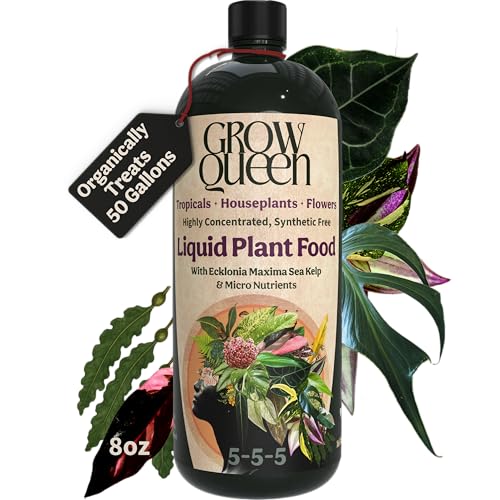
Grow Queen Organic Liquid Indoor 5-5-5, 8 oz

Miracle-Gro Organic Plant Food, 32 fl. oz.
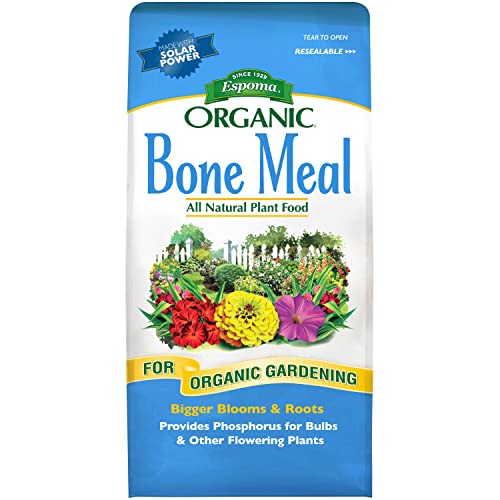
Espoma Organic Bone Meal 4-12-0, 4 lb
A Deeper Look At The Lineup
Alaska Fish Fertilizer is the liquid concentrate most gardeners reach for first, and for good reason. The 5-1-1 NPK ratio (nitrogen for leafy growth, phosphorus for roots, potassium for overall vigor) is mild enough for seedlings yet steady enough to carry tomatoes and peppers through summer. You dilute it in a watering can, pour at the root zone, and let the fish-based formula feed soil microbes as much as the plant itself.
For backyard veggie plots and patio containers alike, this bottle earns a regular spot on the shelf. New gardeners get forgiving results without worrying about burn, while experienced growers can foliar-feed (spray directly on leaves) during heavy fruiting cycles for a quick pick-me-up.
The Case For It
- OMRI-listed, so organic gardeners can feed edible crops without second-guessing the ingredient list
- Gentle 5-1-1 ratio protects tender seedlings from the burn risk of stronger synthetics
- Liquid format mixes instantly into a watering can, so a quick Saturday feeding takes minutes
- Fish-based nutrients feed soil biology, building long-term fertility beyond a single season
- Works for both root drenches and foliar sprays on leafy crops like lettuce and herbs
Worth Noting
- The fish smell fades after watering but lingers long enough that indoor feeding may bother some households
- A liquid bottle runs out faster than granular options, so heavy feeders may need frequent repurchase
Key Specs
Who It Suits Best
Home vegetable gardeners growing tomatoes, peppers, and leafy greens in beds or large containers who want forgiving, organic results without precise measuring.
A Better Fit Elsewhere
Grow Queen Organic Liquid Indoor 5-5-5 suits apartment dwellers with only houseplants, since its balanced 5-5-5 ratio and lighter odor profile are friendlier to enclosed rooms.
Down To Earth’s All Purpose Mix is a classic box-and-scoop option for gardeners who like to feel the soil in their hands. The 4-6-2 NPK leans slightly toward phosphorus, the middle number that supports root development and flower set, which makes it a natural fit for transplant days and early-season bed prep. You sprinkle, work it into the top inch of soil, and water it in.
Compared with Alaska’s quick-acting liquid, this granular feed works on a slower timeline, releasing nutrients as soil microbes break it down. That means fewer applications but more patience between feedings.
What Makes Sense
- 4-6-2 ratio is balanced enough to cover vegetables, herbs, flowers, and container plants from one bag
- Granular format minimizes mess and gives precise control over how much each plant receives
- Slow nutrient release supports steady growth over weeks, not a quick spike
- Pairs well with transplanting, giving seedlings a gentle start in their new bed
Points To Note
- Slower-release granulars need reapplication through the growing season for heavy feeders like tomatoes
- Granules must be worked into soil to avoid runoff on sloped beds, so casual top-dressing is less effective
Feature Snapshot
Made For
Edible gardeners starting a new bed or refreshing raised boxes who want a one-bag solution for veggies, herbs, and flowers without juggling multiple products.
Consider Something Else When
Jobe’s Organics Granular All Purpose suits someone who wants a slightly lighter, more general-purpose 4-4-4 ratio for a wider mix of ornamentals and edibles.
Worm castings are what worms leave behind after digesting organic matter, and Back to the Roots packages that black gold into a tidy 5-pound bag. The texture is fine and earthy, almost like fresh coffee grounds, and it slips easily into potting mixes, raised beds, or top-dressed around established plants.
Think of this less as a meal for plants and more as a multi-vitamin for the soil itself. Where Alaska and Down To Earth feed directly, worm castings improve the soil’s ability to hold water, breathe, and support microbial life over many seasons.
A Strong Showing
- Improves soil structure and water retention, helping raised beds survive hot summers
- Safe to use directly on roots without burn risk, so it doubles as a seed-starting amendment
- Odor-free and indoor-friendly, unlike fish-based liquids
- Made in the USA from domestically sourced worm castings
- Works equally well for houseplants, outdoor beds, and container gardens
Points To Keep In Mind
- Nutrient content is lower than concentrated fertilizers, so heavy feeders still need a complementary feed
- The 5 lb bag goes fast on a large garden, so plan on multiple bags for big projects
Best Suited To
Gardeners rebuilding tired soil, whether in a raised bed, a perennial border, or a single houseplant pot that has stopped thriving after a year in the same dirt.
Reach For A Different Pick When
Espoma Organic Bone Meal fits gardeners focused on bulb and flower production, since its high phosphorus ratio drives blooms more directly than worm castings alone.
Jobe’s Organics Granular All Purpose is designed to remove the intimidation factor from organic feeding. The pellets are uniform, easy to scatter, and break down quickly enough that you do not need to wait weeks to see results. The bag is shaped for one-handed pouring, so new gardeners can measure by feel rather than by scale.
For a backyard with mixed ambitions (tomatoes along the fence, roses near the porch, shrubs framing the lawn), this is the kind of one-bag-fits-most option that simplifies the shopping list. It also avoids the runoff and odor concerns that come with some other organic feeds.
Real-World Strengths
- Granular format minimizes mess, hazards, and strong smells during application
- Fast-acting organic formula produces visible results without long waits
- One bag covers vegetables, flowers, shrubs, and trees across a typical yard
- Designed to reduce wasteful runoff compared to loose powders
Trade Offs
- A 4 lb bag runs short on larger properties, so multi-bag purchases may be necessary
- Fast-acting formulas require more frequent reapplication than slower-release options like Espoma Plant-Tone
The Right Fit
New organic gardeners with a mixed yard of edibles and ornamentals who want a single product that handles most situations without overthinking application rates.
Look Elsewhere When
Back to the Roots Worm Castings serves gardeners more focused on rebuilding soil biology than on direct nutrient delivery, especially for indoor or container use.
Espoma’s Plant-Tone has been a backbone product for organic gardeners for decades, and this pack-of-two format makes it a smart buy for anyone running multiple beds. The 5-3-3 analysis includes 5% calcium, the secondary nutrient that strengthens cell walls and helps prevent blossom end rot on tomatoes and squash. Espoma’s exclusive Bio-tone blend of beneficial microbes works alongside the organic matter to release nutrients gradually.
Where Alaska delivers a quick liquid push and Down To Earth gives a steady transplant feed, Plant-Tone occupies the middle ground. You get slow-release endurance with enough calcium to address a real-world deficiency common in fruiting crops.
The Helpful Details
- 5-3-3 analysis with 5% calcium supports both leafy growth and fruit quality
- Bio-tone microbial blend activates soil life for long-term fertility gains
- Safe ingredients with no sludges or harsh additives, suitable for organic protocols
- Pack-of-two format stretches supply across a full growing season on larger lots
- Versatile across flowers, vegetables, trees, and shrubs without separate products
Honest Caveats
- Slower-release granulars show results over weeks, not days, so patience is part of the package
- The earthy odor at application can briefly linger outdoors on humid days
Technical Highlights
Perfect Match For
Multi-bed gardeners balancing flower borders with a vegetable plot who want one reliable product that handles both with the bonus of calcium for fruiting crops.
Swap It Out When
Alaska Fish Fertilizer suits growers who want faster liquid uptake during peak fruiting, since foliar feeding kicks in within hours rather than weeks.
Grow Queen’s 5-5-5 liquid is built for the apartment-dweller crowd: houseplants, tropicals, and small potted collections. The balanced NPK gives equal weight to leaves, roots, and overall vigor, so you are not pushing one growth phase at the expense of another. Sea kelp in the mix adds trace minerals and gentle hormones that help stressed plants bounce back.
The 8-ounce bottle treats up to 50 gallons of diluted feed, which means a little goes a long way on a windowsill jungle. Compared with Alaska’s fish-based formula, this is odor-light enough for living rooms without complaint.
Bright Spots
- 5-5-5 balance supports foliage, roots, and overall plant vigor equally for general houseplant care
- Sea kelp adds trace minerals and natural growth hormones beyond standard NPK
- Concentrated formula treats up to 50 gallons from one small bottle
- Gentle enough for daily or frequent feeding without burn risk on sensitive species
Things To Consider
- Liquid concentrates require consistent measuring for best results, which may frustrate casual plant owners
- Smaller bottle format means heavy plant collectors cycle through it faster than expected
Whose Shelf It Belongs On
Apartment dwellers and houseplant collectors with mixed tropicals who want one gentle, balanced feed that works across many species in low-light conditions.
Another Choice May Suit
Miracle-Gro Organic Plant Food fits gardeners with larger mixed indoor and outdoor collections, since its 32-ounce volume stretches further across many pots.
Miracle-Gro’s organic entry is the largest liquid on this list at 32 ounces, making it the practical pick for gardeners feeding both indoor and outdoor collections. The formula is built from 94% plant-based ingredients and OMRI-listed for organic use, which is a meaningful distinction for anyone reading labels carefully.
Liquid feeds work instantly, so you see greener leaves and stronger stems within a watering cycle or two when used as directed. The wide bottle neck makes pouring into a watering can spill-resistant, a small detail that matters during a busy weekend garden session.
Where It Excels
- 32 fl. oz. volume covers a large mixed garden without constant refilling
- 94% plant-based formula appeals to label-reading gardeners
- OMRI-listed for organic gardening protocols
- Instant liquid feeding supports quick recovery in stressed or nutrient-starved plants
- One bottle handles indoor houseplants and outdoor container gardens alike
Room For Improvement
- Liquid concentrates need careful dilution; over-application can still cause stress on tender plants
- Larger bottle is heavier to haul up stairs for apartment dwellers with rooftop access
Feature Rundown
Who Should Grab It
Garden managers juggling a patio full of containers, a few raised beds, and indoor houseplants who want one large bottle to simplify the rotation.
Skip It When
Grow Queen Organic Liquid Indoor 5-5-5 suits smaller apartment collections, where its concentrated 8-ounce size and kelp-enriched formula are easier to ration.
Espoma’s Bone Meal is a specialty fertilizer with one job: delivering phosphorus. The 4-12-0 analysis tells you most of the story, with nitrogen low and phosphorus dominant, which is exactly what bulbs, roses, and flowering perennials crave during root and bud development. The bag is pure domestic bone meal with no fillers or additives mixed in.
You work it into the soil at planting time, particularly around spring bulbs and fall bulbs preparing for the next cycle. Compared with broader all-purpose feeds on this list, bone meal is targeted: it complements a balanced base fertilizer rather than replacing one.
What Earns Its Place
- 4-12-0 ratio delivers heavy phosphorus for strong root systems and flower production
- Approved for organic gardening with 100% natural domestic bone meal
- Pairs naturally with spring and fall bulb planting routines
- No fillers or synthetic additives, just ground bone meal as nature made it
- Long-lasting phosphorus release supports perennial flowering beds over multiple seasons
Things To Weigh Up
- Zero potassium and minimal nitrogen mean it cannot stand alone as a complete fertilizer
- Slow soil breakdown requires early-season application for fall-planted bulbs to show full benefit
Built With In Mind
Flower-focused gardeners running bulb beds, rose borders, or cutting gardens who want to layer a phosphorus boost beneath their regular feeding routine.
A Better Fit Elsewhere
Espoma Organic Plant-Tone suits gardeners wanting a complete organic feed for a mixed yard, since its balanced 5-3-3 covers what bone meal leaves out.
What To Weigh Before Choosing Natural Fertilizers
Matching Format To Your Garden Style
Liquid fertilizers like Alaska Fish Fertilizer, Grow Queen Indoor 5-5-5, and Miracle-Gro Organic deliver nutrients fast and let you adjust feeding intensity on the fly. Granular options like Down To Earth, Jobe’s Organics, Espoma Plant-Tone, and Espoma Bone Meal release slowly, suiting gardeners who prefer fewer applications and longer gaps between feedings. Soil amendments like Back to the Roots Worm Castings rebuild structure rather than feed plants directly, which matters more in tired beds than in freshly prepared soil.
Reading The NPK Numbers
NPK stands for nitrogen, phosphorus, and potassium, the three macronutrients plants need in the largest quantities. The first number drives leafy growth, the second supports roots and flowers, and the third powers overall vigor. A balanced 5-5-5 or 4-4-4 handles most situations; a phosphorus-leaning 4-6-2 or 4-12-0 targets flowering and root development specifically. Match the ratio to what your plants actually need, not to a generic recommendation.
Organic Certification And Ingredient Transparency
OMRI-listed products have been reviewed by the Organic Materials Review Institute and approved for certified organic operations. For home gardeners, that label is a reliable shortcut to ingredients aligned with organic standards. Plant-based percentages (like Miracle-Gro’s 94% plant-based formula) and notes about fillers or sludges also help when comparing similar products on paper.
Considering Indoor Versus Outdoor Use
Indoor plants need gentle, odor-light formulas. Fish-based liquids can bother sensitive noses in enclosed rooms, while kelp-based options like Grow Queen or fine-textured worm castings stay neutral. Outdoor gardens tolerate stronger scents and benefit from granular formats that resist washing away in rain. Matching the format to your space keeps the routine pleasant and the application effective.
Key Considerations Across These Picks
Common Shopping Slip Ups
Many gardeners grab a single all-purpose bag and assume it covers everything. The honest read is that specialty needs exist: bulbs want bone meal, houseplants want gentle liquids, and tired beds want worm castings. Another frequent miss is ignoring NPK ratios in favor of brand familiarity, which can lead to underfeeding flowering crops or overfeeding leafy greens. A quick read of the three numbers on the bag tells you more than the front-label marketing.
Where The Extra Money Goes
Higher-tier organic fertilizers typically include secondary nutrients like calcium, beneficial microbial blends like Espoma’s Bio-tone, or concentrated formats that treat more gallons per bottle. Premium pricing also buys OMRI certification, domestic sourcing, and tighter quality control on fillers. The upgrade pays off when your garden has specific demands (calcium-hungry tomatoes, phosphorus-starved bulbs) rather than generic feeding needs.
Frequently Asked Questions
What Does NPK Mean On The Label?
NPK stands for nitrogen, phosphorus, and potassium, the three primary nutrients plants need in the largest amounts. The three numbers on a fertilizer bag show the percentage of each nutrient by weight, helping you match the formula to what your plants need most.
Are Liquid Or Granular Natural Fertilizers Better?
Liquids act fast and work well for quick corrections or foliar feeding, while granules release slowly and require fewer applications. The honest answer is that each has its place, depending on whether you want instant uptake or long-term feeding.
How Often Should I Fertilize With Organic Options?
Most organic fertilizers recommend feeding every 2 to 4 weeks during the growing season, though slow-release granulars can stretch to every 6 to 8 weeks. Always follow the specific product directions, since overfeeding stresses plants regardless of whether the source is organic or synthetic.
Can I Use Natural Fertilizers On Edible Crops?
Yes, organic and OMRI-listed fertilizers are designed with edible crops in mind. Products like Alaska Fish Fertilizer and Espoma Plant-Tone are commonly used on vegetables, herbs, and fruit-bearing plants without safety concerns.
What Is Worm Castings And Why Use Them?
Worm castings are the digested organic matter worms leave behind in soil, packed with beneficial microbes and gentle nutrients. They improve soil structure, water retention, and microbial life more than they feed plants directly, which makes them an ideal long-term soil investment.
The Takeaway
Start with what your garden actually grows, not what the marketing copy promises. Veggie beds and containers respond well to balanced organic feeds like Alaska Fish Fertilizer or Espoma Plant-Tone, while flowering borders and bulbs benefit from phosphorus-rich bone meal layered underneath. Indoor plant parents get the best results with gentle kelp-enriched liquids, and anyone rebuilding tired soil should reach for worm castings as the foundation. Match the format to your routine, and the rest tends to take care of itself across a season or two.
