

Pulling weeds by hand is honest work, but it eats your weekend, and chemical sprays can feel like overkill around a vegetable patch or a curious dog. The right natural herbicide clears the problem growth without torching the lawn you actually want. This roundup walks through eight options built around gentler active ingredients and smarter coverage, so you spend less time fighting the same dandelions every spring.
The Leading Options At A Glance
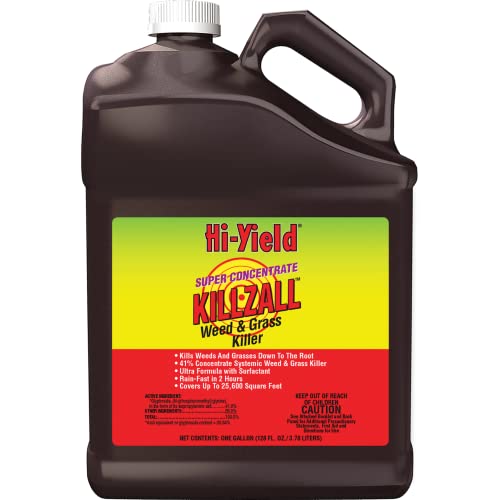
Hi-Yield (33693) Super Concentrate Killzall Weed & Grass Killer

Airmax Shoreline Defense Emergent Weed Control Herbicide

Bonide Captain Jack’s Deadweed Brew 32 oz Ready-to-Use
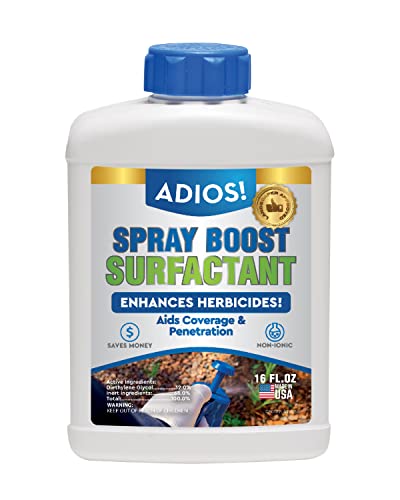
ADIOS! Surfactant for Herbicide and Weeds Non Ionic 16oz

Avenger Weed Killer Concentrate for Organic Gardening 32 oz

Pet’s Pal Natural Weed Killer Pet Safe 1 Gallon

Pet’s Pal Natural Weed Killer Pet Safe 2 Gallons

Natural Armor Weed & Grass Killer 4 Gallon Refills
A Deeper Look At The Lineup
The Hi-Yield Killzall jug is built for the homeowner who needs to clear more than a few cracks in the driveway. The double-surfactant blend, which means the spray wets plant surfaces evenly rather than beading up, helps the active ingredient stick and start working fast on grasses, broadleaf weeds, and woody brush along fence lines. One gallon handles a serious footprint, so a single bottle can cover a long border or a neglected corner before the season is out.
Compared with the ready-to-use sprays later in this list, this one asks for mixing and a dedicated sprayer. You trade convenience for reach, which makes it the smarter choice when the project is large and the timeline is flexible.
Practical Advantages
- Treats up to 25,600 square feet per gallon, enough for most suburban lots.
- Targets grasses, broadleaf weeds, and woody brush with a single formulation.
- Concentrate format stretches further per dollar than ready-to-spray bottles.
- Double-surfactant system helps the spray dry fast and begin working quickly.
Trade Offs
- Not suited for lawns you want to keep; the formula kills what it touches.
- Mixing and sprayer cleanup take more time than grab-and-spray options.
- Requires careful label reading before use around desirable plants.
Who It Suits Best
Property owners reclaiming fence rows, gravel driveways, and large bare-soil areas from persistent brush.
Look Elsewhere When
Pet owners with curious dogs should reach for the Pet’s Pal Natural Weed Killer 1 Gallon, which skips the harsher chemistry in favor of a gentler spray routine.
Airmax Shoreline Defense lives in a different lane than everything else here. It is an aquatic herbicide formulated to clear cattails, phragmites, and shoreline grasses in fresh and brackish water, which is exactly the job no driveway spray can handle. For pond owners fighting a creeping takeover of the water’s edge, this is the kind of targeted tool that beats hauling weeds out by hand every summer.
That specialty comes with a narrow audience. Unlike the Bonide Captain Jack’s Deadweed Brew that works across vegetable gardens and sidewalks, this formula only earns its keep where there is actual standing water and emergent growth.
What Helps Most
- Designed specifically for emergent aquatic weeds and shoreline brush.
- Suitable for both fresh water and lightly brackish pond conditions.
- Liquid form mixes easily into standard pond sprayers for shoreline application.
Points To Keep In Mind
- Limited usefulness outside pond and shoreline scenarios.
- Application timing matters for root kill, so results vary with seasonal planning.
Made For
Pond and lake homeowners who need to reclaim dock access and beach areas from aggressive emergent weeds.
Consider Something Else When
Backyard gardeners without a water feature will get more value from the Avenger Weed Killer Concentrate for Organic Gardening, which fits neatly into vegetable bed rotation.
Captain Jack’s Deadweed Brew arrives ready to spray, so there is no measuring, no mixing, and no leftover concentrate to store. The formula is approved for organic gardening, which opens the door to use around vegetable beds, flower borders, sidewalks, and gravel paths without the worry that comes with harsher chemistry. Visible weeds, moss, and algae show decline within hours, which is the kind of feedback that keeps weekend projects moving.
Compared with the bulkier Hi-Yield jug in the first slot, this bottle trades coverage for convenience. You trade big-acre reach for grab-and-go simplicity, which makes it the natural choice when weeds are popping up in scattered pockets rather than across a full acre.
Notable Upsides
- No mixing required, point and spray from the bottle.
- Approved for organic gardening use around food crops.
- Fast-acting on weeds, mosses, and algae in landscaped areas.
- Useful across sidewalks, driveways, fences, bark mulch, and patios.
Honest Caveats
- 32-ounce bottle runs out quickly on larger weed patches.
- Non-selective formula can damage wanted plants if sprayed directly.
Quick Facts
Best Suited To
Home gardeners who want a single bottle that handles spot treatments across beds, paths, and patios without mixing concentrates.
Reach For A Different Pick When
A pond or shoreline is the real problem area, and Airmax Shoreline Defense Emergent Weed Control is the formula built for that waterline work.
ADIOS! is not a herbicide itself. It is a non-ionic surfactant, a slick additive that helps spray solutions spread and stick to waxy weed leaves instead of rolling off. One 16-ounce bottle boosts up to 50 gallons of mixed spray, so a little goes a long way across an entire season of treatments. For the DIYer mixing their own herbicide concentrates, this kind of wetting agent closes the gap between homemade and store-bought performance.
Used alongside a concentrate like the Hi-Yield Killzall from the first slot, it helps every drop work harder. On its own, it does nothing, so it belongs in the cart only when you are already comfortable measuring and mixing.
What Stands Out
- One bottle enhances up to 50 gallons of herbicide mix.
- Compatible with herbicides, fungicides, pesticides, and defoliants.
- Improves coverage on waxy or hairy weed leaves where sprays often fail.
Softer Spots
- Not a standalone weed killer, requires a paired herbicide to see results.
- Overuse can cause runoff, so measuring matters more than pouring freely.
The Right Fit
DIY gardeners already mixing their own herbicide concentrates and looking for better leaf coverage.
Skip It When
You want a single bottle that handles spot treatments on its own, in which case the Bonide Captain Jack’s Deadweed Brew is the easier grab-and-go.
Avenger takes a citrus-oil route to weed control, using d-limonene from orange peels as the active ingredient. For organic-minded gardeners, that profile is the headline feature, since it sidesteps the synthetic chemistry many people prefer to avoid near food crops. The 32-ounce concentrate dilutes down for spot spraying, so a single bottle lasts through multiple rounds of cleanup along walkways, fence bases, and bed edges.
Where the Hi-Yield jug leans on raw coverage, Avenger leans on ingredient transparency. The honest read is that organic formulas often need repeat treatments for stubborn roots, so set expectations accordingly.
Advantages To Know
- Citrus-oil active ingredient fits organic gardening principles.
- Concentrate format dilutes to fit both small and large jobs.
- Useful around flower beds, vegetable plots, and ornamental borders.
- Lower odor profile compared with petroleum-based herbicides.
A Few Limitations
- Repeat applications are common for deep-rooted perennial weeds.
- Smaller bottle size than the bulk options in this roundup.
Feature Snapshot
Who Will Love This
Organic-focused gardeners who want a transparent ingredient list and are willing to treat weeds more than once per season.
Where Another Pick Suits Better
Households with dogs roaming the yard should consider the Pet’s Pal Natural Weed Killer 1 Gallon for a ready-to-spray routine designed around curious paws.
Pet’s Pal is built around the worry that drives most home gardeners: the dog who walks across the lawn right after you spray. The formula skips glyphosate entirely, leans on natural ingredients, and arrives ready to spray with no mixing involved. For broadleaf weeds and grasses around flowerbeds, walkways, and landscaping, it covers the routine chores without forcing a chemistry lesson on the family.
The 1-gallon size is the sweet spot for a single small yard or one season of spot work. Step up to the 2-gallon size in slot seven if your property runs larger.
Key Advantages
- Glyphosate-free formula eases concerns for households with pets.
- Ready-to-use spray skips measuring and dilution steps.
- Effective on most broadleaf weeds and common grass types.
- Marketed as bee safe for pollinator-friendly yards.
Things To Weigh
- Slower visual results than harsher synthetic herbicides.
- Re-treatment expected for stubborn or deep-rooted weeds.
Perfect Match For
Pet parents with dogs or cats who want a ready-to-spray routine without keeping pets off the lawn for long stretches.
A Better Fit Elsewhere
Organic vegetable gardeners focused on ingredient transparency may prefer the Avenger Weed Killer Concentrate, which lists its citrus-oil active on the label.
The 2-gallon Pet’s Pal doubles down on everything the 1-gallon version offers, which is the same glyphosate-free, natural-ingredient formula that families lean on for routine weed control. Two gallons stretch further across a larger lot, multi-pet household, or a full season of repeated spot treatments. The formula is meant to handle more than 250 types of weeds and grasses when used as directed.
Relative to the 1-gallon bottle in slot six, this is the same product in larger format. If your spring and summer workload is light, the smaller size keeps storage simpler.
Positive Takeaways
- Bigger volume covers larger yards without mid-season reordering.
- No glyphosate and no synthetic odors in the formula.
- Targets broadleaf weeds and grasses commonly found in residential lawns.
- Ready-to-use format fits busy family routines.
Practical Considerations
- Heavier to carry and store than the 1-gallon option.
- Repeat treatments may still be needed for deep perennial roots.
Feature Card
Whose Shelf It Belongs On
Families with multiple pets or larger properties who want one jug to last through the full growing season.
Not Your Match When
You need pond or shoreline weed control, where Airmax Shoreline Defense Emergent Weed Control is the right tool for the job.
Natural Armor shows up as a case of four 1-gallon refills, which is the format serious whole-yard users gravitate toward. The formula skips glyphosate, claims coverage on 250-plus weed and grass types, and ships ready to spray with no mixing involved. For homeowners clearing multiple beds, fence lines, and driveway edges in one sweep, four gallons at once beats running back to the store mid-project.
Against the single-gallon Pet’s Pal in slot six, this is the same ready-to-use convenience scaled up. Storage space matters here, since four filled jugs need a dry shelf in the garage or shed.
Benefits That Matter
- Four gallons cover a full property treatment in one purchase.
- Glyphosate-free formula eases concerns around kids and pets.
- Targets broadleaf weeds and grasses across lawns, beds, and paths.
- Ready-to-use spray skips mixing steps and concentrate math.
Some Limits To Know
- Bulky package requires dry storage space before use.
- Heavy to transport once jugs are filled and ready.
- Repeat treatments common for established perennial weeds.
Feature Rundown
Built With In Mind
Homeowners tackling whole-property weed projects who want a single bulk purchase to power through the work.
Swap It Out When
A single smaller bottle fits the routine better, in which case the Pet’s Pal Natural Weed Killer 1 Gallon keeps storage light and simple.
Picking The Right Formula For Your Yard
Match The Herbicide To The Site
Start with the area, not the brand. Driveway cracks, gravel paths, and fence lines tolerate stronger non-selective formulas like the Hi-Yield Killzall, while flower beds and vegetable plots benefit from gentler options such as Avenger or Captain Jack’s Deadweed Brew. Pond and shoreline work calls for a specialty formula like Airmax Shoreline Defense, since general herbicides are not designed for aquatic use. Matching the formula to the location is the single biggest factor in getting clean results without collateral damage.
Weigh Ready-To-Use Against Concentrates
Ready-to-spray bottles like the Bonide Captain Jack’s or the Pet’s Pal jugs trade coverage for convenience, since you skip measuring, mixing, and sprayer cleanup. Concentrates like Hi-Yield and Avenger stretch further per dollar and handle larger footprints, but they require a dedicated sprayer and basic measuring comfort. The honest call is to pick concentrate when you have a clear project plan, and reach for ready-to-use when weeds pop up in scattered patches.
Factor In Household Priorities
Pets and small children shift the priority toward natural, glyphosate-free formulas, even when repeat treatments are more likely. Organic-focused gardeners should look for ingredient transparency, which is where Avenger’s citrus-oil base earns attention. DIYers mixing their own sprays benefit from a wetting agent like ADIOS! to boost leaf coverage, while pond owners have essentially one realistic option in the Airmax shoreline formula. You benefit most when the active ingredient matches your actual tolerance for re-treatment and storage.
Key Considerations Across These Picks
Where Shoppers Go Wrong
The most common mistake is reaching for the strongest non-selective concentrate when the goal is just a tidy flower bed. Hitting a desirable plant with a broad-spectrum formula like Hi-Yield Killzall is the kind of error you only make once. Read the use-site language on the label, and match the formula to the space rather than chasing the largest coverage number on the shelf. Storage mistakes cause trouble too, since most natural herbicides prefer a cool, dry spot away from pets and direct sun.
When Paying More Pays Off
Higher-tier picks earn their keep through concentration, organic approval, or specialty use, rather than through raw power. Avenger’s citrus-oil base and OMRI-listed approval come at a price premium over a basic ready-to-spray jug, but the ingredient transparency is the point. Airmax Shoreline Defense costs more per gallon than a backyard concentrate, yet it is the only formula in this roundup designed for emergent aquatic weeds. The upgrade is worth it when the use case is specific and the cheaper alternative simply cannot do the job.
Frequently Asked Questions
Are natural herbicides safe around vegetable gardens?
Natural herbicides approved for organic gardening, like Captain Jack’s Deadweed Brew and Avenger, are generally suitable for use around vegetable plots when applied as directed on the label. Avoid spraying directly on desirable plants, since most formulas are non-selective and will damage any greenery they contact. Spot treatment is the safer routine for food-growing spaces.
How long does it take for natural herbicides to show results?
Visible decline often shows within hours for fast-acting options like Captain Jack’s, though full kill can take several days depending on weed type and weather. Stubborn perennials may need repeat applications across one to two weeks. Cooler temperatures and cloudy conditions slow the process compared with sunny, warm days.
Can natural herbicides be used near ponds or water features?
Only formulas labeled for aquatic use, such as Airmax Shoreline Defense, are appropriate near standing water. Standard lawn herbicides can harm fish, amphibians, and aquatic plants even at low concentrations. Always check the label for aquatic approval before spraying within a reasonable distance of any water feature.
Do I need a surfactant with natural herbicides?
A non-ionic surfactant like ADIOS! helps spray solutions spread and stick to waxy weed leaves, which improves coverage on tough species. It is optional for most home spot treatments but valuable when you are mixing your own concentrate for larger projects. Ready-to-use sprays already include wetting agents in the bottle.
How should I store leftover natural herbicide?
Most natural herbicides prefer a cool, dry location out of direct sunlight, with the cap tightly sealed and the bottle upright. Keep containers away from children, pets, and food storage areas, even when the formula is pet-safe by design. Properly stored, most concentrates and ready-to-use bottles last through several seasons.
Closing Thoughts
The best natural herbicide is the one that fits your actual yard, your household priorities, and your tolerance for re-treatment. Start with the area you need to clear, then match the formula to that space rather than chasing the strongest concentrate on the shelf. From there, the right jug tends to reveal itself quickly, and your weekends get a little quieter.
