

Tomatoes are hungry plants, and feeding them the right way shapes everything from blossom set to flavor. Most gardeners notice a difference within weeks: sturdier stems, deeper green leaves, and fruit that ripens evenly instead of splitting on the vine. The picks below lean into organic inputs, balanced nutrient ratios, and formulas that work for both backyard beds and container setups.
The Essentials At A Glance

Jobe’s Organics Granular All Purpose Fertilizer 4 lbs Bag

True Organic Tomato & Vegetable Food 8lb Bag

Down To Earth Organic Fish Bone Meal 4-12-0, 1 lb

Espoma Organic Tomato-Tone 3-4-6 18 lb. Bag

Purely Organic 8-8-8 Triple Play Tomato & Vegetable Food

True Organic Liquid All Purpose Plant Food 32 fl. oz.

Dr. Earth 73416 Home Grown Tomato, Vegetable and Herb Fertilizer
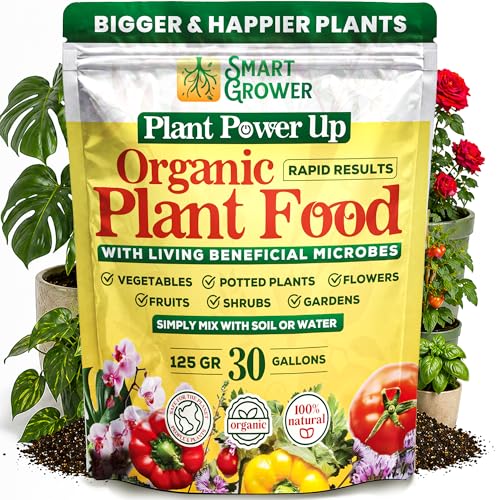
Smart Grower Organic Plant Food with Beneficial Microbes 125GR
The Details Behind The Selections
If your garden includes more than just tomatoes, this granular all-purpose formula from Jobe’s Organics earns its place as a low-fuss generalist. The 4-pound bag covers a modest backyard bed or several raised planters, and the slow-release organic base keeps feeding plants over weeks rather than days. Compared to the tomato-specific blends later in this list, it trades targeted calcium for flexibility across vegetables, flowers, and shrubs.
For most home growers, the granules spread easily by hand or with a small scoop, and watering activates the nutrients without needing any mixing. You may find the analysis less specialized for heavy-feeding tomato varieties, but the tradeoff is a single product that handles peppers, herbs, and ornamentals too.
Strengths Worth Knowing
- Works across vegetables, flowers, shrubs, and trees, so one bag covers mixed beds
- Organic granular format that releases nutrients steadily, reducing the risk of burn
- Simple to apply without measuring liquids or pre-mixing
- Helps maintain soil life thanks to its organic base
- Beginner-friendly for first-time tomato growers
Things To Consider
- Not specifically tailored to tomatoes, so peak fruit-set support may need a side-dress
- A 4-pound bag runs out quickly on larger plots
Who It Suits Best
Backyard gardeners juggling tomatoes alongside other crops who want one bag that handles everything without separate feeds.
Where Another Pick Suits Better
Espoma Organic Tomato-Tone 3-4-6 18 lb. Bag is the better fit for anyone running a dedicated tomato bed that needs a calcium-fortified, fruit-focused ratio.
True Organic’s tomato formula leans into something many home growers overlook: calcium at 6%. Blossom-end rot, the sunken black spot that ruins otherwise perfect fruit, often traces back to inconsistent calcium uptake during fruit set. Pairing that calcium with a measured 4-3-6 NPK ratio (nitrogen-phosphorus-potassium) gives plants a balanced feed during the heavy-production stretch.
The 8-pound bag covers roughly 140 square feet, which lines up with a mid-sized raised bed or a tight cluster of in-ground tomatoes. The 3% slow-release nitrogen portion is a real-world plus, since it smooths out growth spurts after heavy rain or deep watering. Depending on your soil, you may still want a supplemental bloom feed late in the season.
A Strong Showing
- Built-in calcium targets blossom-end rot before it starts
- Slow-release nitrogen reduces the feast-or-famine growth pattern
- Coverage fits typical backyard tomato patches
Worth Noting
- Granules have a noticeable earthy smell during application
- Mid-season only; early-stage seedlings may want a gentler starter
Made For
Growers in the middle of a fruiting cycle who want a calcium-forward feed without mixing supplements themselves.
Look Elsewhere When
Espoma Organic Tomato-Tone 3-4-6 18 lb. Bag suits larger plots where bigger volume and a more tomato-specific ratio matter more than the True Organic calcium emphasis.
The NPK ratio of 4-12-0 reads at a glance: this is a phosphorus-heavy amendment (the middle number), with no potassium (the final number). For tomatoes that means strong root development during transplant and better flower formation as the season ramps up. Phosphorus is the nutrient most often missing in tired garden soil, especially in cool spring conditions when roots struggle to take it up.
Fish bone meal also brings secondary calcium, the same mineral that helps cell walls hold up under the weight of developing fruit. The 1-pound bag is small by design. This is a targeted supplement rather than a stand-alone feed, so it pairs naturally with a balanced fertilizer later in the list. You may find the meal form a little dusty to work with on windy days.
The Good Stuff
- High phosphorus supports strong root mass after transplant
- Secondary calcium helps reduce blossom-end rot risk
- Slow-release, gentle on young roots when used at label rates
- Small bag size is easy to store in a shed or garage
Honest Caveats
- Cannot stand alone, as it lacks potassium for fruit fill
- Strong fish-based aroma right after application
- A single pound covers only a few planting holes
Feature Snapshot
Best Suited To
Growers setting out transplants who want to give roots a strong start before switching to a broader feed.
Not Your Match When
Purely Organic 8-8-8 Triple Play Tomato & Vegetable Food is a better single-product answer for gardeners who don’t want to plan a multi-step feeding schedule.
Tomato-Tone has earned a long track record with backyard tomato growers, and the 3-4-6 analysis tells the story: modest nitrogen (to limit leafy growth), solid phosphorus (for blooms), and the highest potassium in this lineup (for fruit flavor and finish). The added 8% calcium is the practical payoff, since most blossom-end rot problems trace back to calcium more than to watering.
The 18-pound bag suits anyone with a real tomato patch, several raised beds, or a community garden row. Espoma’s Bio-tone ingredient blend is a quiet plus, feeding the soil biology rather than just the plant. For most home setups, this is a one-bag solution from transplant through late-summer side-dressing. Owners commonly report reusing the same bag across seasons thanks to the size.
Key Advantages
- 3-4-6 ratio plus 8% calcium covers the full tomato cycle
- Large 18 lb bag suits dedicated tomato beds
- Works on both heirloom and hybrid tomato varieties
- Soil-building Bio-tone blend supports long-term bed health
- Granular form spreads evenly without measuring liquids
- Can extend to other vegetables in the same bed
Points To Note
- Bag is heavy to haul and store in small garden sheds
- Granules need thorough watering in to activate fully
- Strong organic smell during initial application
Perfect Match For
Growers with a dedicated tomato bed who want a single fertilizer that handles planting, mid-season feeding, and fruit development without buying separate products.
Consider Something Else When
True Organic Liquid All Purpose Plant Food 32 fl. oz. is a better fit for container growers who prefer mixing a liquid feed rather than working with a heavy 18-pound bag.
The 8-8-8 analysis on Purely Organic’s Triple Play is the headline feature. Equal parts nitrogen, phosphorus, and potassium keep tomato plants moving through every stage without forcing a swing between vegetative and fruiting modes. For gardeners who don’t want to learn the differences between NPK ratios, this even split removes the guesswork.
Coverage lands around 250 square feet per bag, which works for a serious in-ground plot or several large raised beds. The protein- and plant-based feed is fast-acting, then continues to release over six to eight weeks. Depending on your climate, a second mid-season application keeps production steady through peak summer. You may find the granules slightly larger than competitors, so break them up before spreading in tight rows.
Benefits That Matter
- Equal 8-8-8 NPK simplifies feeding decisions
- 250 sq ft coverage handles large vegetable plots
- Feeding window of 6-8 weeks per application
- Suitable for indoor and outdoor use in all regions
Trade Offs
- Equal NPK is less targeted than Tomato-Tone’s fruit-focused ratio
- Larger granules need breaking up for even spread
Quick Facts
Right Fit For
Large-plot growers who want one balanced bag to handle tomatoes, peppers, herbs, and berries in the same bed cycle.
Another Choice May Suit
Jobe’s Organics Granular All Purpose Fertilizer 4 lbs Bag is the right call for small mixed beds where a 250-square-foot bag would be overkill.
Liquid feeds move into the root zone fast, and this 32-ounce bottle from True Organic leans into that speed. The formula combines soy protein hydrolysate, fish solubles, and kelp extract, a trio that delivers quick nitrogen along with trace minerals and natural growth stimulants. For container tomatoes on a patio, the bottle format is genuinely easier than hauling an 18-pound bag out to the plants.
Coverage caps at about 60 square feet, so this is built for small spaces rather than full backyard plots. Mixing and measuring takes a minute, but the payoff is precise feeding at every watering. Assuming a standard watering can, the bottle lasts most of a season for two or three large pots. The trade-off is frequency: liquid feeds wash through the root zone faster than granular options.
Bright Spots
- Liquid format reaches roots within hours of application
- Versatile on fruits, flowers, vegetables, and herbs
- Compact 32 oz bottle stores easily indoors
- Works for both indoor and outdoor containers
Soft Spots
- Coverage limited to 60 sq ft, so plots need refills often
- Requires mixing at every feeding
- Liquid feeds leach through pots faster than granular options
Feature Card
Who Should Grab It
Patio and balcony growers running a few tomato pots who prefer measuring a capful over spreading granules by hand.
Reach For A Different Pick When
Espoma Organic Tomato-Tone 3-4-6 18 lb. Bag is the more practical match for in-ground beds where a liquid bottle would run out within weeks.
Dr. Earth’s Home Grown formula targets the soil rather than the plant alone, and the 4-6-3 NPK is balanced for the full life of a tomato plant. The real story sits in the TruBiotic blend, which combines five strains of beneficial soil microbes with eighteen strains of mycorrhizae. Those are the fungi that form partnerships with roots, expanding the area where plants can pull water and nutrients.
The 1-pound package makes sense for small gardens, herb spirals, and a handful of tomato plants. The slow-release action keeps feeding for several months, so fewer reapplications are needed. For most home setups, a single bag stretches across a season if applied at transplant and lightly side-dressed mid-summer. Owners commonly mention improved soil texture in repeat seasons as the microbial population builds.
Useful Touches
- TruBiotic microbes build long-term soil health
- Mycorrhizae expand root access to water and nutrients
- Slow-release feeding window runs several months
- Safe for use around edibles and herbs
Possible Compromises
- Small 1 lb bag needs topping up for larger gardens
- Results build over seasons rather than showing in week one
Built With In Mind
No-dig and raised-bed growers who care about soil biology as much as fruit yield and want to invest in the bed long-term.
Skip It When
Purely Organic 8-8-8 Triple Play Tomato & Vegetable Food is the better match for gardeners focused on volume and quick above-ground results over soil-building.
The standout spec is the dilution: 125 grams of powder turns into roughly 30 gallons of liquid feed. For indoor growers, apartment tomato setups, and anyone maintaining a small hydroponic or self-watering planter, that ratio is hard to beat. A small jar replaces multiple bottles of ready-to-use fertilizer over the course of a season.
The microbe addition brings soil-building benefits to a format that usually only delivers fast nutrition. The honest read is that powder concentrates reward consistent feeding, since the dilution is so generous it’s easy to under-apply. For most small-space growers, a single jar covers several months of regular watering. The trade-off is the measuring step: a kitchen scale or included scoop makes the job easier.
Why It Works Well
- 125g powder concentrates into 30 gallons of feed
- Includes beneficial microbes for soil health
- Tiny package fits in a kitchen drawer
- Suits indoor, patio, and small hydroponic setups
Things To Weigh
- Requires accurate measuring to hit the right dilution
- Powder format takes extra prep time per feeding
The Details
Whose Shelf It Belongs On
Indoor tomato growers and apartment gardeners with a few containers who want a concentrate that lasts through multiple feedings.
Swap It Out When
Dr. Earth 73416 Home Grown Tomato, Vegetable and Herb Fertilizer is a better fit for outdoor raised beds where a granular, microbe-rich product spreads more evenly across a wider area.
What Matters Most Before Choosing Natural Tomato Plant Fertilizers
NPK Ratios And What They Actually Do
The three numbers on any fertilizer bag stand for nitrogen, phosphorus, and potassium, in that order. Nitrogen fuels leafy growth early in the season, phosphorus drives root development and flower set, and potassium supports fruit fill and overall plant resilience. For tomatoes, the sweet spot shifts from a balanced feed at transplant to something with less nitrogen and more potassium once flowers appear, which is why tomato-specific blends like the 3-4-6 analysis in Tomato-Tone exist.
For most backyard setups, a balanced 4-4-4 or 8-8-8 feed handles the early stretch, with a targeted supplement during fruiting. Gardeners running heavy clay or sandy soil may find their plants need a slightly higher phosphorus feed to compensate for nutrient lockup.
Calcium And Blossom-End Rot
Blossom-end rot shows up as a dark, sunken patch on the bottom of ripening fruit, and it frustrates first-time growers because it looks like a disease. It’s actually a calcium transport problem, often triggered by inconsistent watering rather than a calcium-deficient soil. Fertilizers with built-in calcium, like True Organic Tomato & Vegetable Food and Espoma Tomato-Tone, give plants a buffer against rapid moisture swings.
For most home gardens, a calcium-fortified fertilizer at planting plus steady, deep watering covers the bases. Container growers in hot climates may want to side-dress with a calcium source mid-season, since pots dry out faster than in-ground beds.
Granular, Liquid, Or Powder
Each format has trade-offs. Granular feeds spread easily and release slowly, but they need watering in and can take a week or two to show results. Liquid feeds hit roots within hours, but they leach through pots quickly and require more frequent application. Powder concentrates offer the longest shelf life per gram, but they add a measuring step to every feeding.
For most home gardeners running a small raised bed, granular is the lowest-fuss option. For containers and indoor setups, liquid or powder formats give more control over how much each plant receives.
Soil Biology And Microbial Additions
Products with beneficial microbes and mycorrhizae, like Dr. Earth Home Grown, treat the soil as a living system rather than a passive growing medium. Over several seasons, that approach builds structure, water retention, and nutrient availability. The honest read is that microbial benefits build gradually, so don’t expect a single-season transformation.
For gardeners starting a new bed or rebuilding tired soil, a microbe-rich product pays off across multiple years. For established beds already fed regularly, a balanced granular covers routine needs without the microbial add-ons.
Smart Decisions For Healthier Tomato Harvests
Common Shopping Slip Ups
First-time tomato growers often grab the bag with the highest nitrogen number, assuming more is better. That usually produces lush leafy plants with very few fruit, since excess nitrogen redirects energy away from flowering. Another common slip is skipping calcium entirely, then watching in late summer as blossom-end rot ruins otherwise healthy fruit.
A third trap is buying a giant 18-pound bag for a single container tomato. Heavy granular products go stale and clump in humid sheds, so a smaller format often serves small-space growers better.
Why Top Tier Costs More
Premium organic fertilizers cost more because the inputs are more expensive to source and process. Fish bone meal, kelp extract, and microbial blends require specific manufacturing steps, and the certification process for organic inputs adds overhead. The higher tier also tends to include calcium and trace minerals that basic blends leave out.
For gardeners with serious tomato ambitions or larger plots, the upgrade tends to pay off in yield and fruit quality. For casual growers with a couple of pots, a balanced mid-range product covers the essentials without the extra spend.
Frequently Asked Questions
How often should natural tomato plant fertilizers be applied during the growing season?
Most granular organic fertilizers are applied at planting and then side-dressed every 4 to 6 weeks through the fruiting season, while liquid feeds are typically applied every 1 to 2 weeks during active growth.
Can I use the same natural tomato fertilizer for seedlings and mature plants?
Young seedlings do best with a diluted or lower-nitrogen feed to avoid leaf burn, so most growers start with a gentle formula and switch to a tomato-specific blend once plants establish their first true leaves.
Do natural tomato fertilizers work as quickly as synthetic options?
Natural fertilizers rely on soil microbes to break down nutrients before plants can absorb them, so results typically appear over 1 to 3 weeks rather than the immediate green-up that synthetic feeds produce.
Is it safe to use natural tomato fertilizers in containers?
Most natural tomato fertilizers are safe for containers when applied at label rates, though liquid and powder formats are easier to control in the smaller root volume of a pot.
How should natural tomato fertilizers be stored between seasons?
Granular products should be kept dry in a sealed container, liquid feeds stored away from extreme temperatures, and powder concentrates kept in their original packaging to avoid moisture clumping.
Wrap Up
The right natural tomato plant fertilizer depends on your plot size, watering habits, and how much soil-building you want to invest in. For most home gardeners, a calcium-fortified tomato-specific granular covers the full season with minimal fuss. Container growers usually do better with a liquid or powder concentrate, and anyone rebuilding tired soil will benefit from a microbe-rich formula applied across multiple seasons. Match the format and analysis to your setup, and your tomatoes will tell the difference by midsummer.
