

Starting a vegetable patch from scratch can feel like guesswork, especially when seed catalogs overwhelm you with vague marketing. The right non-GMO seed set removes that friction by bundling open-pollinated varieties you can actually save and replant year after year. The lineup below covers everything from a single USDA Organic Seed beefsteak packet to a 30,000-seed vault built for decade-long food security.
A Closer Look At The Lineup

Heaven’s Harvest 25k+ Heirloom Seed Bank Kit
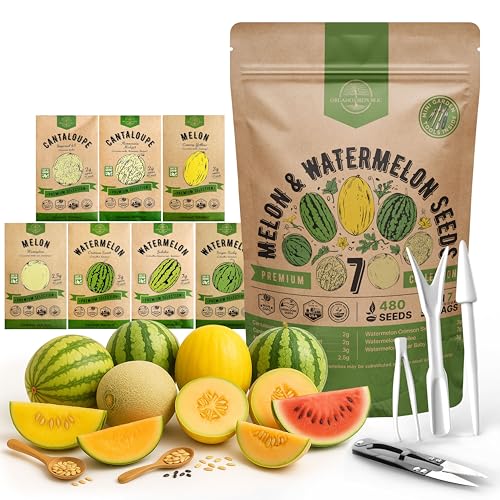
Organo Republic 7 Melon & Watermelon Variety Pack

Survival Garden Seeds 15 Vegetable Vault

Organo Republic Black Oil Sunflower 9g Pack

B&KM Farms 30k+ Heirloom Seed Kit 30 Variety

Seedboy Organic Beefsteak Tomato Seeds

PLANTMEW 15k Seed Vault with Backpack

Purely Organic Walla Walla Onion Seeds
The Picks, Examined More Closely
Long-term food security starts with a sealed drum you can forget about until planting day, and that’s the angle Heaven’s Harvest leans into. The kit ships inside a dedicated seed vault storage drum designed to keep moisture and pests away from dormant seeds, which matters more than variety count if you genuinely want decade-long viability.
Heirloom (open-pollinated) means seeds grown from your harvest breed true to the parent plant, so a single purchase can feed your patch indefinitely. For homesteaders who would rather rotate crops than repurchase seed kits every spring, this framing is the whole pitch.
What Stands Out
- Sealed storage drum protects dormant seeds from humidity and rodents
- 25,000+ seeds across a broad heirloom vegetable mix
- Open-pollinated varieties let you save seed from each harvest
- Cultivated vegetables only, with no invasive or restricted species mixed in
Points To Keep In Mind
- Variety list skews toward staple vegetables, so specialty growers may need to supplement
- Storage drum does the job but takes up garage space
Who Should Grab It
Preppers, homesteaders, and anyone building a year-over-year seed library for the long haul.
Swap It Out When
The Survival Garden Seeds 15 Vegetable Vault suits new gardeners who want fewer varieties but easier selection.
Most seed bundles chase the usual tomatoes-and-peppers crowd, so a packet that commits to seven melon and watermelon cultivars stands out on the shelf. Where the prior pick went broad, Organo Republic goes deep on one crop family, giving backyard growers room to compare Sugar Baby watermelons against Crimson Sweet in the same season.
You may find the individually wrapped seed packets helpful if you share or trade with neighbors, since each variety stays separated. For warm-climate gardeners with room to trellis or sprawl, this is one of the more focused packs on the list.
What It Does Well
- Seven distinct cultivars covering both melons and watermelons
- Individual resealable packets keep varieties isolated for trade or staged sowing
- Heirloom genetics mean saved seed stays true to type
- Suitable for hydroponic, indoor, and outdoor setups
Worth Bearing In Mind
- Limited to cucurbit fruits, so you still need a separate pack for staple vegetables
- Melons need heat and space, which limits use in cooler short-season regions
Built With In Mind
Backyard fruit growers in USDA zones 5 and warmer who want melon harvest variety in a single order.
Reach For A Different Pick When
Heads up: the Organo Republic Sunflower Black Oil Pack is the smarter add-on for gardeners prioritizing pollinator strips over food crops.
The 15-cultivar vault from Survival Garden Seeds lands in the sweet spot for anyone transitioning from a single raised bed to a full kitchen garden. Where Item 1 bundled survival volume and Item 2 went specialty, this one keeps the list familiar: tomatoes, peppers, cucumbers, lettuce, squash, and the everyday staples.
For first-time gardeners, fewer well-chosen varieties often beat a 30-variety kit you’ll never fully plant. The mix also works across most US climates, which makes it a sensible starting point before you graduate to the larger drum kits.
Real-World Strengths
- Fifteen staple vegetables cover a typical dinner plate
- Beefsteak tomatoes, peppers, and lettuce suit raised beds and in-ground plots alike
- Compact cultivar count helps new gardeners avoid decision fatigue
Room For Improvement
- No storage drum included, so seeds need your own airtight jar
- Less variety than the 30-variety options higher on the list
The Right Fit
New gardeners who want a confident first season without sorting through 30+ packets they may never open.
Look Elsewhere When
Households feeding four or more should consider the B&KM Farms 30,000+ Kit for broader crop rotation across the year.
Sunflowers earn their keep three times over: as pollinator magnets, as edible seed producers, and as a windbreak along a garden’s south edge. The black oil sunflower (Helianthus annuus) variety packed here is the same cultivar pressed into cooking oil, so the harvest reaches beyond ornamental bouquets.
You may find the resealable craft envelope surprisingly useful for storing leftover seed between sowings. For most backyards, nine grams is plenty to establish a pollinator strip without dominating the entire plot.
Useful Strengths
- Black oil cultivar is edible and suitable for pressing or roasting
- Single-purpose packet keeps decisions simple
- Resealable envelope shields seed from sunlight and moisture
- Works indoors, outdoors, or in hydroponic trays for early starts
Trade-Offs
- Single crop means you’ll need companion seed packs for a full kitchen garden
Feature Snapshot
Made For
Pollinator-friendly gardeners who want an edible sunflower alongside their vegetable rotation.
A Better Fit Elsewhere
Vegetable-first gardeners should pair this with the Survival Garden Seeds 15 Vegetable Vault instead of choosing one over the other.
Thirty cultivars and 20,000+ seeds puts the B&KM Farms kit in working-garden territory rather than weekend-project scale. Compared to the Survival Garden Seeds 15-variety entry, this kit doubles the rotation options and adds fruit types to the mix, so succession planting and crop swaps stay flexible across a full growing calendar.
The bundled online planting guide is a quiet differentiator for gardeners who want reference material without buying a separate book. For a household feeding itself year-round, the variety count alone justifies the larger footprint.
Advantages To Know
- 30 fruit and vegetable varieties for true crop rotation
- Bonus online planting guide covers sowing, harvesting, and seed saving
- 20,000+ seeds comfortably cover multi-season planting
- Heirloom genetics support long-term seed saving
Potential Compromises
- Higher variety count raises the chance of unused packets by season’s end
- No sealed storage drum, so you’ll need airtight containers
Best Suited To
Family-scale gardeners running a full summer rotation and saving seed for next year.
Consider Something Else When
Apartment growers with a single balcony bed will find the Seedboy Organic Beefsteak Tomato packet far easier to finish in one season.
Sometimes the right move is one packet, one crop, one season. The Seedboy Rainbow Beefsteak offering leans into USDA Organic certification by OTCO and proudly US-grown seed stock, which simplifies the decision for gardeners who care about both organic status and origin traceability.
Single-variety packets like this work well for first-time tomato growers who want to focus on staking, watering, and pruning without juggling ten cultivars. You may find the single-crop format pairs naturally with the broader vault kits reviewed earlier.
The Case For It
- USDA Organic certification via OTCO for traceable growing standards
- US-origin seed stock supports domestic supply chains
- Single-crop format suits new tomato growers learning the ropes
- Beefsteak tomatoes are a versatile kitchen staple
Honest Caveats
- Single crop means you still need other varieties for a full vegetable garden
- Beefsteak tomatoes need staking and longer warm seasons than cherry types
Core Details
Perfect Match For
Beginner tomato growers and Organic-focused gardeners who want one crop done right before expanding.
Where A Sibling Pick Shines
The Purely Organic Walla Walla Onion Seeds work better for gardeners who would rather grow storage crops than slicers.
Seed kits normally arrive in cardboard boxes or storage drums, so the survival backpack framing here is genuinely different. The PLANTMEW kit bundles 15,000+ non-GMO seeds with a carry-friendly backpack, which suits gardeners who want portability for bug-out bags, off-grid weekends, or simply moving inventory between plots.
Beans, squash, lettuce, tomatoes, and the usual suspects round out the variety list, and the sealed moisture-proof inner bags aim to protect dormant seed. For a hobbyist approach to emergency preparedness, this format is hard to beat.
Notable Upsides
- Survival backpack included for grab-and-go portability
- Sealed moisture-proof inner bags help preserve germination
- 15,000+ seeds across beans, squash, tomatoes, and more
- Suitable for hydroponic, indoor, and outdoor use
Softer Spots
- Variety count is lower than competing kits at similar volume
- Backpack format trades long-term shelf life for portability
Feature Snapshot
Whose Shelf It Belongs On
Off-grid hobby gardeners and emergency-preparedness planners who want seed kits they can actually carry.
Skip It When
Long-term homestead storage favors the Heaven’s Harvest drum kit, which seals out humidity more reliably.
Walla Walla is one of those onion names that signals “the sweet one,” and this packet stays true to that reputation. Approaching 200 seeds per pack and a US-origin production chain make it a sensible choice for gardeners who would rather grow storage crops than slicers or salad crops.
Onions also reward patience: long-day onions like Walla Walla suit northern growers, while southern zones need short-day alternatives. The sowing guidance here, working soil 4 to 6 weeks before the last frost and stopping water when tops fall, fits a traditional outdoor garden calendar.
The Upside
- USDA Organic, Non-GMO, open-pollinated, heirloom status
- US-origin seed production for traceable sourcing
- Approximately 200 seeds per packet
- Famous sweet variety suited to long-day northern climates
Less Ideal Details
- Single crop means you’ll need other seed packs for variety
- Long-day variety may bulb poorly in southern short-day zones
Product At A Glance
Made For
Northern kitchen gardeners in zones 5 and colder who want sweet storage onions and traceable organic seed.
Not Your Match When
Southern short-day growers should swap to the B&KM Farms 30-variety kit for region-appropriate onion and vegetable options.
How To Match These Seed Kits To Your Plot
Seed catalogs blur together until you anchor the decision to your growing zone, plot size, and storage goals. Most non-GMO heirloom kits fall into three buckets: long-term survival vaults with sealed drums, kitchen-garden collections of 10 to 30 varieties, and single-crop specialty packets.
The sealed drum kits reward gardeners who already know they will save seed across seasons. Kitchen-garden kits work better for first-year growers who want a broad rotation without the commitment of a 25,000-seed drum. Single-crop packets pair well with either approach, filling gaps in a vault or letting a beginner focus on one crop at a time.
Variety count matters more than raw seed count once your plot tops a few hundred square feet. Thirty varieties let you rotate crops to manage soil health, while 15 varieties still cover most dinner plates. Single-crop packets shine when you want to grow a heritage variety, like Walla Walla onions or a Rainbow Beefsteak tomato, with full traceability from a US organic supplier.
Storage format quietly shapes long-term value. Sealed metal drums block humidity and rodents far better than resealable envelopes, but they cost more space in a garage. Backpack kits trade shelf life for portability, which works for off-grid planning but less so for decade-long storage.
Key Considerations Across These Picks
Mistakes Worth Dodging
The most common slip is buying a 30-variety kit before you’ve run one full season. Unused seed packets pile up, and germination rates drop year over year. A focused 15-variety vault often covers more actual dinners than a sprawling kit half of which never gets planted.
Another trap is ignoring climate zone match-ups. Long-day onions bulb poorly in southern short-day regions, and heat-loving melons stall in cool northern summers. Matching the variety to your USDA zone matters more than chasing variety count.
Where The Extra Money Goes
Premium tiers buy sealed storage drums, higher purity claims, and bundled reference guides. The drum alone justifies the upgrade for gardeners planning to keep seed across multiple seasons, since humidity control is the leading cause of germination failure in stored seed. Kits with online planting guides and region-tested cultivar lists earn the next tier up, especially for new gardeners who would otherwise sort through trial and error.
Frequently Asked Questions
What Does Non-GMO Actually Mean For Seeds?
Non-GMO seeds come from parent plants that were not genetically engineered in a lab, so they carry traditional breeding traits only. In an heirloom (open-pollinated) packet, that usually means saved seed grows back true to type, season after season.
Are Heirloom And Non-GMO The Same Thing?
They overlap but are not identical. Heirloom describes an open-pollinated variety passed down through generations, while non-GMO is a genetic-modification status. Most heirloom seeds are non-GMO by default, but a non-GMO label can also apply to modern hybrid open-pollinated varieties.
How Long Do These Seed Vaults Stay Viable?
Properly stored heirloom seeds in sealed containers commonly remain viable for 3 to 5 years, with some crops lasting much longer. Heat, light, and humidity are the main drivers of germination loss, so a cool, dark, dry storage drum makes the biggest difference.
Can You Save Seed From The Harvest And Replant It?
Yes, with open-pollinated and heirloom varieties you can. Saving seed takes a little extra work at harvest, but the genetics come back true to the parent plant, which is exactly the long-term value these kits are built around.
Do These Kits Work In Small Spaces And Containers?
Most of the included crops adapt well to raised beds and large containers, especially tomatoes, peppers, lettuce, and herbs. Melons and sprawling squash need more room, so container growers should focus on compact cultivars from single-crop specialty packets.
Closing Remarks
A reliable seed kit is less about chasing the biggest variety count and more about matching varieties to your zone, your storage setup, and your willingness to save seed year after year. Pick the format that fits how you actually garden, and the rest tends to fall into place season by season.
