

Weeds don’t take weekends off, and neither does the urge to keep a tidy garden without spending every Saturday pulling them. Non-woven landscape fabrics sit beneath mulch, gravel, or decorative stone to block sunlight while letting water and air reach plant roots. The right roll turns a stubborn border into a low-maintenance bed and helps drainage paths do their job without clogging with silt. Pick the wrong weight or weave, and you’ll fight torn edges and muddy patches for years.
The Picks In Brief

VEVOR 6FTx100FT Non-Woven Geotextile 8oz Driveway Fabric

Dewitt 3ft x 100ft Non-Woven 12-Year Landscape Fabric

FEED GARDEN 4ft x 100ft 3.2oz Landscape Fabric with Stakes

HOOPLE 3FTx100FT Premium Heavy-Duty Weed Barrier
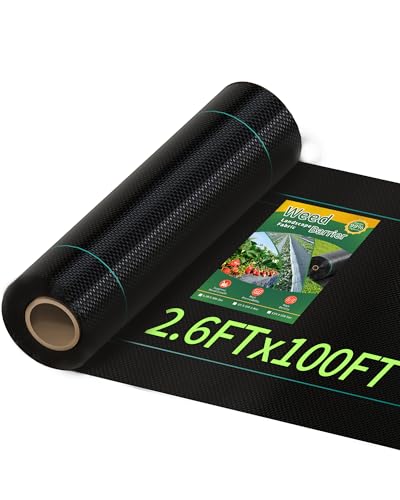
Pterying Heavy Duty Geotextile 2.6ft x 100ft

Grenebo 4FT x 100FT Heavy Duty Weed Barrier

Super Geotextile 5oz Weed Barrier Fabric 3ft x 100ft
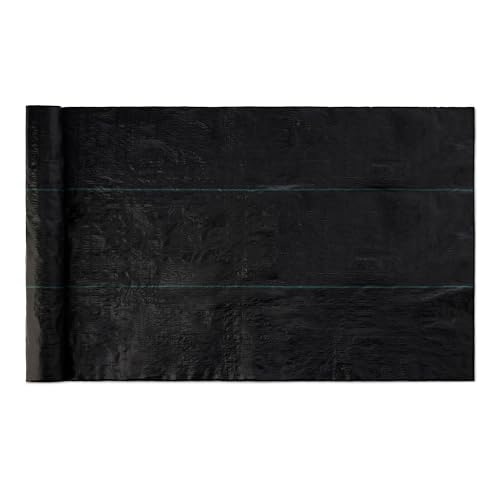
Amazon Basics Weed Barrier Landscape Fabric 3ft x 50ft
The Strengths Of Each Pick
Driveways eat ordinary fabric alive. The weight of gravel plus the slow grind of tire pressure shreds anything thinner than a contractor-grade geotextile, which is exactly the gap this VEVOR roll is built to fill. At 8 oz per square yard, it lands in the heavyweight tier that holds shape under stone and resists the tearing that ruins lighter rolls within a season.
You lay it directly over compacted soil before dumping gravel, and the non-woven polypropylene construction lets storm water drain through while keeping silt from migrating up into your decorative stone. For anyone tackling a French drain run or a long gravel lane, the 6-foot width means fewer seams and less fiddly overlap work.
Strengths Worth Knowing
- Heavy 8 oz weight handles vehicular traffic without puncturing
- Non-woven needle-punched structure permits strong lateral water flow
- Wide 6-foot roll minimizes seams on large driveway projects
- PP construction resists rot, dampness, and common soil acids
- Same fabric works under patios, paths, and retaining wall backfill
Things To Consider
- Heavier weight makes solo unrolling a two-person job on a windy day
- Overkill for shallow flower beds where a 3 oz roll would suffice
- Requires secure pinning at edges to prevent shifting under fresh gravel
Key Specs
Who It Suits Best
Homeowners laying a gravel driveway, building a French drain, or finishing a base layer beneath pavers in a high-traffic zone.
Consider Something Else When
Shallow annual beds get more value from the lighter Dewitt 12-Year roll, which spreads easier and still suppresses weeds effectively.
Long-term installations demand a fabric that won’t crumble after three seasons. The Dewitt 12-Year roll carries a hydrophilic treatment (a finish that helps water pass through rather than bead on top) and is rated to keep blocking weeds for a decade-plus in typical landscape settings. The 3 oz weight slots it into the medium-duty category that handles flower beds, shrub borders, and around-tree installations without breaking a sweat.
Compared with the VEVOR above, this fabric trades raw heft for breathability and longevity. You unroll it over prepped soil, pin it down, slice X-shaped planting holes, and cover with mulch. The treated surface encourages water to spread laterally instead of running off, which is a real benefit during dry Julys when soaker lines are scarce.
Useful Highlights
- Hydrophilic coating improves water penetration through the fabric
- 12-year service life rating for permanent landscape beds
- Lightweight 3 oz material cuts and conforms easily around plants
- Non-woven structure keeps soil moisture more consistent under mulch
Worth Noting
- Too light for driveways or areas with foot and vehicle traffic
- 3-foot width creates more seams on wide installations
- Must be fully covered with mulch to prevent UV degradation
Right Fit For
Gardeners installing permanent shrub, perennial, or foundation plantings who want a single fabric install that lasts many seasons.
Look Elsewhere When
You need a fabric for a gravel path or driveway where the VEVOR 8 oz roll is the stronger, more puncture-resistant choice.
Few things stall a weekend project faster than realizing you forgot to order landscape staples. FEED GARDEN solves that by bundling 30 U-shaped stakes with the 4-foot roll, plus printed green guide lines that make plant spacing consistent without measuring tape gymnastics. The 3.2 oz weight is a noticeable step up from entry-level fabrics, giving the material enough body to lay flat instead of flapping in the breeze.
This is the roll to grab for a fresh vegetable bed or a tidy shrub border where the included stakes and visible guide stripes save an extra trip to the garden center. It ships as two folded 4 by 50-foot panels, which is easier to maneuver through a gate than a single fat roll.
Notable Gains
- 30 anchor stakes included, no separate purchase required
- Printed green alignment stripes speed plant placement
- 3.2 oz weight balances durability and fold-flat convenience
- Polypropylene weave tolerates cutting without unraveling badly
Honest Caveats
- Not rated for vehicular traffic or deep gravel applications
- Folded panels require overlap joining on wider beds
- Mid-tier weight means the included stakes are essential, not optional
Made For
First-time landscapers and weekend DIYers who want stakes, guide lines, and a workable fabric weight in one box.
Reach For A Different Pick When
A high-traffic gravel lane is the project; the Super Geotextile 5 oz roll handles compaction and puncture much better.
Beginner-friendly fabrics earn their place when they go down without a fight. HOOPLE ships its roll folded rather than wound tightly, so it flattens on contact with the soil instead of curling back on itself. The premium non-woven build still lets moisture and air through to plant roots, which is the core promise any weed barrier must keep to be worth installing in the first place.
For a clean first bed install along a fence line or under a row of foundation shrubs, the folded layout and moderate weight let one person handle the entire roll without dragging a heavy cylinder across the yard. It’s the option that minimizes frustration on a small, controlled project.
Where It Helps
- Folded format unrolls flat, resists curl-back on the soil
- Non-woven structure supports water and air movement underground
- Manageable 3-foot width suits narrow borders and edging strips
Small Caveats
- 3-foot width creates more seams across wider installations
- Weight and density not specified for driveway-grade use
- Stakes sold separately for anchoring
Best Suited To
First-time installers laying a small bed or border where easy handling matters more than heavyweight specs.
A Better Fit Elsewhere
Large vegetable gardens benefit more from the FEED GARDEN roll, which ships with stakes and printed guide lines for fast plant spacing.
Woven polypropylene behaves differently from non-woven material underfoot. Pterying uses a woven construction with UV stabilization, which spreads the load across intersecting fiber strands and shrugs off the fraying that dog-ears non-woven cuts over time. For most vegetable patches and shrub borders, that trade-off delivers cleaner edges around planting holes and a longer visible lifespan under direct sun exposure.
The 2.6-foot width is narrower than most of the picks on this list, so it’s best suited to strip installations between rows, narrow perennial beds, or wrapping individual tree rings. It’s not the fabric to spread across a wide open slope without lots of overlap joins.
A Few Highlights
- Woven polypropylene resists tearing and fraying at cut edges
- UV-stabilized build tolerates sun exposure between plantings
- Solid light blockout prevents most weed seed germination
Points To Note
- Narrow 2.6-foot width requires frequent overlap on larger beds
- Woven construction drains slightly slower than non-woven alternatives
- Weight class not specified for high-load driveway applications
Perfect Match For
Vegetable gardeners and landscapers building row-style beds or individual tree rings where clean edge cuts matter.
Swap It Out When
A wider bed needs fewer seams; the Grenebo 4-foot roll covers more ground per strip with similar weed blocking.
Big shrub beds and tree rings need fabric that covers ground without a puzzle of seams. Grenebo’s 4 by 100-foot roll lays out in long, manageable strips and the high-density non-woven build focuses on light blockout: starving weed seeds of the sunlight they need to germinate in the first place. That’s the underlying mechanism any weed barrier depends on, and the heavier density here does it more reliably than budget-weight cloth.
You pin the edges, slice planting openings, and dress with mulch or decorative stone. The breathable non-woven structure still admits water and air, so root systems underneath don’t suffocate. It’s the dependable middle-of-the-road pick for anyone replacing fabric that wore out after a few seasons.
Real Benefits
- High-density non-woven material blocks light to suppress germination
- 4-foot width speeds coverage of wide beds and tree rings
- Breathable build permits water and nutrient movement into soil
- Reduces weeding frequency in established landscape beds
Some Limits To Know
- Specific weight rating not listed, so verify before vehicle loads
- Must be covered fully with mulch to prevent UV breakdown
Whose Shelf It Belongs On
Homeowners refreshing large shrub or tree beds who want dependable light blockout without paying for driveway-tier weight.
Not Your Match When
You need a 12-year service life rating on the spec sheet; the Dewitt roll is the documented long-haul option.
Hybrid construction sets this fabric apart from the rest of the list. One face is woven for tensile strength while the reverse side is needle-punched, a process that tangles fibers with thousands of barbed needles to create a felt-like filtering surface that retains water and traps sediment. The result is a single roll that handles both load-bearing separation and water management at once.
Contractors and serious DIYers tend to reach for this dual-surface format on drainage projects where ordinary non-woven fabric lets fine silt migrate into the aggregate layer. For most home garden beds, the extra engineering is welcome overkill rather than a necessity, but it earns its keep under retaining walls and along foundation perimeters.
What Works In Its Favor
- Hybrid woven and needle-punched sides handle load and filtration together
- True 5 oz weight exceeds most garden-grade fabrics
- Single-piece cut reduces scrap on rectangular installations
Trade Offs
- Higher price tier than basic 3 oz garden fabrics
- 3-foot width means more seams on wide beds
Who Should Grab It
Landscape contractors and drainage-focused DIYers building retaining walls, French drains, or foundation perimeters.
Another Choice May Suit
Casual gardeners refreshing a flower bed get more value from the Amazon Basics roll at a lower entry weight.
Small beds don’t need 100-foot monsters. The Amazon Basics 3 by 50-foot roll delivers 150 square feet of breathable weed barrier in a package that stores on a shelf and handles without help. The 3.2 oz polypropylene (around 90 GSM) lands in the standard garden weight class, blocking light while letting rainfall and irrigation pass through to the soil beneath.
This is the right scale for fixing one neglected border or wrapping a small tree ring. If your project expands, you’ll likely buy another roll rather than wrestle with leftover fabric from an oversized industrial package.
Everyday Advantages
- Compact 3 by 50-foot size suits smaller residential projects
- Breathable fabric lets water and nutrients reach plant roots
- Tear-resistant 3.2 oz polypropylene handles typical garden wear
- Works for both garden bed refreshes and gravel path underlayment
A Few Limitations
- Only 150 sq ft per roll, not enough for large property installs
- Not rated for heavy vehicular or compacted gravel applications
Built With In Mind
Casual gardeners patching one border or refreshing a small bed who want a manageable roll without committing to industrial quantities.
Skip It When
A long driveway or large property installation is the goal; the VEVOR 8 oz roll handles that scale and weight class better.
Picking The Right Fabric Weight And Width
Fabric weight, measured in ounces per square yard, is the single biggest predictor of how a roll performs over time. Anything in the 3 to 3.5 oz range handles light garden beds, perennial borders, and decorative mulch applications where foot traffic is minimal. Heavier 5 to 8 oz fabrics earn their keep under gravel paths, driveways, retaining wall backfill, and French drains, where puncture resistance and load distribution matter more than easy handling.
Roll width determines seam count on wide installations. A 6-foot roll covers a driveway strip in one pass, while 3-foot widths require overlapping joins that become weak spots over time. For narrow borders between a sidewalk and lawn, a 3-foot roll avoids waste. Length usually runs 50 or 100 feet, and choosing length based on measured square footage prevents paying for material that ends up stored in the garage.
Material construction shapes drainage behavior. Non-woven fabrics use tangled or needle-punched fibers that let water pass through quickly while filtering sediment, which suits most garden beds and drainage applications. Woven fabrics use flat tapes woven in a grid, which gives them higher tensile strength but slower water flow. Hybrid rolls combine both surfaces for jobs that demand both filtration and load-bearing capacity.
UV resistance and service life ratings deserve a quick look before buying. Fabrics that spend time exposed to direct sun without mulch cover break down faster, so any installation needs a 2 to 3 inch mulch or stone layer on top within a day or two of laying. Long-life ratings like the 12-year figure on the Dewitt roll signal better UV inhibitors in the polymer blend.
Key Considerations Across These Picks
Mistakes Worth Dodging
Skipping overlap at seams is the most common install error. Each strip should overlap the next by at least 6 inches, with anchoring stakes every 12 to 18 inches along the overlap. Forgetting this lets weeds find the gap and push up between strips, undoing the entire project within a season.
Buying fabric that’s too light for the job costs more in the long run. A 3 oz garden fabric under a gravel path punctures within months, allowing aggregate to migrate into the soil. Match the weight to the use case before clicking through to the listing.
Where The Extra Money Goes
Higher-tier fabrics cost more because the polypropylene is denser, the fiber structure is more deliberate, and UV inhibitors are formulated for longer service. For a one-time driveway install you want to forget about, the 8 oz VEVOR pays for itself by avoiding a redo in three years. For a small front border, the Amazon Basics roll is the smarter spend.
Frequently Asked Questions
How long does non-woven landscape fabric last?
Most non-woven fabrics last 5 to 12 years when fully covered with mulch or stone. The Dewitt 12-Year roll carries an explicit long-life rating, while lighter 3 oz fabrics typically hold up for 5 to 7 seasons before breaking down.
Can I use landscape fabric under gravel?
Yes, but use a heavier 5 to 8 oz non-woven fabric like the VEVOR or Super Geotextile rolls. Lighter 3 oz fabrics puncture under the weight of gravel and vehicle traffic.
Do I need to remove old fabric before installing new?
Remove old fabric if it’s torn, weed-ridden, or has decomposed into the soil. Otherwise, you can lay new fabric directly over the old layer as long as the surface is smooth and the weeds are cleared first.
Is woven or non-woven better for gardens?
Non-woven fabrics drain faster and filter sediment better, which suits most garden beds and drainage projects. Woven fabrics offer higher tensile strength but slower water flow, which suits load-bearing applications like driveways.
Closing Remarks
Weed control starts with the fabric under the mulch, and matching the roll to the project saves you from fighting the same problem twice. Heavy driveways and drainage jobs want the 5 to 8 oz heavyweight tier, while garden beds and borders get enough protection from a standard 3 to 3.2 oz non-woven roll covered properly with mulch. Pick the weight, width, and material construction that fit your project, anchor it well, and the weeding calendar gets a lot quieter.
