

Roses are a different kind of gardening project. Pick a fertilizer that does not match your soil and your climate, and the difference shows up fast in leggy canes, weak buds, or yellowing leaves. The eight picks below cover organic granular blends, liquid concentrates, and slow-release options built around real rose nutrition. Whether you tend a single patio container or a long bed of climbers, one of these formulas should match how you actually garden.
A Side-By-Side Look
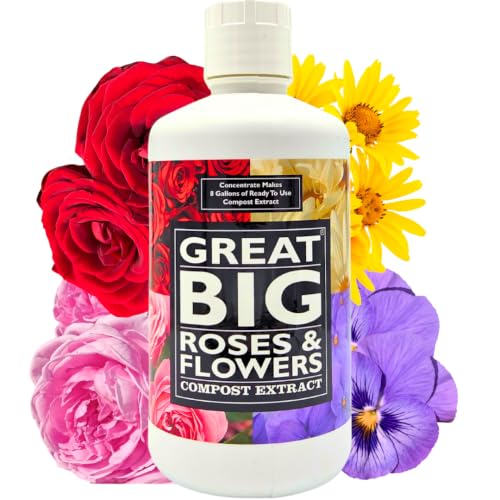
Great Big Roses Fertilizer Booster 32 oz
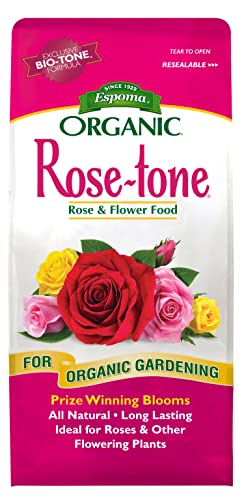
Espoma Organic Rose-Tone 4-3-2 Fertilizer 4 lb Bag (Pack of 2)

Farmer’s Secret Rose Booster Fertilizer 8 oz Concentrate

Farmer’s Secret Rose Booster Fertilizer 32 oz Concentrate

Farmer’s Secret Desert Rose Liquid Plant Food 8 oz 3-11-8
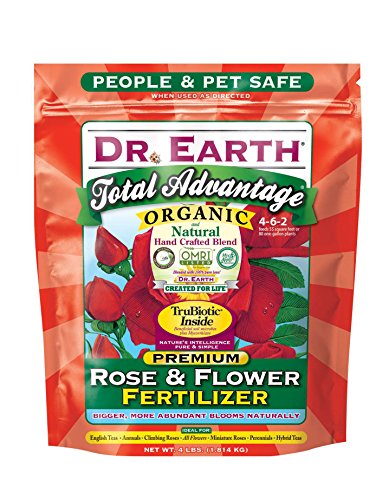
Dr. Earth Total Advantage Rose & Flower Fertilizer 4 lb

Slow Release Lawn Fertilizer 25-5-10 NPK 20 kg Bag

Jobe’s 4102 Rose Outdoor Fertilizer Food Spikes 10 Count (Pack of 2)
More Details On Our Top Picks
The Great Big Plants booster is built for gardeners who already have a feeding routine in place but want a bit more from it. The 32-ounce bottle is a liquid formula that moves into the root zone and helps existing soil nutrients become more available to your plants. For rose beds that look tired or underperform despite regular feedings, the logic is simple: stop adding more on top and unlock what is already there.
In practice, this is a flexible add-on rather than a stand-alone feeding plan. Mix it into your normal watering schedule, and you can layer it alongside granular products like the Espoma Rose-Tone covered below. Depending on your soil type, you may notice greener foliage within a few weeks. Gardeners with heavy clay beds often report the most visible change, while sandy soils see less dramatic shifts.
Reasons It Performs
- Liquid format reaches roots fast and pairs with existing fertilizer routines
- Works across roses, hydrangeas, citrus, and other flowering shrubs
- Large 32-ounce bottle handles several mid-size beds per season
- Reduces waste by helping soil-bound nutrients release to plants
Things To Consider
- Functions as a booster rather than a complete feeding on its own
- Results depend heavily on starting soil quality and existing amendments
- Liquid bottles need cool, dark storage between feedings to keep the formula stable
Right Fit For
Experienced rose growers who already fertilize but want to push a stubborn bed toward stronger bloom cycles.
Look Elsewhere When
You want a single, complete organic feeding, in which case the Espoma Organic Rose-Tone is a better starting point.
Espoma Rose-Tone is the workhorse organic granular for gardeners who would rather feed the soil than chase synthetic feedings. The 4-3-2 NPK ratio is intentionally mild, leaning toward steady vegetative growth and bloom support rather than aggressive green push. Two 4-pound bags in the pack give you enough volume to cover a long rose bed or several smaller plantings across a full season.
The Bio-tone ingredient blend is the practical upgrade here. It adds beneficial microbial activity to the soil, which helps roots process organic material into usable nutrition over time. Sprinkle it around the drip line, work it lightly into the top inch of soil, and water in. Unlike the liquid booster above, this is a granular that keeps working through rain and irrigation between applications.
Notable Upsides
- Organic formula safe around edible companion plantings in mixed beds
- 5% calcium supports stronger cell walls in canes and buds
- Suitable for knockout, climbing, and shrub roses plus flowering companions like clematis
- Two-bag pack reduces mid-season running out during peak growth
Worth Noting
- Granular feeding takes longer to show visible results than liquid concentrates
- Stronger nitrogen needs may call for a supplemental feeding during peak summer
Feature Snapshot
Who Should Grab It
Organic-focused gardeners with mixed rose and perennial beds who want a steady, low-stress feeding schedule.
Where Another Pick Suits Better
If you want a set-and-forget spike instead of measuring granular feedings, the Jobe’s Rose Spikes handle that job with less hands-on work.
The 8-ounce Farmer’s Secret Rose Booster is the entry point for gardeners curious about liquid concentrates without committing to a larger bottle. Two teaspoons per gallon of water is the working dilution, and that small dose covers a lot of ground across weekly applications. The formula targets roses specifically rather than generic flowering plants, so you are not paying for nutrients your roses will not use.
For a beginner testing a liquid routine for the first time, the small format keeps things simple. You can use the same concentrate for container roses on a patio, a couple of mid-size landscape shrubs, and a small climber without finishing the bottle in a single season. Compared with the larger 32-ounce version below, the trade-off is per-ounce value in exchange for less storage commitment and easier measurement.
Standout Benefits
- Super-concentrated formula stretches a small bottle across many feedings
- Simple dilution ratio fits neatly into a weekly watering can routine
- Targets rose-specific nutrition rather than a general flowering blend
- Compact bottle stores easily on a garage or shed shelf
Trade Offs
- Per-ounce cost runs higher than the 32-ounce concentrate option
- Weekly mixing and measuring takes more attention than granular or spike alternatives
Made For
New rose growers working with a handful of plants who want to learn a liquid feeding routine without overcommitting on volume.
Consider Something Else When
You maintain a long rose bed or multiple landscape shrubs, in which case the larger Farmer’s Secret 32-ounce concentrate offers better long-run value.
Step up to the 32-ounce bottle and the same Rose Booster formula becomes a season-long workhorse. The dilution stays at two teaspoons per gallon, but you are now drawing from a reservoir that handles dozens of weekly feedings across a substantial rose collection. For gardeners running dedicated rose borders or mixed flowering hedges, this is the practical scaling choice.
The liquid form absorbs quickly into the root zone, which matters when you need a responsive feed during the active growing window. Roses that have struggled with slow-release granules in the past sometimes respond better to a weekly liquid schedule, especially in well-draining soils that leach nutrients between rain events. Owners commonly note that consistent weekly use produces more uniform bud development compared with sporadic feedings.
Practical Pluses
- Large 32-ounce bottle lowers the per-feeding cost over a full season
- Liquid uptake is faster than granular options, which helps during peak growth
- Same rose-specific formula works across climbers, shrubs, and container roses
- Reduces the number of mid-season restock trips to the garden center
Honest Caveats
- Requires a regular weekly commitment to mix and apply
- Heavier bottle means more shelf space in a cool, dark storage spot
- Not designed for adenium or desert rose varieties covered in the next pick
Quick Facts
Best Suited To
Active rose gardeners managing multiple shrubs or a dedicated border who want a dependable liquid concentrate on hand.
Skip It When
You mainly grow adenium or desert roses, since the Farmer’s Secret Desert Rose formula below is built for that plant’s distinct needs.
The desert rose, or adenium, plays by different rules than a hybrid tea or knockout rose. The 3-11-8 NPK ratio here is built around heavy phosphorus and potassium to support flowering and caudex, or trunk, development rather than leafy growth. For collectors and indoor growers who keep a few adeniums in bright windows or a sunroom, the formula matches what those plants actually demand during the active season.
Dilution is gentle: half a teaspoon in at least two cups of water for younger plants under a foot tall, with stronger concentrations for established specimens. The liquid format drops into a normal weekly watering routine without requiring a separate feeding day. For gardeners maintaining both classic roses and adeniums, the targeted ratio avoids the over-supply of nitrogen that would push leggy growth on caudex plants.
Real Benefits
- High phosphorus ratio supports flowering and bud set on adeniums
- Concentrated format keeps the small bottle economical for indoor collections
- Adjustable dilution handles both young and mature desert rose plants
- Liquid uptake suits container growing where nutrients leach quickly
Points To Keep In Mind
- Not a general-purpose rose food, so it does not replace classic rose formulas
- Smaller plant collection makes the bottle last a long time, which can invite shelf-life questions on very old stock
Feature Rundown
Who Will Love This
Indoor growers and caudex collectors maintaining adeniums in containers who want a formula matched to those plants.
Reach For A Different Pick When
You are feeding landscape roses outdoors, where the Espoma Rose-Tone or Farmer’s Secret 32-ounce concentrate fit the bill more naturally.
Dr. Earth Total Advantage covers a wide net: roses, flowering trees, shrubs, annuals, and perennials all sit inside the use case. The 4-pound granular bag is sized for a small to mid-size landscape, and the formula leans on natural ingredients rather than synthetic nitrogen sources. For households with curious dogs, kids, and outdoor play, the people-and-pet-safe framing removes one of the more common worries about feeding flowering beds.
Application stays simple. Broadcast around the drip line of roses and water in, repeating on the schedule printed on the bag. Compared with the Espoma option above, Dr. Earth positions itself as a broader flowering-plant feed rather than a rose-specific blend, so you get more flexibility if your rose bed sits next to hydrangeas, lilacs, or flowering ornamentals.
Where It Helps
- Safe formulation for households with children and pets roaming the yard
- Works across roses, flowering shrubs, trees, and bedding plants
- Granular format handles long feeding intervals between applications
- Natural ingredients support soil biology rather than only feeding the plant
Some Limits To Know
- Granular feedings show results more slowly than the liquid concentrates on this list
- 4-pound bag covers smaller landscapes, so larger rose collections may need multiple bags per season
Perfect Match For
Family gardeners with shared outdoor spaces who want a safe, broad-spectrum flower and rose feed in a single bag.
A Better Fit Elsewhere
Rose specialists chasing maximum bloom response on a dedicated bed will find the Espoma Rose-Tone more focused.
This 25-5-10 slow-release granular is built for lawns, not rose beds, so the inclusion on this list comes with a clear caveat. The 20-kilogram bag covers a large property, and the high nitrogen ratio drives green leafy growth at a pace that suits turfgrass. Where it overlaps with rose care is in the context of a property that mixes lawn and rose borders, where one bulk product can simplify fertilizer storage and feeding routines.
The 65% granular nitrogen blend feeds up to 110 days, so a single application handles most of a growing season for the lawn areas. For gardeners who want to keep the lawn lush while running a separate, more rose-appropriate product on the flower beds, this fills the turfgrass role. The kid and pet safe framing makes it workable in shared outdoor spaces, though the high nitrogen makes it a poor direct choice for rose flowering.
Bright Spots
- Slow-release formula reduces how often you walk the lawn with a spreader
- Large 20 kg bag handles expansive properties in a single purchase
- Safe formulation fits households with children and pets on the lawn
- High nitrogen drives visible green-up on tired turf
What To Weigh
- Not formulated for rose flowering; over-application near rose beds can push leafy growth at the expense of blooms
- Bulk bag needs dry, sealed storage to prevent clumping between uses
Key Product Details
Built With In Mind
Property owners with large lawns who also keep rose borders and want one bulk fertilizer on the shelf for turf feeding.
Swap It Out When
You want a rose-dedicated feeding, where the Espoma Rose-Tone or Farmer’s Secret 32-ounce concentrate deliver purpose-built nutrition.
Jobe’s spikes are the simplest feeding option on this list. Push a spike into the soil near the drip line of each rose, and the formula releases slowly over time. Twenty spikes across the two-pack handle a small to mid-size rose bed without any measuring, mixing, or spreader work. For gardeners who want results without a complicated routine, the appeal is obvious.
The trade-off is precision. You cannot fine-tune the dose the way a liquid concentrate allows, and the slow release means visible changes take longer than liquid feedings. In established rose beds with consistent soil, spikes often perform well because the slow nutrient delivery matches a steady growth pattern. In poorer soils or container roses that leach quickly, the liquid options above tend to deliver a more responsive feed.
Notable Gains
- Pre-measured spikes remove the guesswork from feeding
- Slow-release format works over weeks between replacements
- Clean application with no measuring cups or spreader cleanup
- Compact pack stores easily in a garden shed or garage
Practical Considerations
- Spikes concentrate nutrients in one spot, so placement near active roots matters
- Hard or compacted soils may need pre-watering to let spikes seat properly
The Right Fit
Busy gardeners and beginners who want a low-effort rose feeding without measuring or mixing.
Another Choice May Suit
You want faster, more adjustable feeding, in which case the Farmer’s Secret 32-ounce concentrate gives finer control.
Choosing The Right Rose Fertilizer For Your Garden
Roses respond to three core nutrients, and the numbers on the bag tell you how the formula leans. NPK refers to nitrogen, phosphorus, and potassium, listed in that order. Nitrogen pushes leafy cane growth, phosphorus supports root and bud development, and potassium strengthens overall plant resilience. A rose bed that is heavy on nitrogen but light on phosphorus tends to grow tall green canes with few flowers, while the opposite ratio can produce buds without the foliage to support them.
Match the formula to your growing setup. Container roses leach nutrients faster than in-ground beds, so liquid concentrates that you apply weekly usually outperform slow-release granules. In-ground landscape roses with established root systems do well on granular or spike applications that release over weeks. Soil pH, or how acidic or alkaline your soil measures, also matters: roses generally prefer a slightly acidic range near 6.5, and very alkaline soils can lock out key nutrients regardless of how much you feed.
Look at the broader use case before buying. If the same fertilizer needs to cover roses, hydrangeas, and flowering shrubs, a broad-spectrum product like the Dr. Earth Total Advantage saves the hassle of multiple products. If you keep adeniums alongside classic roses, the Farmer’s Secret Desert Rose formula targets those distinct needs without overfeeding nitrogen on caudex plants. The right pick depends on what is actually in your yard.
Shopping Notes For These Picks
Where Shoppers Go Wrong
Granular fertilizer spread too close to the cane base can burn tender bark, so keep applications out toward the drip line, or the outer edge of the foliage canopy. Liquid concentrates mixed too strong cause leaf tip burn, especially in containers where runoff concentrates salts. Always follow the dilution printed on the bottle rather than guessing at a stronger dose.
When Paying More Pays Off
Concentrated liquids cost more per ounce up front, but the per-feeding cost drops sharply at the larger 32-ounce size compared with smaller bottles. Organic granular options also tend to support longer-term soil health, which reduces the need for corrective feedings later in the season. Premium pricing usually reflects concentration, organic certification, or a more targeted nutrient profile rather than simple markup.
Frequently Asked Questions
How often should I feed my roses?
Most rose beds do well with monthly granular feedings during the active growing season, or weekly liquid feedings at the dilution printed on the bottle. Roses in containers leach faster and benefit from more frequent, lighter liquid applications.
Can I use the same fertilizer for roses and other flowering plants?
Broad-spectrum flower and rose blends, like the Dr. Earth Total Advantage, work across roses, hydrangeas, and many flowering shrubs. Specialty formulas like the desert rose blend are built for specific plant types and do not generalize as well.
Are organic rose fertilizers better than synthetic?
Organic options feed soil biology alongside the plant, which supports long-term soil health and reduces the risk of salt buildup. Synthetic feeds can produce faster visible results but require more careful dosing to avoid root burn.
When is the best time to start feeding roses in spring?
Begin feeding as new growth emerges and the first leaves fully open, typically in early to mid-spring depending on climate. Hold off on heavy feeding during summer dormancy in hot regions, then resume in early fall.
Do I need a separate fertilizer for desert roses?
Adenium and desert rose plants benefit from a higher phosphorus and potassium ratio, similar to a 3-11-8 NPK profile, rather than a classic rose formula. The Farmer’s Secret Desert Rose blend is built around that exact need.
Wrap Up
The right rose fertilizer lines up with how you actually garden, not just what is on sale. Container growers and weekly watering routines lean toward liquid concentrates, while established in-ground beds do well on granular or spike schedules. Pick the format that matches your soil, your time, and the specific roses in your yard, and the rest of the season tends to take care of itself.
