

Planting a tree in your yard is a long game, and the choices you make at the sapling stage shape what your property looks like for the next several decades. The right oak, willow, or maple can shade a roof, anchor a landscape, or put on a fall color show that neighbors slow down for. The wrong pick in the wrong spot means stunted growth, dropped acorns on the driveway, or a root system that fights your foundation. This roundup covers live saplings, seedlings, and one artificial option for renters or shade-only entries, so you can match the right tree to your soil, your climate zone, and how much patience you actually have.
A Snapshot Of The Selections
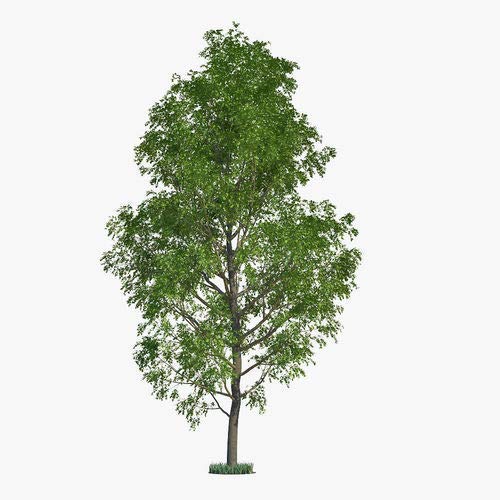
10 Hybrid Poplar Tree Cuttings

Aussie Hybrid Willow Privacy Tree

4Ft Artificial Cedar Topiary Trees (2-Pack)

Autumn Blaze Maple Tree, 1 gal

Oregon White Oak Seedling, Medium

Southern Live Oak, 10 Live Plants

California Black Oak Seedling, Medium

Live Oak Tree, 1 gal, 2-3 ft
More On The Choices That Made The List
Hybrid poplar cuttings are the speed-readers of the yard-tree world, and this ten-pack ships as bare dormant sticks rather than potted saplings. That matters: cuttings root directly into your soil after a quick soak, skipping the transplant shock that nursery pots sometimes bring. You get ten starts so a row planting along a back fence or property line fills in within a couple of growing seasons, depending on how much sun and water you give them.
Compared to the willow option later in this list, hybrid poplars tend to put on slightly less height in year one but eventually settle into a broader, denser canopy. They’re a reasonable starter tree for someone who wants fast screening without the commitment of an oak that takes a decade to look like a tree.
The Good Stuff
- Ten cuttings per order let you space a full screen or windbreak on a single purchase
- Cuttings root fast, so a spring planting often shows visible top growth the same year
- No cottony seed fluff to sweep off patios, since these are clonal cuttings rather than seeded trees
- Useful for erosion control on a sloped lot, since roots knit soil together once established
- Included planting instructions and a linked video walk you through the first soaking and trenching steps
Things To Consider
- Bare cuttings look unimpressive at delivery, so patience is required before you see any green
- Established poplars can sucker from the roots, which means occasional trimming along the row
- Fast growth translates to weaker wood, so mature trees may drop limbs in heavy ice storms
Made For
Shoppers wanting a quick privacy wall along a back property line without waiting a decade for traditional shade trees.
Look Elsewhere When
You want a true oak for long-term canopy value, in which case the Southern Live Oak, 10 Live Plants delivers a more storied silhouette if you have the space.
The Austree willow ships as a single rooted cutting already started in soil, so it arrives looking more like a young plant than the bare sticks you get with hybrid poplars. The growth claim is bold: up to ten feet in the first year under decent conditions. In most backyards that translates into a meaningful privacy screen after a single growing season, which is hard to match with any oak seedling.
Spacing matters here. The seller recommends three to five feet between plants for a tight hedge row, which means a single order fills only a short stretch. You may find yourself buying several to run a full property line, but unlike the poplars above, each willow is an individual rooted plant with a head start on leafing out.
Advantages To Know
- Single rooted cutting means it transplants with less establishment stress than bare cuttings
- Tolerates dry spells and a range of soil types once roots develop
- Listed as suitable across USDA zones 3 through 10, covering most of the country
- Tight spacing creates a sound-dampening barrier alongside the windbreak benefit
Worth Noting
- One plant per order, so building a hedge means stacking multiple purchases
- Willow wood stays somewhat brittle, so plan to thin older limbs every few years
- Drought tolerance applies after establishment, so the first summer needs regular watering
Key Specs
Best Suited To
Patience-light gardeners who want a visible barrier in months rather than years, especially along rural property edges.
A Better Fit Elsewhere
If you’d rather have a slower-growing native oak than a hybrid willow, the California Black Oak Seedling, Medium gives you a regional fit for dry foothills.
These four-foot artificial cedars are the odd one out in a list of live trees, and that’s the point. You get a pair of pre-fluffed PE plastic shrubs on ground spikes, ready to plant beside a front door, flank a walkway, or fill an empty corner where soil conditions won’t support anything alive. There’s no acorn mess, no seasonal dieback, and no watering schedule to memorize.
For renters or homeowners with a shaded entry where nothing seems to survive, artificial topiaries solve a real problem. The cedar shape gives you the evergreen silhouette that an oak like the live option below would only provide after a decade of growth.
A Few Strong Suits
- Two trees per order means you can flank a doorway symmetrically on one purchase
- Ground spike installation takes minutes with no digging required
- Holds its color through weather exposure, so no seasonal browning to manage
- Works equally well in covered porches or open garden beds
Trade Offs
- Plastic foliage never matches the texture of a real cedar up close
- Strong wind can topple them unless you anchor the spike into firm soil
- Provides no shade canopy, since the form is a narrow shrub silhouette
Who It Suits Best
Renters, apartment dwellers, or anyone decorating a porch who needs greenery without long-term yard commitment.
Consider Something Else When
You want a tree that grows, drops acorns, and supports backyard wildlife, in which case the Live Oak Tree, 1 gal, 2-3 ft is the right kind of commitment.
The Autumn Blaze is technically a maple rather than an oak, but it earns its place here because it solves the same yard problem: a fast-growing shade tree with a strong seasonal payoff. Mature trees hit forty to fifty feet with a rounded canopy, and the fall foliage is the real headline: bright orange and red leaves that read from the curb.
Shipping restrictions matter. This one cannot be sent to California, Arizona, Alaska, or Hawaii due to agricultural rules, so plan ahead if you live in those states. For everyone in the lower forty-eight outside that list, the one-gallon nursery pot gives you a young tree that’s already branched and ready to establish through a single growing season.
Where It Helps
- Reaches a usable shade height faster than most oaks, so cooling a west-facing window takes years rather than decades
- Fall color is the showpiece, delivering two to three weeks of fiery display before leaf drop
- One-gallon pot means transplant shock is minimal compared to bare-root seedlings
- Drought tolerance improves once roots establish beyond the original root ball
Honest Caveats
- Surface roots can lift nearby pavers as the tree matures
- Sap from the trunk can stain cars parked beneath it during warm months
- Cannot ship to California, Arizona, Alaska, or Hawaii, which rules out western and tropical buyers
Feature Snapshot
Right Fit For
Homeowners wanting a fast canopy with serious fall color, especially in suburban lots where forty feet of mature height fits comfortably.
Not Your Match When
You’d prefer an evergreen that holds leaves year-round, in which case the Live Oak Tree, 1 gal, 2-3 ft keeps foliage through every season.
Oregon white oak (Quercus garryana) is the only oak native to British Columbia, Washington, and northern Oregon, which makes this seedling a regional fit rather than a generalist pick. Jonsteen grows these on California’s Redwood Coast before shipping, so they arrive as young seedlings rather than the larger nursery pots you’ll see with the autumn blaze above. That means you trade instant curb appeal for a tree adapted to wet winters and dry summers.
If your property sits in that northwest band, planting a regional native supports local pollinators and birds that have evolved alongside it. In most yards further east or south, this oak struggles outside its preferred climate, so the geography really does matter.
What Stands Out
- Native range makes it well-suited to Pacific Northwest rain patterns and soils
- Transplanting and care instructions arrive with the seedling
- Supports regional wildlife that recognizes this oak as a food source
- Compact seedling ships without the weight and cost of a larger nursery container
Points To Note
- Slow growth means years of patience before meaningful shade develops
- Struggles in humid eastern climates or deep southern heat
- Seedlings transplant best in cooler months, so spring or fall timing matters
Perfect Match For
Pacific Northwest homeowners wanting a regionally native oak that supports local ecosystems over many decades.
Skip It When
You live outside the northwest and want an oak that adapts broadly, in which case the Live Oak Tree, 1 gal, 2-3 ft covers a wider climate band.
This listing ships ten live seedlings of Quercus virginiana, the southern live oak whose broad, arching canopy defines Lowcountry estates and old coastal squares. The order quantity matters: live oak acorns and small saplings are delicate, so sellers often lose a few during transit. Getting ten plants lets you plant a cluster, replace any that fail, and still keep extras for a wind row.
The mature form is unmistakable: a squat tapering trunk with limbs that sweep outward and often rest their tips on the ground. That’s the silhouette gardeners in USDA zones 8 through 10 plant for, though in cooler zones the tree grows slowly and may never reach its iconic spread.
Useful Strengths
- Ten seedlings per order let you establish a grove or replace losses
- Produces the iconic wide-spreading form once mature, anchoring a landscape visually
- Dark green, leathery foliage holds through mild winters for near-evergreen cover
- Becomes a long-lived legacy tree, often shading the same yard for over a century
Softer Spots
- Mature trees demand enormous space, so a single specimen can overwhelm a small lot
- Transplant losses are common, so expect to overplant and thin later
- Slow growth means a decade or more before the canopy starts to spread
Who Should Grab It
Owners of larger lots in warm coastal zones who want the heirloom canopy form southern live oaks are known for.
Reach For A Different Pick When
You have a smaller lot or live in a colder zone, in which case the Autumn Blaze Maple Tree, 1 gal fits a tighter footprint with faster results.
The California black oak (Quercus kelloggii) is the golden-foliage counterpart to the Oregon white oak above, and it anchors foothills slopes from southern Oregon down through the Sierra. Jonsteen ships these as roughly two-year-old seedlings with a root plug about the size of a small soup can, so you’re planting a recognizable young tree rather than a fragile sprout.
The trade-off is the same one you find with any regional native: outside its preferred range, this oak tends to sulk. Plant it where it evolved, give it well-drained soil and room to spread, and it grows into a massive-limbed specimen with brilliant fall color that lights up a hillside.
Key Advantages
- Native to dry foothills, so it’s well-matched to California’s Mediterranean climate
- Massive-limbed mature form gives it the presence of a landscape centerpiece
- Acorns support regional wildlife, including woodpeckers and deer
- Transplanting and care instructions accompany the seedling
A Few Limitations
- Plant height varies between shipments, so don’t expect uniform saplings in a single order
- Struggles in humid southeastern climates where fungal issues arise
- Slow growth means multi-year patience before any real canopy develops
Feature Rundown
Built With In Mind
California homeowners wanting a regionally native oak that thrives in dry summers and mild winters without supplemental coddling.
Swap It Out When
You need a tree that establishes outside the West Coast, in which case the Aussie Hybrid Willow Privacy Tree handles a wider climate range.
This single-trunk live oak ships at two to three feet in a one-gallon nursery pot, so it arrives ready to transplant without the bare-root stress of seedlings. At maturity it reaches forty to eighty feet tall with a wide spread, forming a dense evergreen canopy that holds leathery, dark green leaves through mild winters. That year-round foliage is the key feature: while the autumn blaze above drops its leaves every fall, this oak keeps your yard screened in every season.
Hardiness is the catch. Live oaks thrive in USDA zones 7 through 10, and like the autumn blaze earlier, this seller cannot ship to California, Arizona, Alaska, or Hawaii. Gardeners in those warmer western and tropical zones will need a different option entirely.
Noteworthy Benefits
- Evergreen canopy delivers privacy and shade through every month of the year
- Mature height and spread turn a single tree into a landscape-defining presence
- Acorns feed local wildlife once the tree reaches reproductive age
- One-gallon pot means transplant timing is flexible across most of the growing season
Where It May Fall Short
- Cannot ship to California, Arizona, Alaska, or Hawaii, limiting availability for western and tropical shoppers
- Acorn drop on driveways and walkways requires seasonal cleanup
- Mature spread demands significant open space that smaller lots may not have
Whose Yard It Belongs In
Homeowners in zones 7 through 10 who want a long-living shade tree with year-round foliage and a true legacy canopy.
Where Another Pick Suits Better
You live in a colder zone where live oaks won’t overwinter, in which case the Autumn Blaze Maple Tree, 1 gal handles cooler climates and still delivers strong fall color.
How To Match A Tree To Your Yard Conditions
Climate zone is the first filter. USDA hardiness zones (a regional map rating the average minimum winter temperature) decide whether a live oak, an autumn blaze, or a willow will survive year one. Match the tree to your zone before you fall in love with a silhouette, because a southern live oak in zone 5 simply won’t make it.
Mature size matters more than the sapling in your hand. Measure the available space: the autumn blaze spreads thirty to forty feet at maturity, and a live oak can spread sixty feet or more. Plant too close to a foundation, fence, or underground utility line, and you’ll be paying to remove the tree in fifteen years.
Acorns and litter come with the territory. Every live oak in this roundup eventually drops nuts, which is great for wildlife and less great for barefoot gardening. If cleanup is a concern, the artificial cedar topiary or the willow options offer green presence without seasonal debris.
Water and soil finish the decision. The California black oak and Oregon white oak both prefer well-drained native soil over heavy amendment. Hybrid poplars and willows tolerate wetter ground. Where you plant shapes how often you water during the first two summers.
Picking The Right Match For Your Spot
Common Slip Ups To Dodge
Planting a tree that outgrows the lot is the most common mistake. A live oak that spreads sixty feet does not belong fifteen feet from a driveway, no matter how cute the two-foot sapling looks at planting. Measure your space at maturity, not at delivery.
Ignoring hardiness zones is the second slip. A southern live oak in zone 5 will struggle every winter and may never establish a strong root system. Trust the zone rating over visual appeal, especially for oaks you expect to outlive your mortgage.
When Spending Up Earns Its Keep
A larger nursery pot costs more but cuts years off your shade timeline. The Autumn Blaze in a one-gallon container arrives with a real trunk and a head start, while bare-root seedlings need several seasons just to match that initial size. For a focal-point tree, the upcharge is often worth skipping the early years of staring at a twig.
Bundled quantities also carry weight. The southern live oak’s ten-plant listing lets you overplant and thin, which matters for species with spotty transplant success. For more delicate seedlings, buying extras protects your timeline against the few that don’t take.
Frequently Asked Questions
How long does an oak take to look like a real tree? Most oaks in this list need five to ten years to develop a recognizable canopy. Faster options like the autumn blaze or the willow give you visible shade within three to five years.
Which oak stays green all year? The live oak options hold their leaves through mild winters in zones 7 through 10. In colder zones, no true oak stays fully evergreen, and you’ll want a conifer for year-round foliage.
Do I need two trees for acorns? Live oaks and most oaks in this list are self-fertile, meaning a single tree can produce acorns on its own. You may get a heavier crop with a second nearby tree, but one is enough to start feeding local wildlife.
Can I plant these in containers or only in the ground? All eight options are intended for in-ground planting. The artificial cedar is the only one designed to sit in a decorative pot, and even then it’s anchored by a ground spike rather than a planter.
What if my state restricts live plant shipping? Both the autumn blaze and the live oak options explicitly exclude California, Arizona, Alaska, and Hawaii. If you live in those areas, the hybrid poplar, willow, or artificial cedar avoid the agricultural restrictions entirely.
Wrap Up
The right oak depends less on the species and more on your zone, your lot size, and how soon you want shade. Pick a regional native where you can, give it room to reach mature size, and remember that the sapling you plant today is the canopy your grandchildren will sit under. If you’re not ready for that commitment, the artificial cedar fills a corner without the long-term contract.
