

Acacia wood laughs off a lot, but sun and rain will grey it out in a single season if you skip the oil. The right finish keeps that warm honey tone alive, blocks moisture, and stops the surface from drying into a checkerboard of fine cracks. Whether you’re reviving a faded patio set or prepping new chairs before their first summer, a thoughtful oil makes the difference between furniture that ages gracefully and furniture that ages out.
Your Options, Compared
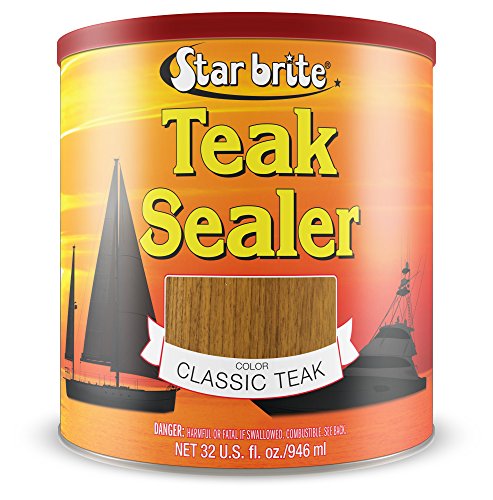
STAR BRITE Teak Sealer 32 oz (Classic Teak)

Guardsman Weather Defense Outdoor Wood Furniture Protector 10 oz

Walrus Oil Furniture Oil 8 oz (VOC-Free)

HOWARD Orange Oil Wood Polish 8 fl oz

Howard Products Lemon Oil Furniture Polish 16 oz

Conrads Wood Food Oil 16 oz

TotalBoat Danish Teak Sealer (Marine Grade)

SimpleNature Food Grade Mineral Oil 8 fl oz
More Details On Our Top Picks
Acacia lives outdoors longer than most owners expect, but unprotected boards will silver and check within a season of full sun. STAR BRITE’s gel-based sealer behaves differently from the watery oils earlier on this list: it sits on the surface long enough to bond, then cures into a layer that shrugs off UV and salt spray. You brush on a single pass, wait, and the wood holds its golden tone through months of patio exposure.
For coastal porches or poolside loungers where humidity swings daily, this formula earns its reputation. Acacia shares enough density with teak that a marine-grade sealer handles it well, and the no-drip texture means you won’t waste product on grass or pavers. The 32-ounce size covers a full dining set with room to spare.
Notable Upsides
- One-coat coverage saves a full afternoon compared to multi-coat oils.
- Gel consistency stays put on vertical chair backs without running.
- Marine-grade protection translates to tough UV and salt resistance for acacia.
- Single 32 oz bottle typically handles a six-piece patio set.
- Locks in the warm honey patina instead of letting wood grey out.
Things To Consider
- Surface prep with a dedicated teak cleaner is widely reported to improve adhesion on previously neglected pieces.
- Gel can feel tacky during application if you over-brush, so a steady, even pass works best.
Whose Shelf It Belongs On
Patio owners in coastal or full-sun zones who want set-and-forget protection with minimal reapplication.
Where Another Pick Suits Better
Walkers who prefer a fully natural, food-contact oil should consider Walrus Oil Furniture Oil 8 oz instead.
Grilling oils, condensation from a cold drink, surprise rain showers: a backyard table sees it all. Guardsman’s approach is different from a penetrating oil: it lays down a micro-thin film that beads moisture and stops stains from soaking in, without altering the wood’s color. On acacia, where the natural grain is part of the appeal, that invisible finish keeps the look honest.
You spray it on, wipe it in, and the wood keeps breathing underneath. The 10-ounce aerosol format is easy to apply to spindles, table aprons, and armrests without disassembling the set. For households that entertain often, the mold and mildew resistance helps chairs stay clean between deep cleans.
Well-Handled Touches
- Repels moisture without changing the wood’s natural color or grain visibility.
- Mildew and fungi barrier helps in shaded or humid patio corners.
- Aerosol format reaches into chair spindles and carved details.
- Compatible with teak, cedar, and acacia alike.
Worth Noting
- Aerosol cans deplete faster than liquid oils on large dining sets, so budgeting for repeat cans is common.
- Reapplication every few months is widely reported to keep the protective film active through wet seasons.
Built With In Mind
Families who host frequently and want a low-effort, no-color-change shield for everyday outdoor dining.
Swap It Out When
Owners who want a true oil that enriches the wood tone should reach for TotalBoat Danish Teak Sealer instead.
Some folks want a finish they could safely use on a cutting board the same afternoon. Walrus Oil is built around that idea. The polymerizing formula (meaning the oil hardens through a chemical reaction with air, rather than just drying on the surface) cures inside the wood fibers instead of sitting on top, leaving a matte, food-contact-safe finish on acacia dining sets.
VOC-free composition matters for enclosed porches or covered patios where ventilation is limited. The 8-ounce bottle is sized for occasional touch-ups rather than full-set restoration, but it’s a thoughtful choice for smaller bistro tables or bar carts. The light, pleasant scent won’t fight with outdoor dinners.
The Helpful Details
- FDA food-contact-safe ingredients allow use on dining surfaces without worry.
- Polymerizing formula cures inside the grain rather than just coating the surface.
- VOC-free formulation keeps indoor and covered-patio air comfortable during application.
- Matte finish preserves the natural acacia look without artificial gloss.
Trade Offs
- Smaller bottle size means full dining sets typically need multiple bottles.
- Lighter oil viscosity means less surface film compared to marine sealers for harsh weather.
Right Fit For
Households prioritizing natural ingredients and food-safe finishes on covered or partially sheltered patio sets.
Look Elsewhere When
Anyone in constant rain or coastal salt spray should consider STAR BRITE Teak Sealer 32 oz for tougher weather endurance.
Sometimes a chair just needs a quick lift between full oil treatments. HOWARD’s Orange Oil polish is the lightest touch on this list, more of a conditioner than a heavy-duty sealer. The citrus scent is a small but appreciated detail on a hot afternoon when chemical finishes would feel out of place at the dinner table.
On acacia that’s already protected by a tougher sealer, a wipe-down with this polish revives the surface sheen and knocks down light dust. Safe on both finished and unfinished wood, it lets you refresh a set without sanding or stripping what’s already there.
Why It Works Well
- Gentle enough for routine touch-ups without stripping prior sealers.
- Real orange oil leaves a fresh, natural scent during application.
- Compatible with both finished and bare acacia surfaces.
- Conditions wood to slow drying and cracking between deeper treatments.
Points To Note
- Lacks the UV-blocking power needed as a standalone outdoor sealer in full sun.
- Smaller 8 fl oz bottle suits occasional maintenance more than full-set restoration.
Made For
Owners with already-sealed acacia who want a quick seasonal refresh rather than a heavy protective coat.
Consider Something Else When
Anyone needing serious weather blocking on unprotected acacia should consider Guardsman Weather Defense Outdoor Wood Furniture Protector 10 oz.
The 16-ounce sibling to the orange polish gives you double the volume for full patio coverage at a lower cost per ounce. The lemon oil variant carries a brighter scent that some folks prefer for outdoor furniture, where the aroma lingers longer in open air than it would in a closed living room.
Acacia responds well to regular oil feeding, and the larger bottle makes seasonal polishing of an entire eight-piece set realistic without running out mid-chair. It doubles as a light surface cleaner, lifting dust and minor residue in the same wipe.
A Strong Showing
- 16 oz size covers full multi-piece patio sets with product to spare.
- Natural lemon scent pairs well with outdoor entertaining spaces.
- Restores a natural glow while helping prevent drying and fading.
- Doubles as a light cleaner for surface dust and minor grime.
Room For Improvement
- Not formulated as a primary weather sealer, so it pairs best over a base coat.
- Glass-bottle packaging needs careful handling in outdoor work areas.
Best Suited To
Owners with larger patio sets who want a budget-friendly polish for routine seasonal maintenance.
Not Your Match When
Anyone needing true weatherproofing should look at STAR BRITE Teak Sealer 32 oz (Classic Teak) for stronger protection.
Key Product Details
There’s a reason antique restorers keep a bottle of Conrads on the bench. The formula draws from plants, roots, herbs, and seeds, brewed by a small American family business for over a century. On neglected acacia that’s already started to grey, this oil soaks in deep and brings back depth in the grain.
The 16-ounce bottle covers a generous patio set, and the non-toxic, non-flammable profile makes it approachable for households that prefer plant-based care products. The formula does contain nut oils (walnut and almond), worth flagging for anyone with severe nut allergies in the household.
Features That Help
- Plant-based formula appeals to households avoiding petroleum-derived finishes.
- Deep penetration revives dried, weathered acacia grain effectively.
- Non-toxic and non-flammable for safer indoor and porch application.
- Generous 16 oz size handles full furniture restoration projects.
Honest Caveats
- Contains walnut and almond oils, so allergen households should patch-test carefully.
- Multiple treatments spaced over a month are commonly suggested for severely dried wood.
- Less UV protection than dedicated marine sealers in constant direct sun.
Who Will Love This
Restorers tackling neglected or antique acacia pieces who want a heritage plant-based formula over modern synthetics.
Reach For A Different Pick When
Households with nut-allergy members should consider SimpleNature Food Grade Mineral Oil 8 fl oz for a worry-free alternative.
TotalBoat’s Danish oil approach splits the difference between a true oil and a film sealer. It penetrates the grain to condition the wood, then cures into a satin barrier that repels water without leaving a slippery film on chair seats or table tops. For acacia near a pool or hot tub, that traction matters more than glossy looks.
Originally formulated for boat decks and trim, the sealer handles the same abuse a sun-baked patio endures. Tropical hardwoods like mahogany and ipe share density traits with acacia, which is why the formula translates well across species. Application transforms greyed-out pieces back to a natural golden tone in a single pass.
Where It Delivers
- Non-slippery cured finish keeps chair seats and table tops safe when wet.
- Repels water effectively for poolside and coastal patio exposure.
- Works across tropical hardwoods including acacia, mahogany, and ipe.
- Restores natural golden color on greyed-out furniture in a single application.
Soft Spots
- Marine-grade formulation carries a stronger solvent smell during application than plant-based oils.
- Requires thorough surface prep for reliable adhesion on previously neglected wood.
Feature Snapshot
Perfect Match For
Pool owners and coastal residents needing marine-grade water repellency without sacrificing grip on seating surfaces.
Another Choice May Suit
Owners wanting a lighter plant-based conditioner should consider Walrus Oil Furniture Oil 8 oz (VOC-Free).
Sometimes you just need to push some moisture back into dry wood without overthinking it. SimpleNature’s food-grade mineral oil does exactly that: colorless, odorless, and tasteless, it sinks into thirsty acacia grain without changing the wood’s character or leaving a scent behind. For acacia dining sets used around food, the food-safe rating removes any hesitation.
The 8-ounce bottle suits light maintenance every couple of months rather than full restoration. The applicator tip makes it easy to control how much oil lands on the surface, which helps prevent the over-application that leaves sticky patches. It also doubles as a stainless steel polisher for outdoor kitchen components, which is a thoughtful bonus for grill islands.
What Stands Out
- Food-grade safety works on dining surfaces and around food prep areas.
- Colorless and odorless finish preserves the wood’s natural look and aroma.
- Applicator bottle gives controlled, mess-free application on small projects.
- Reapplication every one to two months keeps wood from drying out between heavier treatments.
Practical Considerations
- Mineral oil offers minimal UV protection compared to dedicated teak sealers.
- Requires more frequent reapplication than film-forming finishes for ongoing outdoor exposure.
Who Should Grab It
First-time owners wanting a simple, food-safe introduction to wood maintenance before committing to heavier sealers.
A Better Fit Elsewhere
Anyone in constant full-sun exposure should consider STAR BRITE Teak Sealer 32 oz (Classic Teak) for stronger UV blocking.
Choosing The Right Oil For Your Acacia Setup
The finish you pick should match your climate, your patience for upkeep, and how food-safe the surface needs to be. Acacia’s tight grain responds well to penetrating oils, but the wrong formula in the wrong environment will leave you redoing the work every season.
Match The Formula To Your Climate
Coastal and poolside setups punish wood daily with salt, chlorine, and intense UV. Marine-grade sealers like STAR BRITE and TotalBoat earn their keep in those conditions. Covered porches and shaded patios let lighter plant-based oils like Walrus Oil and Conrads Wood Food Oil do the job without overengineering.
Decide Between Penetrating And Surface Protection
Penetrating oils soak into the wood and condition from within, leaving a natural look that ages gracefully. Surface sealers like Guardsman lay down a barrier that repels moisture and stains but doesn’t enrich the grain tone. Many owners combine both: a penetrating oil as the base coat, then a surface protector as a top-up before heavy entertaining seasons.
Consider Food Safety And Household Sensitivities
Dining sets used around food benefit from FDA food-contact-safe formulas like Walrus Oil or SimpleNature mineral oil. Households with nut allergies should avoid Conrads Wood Food Oil since it contains walnut and almond oils, regardless of how well it restores weathered pieces.
Plan For Reapplication Rhythm
Heavy-duty marine sealers stretch reapplication to once or twice a year, while lighter conditioners and mineral oils want refreshing every one to two months in active seasons. Honest read: the more often you’re willing to maintain, the more natural-looking the finish stays. Less frequent upkeep usually means a tougher sealer and slightly more artificial sheen.
Smart Choices Across The Category
Hidden Buying Traps
The biggest mistake is grabbing any bottle labeled “teak oil” and assuming it suits acacia. Teak oil is typically a thin blend designed for tropical hardwoods, but it doesn’t always carry the UV blockers acacia demands in outdoor exposure. Look for products that explicitly mention outdoor furniture and UV resistance, not just generic wood conditioning.
Another slip-up is skipping surface prep. Old, greyed, or dirty acacia needs cleaning before any oil bonds properly. Owners commonly report that even strong sealers fail prematurely when applied over dust, pollen, or residual grime. A clean surface is the single biggest predictor of how long the finish lasts.
Where The Extra Money Goes
Higher-priced marine sealers like STAR BRITE and TotalBoat carry genuine formulation advantages: thicker active ingredients, better UV stabilizers, and resins that cure harder. That translates to longer intervals between reapplication and stronger weather defense.
Spending up makes sense in three scenarios: coastal or poolside exposure, large furniture collections that would eat through cheap oil quickly, and households that simply don’t want to redo the job every few months. For shaded patio furniture under a roof, a budget bottle handles the work fine and saves cash for other projects.
Frequently Asked Questions
How Often Should You Oil Acacia Outdoor Furniture?
Most outdoor acacia benefits from oiling once or twice a year under normal weather. Furniture in full sun or coastal exposure wants refreshing every six months, while covered pieces can stretch to annual treatment with a light polish in between.
Can You Use Teak Oil On Acacia?
Teak oil works on acacia because both woods share dense, oily grain characteristics. Marine-grade teak sealers typically outperform basic teak oil for outdoor use, since they add UV protection and longer-lasting water repellency beyond what straight oil provides.
Is Food-Safe Oil Necessary For Outdoor Dining Sets?
Food-safe oil matters whenever the surface touches plates, utensils, or food directly. Plant-based formulas and food-grade mineral oil remove any concern about chemical transfer, especially for families eating outdoors frequently.
What Is The Best Way To Apply Oil To Acacia Furniture?
A soft cloth or natural-bristle brush works best for thin oils, while gel sealers need a wider brush for even coverage. Apply along the grain, let the oil soak for the time the manufacturer recommends, then wipe off excess to avoid sticky patches.
Should You Sand Acacia Before Oiling?
Light sanding with fine-grit sandpaper helps when the surface feels rough or shows old finish buildup. New acacia or recently oiled pieces typically don’t need sanding before the next coat, just a clean wipe-down.
Final Verdict
Acacia is forgiving wood, but only if you feed it the right finish on a rhythm you can actually maintain. Match the formula to your climate, respect the surface prep step, and you’ll spend more time enjoying the patio than restoring it. Pick the sealer that fits your weather and your patience, and let the wood do the rest.
