

A real olive tree rewards patience with silvery foliage and homegrown fruit, but it also demands years of sun, careful pruning, and the right climate. Faux olive trees sidestep all of that, bringing that Mediterranean look into apartments, offices, and shaded corners where a living tree would never thrive. Whether you want a tall floor statement for an empty corner or a softer accent for a console table, the right artificial olive tree anchors a room the way only greenery can.
A Snapshot Of The Selections

Hobyhoon 6FT Artificial Olive Tree with Planter

Alupssuc 6ft Faux Olive Tree with Lifelike Fruits
LuceAlberi 6FT Artificial Olive Tree with Planter & Basket
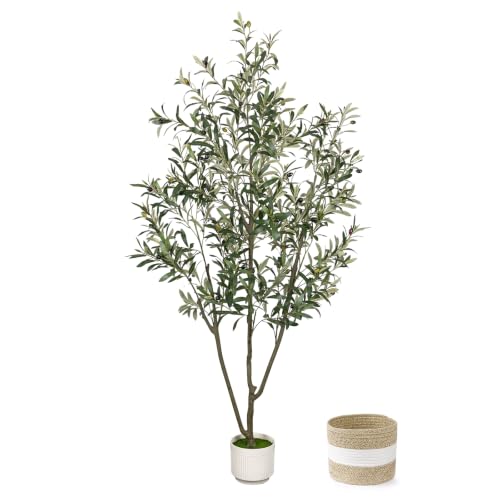
LuceAlberi Artificial Olive Tree with Planter & Cotton Basket

FEELEAD 7ft Faux Olive Tree with Natural Branches

LOMANTO 7ft Artificial Olive Tree with Metal Frame

LYERSE Olive Tree 6ft with Weighted Pot Base

LYERSE 7ft Artificial Olive Tree with Wide Branches
The Strengths Of Each Pick
The Hobyhoon 6FT Artificial Olive Tree arrives ready to drop into a corner and instantly soften a room. Its polyester leaves mimic the muted sage of real Mediterranean olives, and the included planter means no extra shopping for a decorative pot. The branches and trunk can be reshaped after unboxing, which is a quiet relief if the box sat in transit for a few days.
This one suits renters and busy households who want a tall floor accent without any upkeep. If you have a pet that investigates new furniture, the lightweight build is something to weigh, since a larger cat could nudge it. Compared to the Alupssuc below, the materials lean more functional than hyper-detailed, but the adjustability gives you more control over the final silhouette.
Noteworthy Benefits
- Adjustable trunk and branch positions let you shape the canopy after unboxing
- Six-foot height works behind a sofa or in a reading nook without dominating the ceiling line
- Polyester leaves keep their color without sunlight, so a north-facing corner still looks alive
- Comes with a planter, skipping the extra trip to find a matching pot
Things To Consider
- The included planter is on the lighter side, so anchoring may help in homes with active pets
- Leaves may need a quick fluff on arrival since the branches compress during shipping
Quick Facts
Made For
Anyone furnishing a living room corner who wants a tall, low-maintenance floor tree with shaping flexibility.
Consider Something Else When
Pet owners worried about tipping should look at the LYERSE 6ft tree, which ships with a cement-weighted base for more stability.
The Alupssuc 6ft Faux Olive Tree leans hard into realism, with integrated molding that ties the trunk, branches, and foliage into one cohesive shape. The fruit clusters add the silhouette of a tree in late summer, the kind that anchors a Mediterranean-inspired room without seasonal fuss. It is the tree you choose when the eye test matters more than the spec sheet.
Designers styling a staged living room or anyone chasing that magazine look will appreciate the detail work. For households with very low ceilings, six feet of tree plus a tall planter may crowd the space, so measure first. Where the Hobyhoon leans practical, the Alupssuc trades adjustability for visual polish.
The Good Stuff
- Integrated molding keeps trunk, branches, and leaves visually unified
- Fruit accents break up the green canopy and read as authentic at a glance
- Six-foot profile fills a corner without demanding a vaulted ceiling
Points To Note
- Less branch adjustability than the Hobyhoon, so the arrival shape is closer to the final shape
- Heavier visual density can feel oversized in compact studios
- Dust collects between the molded leaves, so a microfiber pass every few weeks keeps it crisp
Whose Shelf It Belongs On
Stylists and homeowners prioritizing a photogenic, detail-forward silhouette over hands-on shaping.
A Better Fit Elsewhere
Tall-ceiling shoppers wanting more height should consider the FEELEAD 7ft Faux Olive Tree, which trades detail work for extra vertical reach.
The LuceAlberi 6FT Artificial Olive Tree ships with both a white pot and a woven basket, which is rare in this category. You can swap between a clean modern look and a textured farmhouse feel without buying anything extra. Assembly is straightforward, with branches that slot into a pre-built trunk, so first-timers won’t feel overwhelmed.
This is the right pick for someone restyling a shelf, mantel, or low console and wanting flexibility in one box. The basket adds visual warmth against hardwood floors, which is something to lean into if your room leans neutral. If you want a more sculptural, single-stem look, the LuceAlberi 6FT with cotton basket below splits the trunk for a more organic shape.
A Strong Showing
- Comes with both a planter and woven basket for two styling options
- Simple branch-into-trunk construction shortens the unboxing process
- White pot blends into minimalist rooms while the basket warms up traditional spaces
- Stable pot-and-basket combo reduces wobble on level floors
Honest Caveats
- The two included options may leave you wanting a third color or material down the road
- Six feet of height means the basket needs floor space, not a tabletop perch
Feature Snapshot
Best Suited To
First-time faux-tree shoppers who want two styling finishes in a single purchase without sourcing extras.
Skip It When
Shoppers wanting an organic two-trunk silhouette should look at the LuceAlberi 6FT with cotton basket, which splits the trunk for a more natural spread.
The LuceAlberi 6FT Faux with cotton basket stands out for one specific reason: a real wood trunk that splits into two branches before the canopy begins. That Y-shape mimics how a mature olive tree grows in the wild, and it gives the canopy a wider, more natural spread than single-stem rivals. The cotton basket softens the base and reads as intentional decor rather than an afterthought.
Anyone designing a reading nook or anchoring a hallway corner benefits most from this shape, since the spread fills horizontal space without feeling crowded. If your floor plan is very narrow, the wider canopy could crowd a walkway, so map the spot first. Compared to the smooth single-trunk Hobyhoon, this is the more sculptural sibling.
The Upside
- Real wood trunk with a natural split adds authenticity you can see and touch
- Two-branch structure creates a wider, more organic canopy silhouette
- Cotton-wrapped basket integrates the base into the styling rather than hiding it
- Plastic silk leaves balance realism with simple cleaning
Some Limits To Know
- Wider canopy footprint requires more floor clearance than a single-stem tree
- Wood trunk adds weight, so repositioning takes two hands instead of one
Right Fit For
Decorators wanting a sculptural, two-branch olive silhouette with a natural wood element woven into the design.
Another Choice May Suit
Owners with narrow floor plans who need a tighter footprint should look at the Hobyhoon 6FT Artificial Olive Tree, which keeps a single-stem profile.
The FEELEAD 7ft Faux Olive Tree earns its premium label by adding a full foot of height over most rivals, which matters in rooms with nine-foot ceilings or higher. The natural olive branches and lifelike leaves are designed to read convincingly from across the room, not just up close. It is the tree that pulls double duty as decor and as a soft visual room divider in open layouts.
Loft dwellers and homeowners with tall entryways get the most out of the extra height. In a standard eight-foot room, the canopy can brush against ceiling fixtures, so plan the placement before unboxing. Compared to the six-foot picks above, this is the one to choose when vertical scale is the priority.
Well-Handled Touches
- Seven-foot height fills tall ceilings and open lofts where shorter trees look stunted
- Natural olive branches create an authentic texture rather than uniform plastic
- Acts as a soft visual room divider in studio or open-concept layouts
- Lifelike leaves hold their shape under typical indoor lighting
Trade-Offs To Consider
- Extra height limits where it can stand without crowding ceiling fans or fixtures
- Larger canopy means more surface area to dust during routine cleaning
Key Product Details
Who Should Grab It
Homeowners with high ceilings or open-concept layouts who want the tree to read as a full-scale floor statement.
Look Elsewhere When
Standard-height room owners should consider the Hobyhoon 6FT tree instead, since seven feet can overwhelm an eight-foot ceiling.
The LOMANTO 7ft Artificial Olive Tree addresses the most common complaint about tall faux trees: floppy branches. A metal internal frame reinforces the trunk and limbs, which keeps the canopy from sagging over years of use. The matte white planter is understated, so the tree itself does the visual work.
Commercial spaces, family homes with kids brushing past, and anyone who has watched a cheaper faux tree droop will appreciate the reinforced build. Tool-free assembly keeps setup quick, though the metal frame adds noticeable weight when repositioning. It is the practical answer to the question “which tree will still look good in three years.”
What Stands Out
- Metal-reinforced trunk and branches resist sagging over time
- Seven-foot height suits tall entryways and corner anchors
- Tool-free assembly shortens setup for anyone without a DIY toolkit
- Low-maintenance cleaning, with no watering or pruning required
Small Caveats
- Metal frame adds weight, so moving it between rooms takes more effort
- Matte white planter may need a decorative cover if your room leans warm-toned
Built With In Mind
Long-term decorators and commercial-lobby shoppers who want a structurally reinforced tree that holds shape across years of use.
Swap It Out When
Anyone prioritizing a lighter, easier-to-move tree should consider the Hobyhoon 6FT Artificial Olive Tree instead.
The LYERSE 6ft Olive Tree solves the tipping problem with a cement-filled pot that adds serious weight to the base. The black nursery pot is rigid polypropylene, which means it can take bumps from curious dogs or running toddlers without cracking. The natural wood trunk and lifelike leaves round out a tree that feels grown-up but family-tough.
Pet owners and parents of small children get the most peace of mind from this build, since the weighted base keeps it planted through everyday chaos. The black pot is more utilitarian than decorative, so many owners slip it into a larger basket or cover. Compared to the Hobyhoon, the trade is adjustability for stability.
What Pays Off
- Cement-filled base prevents tipping in homes with pets or small children
- Natural wood trunk adds an organic texture above the practical pot
- Rigid polypropylene nursery pot resists cracks and scuffs
- Zero watering or pruning means no routine to forget
Potential Sticking Points
- Heavy base makes rearranging the tree a two-person job
- Black nursery pot reads utilitarian, so most owners add a decorative cover
Perfect Match For
Pet owners and busy households who want a six-foot olive tree that stays put through daily activity.
Reach For A Different Pick When
Anyone wanting a lighter, easier-to-move tree should look at the Hobyhoon 6FT Artificial Olive Tree, which trades weight for portability.
The LYERSE 7ft Olive Tree is built for the room that needs a centerpiece rather than a corner accent. The branches adjust out to roughly 37 inches wide, so the canopy fills open floor plans the way a full-grown tree would in a sunroom. The compressed-shipping design means you need to give the branches a day or two to relax into their final shape once unpacked.
Homeowners with airy living rooms or double-height foyers benefit most, since the wide canopy fills space that a single-stem tree would leave empty. In a tight apartment, the spread can crowd walkways, so measure the spot before committing. Compared to the six-foot LYERSE below, this is the wider, taller sibling built for breathing room.
Practical Pluses
- Seven-foot height suits tall entryways and open lofts
- Adjustable branch span reaches up to 37 inches for full-canopy impact
- Large branches and lifelike fruits read convincingly from across the room
- Functions as a soft visual divider in studio or open-concept layouts
Worth Bearing In Mind
- Wide canopy needs generous floor clearance, so tight rooms will feel crowded
- Compressed shipping means the branches need time to expand into final shape
Who Will Love This
Homeowners with open floor plans, double-height ceilings, or large foyers who want a statement canopy rather than a corner filler.
Where A Sibling Pick Shines
Smaller-room decorators should consider the LYERSE 6ft tree instead, which keeps a tighter footprint without sacrificing the weighted base.
Choosing An Olive Tree That Suits Your Space
Picking an artificial olive tree comes down to three honest questions: how much vertical space you have, how wide the canopy can spread, and what kind of base fits your room’s risk profile. Height sets the visual ceiling, with six-foot trees working in standard rooms and seven-foot trees earning their keep in lofts or tall entryways. Branch spread matters more than people expect, since a wide canopy fills open layouts the way a narrow one cannot.
Base construction is where most shoppers under-think their decision. A lightweight planter looks fine until a dog brushes past, so homes with pets or kids should prioritize weighted or reinforced bases. The trunk material matters too: natural wood and integrated molding read more authentic than smooth plastic, but they also tend to weigh more and cost more to ship.
For styling, a basket-wrapped base softens modern rooms, while a clean white or black pot keeps the focus on the canopy itself. Plan the assembly spot before unboxing, since taller trees need room to lay out the branches as they expand. Dusting every few weeks keeps the leaves from looking flat, which is the only real maintenance any of these trees ask for.
Where Shoppers Go Wrong In This Category
Pitfalls Shoppers Hit
The most common mistake is choosing height that fights the room. A seven-foot tree in an eight-foot ceiling leaves no breathing room, and the canopy ends up crowding light fixtures. Measure from floor to ceiling and pick a tree that leaves at least a foot of clearance, especially if a fan or pendant hangs in the spot.
Another trap is ignoring base weight until the first time a pet walks past. Lightweight planters look tidy in photos but tip easily in real homes. Shoppers in busy households should default to weighted or reinforced bases even if the pot looks less decorative on its own.
What Separates Premium From Basic
Premium picks in this category tend to invest in trunk realism, branch reinforcement, and base stability rather than just leaf count. A natural wood trunk with a split branch reads as grown, while a smooth plastic trunk reads as manufactured, even with identical leaves on top.
Metal-reinforced branches cost more because they hold shape over years, which matters in high-traffic rooms where the tree gets bumped often. The honest read is that the upgrade pays off when you plan to keep the tree in place for three or more years, and matters less for short-term staging or temporary decor.
Frequently Asked Questions
How tall should an artificial olive tree be for a standard living room?
Six feet works for most eight-foot ceilings, leaving comfortable clearance above the canopy. Taller seven-foot trees suit lofts, foyers, and rooms with nine-foot-plus ceilings where a shorter tree would look stunted.
Measure from floor to ceiling and leave at least twelve inches between the tallest branch and the ceiling, especially if a light fixture or fan hangs in the planned spot. This breathing room keeps the tree from feeling crowded and lets the canopy shape read properly.
Are artificial olive trees safe for pets and children?
Most artificial olive trees use polyester or plastic silk leaves, which are not toxic if a curious pet nibbles a leaf. The bigger concern is tipping, since lightweight bases can topple when a dog or toddler bumps the trunk.
For busy households, choosing a tree with a cement-weighted or metal-reinforced base prevents the tipping risk that plain plastic planters can introduce. Always anchor tall trees near a wall in homes with very active pets.
How do you clean and maintain a faux olive tree?
Dust the leaves every two to four weeks with a microfiber cloth or a gentle burst of compressed air. For deeper cleaning, a light pass with a damp cloth removes buildup without damaging the polyester or silk fibers.
Avoid spraying cleaners directly onto the foliage, since liquids can stain or warp the leaves over time. Most faux olive trees need nothing else, which is the entire point of choosing artificial over live.
Can artificial olive trees be used outdoors?
Most indoor-rated artificial olive trees fade and degrade with prolonged sun and rain exposure, so they are best kept inside. If outdoor use matters, look for models specifically rated for UV and weather resistance rather than assuming any indoor tree will hold up.
Covered patios and screened porches with limited direct sun are usually fine for indoor trees, but fully exposed outdoor spots call for outdoor-rated foliage to prevent fading within a season or two.
What is the difference between a real-wood trunk and a plastic trunk?
A real-wood trunk has natural grain, color variation, and weight that reads as authentic up close and from across the room. A plastic trunk is lighter, often smoother, and can look manufactured under direct lighting or in photos.
The trade-off is weight and price, since real-wood trunks cost more to ship and reposition. For rooms where the trunk is fully visible above the planter, the wood upgrade usually earns its keep.
Closing Remarks
A faux olive tree is one of the few decor pieces that softens a room instantly without asking for water, light, or patience. Match the height to your ceiling, the canopy spread to your floor plan, and the base weight to your household’s daily activity, and the rest is styling. Any of these eight will earn its corner; the right one depends on the room you are filling.
