

Digging post holes by hand is one of those jobs that humbles you fast. A decent one-person earth auger turns a sweaty weekend into a manageable afternoon, whether you’re sinking fence posts, planting trees, or anchoring a mailbox. The picks below cover real solo operators: homeowners tackling fence lines, gardeners planting saplings, and small-property owners who need dependable hole-drilling without renting a skid-steer. Power, weight balance, bit variety, and how the handle feels after twenty holes all matter. Skip the cheapest no-name option and you’ll spend more time wrenching than digging. Spend a little more thoughtfully and the tool pays you back every project.
A Fast Comparison Of The Options

DC HOUSE 52cc 1800W Gas Powered Earth Auger
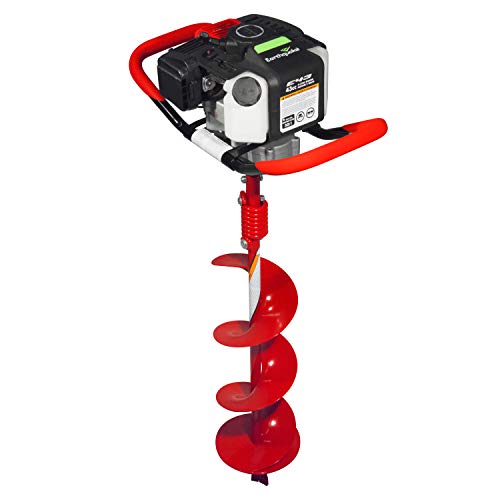
Earthquake E43 1-Person Earth Auger Powerhead

PROYAMA 54cc Post Hole Digger

PRIJESSE 72cc Post Hole Digger

PRIJESSE 85cc Post Hole Digger

GardenTrax 52cc Dual Spiral Auger

DC HOUSE 52cc Post Hole Digger with Extensions

VEVOR 43cc 1250W Post Hole Digger
A Deeper Look At The Lineup
DC HOUSE built this auger around a 52cc two-stroke engine that turns out 1.8 kW at 8,000 rpm, which puts it in the middle of the pack for this lineup, but with EPA certification that few budget brands bother to chase. The 2-stroke engine (a simple design where oil mixes with gas) means lighter weight and fewer parts to fuss with, though you’ll measure fuel carefully at the 25:1 or 30:1 mixing ratio depending on the batch.
It comes bundled with 6-inch and 10-inch bits, which covers most fence post and small tree-planting jobs around a typical yard. The cord starter keeps the starting process simple, and the centrifugal clutch (a mechanism that engages the bit only above idle speed, so the auger doesn’t spin while you’re revving) is a real safety plus for solo work. Compared to the Earthquake E43 coming up next, this unit feels more utilitarian, but it gets the hole drilled without ceremony.
Features That Help
- EPA-certified 52cc engine delivers 1.8 kW at 8,000 rpm, plenty for clay-loam and softer soils.
- Includes both 6-inch and 10-inch bits so you can match the hole to post or sapling size.
- Centrifugal clutch keeps the bit from spinning at idle, which makes it safer to position solo.
- Cord starter and recoil system lower the learning curve for first-time gas auger users.
- Bit lock safety feature holds the auger in place during operation, reducing kickback risk.
- Compact powerhead keeps overall weight manageable for one-person handling across a fence line.
Things To Consider
- Mixing ratio must be measured precisely; owners commonly report fouled plugs from lean mixes.
- The 52cc engine bogs in rocky or root-heavy ground where the 72cc PRIJESSE handles it with more authority.
Key Specs
Made For
Homeowners sinking fence posts, planting small trees, or anchoring a mailbox who want EPA certification and don’t plan to tackle rock-hard ground.
Consider Something Else When
The Earthquake E43 fits better if you’re drilling many holes in a single session and want smoother vibration damping from anti-vibration foam grips.
Earthquake built the E43 around a 43cc Viper 2-cycle engine, and what sets it apart isn’t raw power but the engineering around it: alloy gears on ball bearings inside the transmission, steel-welded handlebars, and an industrial air filtration system that keeps dust out of the engine. For most property owners running 20 to 40 holes per session, that’s the difference between a tool that lasts seasons and one that coughs after a weekend.
The included 8-inch auger bit comes with a fishtail point (a pointed tip that helps the bit bite into undisturbed soil) and a flex coil shock absorber that smooths the torque spikes when you hit a root or small rock. Anti-vibration foam grips on the handlebars take some of the sting out of extended use, and the fingertip throttle control stays responsive without fatiguing your hand. In our view, the build quality here outclasses the DC HOUSE 52cc above, though you’re trading raw displacement for refinement.
Where It Delivers
- Alloy gears on ball bearings in the transmission handle repeated load better than stamped alternatives.
- Anti-vibration foam grips reduce hand fatigue over long digging sessions.
- Industrial air filtration keeps dust out of the engine during sustained dirty work.
- Fishtail point and flex coil shock absorber smooth out root encounters and hard-pan digging.
- Fingertip throttle control lets you modulate speed precisely when working around existing roots.
Worth Noting
- The 43cc displacement produces less raw torque than the 52cc and 72cc alternatives on tough clay.
- Powder coat finish on the included bit can wear with heavy contact against rocky soil.
Best Suited To
Solo operators running frequent, mid-sized projects who prioritize vibration damping, build quality, and long-term durability over maximum horsepower.
Look Elsewhere When
The PRIJESSE 85cc Post Hole Digger is the better call for very deep holes or consistently rocky soil where raw displacement matters more than transmission refinement.
PROYAMA sizes this one at 54cc with 2.4 horsepower on tap, a modest step up from the DC HOUSE 52cc in raw output but with the brand’s “easy start” recoil system that reduces the arm-yanking frustration common to small gas engines. The single-cylinder 2-stroke air-cooled design (cooling fins on the cylinder dissipate heat via airflow) keeps weight down while delivering enough torque for standard fence post holes.
PROYAMA also positions the unit with a focus on after-sale support and reliable shipping, which matters if you depend on the tool for a deadline-driven project. Compared to the Earthquake E43, this one trades transmission refinement for slightly higher displacement at a similar tier. The honest read is that PROYAMA leans on its service reputation to stand out in a crowded field, and for many solo users that’s a meaningful differentiator.
Practical Pluses
- 54cc engine produces 2.4 HP, giving it a slight torque edge over 43cc and 52cc alternatives.
- Easy-start recoil system reduces the learning curve for users new to gas-powered augers.
- Air-cooled single-cylinder design keeps the unit light enough for extended one-person use.
- Brand emphasizes customer support, helpful if replacement parts or service come up.
- Suitable for fence installation, planting, and general landscaping in typical soil conditions.
Trade Offs
- Bit selection varies by seller bundle, so check which auger diameters ship with the unit before committing.
- 2-stroke engine still requires fuel mixing, with no 4-stroke convenience option.
- Lacks the anti-vibration handle treatment found on Earthquake’s E43, so longer sessions tire the hands more.
Who Should Grab It
Homeowners and small contractors who value responsive customer support and want a slight torque bump over entry-level 43cc to 52cc options.
Skip It When
The DC HOUSE 52cc 1800W Gas Powered Earth Auger fits better if EPA certification is mandatory for your area or job site.
PRIJESSE jumps to a 72cc single-cylinder 2-stroke engine here, which puts meaningful torque behind the bit for compacted or clay-heavy ground where 43cc to 54cc units bog down. The bundle includes three bit sizes, 4-inch, 8-inch, and 12-inch, plus two 24-inch extension rods so you can drill deeper than a standard fence post requires without buying extras.
The 72cc class is a meaningful step up in weight and vibration compared to the lighter options earlier in this list, so it rewards users who pace themselves and grip firmly. One thing worth considering: this tier sits in a sweet spot where the engine has authority over hard soil but isn’t so heavy it requires a second person to manage safely. Depending on your soil conditions, that’s often the right balance for acreage fence projects.
The Value In It
- 72cc engine provides the torque needed for clay-heavy or compacted soils.
- Three included bit sizes (4, 8, and 12 inches) cover post, pole, and planting diameters.
- Two 24-inch extension rods enable deeper holes without purchasing additional accessories.
- Single-person or two-person operation depending on bit and soil resistance.
- Strong match for fence lines, tree planting, and small-scale agricultural work.
Room For Improvement
- Heavier than 43cc to 54cc units, which can fatigue solo users during long sessions.
- 2-stroke fuel mixing required, and richer mixes may foul plugs if you skip the math.
- Bulkier bit storage if you keep all three sizes and extensions on hand.
Feature Snapshot
The Right Fit
Property owners and small-scale farmers installing long fence lines or setting deep post anchors where 43cc to 54cc units would stall.
A Better Fit Elsewhere
The GardenTrax 52cc Dual Spiral Auger suits you better if you’d rather optimize for soil-removal speed than raw engine displacement.
The 85cc unit tops this lineup by displacement, which translates directly into the torque you need for hardpan, heavy clay, and rocky patches where smaller engines stall and overheat. PRIJESSE pairs the larger engine with the same three-bit bundle as the 72cc model, plus two 24-inch extension bars, so depth and diameter range match the lower-tier sibling but cutting speed scales up with the engine.
This is the kind of tool you reach for when you’re drilling twenty holes in soil that fought the shovel all weekend. Compared to the 72cc PRIJESSE, the extra displacement shows up most clearly in continuous-load performance, where the smaller engine would have to be nursed along. You may find the weight makes a true one-person job tiring on the 12-inch bit, so for that configuration, a second set of hands helps.
Why It Works Well
- 85cc displacement produces the strongest torque output in this comparison.
- Three included bit sizes (4, 8, and 12 inches) cover most post and planting scenarios.
- Two 24-inch extension bars extend hole depth for deck footings and deep anchors.
- Single-cylinder 2-stroke air-cooled design keeps the layout relatively simple.
- Engineered for one or two-person operation depending on bit and resistance.
Honest Caveats
- Heavier than 43cc to 54cc units, increasing solo operator fatigue over long sessions.
- Fuel consumption rises with displacement, so plan mixing and refills accordingly.
- Larger engine means more recoil pull on cold starts compared to the 52cc class.
Technical Highlights
Perfect Match For
Operators with large acreage, hardpan soil, or consistent heavy clay where smaller engines bog down and overheat during sustained use.
Swap It Out When
The Earthquake E43 is a smarter fit for lighter residential jobs where vibration damping and refined transmission matter more than maximum torque.
GardenTrax takes a different approach with this 52cc combo unit: a dual-spiral blade design that’s meant to lift more dirt per rotation than a standard single-flite bit. The engine itself sits in the same displacement class as the DC HOUSE 52cc above, but the bit geometry is the headline feature. EPA compliance keeps it usable in regulated areas.
The recoil starter pairs with a patented anti-shock spring system that reduces the jolt when the bit catches unexpectedly, a real plus for solo operators who can’t rely on a second person to brace the unit. Anti-vibration foam grips on the handles keep hand fatigue in check, and the relatively lightweight layout makes transport between holes easier. In our view, the dual-spiral design is the differentiator here: it makes the most sense in loose to medium soil where its faster dirt removal pays off.
Everyday Wins
- Dual-spiral blade design lifts more material per rotation, speeding up soil removal.
- EPA-compliant 52cc engine meets emissions standards for residential and regulated use.
- Anti-shock spring system reduces jolt when the bit catches on a root or stone.
- Anti-vibration foam grips lower hand fatigue over multiple holes.
- Lightweight construction simplifies transport across a yard or jobsite.
- Quick-pull recoil starter shortens the startup routine.
Points To Note
- 8-inch included bit limits you unless you buy additional sizes separately.
- Dual-spiral design excels in loose soil but may bind in heavy wet clay without a stalling clutch.
- 2-stroke fuel mixing still required, similar to other units in this comparison.
Built With In Mind
Gardeners and homeowners drilling multiple holes in loose to medium soil who want faster dirt removal per rotation and don’t need a wide bit range out of the box.
Reach For A Different Pick When
The PRIJESSE 72cc Post Hole Digger is the stronger choice for tough clay where you need bit versatility and higher torque more than dual-spiral geometry.
This second DC HOUSE entry uses the same 52cc EPA-certified powerhead as the unit earlier in this list but adds extension rods to the bundle, so you can reach deeper hole depths without buying accessories separately. The 6-inch and 10-inch bits handle standard fence post and small tree planting, while the extensions open up deck footings, mailbox anchors, and other deeper applications.
The 1.2L fuel tank is a practical touch that lets you finish a longer session without constant refueling stops. Compared to the bare-bones DC HOUSE 52cc above, the main difference here is what ships in the box: extensions rather than just bits. For most backyards running a fence or two, that distinction saves a separate accessory purchase and gets the project moving faster.
The Upside
- EPA-certified 52cc engine keeps emissions compliant for residential zones.
- Extension rods included in the bundle, so deeper holes don’t require separate purchases.
- 6-inch and 10-inch bits cover the most common post and planting diameters.
- 1.2L fuel tank extends runtime between refills during longer sessions.
- Bit lock safety feature holds the bit securely during operation.
Softer Spots
- Extensions add length that requires more clearance when transporting between holes.
- Same 52cc torque ceiling as the lighter DC HOUSE, so rocky soil still challenges the engine.
- 2-stroke mixing and carburetor pump maintenance are ongoing ownership responsibilities.
Whose Shelf It Belongs On
DIYers and small contractors who want a single-package solution that handles both standard post holes and deeper structural anchors out of the box.
Where Another Pick Suits Better
The GardenTrax 52cc Dual Spiral Auger fits better if your priority is fast dirt removal in loose soil rather than deep-hole extension capability.
VEVOR positions this 43cc unit at the entry-level end of the lineup with 1,250 watts of output, a sensible match for gardeners who only need a handful of holes per season and want to keep weight and cost down. The gearbox still uses ball bearings and alloy gears, which is a meaningful quality touch at this displacement class. The alloy steel drill bit and welded steel handle structure keep the price honest without going flimsy.
A 1.2-meter pull cord and 1.2L fuel tank round out a package that handles small planting and fence repair work in softer soils. Compared to the Earthquake E43, this VEVOR unit trades the anti-vibration foam grips and industrial air filtration for a lower sticker. Depending on your soil conditions, that’s a worthwhile trade for occasional use, though heavy or sustained projects benefit from the E43’s refinement.
Reasons It Performs
- 43cc engine with 1,250W output covers light-duty planting and fence repair work.
- Ball bearings and alloy gears in the gearbox outclass stamped alternatives at this tier.
- Alloy steel drill bit and welded steel handle keep the structure durable for the price.
- 1.2L fuel tank and 1.2m pull cord simplify fueling and starting.
- Lightweight layout makes it manageable for users with smaller frames or less upper-body strength.
A Few Limitations
- 43cc displacement bogs in hard clay or compacted ground where larger engines keep cutting.
- Lacks anti-vibration grips, so longer sessions cause more hand fatigue than premium picks.
- Bit offerings vary by seller bundle; confirm what’s included before ordering.
Who Will Love This
Occasional users, renters, and budget-conscious homeowners planting a few shrubs or sinking light posts in already-workable soil.
Not Your Match When
The PRIJESSE 85cc Post Hole Digger is the better fit for rocky, compacted, or clay-heavy ground where 43cc simply runs out of torque.
What To Weigh Before Choosing A One-Person Earth Auger
Engine Displacement And Torque
The single biggest factor in solo auger performance is engine displacement, measured in cubic centimeters (cc). Smaller 43cc engines handle soft garden soil and sandy loam without strain, while 52cc to 54cc units cover most residential fence projects with room to spare. Once you hit compacted clay, hardpan, or rocky soil, 72cc and 85cc classes earn their keep, and the price difference starts to look small when measured against the time saved.
Bit Range And Extension Capability
A bundled bit set should match the holes you actually plan to dig. 4-inch bits suit seedlings and narrow markers, 6-inch to 8-inch covers standard fence posts, and 12-inch handles deck footings and pole anchors. Extension rods, typically 24 inches each, let you stack depth for frost-line footings or mailbox anchors. Checking which bits and extensions ship with the unit saves a second purchase and gets the project moving faster.
Weight, Balance, And Vibration
Solo operation depends heavily on how the auger feels after the first ten holes. Anti-vibration foam grips on the handlebars, like those on the Earthquake E43, noticeably reduce hand fatigue during longer sessions. Weight distribution matters too: a top-heavy powerhead pulls forward awkwardly when the bit catches, while a balanced design keeps the unit planted. For users with less upper-body strength, lighter 43cc to 52cc units may prove more practical even at the cost of some torque.
Safety Features And Certification
Bit lock mechanisms hold the auger in place during operation and reduce kickback risk, while centrifugal clutches (which engage the bit only above idle speed) prevent the bit from spinning while you’re positioning. EPA certification matters if you live in areas with emissions regulations or work near sensitive environments. Most quality augers include these features, but verifying them before purchase avoids surprises.
Key Considerations Across These Picks
Common Shopping Slip Ups
The most frequent mistake is choosing displacement without considering soil type. Buyers with sandy loam often overspend on 85cc engines they don’t need, while those with heavy clay stall out repeatedly on underpowered 43cc units. Another trap is ignoring bit availability: a bare powerhead without bundled bits forces a separate purchase that can rival the cost of the unit itself. Finally, skipping the recoil starter practice session on a cold engine leads to frustration, since 2-stroke augers are notoriously particular about choke and primer sequences.
When Paying More Pays Off
Higher-tier augers earn their premium through engineering details that show up over time: alloy gears on ball bearings, industrial air filtration, and anti-vibration grips. For occasional weekend use, those refinements may not justify the cost. For sustained projects, large acreage, or compacted soil, the upgrade typically pays back in fewer stalls, less hand fatigue, and longer engine life. The Earthquake E43 sits in that middle ground where the price bump reflects material and design quality rather than raw power.
Frequently Asked Questions
How deep can a one-person auger dig?
Most bundled bits reach about 28 to 32 inches in a single pass. Adding 24-inch extension rods lets you stack depth to roughly 4 to 5 feet, which covers most fence post, deck footing, and mailbox anchor requirements. For deeper structural work, a two-person operation or professional-grade equipment is the safer choice.
What gas and oil mix do these augers use?
The augers in this comparison all run on 2-stroke engines, which require gasoline mixed with 2-cycle oil at ratios ranging from 25:1 to 40:1 depending on the manufacturer. Measure carefully and shake the fuel container thoroughly before filling the tank, since lean mixtures foul plugs quickly. Always check the specific ratio listed in your unit’s manual before the first fill.
Can one person safely operate an 85cc auger?
Yes, though the weight and torque call for a firm stance and a controlled grip. The 12-inch bit in hard soil benefits from a second person to stabilize the unit, but smaller bits on moderate ground stay manageable for a single operator. Anti-vibration grips and centrifugal clutches help significantly with solo safety on higher-displacement models.
What maintenance does a gas auger need?
Basic upkeep includes cleaning the air filter after each use, inspecting the spark plug for fouling every few sessions, and checking the bit for wear or damage. Carburetor pumps and fuel lines benefit from occasional inspection, especially before seasonal storage. Draining the fuel tank before long storage periods prevents varnish buildup in the carburetor.
Are auger bits interchangeable between brands?
In many cases yes, but verify the shaft connection type and diameter before swapping. Most one-person augers use a standardized coupling, but thread patterns and clutch engagement designs vary. Buying matching bits from the same manufacturer removes compatibility uncertainty and keeps warranty coverage intact.
The Takeaway
The right one-person auger depends on soil, project size, and how often you’ll reach for it. Light gardeners do well with the VEVOR 43cc or DC HOUSE 52cc, mid-range fence projects land on the PROYAMA 54cc or Earthquake E43, and heavy clay or acreage work calls for the PRIJESSE 72cc or 85cc. Match the tool to the ground rather than the brochure, and solo digging stays manageable.
