

Bringing a citrus look into your space can take a dozen different directions: a grafted tree that fruits on the patio, a faux mini for the bookshelf, or a tabletop accent that leans holiday. The category is broader than most folks expect, and the right call depends on whether you want harvest, décor, or both. The list below mixes live cultivars, artificial stems, and seasonal decor so you can match an option to your climate, light, and patience level.
Your Options, Compared

Calamondin Tree Live Plant 13-22″ Tall, 1 Gallon Pot
Oairse 16.1″ Artificial Orange Tree in White Pot
Oairse 15.7″ Artificial Orange Tree in Black Pot

ELAMAS 3ft Orange Holiday Tree with RGB Lights
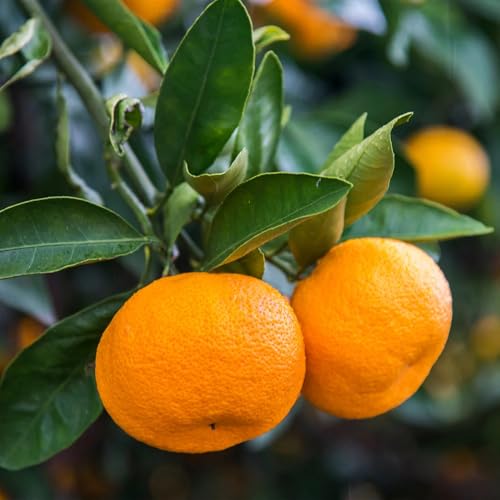
Brighter Blooms Calamondin Orange Tree, 2-3 ft.
Brighter Blooms Calamondin Orange Tree, 2-3 ft.
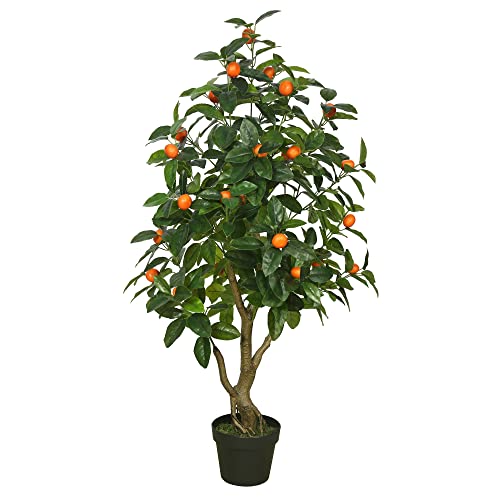
Vickerman 48″ Real Touch Artificial Orange Tree

Gerald Winters Satsuma Mandarin Starter Plant 3-5″
Inside Each Recommended Option
The Via Citrus calamondin arrives grafted on a dwarfing rootstock (a root variety chosen to keep the tree small), which matters because it shortens the wait between planting and the first tart little fruits. Plants ship at 13-22 inches in a one-gallon nursery pot, so you’ll likely see blooms the first season rather than the third. Calamondins tolerate container life far better than full-size citrus, and they’re forgiving of the indoor-then-patio shuffle that apartment growers tend to do.
Owners commonly report that the grafted trunk holds up well to gentle shaping and that fruit set arrives reliably once the tree gets six hours of sun. Compared with the Oairse faux trees later in this list, this is the only pick that delivers the real fragrance of citrus blossoms. Expect leaves to drop indoors if humidity crashes, and plan to hand-pollate (transfer pollen between flowers with a soft brush) if your tree stays inside through flowering.
Standout Benefits
- Grafted on dwarf rootstock for faster fruiting in compact spaces.
- Mature height stays manageable for indoor and patio containers.
- Fragrant white blooms add sensory interest beyond just fruit.
- One-gallon pot suits first transplant without overwhelming roots.
Things To Consider
- Cannot ship to several states due to agricultural regulations.
- Outdoor transplant needs a frost-free climate or winter shelter.
- Indoor humidity below 40% commonly causes leaf drop.
Who Will Love This
Patio growers in warm zones who want a grafted tree that produces in a pot rather than waiting years for a yard-sized specimen.
A Better Fit Elsewhere
Cold-climate gardeners without indoor space should look at the Gerald Winters Satsuma Mandarin starter, which behaves more like a tolerant novelty until transplant conditions improve.
The Oairse 16.1-inch artificial orange tree is built for shelf styling, with a clean white planter that disappears against light walls and a stem shape that reads from across a room. Seven faux mandarin fruits are tucked into the canopy, giving you the citrus look without the watering schedule. For renters who can’t drill shelves or place real plants near west-facing windows, this clears the decor hurdle instantly.
The leaf veins are textured rather than flat, which helps the piece feel less like plastic when sunlight catches it. Compared with the Vickerman 48-inch faux reviewed later, this Oairse version trades scale for proportion, fitting comfortably on a console or desk where a four-foot tree would dominate. For most renters, that’s the right call.
Well-Handled Touches
- Lightweight design moves easily during cleaning or rearranging.
- Maintenance-free foliage suits low-light corners and offices.
- Neutral white pot blends with most shelf and console palettes.
Points To Note
- Faux fruits may loosen in transit and need a quick resettle.
- Plastic stems can yellow near a sunny window over time.
Perfect Match For
Renters and shelf stylists who want citrus energy without soil, light, or watering demands.
Where Another Pick Suits Better
Designers styling a larger lobby or living-room focal wall will get more visual weight from the Vickerman 48-inch faux orange tree, which scales the same idea up to four feet.
The black-pot variant from the same Oairse line trades the airy palette of its white-pot sibling for something with more visual weight on a dark wood desk or modern shelf. At 15.7 inches, it tucks into corners where a real citrus tree would demand sun you can’t provide. The textured leaves and clustered faux fruits carry over from the white version, so the difference really is planter-driven.
If your space already has warm woods or matte-black hardware, this pot grounds the piece rather than fading it. You may find the darker base reads better against industrial shelves than the white version, though both share the same canopy density. It’s a sibling choice that solves the same problem in a different room.
The Case For It
- Dark base pairs well with modern or industrial interiors.
- Compact footprint suits desks and tight side tables.
- Zero maintenance for office environments with little natural light.
Worth Noting
- Slightly shorter than the white-pot version at 15.7 inches.
- Black planter shows dust more visibly than lighter finishes.
Made For
Home office workers styling a desk corner or shelf with darker hardware who want citrus character without upkeep.
Skip It When
Bright Scandinavian rooms need the airier presence of the Oairse 16.1-inch white-pot version instead.
The ELAMAS 3-foot orange tree splits its identity between Halloween and Christmas, which is the whole pitch: orange foliage for spooky season, then either traditional warm whites or playful color shifts for the holidays. Eighty app-controlled RGB (red, green, blue) lights wrap the 200-branch frame, and batteries (not included) keep the cordless convenience intact for tabletops without nearby outlets.
Unlike the Oairse faux plants reviewed earlier, this one isn’t pretending to be a botanical specimen. It’s seasonal decor with built-in lighting that syncs to a phone app, which makes it more event piece than evergreen shelf filler. The trade-off shows up in the storage question: it’s a dedicated October-through-January item, not a year-round accent.
What Stands Out
- App-controlled lights offer color customization without manual swapping.
- Three-foot height suits entryways and tabletops.
- Doubles for Halloween and Christmas seasonal styling.
Honest Caveats
- Batteries are not included, adding a small extra cost.
- Narrow seasonal window limits year-round usefulness.
Best Suited To
Hosts who decorate heavily for both Halloween and Christmas and want a single tabletop piece to bridge the two.
Not Your Match When
Shoppers after a year-round décor staple will find more daily use in the Vickerman 48-inch artificial orange tree, which stays out every season.
The Brighter Blooms calamondin ships at 2-3 feet, taller than the Via Citrus one-gallon starter, which gives it a head start on a backyard or entryway planting. Calamondin is often called a tangerine cross because the fruit looks like a tiny mandarin with a thinner, edible peel and a sharp, marmalade-friendly flesh. It handles container or in-ground life and tolerates a light frost far better than true oranges.
Compared with the Via Citrus option reviewed earlier, this tree arrives closer to fruiting age and offers more immediate visual impact the day you unbox it. For gardeners who want backyard presence without a multi-year wait, that’s a meaningful difference. Depending on your soil, you may find drainage amendments (mixing in grit or compost to improve water flow) help the first season establish faster.
Features That Help
- Larger starter size accelerates visible landscape impact.
- Calamondin tolerates light frost better than true sweet oranges.
- Edible peel and tart flesh suit marmalade and cocktail use.
Room For Improvement
- Shipping restrictions exclude some citrus-producing states.
- Larger size raises packaging stress and transit shock risk.
The Right Fit
Backyard gardeners in mild climates who want a fruit-bearing tree ready to anchor a patio or entry bed within a season.
Look Elsewhere When
Small-space growers should consider the Via Citrus one-gallon starter, which fits a balcony more easily than a 3-foot specimen.
This is the same Brighter Blooms calamondin cultivar reviewed just above, listed under a different ASIN (Amazon’s unique product identifier) on the same retailer. Stock and bundle details differ between the two listings, which is the practical reason to compare them rather than treating them as duplicates. The 2-3 foot tree size and edible fruit profile carry over exactly.
For most first-time citrus planters, the deciding factor between this and the prior Brighter Blooms listing comes down to availability at the moment you shop. The honest read is that either listing delivers the same plant profile, so the pick is whichever ships faster to your address. Compared with the more compact Via Citrus starter, both Brighter Blooms options arrive at a more established size.
Everyday Wins
- Calamondin adapts to indoor or outdoor placement easily.
- Tart fruits work for preserves, drinks, and garnishes.
- Fragrant blooms arrive on a manageable container size.
- Larger starter skips the seedling-stage wait.
Factors To Consider
- Same state shipping restrictions as other live citrus options.
- Established trees need careful watering during the first summer.
Built With In Mind
First-time citrus growers who want a forgiving, fruit-bearing tree without managing a tiny seedling.
Reach For A Different Pick When
Apartment growers with limited sun should start with the smaller Via Citrus one-gallon, which adapts better to indoor windowsills.
The Vickerman 48-inch tree is the largest faux option in this roundup, and “Real Touch” in this category refers to a polyethylene (a soft, pliable plastic) blend designed to mimic the drape of real foliage rather than the stiff plastic of older artificial plants. At four feet tall, it reads as a statement piece for an empty corner, hotel lobby, or open-concept living room. The included pot keeps setup simple.
Compared with the smaller Oairse faux trees reviewed earlier, this piece trades portability for presence. Maintenance is genuinely minimal: a dry cloth wipe handles the dust that any large foliage piece collects. You may find the height challenging for low-ceiling rooms, but in standard eight- to nine-foot spaces it sits comfortably.
Notable Upsides
- Four-foot height fills empty corners without overwhelming standard ceilings.
- Real Touch foliage feels softer than traditional plastic plants.
- Maintenance-free for offices and rental properties.
Points To Keep In Mind
- Larger size makes the price tag noticeably higher than tabletop faux.
- Pot included may not match upscale décor and could need a cover.
Whose Shelf It Belongs On
Design-minded shoppers filling a tall corner or lobby space with a low-maintenance statement plant.
A Better Fit Elsewhere
Tight apartments and shelf styling will be better served by the Oairse 16.1-inch white-pot version, which fits where this one would crowd.
At 3-5 inches tall, this Gerald Winters Satsuma mandarin starter is the smallest live option in the roundup, more of a propagation project than a landscape tree. Citrus unshiu is the same species grown commercially across the southern US for its loose, easy-peel rind and seedless-to-near-seedless flesh. Buying one this small means accepting a multi-year grow-out before any meaningful harvest.
The appeal here is hobbyist joy rather than immediate production. If your climate won’t support an in-ground citrus and you want to nurture something rather than place it, this tiny grafted start makes sense. Compare that to the Brighter Blooms calamondin reviewed earlier, which arrives at a fruiting-ready size instead of a propagation-stage seedling.
The Practical Payoff
- Affordable entry into edible citrus for patient hobbyists.
- Satsuma species tolerates cooler zones than sweet oranges.
- Loose peel and easy segments suit fresh eating.
Small Caveats
- Tiny starter size means years of attentive growing before harvest.
- Seedling-stage plants need consistent humidity to survive.
Who Should Grab It
Patient collectors and citrus hobbyists who enjoy nurturing a young graft over several seasons rather than waiting for a finished tree.
Swap It Out When
Gardeners wanting fruit within a season should choose the Brighter Blooms calamondin, which arrives closer to production age.
Matching the Right Tree to Your Space
The orange tree category splits into three lanes: live cultivars for harvest, faux stems for décor, and seasonal pieces for holiday tables. The decision usually starts with your light, climate, and tolerance for watering, not with the plant itself.
Live trees need six-plus hours of sun, well-draining soil, and either a frost-free zone or a plan to bring the pot indoors during cold snaps. Calamondin handles container life gracefully, which is why it appears twice in this roundup. Satsuma mandarins tolerate cooler zones but reward patience, since they ship at starter size.
Faux trees solve the décor problem for renters, offices, and dark corners where real citrus would fail. Smaller tabletop versions fit shelves without dominating, while 48-inch statement pieces anchor empty corners with no maintenance beyond an occasional dusting.
Seasonal pieces like the 3-foot orange holiday tree make sense only if you decorate heavily between October and January. They overlap with the faux category in material but serve a different calendar window, so they’re really a holiday purchase wearing citrus colors.
Pot Size and Root Health
Container-grown citrus lives and dies by drainage. A pot without drainage holes commonly drowns roots within a season. For grafted trees, repot every two to three years into a container one size up, refreshing the soil to prevent salt buildup from fertilizer.
Faux Materials and Realism
Polyethylene blends drape more naturally than the rigid plastic of older artificial plants. That’s the practical meaning of “Real Touch” labeling in this category: softer leaves, more believable light response, and slightly higher cost per piece.
Smart Choices Before You Click
Traps First Timers Fall Into
Buying a tropical citrus for a zone that drops below freezing without a winter plan is the most common error. Shipping restrictions on live citrus also catch shoppers off guard, since several warm-weather states won’t receive these trees regardless of intent. Always confirm your state is eligible before placing the order.
Where The Extra Money Goes
Larger live trees and bigger faux pieces cost more for a reason: established root systems in live plants and taller assembled frames in faux. The upgrade is worth it when you want immediate visual presence or faster fruit. For shelf styling or propagation projects, the smaller end of the line delivers the same result at lower cost.
