

A potted orchid looks easy until its roots start going soft and yellow. The culprit is almost always the medium around them, which is why orchid bark matters more than the pretty ceramic cachepot you picked out. Epiphytic orchids, the kind that grow on trees in the wild, need air around their roots and a chunky mix that drains in seconds rather than minutes. This roundup walks through eight bark options, from budget-friendly basics to long-lasting New Zealand pine, so you can match the medium to your plant and your watering habits.
The Leading Options At A Glance

SuperMoss Orchid Potting Bark 1560 cu In.

SuperMoss Orchid Potting Bark 4 Quarts

Riare 1QT Orchid Potting Mix

100% Organic All Natural Orchid Bark 8 Quarts

POLIUMB Orchid Bark Potting Mix 2QT
POLIUMB Orchid Potting Mix Pine Bark
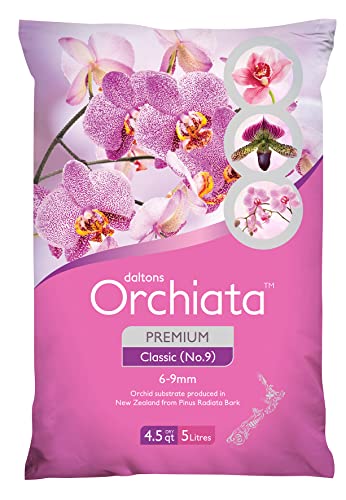
Orchiata New Zealand Pinus Radiata Bark

AVALUTION Orchid Potting Bark 9 Quarts
The Details Behind The Selections
This SuperMoss bulk bag lands first because it solves the problem most casual growers eventually hit: running out of bark halfway through a repotting session. At 1560 cubic inches, you’re working with a serious volume that handles anywhere from eight to twelve medium orchid pots, depending on root mass. The natural Douglas-fir composition gives roots the airy grip they crave while letting excess water slip past in seconds.
The brown, raw-bark appearance also blends well against typical potting setups, so it doesn’t shout “industrial.” For most home growers managing a windowsill collection, this is the bag that disappears into the shelf and quietly does the work for a year or more.
What Works In Its Favor
- Large volume reduces the need for frequent reorders when you’re repotting multiple plants at once
- Natural Douglas-fir texture supports healthy root anchoring for phalaenopsis and cattleya types
- Chunky sizing promotes quick drainage, so less risk of root rot during heavy summer watering
- Neutral natural-brown look fits in on a plant shelf without standing out
- One-time investment typically covers an entire repotting season for a small collection
Things To Consider
- Bulk format means you’ll need a clean storage bin for whatever doesn’t go into pots right away
- Some dust and fine particles are common in larger bags and tend to need a quick rinse before use
Key Product Details
Whose Shelf It Belongs On
Collectors with five or more orchids who prefer to repot everything in one afternoon rather than stretching smaller bags across weekends.
Where Another Pick Suits Better
For a single orchid on a nightstand, the Riare 1QT Orchid Potting Mix delivers pre-mixed convenience without the leftover storage that a bulk bag requires.
Same Douglas-fir base as the bulk bag above, but trimmed to a friendlier 4-quart size that a beginner can actually use before it goes stale. This is the bag most people end up buying after a panicked trip to the garden center, and for good reason. Four quarts comfortably fills two to three standard 5-inch orchid pots without leaving a half-bag of bark drying out in a closet.
The grading leans toward medium chips, which suits phalaenopsis, the most common grocery-store orchid, beautifully. Roots slide between pieces without drowning, and the medium holds just enough moisture between waterings.
Noteworthy Benefits
- Right-sized bag prevents waste, since you finish it within a typical repotting cycle
- Medium chip grade works for the most common household orchid varieties
- Trusted formulation for growers stepping up from generic potting soil
Worth Noting
- Larger collections will need multiple bags, which adds up compared to the 1560 cu in. option
- Chip size skews smaller than ideal for very mature vandas or specimen-sized cattleyas
Made For
Beginners and intermediate growers keeping two to four phalaenopsis on a windowsill who want a familiar, easy-to-find option.
Look Elsewhere When
Serious collectors chasing longer-lasting bark should reach for Orchiata New Zealand Pinus Radiata Bark, which holds structure for years instead of one season.
Riare flips the script by shipping a pre-mixed blend rather than a single ingredient, so you skip the measuring cup and go straight to potting. Bark, perlite, coco peat, and forest moss come layered together at a ratio aimed at epiphytic orchids like phalaenopsis, cattleya, and dendrobium. One quart is plenty for a single 4-inch or 5-inch pot, which keeps things tidy in apartments.
Pre-mixed media makes sense for anyone intimidated by the dozen-ingredient recipes floating around online. You pour, you plant, you water, and the medium handles the rest. This also suits gift-giving, since you can hand someone a bag alongside a live plant and they don’t need to source three more ingredients.
Where It Delivers
- Pre-mixed format removes guesswork for first-time orchid owners
- Multi-ingredient blend supports drainage, moisture, and root grip in one bag
- Compact 1-quart size fits a single small to medium repotting job
- Works across multiple orchid genera rather than a single species
Trade Offs
- Smaller volume means larger collections will burn through this quickly
- Pre-mixed blends can’t be tuned for thirsty or drought-loving species the way a single-ingredient bag can
Right Fit For
New orchid parents repotting a single grocery-store phalaenopsis or anyone gifting a plant with everything it needs in one package.
Skip It When
Multi-plant caretakers save money by stepping up to the SuperMoss Orchid Potting Bark 4 Quarts and adding their own amendments over time.
Rio Hamza Trading’s 8-quart bag sits in the comfortable middle of this list: more bark than a beginner needs, less than a bulk pile requires. The marketing leans heavily on “organic” and “chemical-free,” which matters if you share your space with curious pets or small children. The bark arrives in pieces that vary from medium to large, giving you the kind of texture that mature orchids love to wrap their roots around.
Compared to the smaller SuperMoss 4-quart option above, this bag gives you roughly double the volume without jumping into bulk territory. That makes it a natural pick for a household that’s grown from one plant to five over a year or two and now needs a real supply.
A Few Strong Suits
- Eight-quart volume handles a mid-sized collection without leaving you short
- Organic sourcing appeals to growers avoiding synthetic additives around pets and kids
- Mixed chip sizing suits a wide range of orchid types from phalaenopsis to vanda
- One bag typically covers two annual repotting cycles for small collections
Minor Gripes
- Larger pieces occasionally need sifting if you grow miniature orchids in small pots
- Bag-to-bag consistency can vary, which is a common pattern with natural bark products
Feature Snapshot
Best Suited To
Household growers with a small-to-mid orchid collection who want one bag that handles a full repotting day without taking over a closet.
Consider Something Else When
For pet owners who prioritize long-lasting bark above all else, the AVALUTION Orchid Potting Bark 9 Quarts offers even more volume per purchase.
POLIUMB’s 2-quart mix stacks pine bark against perlite, a volcanic mineral that lightens the texture and keeps the medium from compacting into a soggy brick. Perlite is a common orchid amendment because it traps air pockets the way bark alone sometimes can’t, especially after a year of watering. The 2-quart size hits a sweet spot for one or two repotting sessions a year.
If you’ve ever lifted a waterlogged orchid pot and felt how heavy it gets, you’ll appreciate what perlite does here. The medium drains faster, holds less excess moisture, and gives roots room to breathe between watering days.
Useful Strengths
- Pine bark and perlite combo supports quick drainage for less experienced waterers
- Two-quart bag works for a single repotting without leftovers going stale
- Mineral structure resists compaction over multiple watering cycles
Room For Improvement
- Perlite dust tends to show up at the bottom of the bag and needs a quick rinse
- Larger collections will cycle through 2 quarts in a single repotting afternoon
Who It Suits Best
Phalaenopsis growers who tend to overwater and want a medium that punishes soggy habits less than pure bark would.
A Better Fit Elsewhere
Collectors managing eight or more plants save more per pot with the SuperMoss Orchid Potting Bark 1560 cu In. bulk format.
The sibling to the previous POLIUMB pick follows the same pine bark and perlite formula, just packaged slightly differently. The point of including both is honest: if one POLIUMB option is unavailable, the other fills the gap with essentially the same mix. Beginners will appreciate the simplicity of a pre-formulated bag rather than chasing individual ingredients online.
You still get the airy, fast-draining structure that orchids prefer, with perlite doing the heavy lifting on moisture management. For most home growers, the practical difference between this and the 2-quart sibling comes down to bag sizing and what’s in stock at the moment.
Points In Its Favor
- Pre-formulated ratio removes the trial-and-error of mixing your own blend
- Perlite content supports healthier roots for chronic overwaterers
- Pine bark base breaks down slowly enough to last a typical repotting cycle
Honest Caveats
- Formulas overlap heavily with the 2-quart sibling, so owning both is usually redundant
- Pine bark pieces skew toward smaller sizes, less ideal for very mature orchids that prefer chunkier media
Perfect Match For
First-time orchid owners who want a no-fuss bag that opens, pours, and works without extra measuring or mixing.
Reach For A Different Pick When
Long-term growers chasing the longest-lasting bark on the market should pivot toward Orchiata New Zealand Pinus Radiata Bark, which outlasts most pine options.
Orchiata is the bark that serious orchid collectors quietly hoard. Sourced from New Zealand Pinus radiata, it’s processed and aged to hold structure for years rather than months, which matters more than people expect. Repotting every year in cheap bark gets old fast, especially when you have a prized specimen you don’t want to disturb unnecessarily.
The slightly rough outer surface on each chip gives roots something to grip onto, while the inside stays moisture-friendly. Water beads on the surface, drains downward, and roots access humidity without sitting in water. For most home growers, this is a step up in cost but a step down in repotting frequency.
Reasons It Performs
- Premium Pinus radiata base outlasts typical pine bark by multiple repotting cycles
- Surface texture promotes strong root anchoring for specimen plants
- Reputation among collectors makes it easier to research care tips specific to the medium
Practical Considerations
- Premium price point stings for casual growers who only have one or two plants
- Smaller-bag listings require careful attention to total volume before ordering
Who Should Grab It
Dedicated orchid hobbyists with mature specimens or rare hybrids that benefit from less frequent repotting disturbance.
Swap It Out When
A casual grower with a single grocery-store phalaenopsis gets better value from the SuperMoss Orchid Potting Bark 4 Quarts instead.
AVALUTION closes the list with the largest bag-to-budget ratio here, nine quarts of all-natural pine bark sized between roughly 0.3 and 0.6 inches. That piece range hits the sweet spot for most home orchid varieties: large enough for airflow, small enough to fit in standard 4-inch and 6-inch pots without leaving big voids around the roots.
Compared to the SuperMoss bulk bag at the top of this list, AVALUTION offers similar volume with a slightly tighter chip size that some growers prefer for phalaenopsis. The bag itself is practical, easy to seal, and stays out of the way on a shelf.
The Practical Payoff
- Nine-quart volume handles multi-plant repotting in a single purchase
- Pine bark base supports root anchoring and consistent drainage
- Chip sizing between 0.3 and 0.6 inches works across the most common orchid types
- Natural pine composition keeps the medium free from synthetic additives
- One bag typically outlasts a full repotting season for medium collections
- Larger volume lowers the per-pot cost compared to smaller bags
Points To Note
- Some chips run larger than the advertised range and need breaking up for tiny pots
- Pine bark breaks down faster than the New Zealand Orchiata option above, so plan to repot more often
- Bag-to-bag variation in moisture content means a quick visual check helps before potting
Quick Facts
Built With In Mind
Multi-plant households looking for the most bark per purchase and willing to repot annually as pine breaks down.
Not Your Match When
Collectors aiming for two-to-three-year repotting cycles get more mileage out of Orchiata New Zealand Pinus Radiata Bark.
Picking The Right Bark Without Overthinking It
A good orchid bark balances three traits: airflow, drainage, and enough moisture retention to keep roots from drying out between watering days. Airflow matters because epiphytic orchids (plants that grow on other plants rather than in soil) wrap their roots around tree bark in the wild, exposing them to constant moving air. Drainage matters because trapped water around roots leads to rot, the most common cause of orchid decline. Moisture retention matters because roots still need humidity between waterings, especially in dry indoor air.
Chip size drives most of those traits. Smaller chips hold more water and dry out slower, which suits thirsty varieties like some oncidiums. Larger chips drain faster and dry out quicker, which suits plants like vandas that prefer to nearly dry between waterings. Phalaenopsis, the most common household orchid, sits comfortably in the middle of the size range.
Origin and longevity also play a role. Pine bark breaks down within a year or two, which means annual repotting for most growers. New Zealand radiata pine lasts longer, sometimes stretching past three years between repots, which reduces root disturbance. If you have a mature specimen or rare orchid, that longevity becomes a real advantage rather than a marketing claim.
Storage is the overlooked factor. A bulk bag only saves money if you can keep leftover bark dry and pest-free between uses. Airtight bins in a cool corner work well. Smaller bags avoid the storage question entirely, which is why 4-quart bags remain popular with hobbyists who repot one plant at a time.
For most people starting out, a 4-quart to 8-quart bag of pine or fir bark covers a year of repotting without overwhelming a closet. Scale up only when your collection actually justifies it, and pay the premium for longer-lasting bark only when you have plants you don’t want to disturb often.
What Separates Budget Bark From Premium Grades
Where Shoppers Go Wrong
The biggest mistake in this category is buying the cheapest bag and assuming all orchid bark performs the same. Cheap bark often carries more dust and fines, which clog air pockets and turn the medium into a wet sponge over time. Another common trap is grabbing a large bulk bag for a one-plant collection and then dealing with stale bark six months later because the rest never got used.
When Paying More Pays Off
Premium bark earns its price through longevity, not magic. A bag of New Zealand radiata pine that holds structure for three years means three years between repots, which adds up when you measure time spent unpotting, cleaning roots, and remounting. For collectors with rare or expensive plants, less disturbance matters more than bag savings. Budget bark still works fine for grocery-store phalaenopsis you replace every few years anyway.
Frequently Asked Questions
How often should you replace orchid bark?
Most pine or fir bark breaks down within one to two years, so plan to repot annually for fast-growing plants. New Zealand radiata pine can stretch to three years between repots if the chips still feel firm and the medium drains quickly.
Can you mix orchid bark with regular potting soil?
Regular potting soil holds too much moisture for epiphytic orchids and typically leads to root rot. Stick with bark-based mixes or add perlite and charcoal to improve drainage if you’re experimenting with blends.
What size bark chips work best for phalaenopsis?
Medium chips between roughly 0.3 and 0.6 inches suit phalaenopsis well. Smaller chips hold too much water for this variety, while very large chips leave gaps that roots struggle to grip.
Do you need to rinse orchid bark before using it?
A quick rinse removes dust and fine particles that would otherwise settle at the bottom of the pot and block drainage. Soaking the bark briefly also helps it absorb water before the first watering.
Is organic orchid bark better than standard bark?
Organic certification mainly signals the absence of synthetic additives, which matters to some growers but doesn’t change drainage or longevity dramatically. The bigger performance factor is the bark species and chip size.
Bottom Line
The right orchid bark depends less on brand names and more on matching chip size and volume to your collection. Start with a 4-quart bag if you’re a beginner, scale up to 8 or 9 quarts once you’ve got a real shelf going, and consider a premium New Zealand option only when long repotting intervals matter to you. Healthy orchid roots start with the medium around them, and any of these eight picks will set you up better than generic potting soil ever could.
