

Orchids have a reputation for being fussy, but most of that fuss traces back to feeding. A balanced, orchid-specific nutrient mix makes the difference between a plant that sulks on a windowsill and one that pushes out fresh spikes year after year. Whether you tend a single Phalaenopsis on the kitchen counter or a small collection crowding the dining room table, the right fertilizer shapes how often you see flowers. This guide walks through eight liquid and granular options suited to different routines, plant counts, and watering habits.
Your Options, Compared
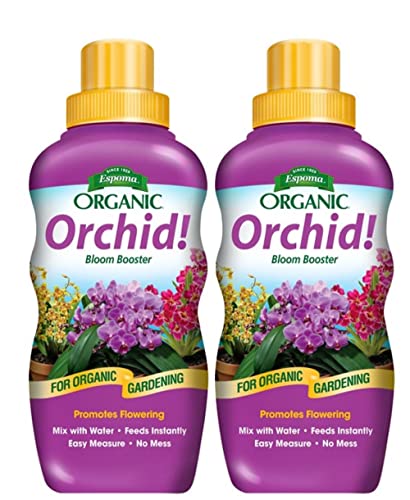
Espoma Organic Orchid! 8-Ounce Concentrated Plant Food

TPS Nutrients Bloom Boosting Liquid Plant Food 32 oz

TPS Nutrients Liquid Plant Food for Reblooming 8 oz

Grow More 20-20-20 Orchid Fertilizer 20 oz

GS Plant Foods Orchid Love Concentrate 32 fl oz

Schultz Orchid Food 20-20-15 10-Ounce

SMEREKA Slow Release Orchid Fertilizer 5 oz

Leaves and Soul Orchid Fertilizer Pellets 5.2 oz
More Details On Our Top Picks
Espoma’s Organic Orchid! concentrate arrives as a small, easy-to-store bottle with a built-in measuring cap. Mix half a cap into a quart of water and you’re set to drench the bark medium until it runs clear. This fits cleanly into a biweekly routine, and the formula is designed for orchids and bromeliads.
For households with curious pets or small children, the organic profile offers peace of mind. Compared with the synthetic concentrates lower on this list, the nutrient strength is gentler, so you’re less likely to scorch roots when you feed a touch more often than scheduled.
Good Reasons To Consider
- Organic formulation safe around kids and pets in most homes
- Half-cap-per-quart ratio simplifies weekly or biweekly feedings
- Works across Phalaenopsis, Dendrobium, and other common genera
- Lower burn risk than many synthetic concentrates when slightly over-applied
Things To Consider
- Eight ounces runs out faster for growers with ten or more plants
- Gentle strength means heavy feeders may want a synthetic supplement during active growth
- Lacks bloom-boosting phosphorus ratios for stubborn non-rebloomers
Feature Snapshot
Right Fit For
New orchid owners with one to five plants on a relaxed biweekly feeding schedule.
Skip It When
You run a large collection of twenty-plus plants and want Grow More’s higher-analysis ratio for faster green-leaf push.
The 32-ounce TPS bottle is built for growers who water weekly and hate reordering. Mix it into your regular watering can at the labeled rate and drench the potting medium. The formula targets both flowering intensity and root development, which matters during the stretch leading up to a spike.
The liquid format means nutrients are immediately available, so any signs of deficiency (yellowing leaves, weak roots) tend to correct faster than with granular options. For most home growers running five to fifteen plants, this single bottle easily covers a full growing season.
The Upside
- Generous 32-ounce size reduces how often you restock
- Targets both bloom color and root mass in one formula
- Liquid uptake shows results during the active growing season
- Suitable for routine weekly feeding schedules
Worth Noting
- Bottle weight may tip when nearly empty, so a small tray helps on narrow shelves
- Higher analysis than Espoma’s organic option, so root flushes between feedings stay important
- Lacks the slow-release convenience of SMEREKA pellets for travelers
Made For
Multi-plant households feeding five to fifteen orchids on a steady weekly schedule.
Look Elsewhere When
You travel often and prefer the SMEREKA slow-release pellets that feed for six months unattended.
This 8-ounce TPS bottle is specifically aimed at orchids that have leaves but won’t push a spike. The rebloom-oriented nutrient mix nudges plants past the vegetative stage and into flower production. You use it like any other liquid feed, diluted in your watering can and poured through the medium.
For most stubborn cases, this works best as a short course for four to six weeks rather than a year-round staple. Pair it with cooler night temperatures and brighter light for the strongest response. Compared with the larger 32-ounce TPS bottle above, this one is sized for targeted, seasonal use.
A Strong Showing
- Phosphorus-leaning blend designed to encourage new spikes
- Liquid uptake means faster visible response than pellets
- Small bottle fits a single-season treatment plan
- Useful as a supplement alongside a base fertilizer
Points To Note
- Not ideal as a year-round feed; needs pairing with a balanced routine
- Eight ounces runs out quickly on collections of more than five plants
- Won’t compensate for poor light or consistently warm nights
Best Suited To
Owners of one to three mature Phalaenopsis that have healthy roots but refuse to spike.
A Better Fit Elsewhere
You maintain a large collection and prefer Schultz’s proven 20-20-15 ratio for routine weekly use across all plants.
Grow More’s 20-20-20 has been a greenhouse standard for decades, and the 20-ounce tub offers strong value for serious hobbyists. The three numbers on the bag (nitrogen, phosphorus, potassium) are equal, which means balanced feeding without skewing toward leafy growth or blooms. You scoop, dissolve, and water.
For most collections, a weekly “weakly, weekly” feeding at quarter strength keeps plants moving through their cycles without salt buildup. Compared with Espoma’s organic concentrate, this synthetic option pushes faster green-leaf response, especially during the warmer months.
Key Advantages
- Classic balanced N-P-K ratio suits year-round use
- 20-ounce tub covers medium-sized collections for months
- Cost-per-feeding drops significantly compared with smaller bottles
- Works on cattleyas, Phalaenopsis, vandas, and most hybrids
Trade Offs
- Synthetic salts build up in bark medium without periodic flushing
- Dry powder requires accurate measuring to avoid root burn
- Lacks the organic appeal for households avoiding synthetics
Quick Facts
Who It Suits Best
Year-round feeders with mixed collections of cattleyas, Phalaenopsis, and dendrobiums who don’t mind synthetic nutrients.
Consider Something Else When
You want organic ingredients and gentler feeding, in which case Espoma Organic Orchid! fits better.
Orchid Love is a highly concentrated liquid that dilutes into an impressive volume of finished feed. One 32-fluid-ounce bottle yields between 16 and 32 gallons depending on your target dilution, which is why it’s popular with growers who keep dozens of plants. The formula supports root mass, leaf color, and bloom vigor in a single mix.
The dark concentrate has a strong scent during mixing, so most people dilute in a garage or near an open window. For most collections of ten or more plants, this single bottle covers an entire growing season and then some, beating smaller liquids on cost per finished gallon.
Everyday Advantages
- High dilution ratio stretches a single bottle across many feedings
- Targets roots, leaves, and blooms in one application
- Liquid uptake means faster response than granular options
- Cost per gallon drops as bottle size grows
Room For Improvement
- Strong concentrate scent during mixing requires ventilation
- Dark liquid can stain porous surfaces if spilled
- Over-concentration risks leaf tip burn without careful measuring
Perfect Match For
Large-collection growers maintaining ten or more orchids who want one bottle to last an entire season.
Swap It Out When
You only have a few plants and prefer the compact, gentle Espoma Organic Orchid! concentrate instead.
Schultz has long been a familiar name on plant shelves, and the 20-20-15 ratio leans slightly toward nitrogen to support leaf and root growth without neglecting bloom potential. The 10-ounce container is sized for small-to-medium collections and dissolves cleanly in water.
You sprinkle, stir, and water on a regular cadence. Owners commonly report steady, predictable results, which makes this a comfortable pick if you’ve been hesitant to experiment with newer brands. Compared with the perfectly balanced Grow More 20-20-20, this one nudges a touch more leafy growth during active seasons.
Positive Takeaways
- Trusted brand reputation on retail shelves for decades
- Contains micronutrients alongside the primary N-P-K ratio
- Water-soluble powder dissolves evenly in standard watering cans
- Suitable for all common orchid types in mixed collections
Minor Gripes
- Smaller 10-ounce tub runs out faster on collections over a dozen plants
- Slight nitrogen lean may delay bloom push in mature plants
- Measuring spoon inside the lid can be easy to misplace
Feature Rundown
Whose Shelf It Belongs On
Consistent weekly feeders who want a familiar, predictable brand and a small-footprint container.
Another Choice May Suit
You want set-and-forget feeding and should reach for SMEREKA slow-release pellets instead.
SMEREKA’s slow-release pellets change the rhythm of orchid feeding entirely. Instead of mixing liquid every week, you sprinkle pellets into the pot once and they meter out nutrients for roughly six months. The 14-12-12 ratio carries a touch more nitrogen and phosphorus than potassium, which suits plants being pushed toward flower.
For most busy households or anyone who travels regularly, this “apply and forget” approach removes the mental load of scheduled feedings. Compared with the liquid concentrates above, the trade-off is less direct control over peak feeding moments.
Bright Spots
- Six-month release removes weekly feeding from your routine
- Pellet form requires no measuring, mixing, or watering cans
- 50-plus applications cover a small collection for a full year
- Bloom-boosting phosphorus supports rebloom cycles
Softer Spots
- No ability to spike-feed during high-demand growth phases
- Pellets can shift when repotting, occasionally dislodging into the medium
- Storage in humid bathrooms may clump the granules over time
Core Details
Who Will Love This
Busy owners or frequent travelers who want their orchids fed without weekly mixing or measuring.
Reach For A Different Pick When
You want hands-on feeding control and should consider the TPS Nutrients 32 oz bloom-boosting liquid instead.
Leaves and Soul’s pellets offer the same set-and-grow convenience as SMEREKA but with a slightly different 13-11-11 ratio that puts a touch more nitrogen in the mix. The 5.2-ounce jar fits comfortably in a plant-care drawer, and the pellets sprinkle cleanly into pots without clumping.
For most beginners intimidated by measuring liquids, pellets feel approachable. You add them once at potting or top-dress mid-cycle, and they meter out nutrients gradually. Compared with the SMEREKA pellets reviewed just above, this one leans marginally greener, which matters if your orchids push lots of leaves but few spikes.
Strong Points
- Pellet format removes measuring and mixing from feeding
- Slight nitrogen emphasis supports root and leaf development
- Slow release suits beginners learning orchid care basics
- Compact jar stores easily alongside other plant supplies
Honest Caveats
- Nitrogen-leaning ratio may delay bloom push compared with SMEREKA’s 14-12-12
- Pellets occasionally mold on the surface in high-humidity setups
- Limited ability to adjust feeding during seasonal growth spikes
Key Product Details
Who Should Grab It
Beginner growers who want a forgiving, no-mix feeding method and don’t mind a slight green-leaf bias.
Where Another Pick Suits Better
You want stronger bloom pushing and should consider TPS Nutrients Liquid Plant Food for Reblooming instead.
Matching Orchid Feeders To Real Routines
Choosing between liquid and pellet orchid fertilizers usually comes down to how you water, not which bottle looks nicest on the shelf. Liquid concentrates like Espoma, TPS, GS Plant Foods, and Schultz dissolve into your regular watering routine and let you adjust strength on the fly. Granular powders such as Grow More and Schultz give you a measurement scoop and total control over concentration, which appeals to growers who track feeding schedules carefully. Slow-release pellets from SMEREKA and Leaves and Soul trade control for convenience, feeding for months without intervention.
Orchid type matters too. Phalaenopsis and dendrobiums typically thrive on balanced or slightly nitrogen-leaning ratios, while stubborn non-rebloomers often respond to bloom-targeted formulas with elevated phosphorus. Beginners generally do best with gentle organic options or pellets, since these forgive small over-applications. Experienced growers running large collections usually prefer concentrated liquids or powders that scale economically across dozens of pots.
Water quality interacts with feeding choice more than most people expect. Hard tap water leaves mineral deposits that combine with synthetic fertilizer salts, so flushing pots with clear water every third or fourth feeding prevents the white crust on roots and bark. If your tap water runs very hard, organic or pellet options tend to leave fewer salt residues over time.
Things Worth Knowing Before You Buy
Pitfalls Shoppers Hit
The most common orchid feeding mistake is treating fertilizer like plant medicine, assuming a stronger dose fixes a struggling plant. Orchid roots are sensitive, and concentrated solutions can scorch the velamen, the spongy outer root layer that absorbs moisture and nutrients. Diluting to half or quarter strength on each feeding protects roots while still delivering the nutrients plants need over time.
Another trap is ignoring how the medium interacts with feeding. Bark-based mixes hold nutrients differently than sphagnum moss, and inorganic media like lava rock or LECA require different flushing rhythms. New growers often pick a fertilizer that fits their routine without considering whether their potting medium will release salts or hold moisture in ways that change how often they should feed.
Where The Extra Money Goes
Higher-priced orchid fertilizers often cost more because of concentration, organic certification, or specialized micronutrient blends. A 32-ounce bottle of TPS or GS Plant Foods makes sense financially once you’re feeding ten or more plants weekly, since cost-per-gallon drops significantly. Premium organic certification, like Espoma’s, adds cost partly because organic sourcing and processing carry higher inputs.
Premium pricing also buys packaging that lasts, measured dosing caps, and stable shelf life. For most casual growers with a few orchids, the upgrade rarely justifies itself over a budget synthetic option used correctly. For collectors managing dozens of plants or anyone wanting organic certification for safety reasons, the upgrade pays off in fewer replacements and gentler feeding.
