

Orchids have a reputation for being finicky, but most failures trace back to the medium they sit in. Standard potting soil holds too much water around the roots, and that is the fastest way to rot a phalaenopsis. The right orchid potting mix mimics the loose, airy perch these plants evolved on, so roots breathe, drain, and stay just moist enough to keep the plant pushing out new growth and flowers. Choosing well means matching the mix to your orchid type, your watering habits, and the size of your collection, and the eight options below cover the most common situations you’ll face at home.
The Leading Options At A Glance

SuperMoss (23114) Orchid Potting Bark 4 Quarts

Riare 2QT Orchid Potting Mix

Riare 1QT Orchid Potting Mix

Riare 4QT Orchid Potting Mix

Stroller 1QT Premium Orchid Bark Mix

Noot 1-Gallon Indoor & House Plant Mix

POLIUMB Pine Bark & Perlite Orchid Mix
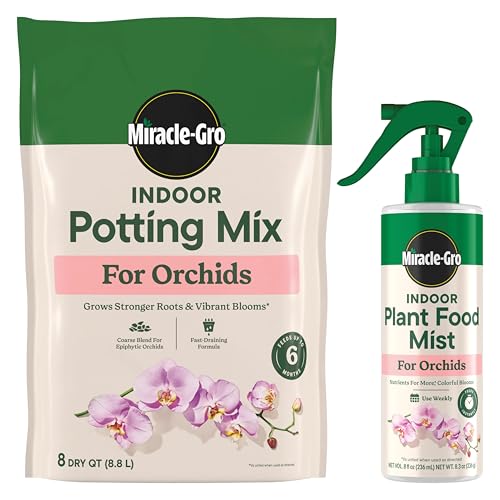
Miracle-Gro Orchid Care Bundle
More On The Choices That Made The List
SuperMoss Orchid Potting Bark is the no-frills classic that longtime orchid keepers keep on the shelf. It is pure Douglas-fir bark, graded for orchid use, with no perlite, moss, or fertilizer blended in. That single-ingredient approach is exactly why experienced growers gravitate toward it: you control what goes into the pot, which matters when you are dialing in care for a finicky cattleya or a vanda mounted in a basket.
Fir bark breaks down slowly compared to softer woods, so a single repotting can carry an orchid through two or more growing seasons depending on your watering rhythm. Compared with the pre-blended mixes coming up later, this one demands a bit more from you. You’ll want to pre-soak the chunks before potting and consider adding a small amount of sphagnum or perlite if you tend to underwater. For anyone running a larger collection on a tight budget, four quarts goes a long way and the consistency between bags is reliably uniform.
Real Benefits
- Single-ingredient purity means no mystery additives to react with sensitive orchid roots.
- Slow breakdown extends the time between repotting, which reduces root disturbance.
- Large four-quart volume suits multi-plant collections without constant reordering.
- Fir bark’s natural acidity aligns with the slightly acidic conditions most epiphytic orchids prefer.
Things To Consider
- Bark-only mixes dry out faster than moss-inclusive blends, so watering frequency usually needs to increase.
- Dry bark repels water at first; pre-soaking overnight is commonly recommended to get it wettable.
Feature Snapshot
Made For
Intermediate-to-advanced orchid keepers who want to customize their own blends and care for epiphytes like cattleya or dendrobium.
Skip It When
Pick the Stroller 1-quart blend instead, since beginners usually want pre-mixed moisture control without any extra prep work.
Riare’s two-quart mix lands in the sweet spot for someone repotting a single phalaenopsis or refreshing one medium-sized orchid. The blend combines pine bark, perlite (a porous volcanic material that lightens the mix), coco peat, and forest moss. That four-ingredient profile mirrors the “chunky but moisture-retentive” recipe most phalaenopsis guides recommend, so the medium stays airy at the root zone while still holding enough humidity between waterings.
Compared to the pure-bark SuperMoss entry above, this mix gives you a more forgiving margin if your watering schedule slips by a day or two. The forest moss acts as a moisture buffer while perlite keeps everything from compacting. For most home growers, two quarts is enough for one repotting of a four-or-five-inch orchid with a little leftover for top-dressing. If you keep more than a couple of plants, the larger Riare 4QT version later in this list stretches further per dollar.
Useful Touches
- Pre-mixed formula eliminates the need to buy four separate ingredients.
- Balanced moisture retention suits the most popular beginner orchid, the phalaenopsis.
- Two-quart size minimizes waste for owners of a single plant.
- Works well across multiple orchid genera including cattleya and dendrobium.
Trade Offs
- Pre-blended media can settle slightly during shipping, so fluffing before potting helps.
- Smaller bag than the four-quart option, so multi-plant owners may run out mid-project.
Right Fit For
Single-plant owners or first-time repotting sessions where a moderate, ready-to-use volume is the goal.
Look Elsewhere When
Choose Riare 4QT instead, since it offers the same blend with enough medium to refresh a small collection in one go.
The one-quart Riare is the smallest sibling in this family, and that smaller footprint is genuinely useful in a few specific situations. Apartment growers with a tight windowsill, owners of a single mini-phalaenopsis in a three-inch pot, or anyone topping off a medium that’s settled over the past year will appreciate the modest volume. Same bark, perlite, coco peat, and forest moss recipe as the larger bags, just in a tidy package.
Storage is where this size quietly wins. A one-quart bag fits in a kitchen drawer or a small gardening tote, so you are not committed to a four-quart bag of mix that sits open in a closet absorbing humidity. The trade-off is that anyone repotting more than one medium-sized orchid will burn through it fast. For one quick refresh, though, it is just right.
What Stands Out
- Compact packaging keeps storage simple in small apartments or shared spaces.
- Same trusted four-ingredient recipe as larger Riare bags, just portioned smaller.
- Useful for top-dressing a pot whose medium has compacted but doesn’t need full replacement.
Points To Note
- One quart fills only a small three-or-four-inch pot, with little to spare.
- Per-quart cost is higher than the four-quart sibling, so larger collections pay more overall.
Best Suited To
Owners of a single mini orchid who want a tidy, ready-to-use amount without leftovers going stale.
A Better Fit Elsewhere
Reach for the Riare 4QT when repotting more than one plant; the same blend stretches further and costs less per quart.
Step up to the four-quart Riare and the value math flips decisively in your favor if you keep more than a couple of orchids. Same bark, perlite, coco peat, and forest moss formula as the smaller bags, but enough volume to repot four or five standard phalaenopsis, refresh a cattleya collection, or stage a fresh medium for newly arrived bare-root plants you’ve been meaning to pot up.
The four-quart size also leaves headroom for trial and error. First-time orchid keepers often lose some medium to learning curves, and having extra on hand means you can re-pot a plant that didn’t settle well the first time without a second order. Compared to the pure fir-bark SuperMoss earlier, this blend trades a bit of breakdown longevity for simpler watering, which most home growers find easier to maintain.
The Helpful Details
- Largest bag in the Riare lineup keeps the per-quort cost meaningfully lower.
- Four-ingredient blend forgives minor watering inconsistencies.
- Compatible with phalaenopsis, cattleya, and dendrobium out of the bag.
- Useful for staging multiple repottings in a single weekend session.
Honest Caveats
- Larger bag requires a sealed container for long-term storage once opened.
- Heavier to ship and store than smaller bags, a minor consideration for upstairs apartments.
Whose Shelf It Belongs On
Multi-plant orchid households looking to refresh several pots at once without reordering mid-project.
Swap It Out When
Choose POLIUMB Pine Bark & Perlite Orchid Mix if your plants prefer a drier, faster-draining medium over moss-inclusive blends.
Stroller’s one-quart blend leans hard into moisture retention with dried forest moss as the dominant component, supported by perlite, coco peat, and pine bark. That moss-forward ratio makes it particularly friendly for first-time orchid owners who tend to underwater rather than overdo it. The medium stays damp just a little longer between waterings, which buys time while you learn each plant’s rhythm.
The honest trade-off: a wetter mix demands more attention to pot choice. Use it in a porous terracotta pot or a well-draining plastic container with side ventilation, and the moisture distribution stays healthy. Pair it with a glazed pot that holds water, and you’ll want to stretch the time between waterings further than the bag suggests. For a phalaenopsis on a kitchen counter, it works beautifully; for a thirsty dendrobium that wants to dry out fast, consider the simpler POLIUMB blend later in the list.
Everyday Wins
- Moss-rich profile forgives the common beginner mistake of inconsistent watering.
- Pre-mixed and ready to use straight from the bag with no soaking required.
- One-quart size is approachable for first-time orchid owners testing the waters.
Worth Bearing In Mind
- Higher moisture retention raises root-rot risk in non-porous pots without drainage tweaks.
- Not the best fit for orchids that prefer a drier, faster-drying medium.
Who Will Love This
New orchid keepers focused on a phalaenopsis in a breathable pot who want moisture buffer support while they build a routine.
Reach For A Different Pick When
The POLIUMB pine bark and perlite mix is a better fit if you grow orchids that need to dry out quickly between drinks.
Noot is the outlier on this list, since it is a multi-species blend rather than an orchid-specific formula. The mix combines larger coconut chips and fibers with a light amount of coco coir (coconut-husk fiber that holds moisture) and coarse perlite, and arrives pre-soaked. Coconut chunks drain aggressively while still holding some moisture at their core, so the medium behaves well for orchids, succulents, cacti, aroids, and monsteras in the same household.
For someone running a mixed tropical shelf, that versatility is the main selling point. One bag covers several plant types without juggling five separate mediums. Orchid specialists, however, may prefer a tighter orchid-specific ratio like the Riare or Stroller blends reviewed earlier. The pre-soaked convenience is real, but expect some settling once the bag is open, so plan a quick fluff before potting.
Benefits That Matter
- Single bag covers orchids, succulents, and tropical houseplants, simplifying shelf care.
- Pre-soaked coconut chips are ready to pot without the overnight prep bark needs.
- Resealable packaging helps the mix stay fresh between uses.
- Larger coconut chunks promote strong airflow around thick orchid roots.
Practical Considerations
- Multi-species design means the ratio is a compromise rather than orchid-optimized.
- Pre-soaked weight makes the one-gallon bag heavier to ship and store than it sounds.
Who Should Grab It
Houseplant owners with a mixed tropical collection who want one medium to serve several species, including one or two orchids.
Where A Sibling Pick Shines
Stroller 1QT Premium Orchid Bark Mix suits dedicated orchid-only collections better with a tighter orchid-specific ratio.
POLIUMB keeps the ingredient list deliberately short: pine bark and perlite, nothing else. That simplicity is exactly the point, since orchids that hate wet feet (cattleya, dendrobium, and many oncidium hybrids) thrive when the medium drains in a hurry and dries predictably between waterings. With no moss or coir in the bag to hold moisture, you get a fast-draining substrate that mimics how these orchids grow on trees in nature.
The two-ingredient profile also makes watering behavior easy to read. When the pot feels light, water; when it still has heft, wait. Compare that to the moss-inclusive blends earlier, where moisture hangs longer and judgment calls get fuzzier. The practical upside is fewer overwatering accidents. The honest downside is that beginners who forget to water will see faster wilting than with a more forgiving mix.
What Helps Most
- Minimal-ingredient formula promotes predictable drying for orchids prone to root rot.
- Perlite keeps the medium from compacting, so roots never sit in soggy pockets.
- Well-suited for cattleya, dendrobium, and other orchids that prefer drier conditions.
- Clean medium without added fertilizers avoids salt buildup in sensitive orchid roots.
Small Caveats
- Dries faster than moss-inclusive blends, so watering frequency typically increases.
- Less forgiving for inconsistent watering schedules common among newer orchid keepers.
Quick Facts
Perfect Match For
Orchid growers with drier-loving species like cattleya and dendrobium who want full control over watering rhythm.
Consider Something Else When
The Stroller moss-rich blend fits beginners who need extra moisture buffering during their first few months with orchids.
The Miracle-Gro Orchid Care Bundle combines a bag of indoor orchid potting mix with a plant food mist in a single box. The mix is formulated for epiphyte orchids (plants that grow on trees rather than in soil), including phalaenopsis, cattleya, epidendrum, and dendrobium, with quick drainage built into the formulation. The accompanying mist gives you a foliar feeding option for the days between regular fertilizing sessions.
The honest read is that this bundle is a convenience play, not a specialist’s pick. Dedicated orchid keepers often prefer to source their own bark and fertilizer separately to fine-tune the ratio, but for someone walking into orchid care for the first time, the bundle eliminates a decision point. The mist adds a small but real benefit during active growth phases, when orchids respond well to light, frequent feeding through the leaves.
Where It Helps
- Combined format pairs potting mix and foliar mist in one box, simplifying initial setup.
- Quick-draining formulation supports common epiphyte orchid types.
- Mist format delivers nutrients through the leaves, which complements root feeding.
- Helpful for first-time orchid keepers building a complete care routine.
Less-Strong Areas
- Specialists may prefer separate, customizable components over a bundled mix.
- Mist alone doesn’t replace a balanced root-zone feeding schedule during heavy growth.
Core Details
Built With In Mind
First-time orchid owners who want potting medium and foliar feeding delivered together to start their care routine.
Where Another Pick Suits Better
The SuperMoss Orchid Potting Bark works better for experienced keepers who want to customize their own fertilizer schedule separately.
Choosing The Right Orchid Potting Medium For Your Setup
Picking a mix is mostly about matching three things: your orchid species, your watering style, and your pot type. Get any of these wrong, and even the best medium will struggle to perform.
Match The Mix To The Orchid
Most orchids sold in retail settings are epiphytes, meaning they grow on trees in nature and need a chunky, airy medium that lets roots breathe. Phalaenopsis, the most common beginner orchid, does well in bark-and-moss blends that hold a touch of moisture between drinks. Cattleya and dendrobium prefer faster-drying mixes with less moss. Terrestrial orchids (those that grow in soil rather than on trees), like some cymbidiums, want a finer, more moisture-retentive medium, which is rarely what a generic orchid bag contains. Know your species first, then narrow your choice.
Think About Your Watering Habits
Be honest about how often you’ll actually water. A forgetful waterer benefits from moss-inclusive blends that retain moisture longer. A daily-checker who tends to overwater should choose fast-draining bark-and-perlite mixes that dry out predictably. The right mix compensates for your habits rather than fighting them.
Match The Mix To The Container
Pot material matters almost as much as the medium inside. Porous terracotta pots wick moisture outward, so a moisture-retentive mix dries faster inside them. Glazed ceramic or dense plastic pots trap moisture, so a fast-draining bark mix stays appropriately wet. Pair a moss-heavy medium with a non-porous pot only if you’re comfortable letting the medium dry thoroughly between waterings.
What To Weigh Before You Buy
Pitfalls Shoppers Hit
A common misstep is grabbing a bag of “potting soil” off the general shelf and using it for orchids. Standard soil compacts around roots, suffocating them and inviting rot in a matter of weeks. Another slip is buying more mix than you’ll use in a season; opened bags lose freshness and can develop mold if stored damp. Plan the volume to roughly match your repotting schedule so nothing sits half-used for months.
Where The Extra Money Goes
Premium blends with multiple ingredients (pine bark, perlite, coco peat, and forest moss) cost more because of sourcing and blending consistency. You pay for a calibrated ratio that takes the guesswork out of mixing your own, plus the convenience of opening a bag and potting immediately. For a single orchid, a budget bark bag does the job. For a small collection or a species with specific moisture needs, the upgrade buys predictable results and saves you the trial-and-error phase.
