

A balanced 10-10-10 fertilizer takes the guesswork out of feeding mixed beds, containers, and lawn patches, but only when the formula matches your soil and your goals. Gardeners juggling vegetables, ornamentals, and shrubs often land on a true equal-ratio blend because it spreads nutrients evenly without pushing one species into leafy overgrowth. The picks below cover granular, liquid, bloom-focused, and calcium-boosted options so you can match format to the way you actually work in the yard.
A Snapshot Of The Selections

Jobe’s Organics Granular All Purpose Fertilizer 4 lbs Bag

Jobe’s Organics Granular All Purpose Fertilizer 16 lbs Bag

Bestseller 10-10-10 Plant Fertilizer Fast Release 2 Quarts

True Organic Tomato & Vegetable Food 8 lb Bag

Alaska Morbloom Concentrate 0-10-10 Fertilizer 1 Gallon

Miracle-Gro Organic Plant Food 32 fl. oz.
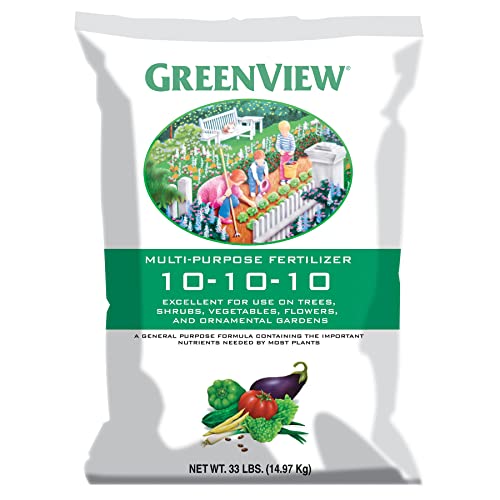
GreenView Multi-Purpose Fertilizer NPK 10-10-10 33 lb
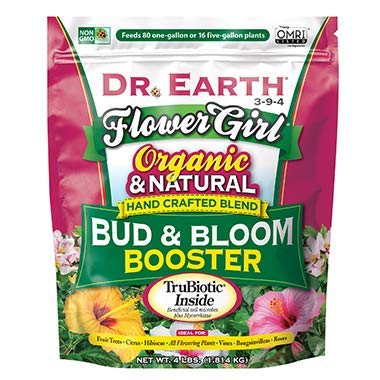
Dr. Earth Flower Girl Bud & Bloom Booster 4-10-7 4 lbs
A Closer Look At Each Pick
The 4-pound Jobe’s Organics bag lands as a sensible starting point for a small yard or a few raised beds. The granular format means you scoop, scatter, and water in, which suits gardeners who want a no-mixer routine on a Saturday morning.
Because the bag is light and resealable, storage in a shed or garage corner stays tidy. For organic growers keeping a vegetable patch and a handful of flower pots, this size keeps the workload predictable without committing to a heavier sack you’ll wrestle through the season.
What Works In Its Favor
- True organic granular formula that fits most edible and ornamental beds
- Compact 4-pound bag lifts easily and stores in tight spaces
- Simple broadcast application, no measuring cups or sprayers required
- Slow nutrient release helps avoid the feast-then-famine pattern common with cheaper feeds
Things To Consider
- Coverage runs out quickly on anything bigger than a modest yard
- Granules need watering in to start working, so a dry-spell stretch can delay results
Feature Snapshot
Made For
Beginner organic gardeners tending a few raised beds or container plantings.
Where Another Pick Suits Better
The 16-pound Jobe’s Organics bag is a smarter grab for anyone feeding a full backyard vegetable plot across a whole growing season.
Scaling up from the smaller bag, the 16-pound version covers a full vegetable garden and several flower beds without forcing a mid-season restock. For gardeners who already trust the Jobe’s granular format, this is the same product in a larger sack.
You’ll want a clean, dry corner to park the bag, since opening it near a patio or deck risks spilling granules onto hardscape. Used across a single season on a serious plot, the format pays off in fewer trips to the store and a steadier feeding schedule.
A Few Strong Suits
- Same organic formulation as the 4-pound sibling, just in a season-long quantity
- Bulk format lowers the per-application cost on large beds
- Granular texture resists clumping when stored in a dry shed
- Works across vegetables, flowers, shrubs, and trees with one product
Worth Noting
- Heavier bag is awkward to carry once it’s half-used
- Without a sealed container, humidity can slowly harden granules over a long storage stretch
Quick Facts
Best Suited To
Backyard growers with established beds who want a single organic granular to feed the whole season.
Skip It When
The Miracle-Gro Organic Plant Food fits better if you’re feeding mostly indoor and patio containers rather than in-ground beds.
When you need the equal 10-10-10 ratio but want faster visible results, this Gardenera-branded fast-release granular steps in. The 2-quart tub handles fruit trees, evergreens, and ornamentals without forcing you to switch products as the season changes.
You’ll notice the difference most on shrubs that look a little pale mid-summer, where a quick application often greens things up within a couple of weeks. For gardeners who like to feed reactively based on what the plants are telling them, that responsiveness matters.
Good Reasons To Consider
- Equal NPK ratio keeps mixed plantings on a consistent schedule
- Fast-release format speeds up visible greening for struggling shrubs
- Works across a wide plant list, from fruit trees to ornamental beds
- Compact tub stores neatly on a potting bench
Trade Offs
- Fast-release feeding means more frequent applications than slow-release options
- Overapplication can push leafy growth at the expense of fruit set on sensitive species
Whose Shelf It Belongs On
Mid-season feeders maintaining fruit trees, arborvitae, and ornamentals who want responsive results.
Look Elsewhere When
The True Organic Tomato & Vegetable Food is a smarter grab if calcium-sensitive crops like tomatoes and peppers dominate your planting plan.
The True Organic bag breaks from a strict 10-10-10 ratio on purpose, trading raw nitrogen for calcium that fruiting crops crave. With 6% calcium in the mix, tomatoes and peppers get a head start against the blossom-end rot that often shows up when soil nutrition runs short.
For an 8-pound bag, coverage lands around 140 square feet, which lines up neatly with a typical raised bed or two. You’ll trade the simplicity of an all-purpose formula for a more crop-targeted feed that solves a specific problem.
Where It Delivers
- 6% calcium content helps prevent blossom-end rot on tomatoes and peppers
- Slow-release nitrogen steadies growth without the leafy surge
- Coverage area matches common raised-bed dimensions
- Organic formula fits edible-food gardening plans
Points To Keep In Mind
- NPK profile isn’t balanced, so it’s not a one-bag-fits-all solution
- Coverage is small relative to bag weight, so larger plots need multiple bags
Core Details
Who Should Grab It
Edible-bed growers focused on tomatoes, peppers, and other fruiting crops that benefit from calcium.
A Better Fit Elsewhere
The Bestseller 10-10-10 fast-release granular works harder for gardeners feeding a wide mix of trees, shrubs, and ornamentals beyond the vegetable patch.
The Alaska Morbloom formula pushes the ratio in the opposite direction with zero nitrogen and equal phosphorus and potassium. Phosphorus supports bud set while potassium drives root vigor, which is exactly what flowering plants want when bloom time approaches.
Mixed with water and poured at the base, this 1-gallon concentrate covers a long season of feedings for a cluster of flower beds. The fish-based origin gives it a noticeable scent during application, so open-air use beats indoor mixing.
Everyday Advantages
- Phosphorus- and potassium-heavy ratio pushes bud and bloom development
- Concentrate format stretches across many watering-can refills
- Fish-based ingredients tend to release steadily in soil
- Liquid uptake shows up quickly on flowering annuals and perennials
Honest Caveats
- Zero nitrogen means you’ll need a separate feed for leafy growth on vegetables or turf
- Fish-based scent is noticeable during mixing and the first watering
- Liquid format requires more frequent applications than granular options
Perfect Match For
Gardeners focused on flower beds, hanging baskets, and bloom-heavy perennials during the flowering window.
Not Your Match When
The Dr. Earth Flower Girl Bud & Bloom Booster fits better for households with curious pets roaming the garden beds.
The Miracle-Gro Organic Plant Food bottle is built around convenience, mixing into a watering can for quick feedings on indoor houseplants and patio containers. Made with a high share of plant-based ingredients, the formula suits organic-conscious growers who still want fast uptake.
You pour, you water, you move on. For a windowsill full of pothos or a row of patio herbs, that routine beats hauling granular bags and a spreader through the kitchen door.
Practical Pluses
- Liquid format feeds through a watering can without extra tools
- Plant-based ingredient list fits organic gardening preferences
- Suitable for both indoor and outdoor container use
- Quick uptake helps container plants recover from nutrient leaching
Room For Improvement
- Small bottle runs out fast on anything beyond a handful of pots
- Liquid feeds require more frequent applications than granular options
The Right Fit
Apartment dwellers and patio gardeners feeding a modest collection of indoor and outdoor containers.
Reach For A Different Pick When
The Jobe’s Organics 4-pound bag handles in-ground beds and outdoor shrubs with far less mixing effort.
The GreenView 33-pound bag trades finesse for footprint, covering up to 3,300 square feet in a single pass. For homeowners with an open lawn that needs steady, balanced feeding across the season, the size alone makes the routine manageable.
A push spreader turns this into a quick weekend job rather than an afternoon of hand-scattering. For anyone feeding turf, a hedge row, and a vegetable patch on the same property, one bag handles the lot.
Where It Helps
- Coverage area supports large lawns and broad landscape beds
- Balanced NPK keeps mixed turf and ornamentals on one schedule
- Granular texture plays well with standard push spreaders
- One bag replaces several smaller containers across the property
Some Limits To Know
- Bag is heavy to maneuver once half-empty
- Coverage claims depend on application rate, so calibration matters
Feature Card
Who Will Love This
Homeowners managing a full lawn plus adjacent landscape beds who want a single bag for the season.
Swap It Out When
The True Organic Tomato & Vegetable Food is a sharper fit for plots where calcium-sensitive crops take center stage.
The Dr. Earth Flower Girl blend lands at a 4-10-7 ratio with a focus on flowering ornamentals. Built as a hand-crafted organic mix free of GMOs, sewage sludge, and chicken manure, it appeals to households that scrutinize ingredient lists before spreading anything near kids or pets.
For a flower bed bordered by a lawn where dogs run, the pet-conscious formulation offers a layer of reassurance. The 4-pound bag fits a modest cluster of roses, annuals, or container flowers without overcommitting storage space.
What Makes Sense
- Hand-crafted organic blend without manure-based fillers
- Phosphorus-leaning ratio targets bud and bloom production
- Safe formulation for households with curious pets and children
- Compact 4-pound bag is easy to store between applications
A Few Limitations
- Lower nitrogen content means leafy growth on vegetables may lag
- Small bag requires restocking for anything beyond a modest flower bed
Built With In Mind
Family gardeners with pets who want a transparent ingredient list for flower beds and ornamentals.
Consider Something Else When
The Alaska Morbloom Concentrate suits gardeners pushing aggressive bloom production on a wider flower planting.
Matching The Right Formula To Your Soil And Schedule
Granular organic fertilizers work best when the application matches the planting style. For broadcast-style feeding on lawns and open beds, a push spreader paired with a 10-10-10 blend like the GreenView bag saves hours of hand-scattering. Smaller yards and tight garden corners benefit from scoop-and-shake formats that don’t require machinery.
Liquid concentrates trade convenience for frequency. A bottle like the Miracle-Gro Organic Plant Food feeds through a watering can, which suits indoor plants and patio containers where dragging a spreader makes no sense. Expect to apply every couple of weeks during active growth rather than monthly.
Crop-targeted formulas solve specific problems. Calcium-enriched blends like the True Organic Tomato & Vegetable Food address blossom-end rot on tomatoes and peppers before it appears, while phosphorus-heavy options like the Alaska Morbloom shift energy toward flowering on ornamentals.
Packaging drives the season-long economics. A 4-pound bag covers a small mixed plot for a month or two, while a 16- or 33-pound sack supports a full growing season across larger yards. Buying larger up front usually lowers the per-application cost but only matters when storage stays dry and accessible.
Key Considerations Across These Picks
Where Shoppers Go Wrong
A common slip is buying the largest bag without a dry storage plan. Granular fertilizers clump and lose effectiveness when humidity creeps in, so a sealed bin in a garage corner protects the investment. Another trap is assuming a balanced 10-10-10 ratio solves every problem, when fruiting crops often need targeted calcium and flowering beds benefit from higher phosphorus.
When Paying More Pays Off
Higher-tier options in this category tend to buy organic certification, hand-crafted ingredient sourcing, and pet-conscious formulations. For households with kids or dogs using the same yard, that premium reflects cleaner sourcing rather than marketing fluff. Larger bags also tend to lower the per-pound cost noticeably when storage is already sorted out.
Frequently Asked Questions
What does a 10-10-10 fertilizer actually do?
A 10-10-10 fertilizer delivers equal parts nitrogen, phosphorus, and potassium. Nitrogen pushes leafy growth, phosphorus supports roots and blooms, and potassium strengthens overall plant vigor, which makes the ratio useful across mixed plantings.
How often should organic 10-10-10 fertilizer be applied?
Most organic granular options suggest feeding every 6 to 8 weeks during the growing season. Liquid concentrates usually call for applications every 2 to 4 weeks because nutrients wash through the soil faster.
Can organic 10-10-10 fertilizer burn plants?
Organic sources release nutrients more slowly than synthetic blends, which lowers burn risk. Even so, watering granules in thoroughly and avoiding heavy doses on seedlings keeps young roots safe.
Is 10-10-10 good for tomatoes and vegetables?
The balanced ratio feeds tomatoes and vegetables adequately, but calcium-sensitive crops often benefit from a calcium-enriched formula like the True Organic Tomato & Vegetable Food to prevent blossom-end rot.
What’s the difference between granular and liquid organic fertilizer?
Granular formats feed slowly over weeks and suit broadcast application on beds and lawns. Liquid formats feed quickly through a watering can and work best for containers and indoor plants where fast uptake matters more than long intervals.
Bottom Line
Your best match comes down to scale and plant type. Small mixed beds point toward a 4-pound organic granular, large lawns need a 33-pound coverage bag, and fruiting crops benefit from calcium-enriched feeding. Match the format and ratio to what you’re actually growing, and the season stays simple.
