

Healthy soil doesn’t happen by accident. The right organic compost feeds the microbiology underground, loosens heavy clay, and helps sandy patches hold moisture long enough for roots to drink. After breaking down what each of these eight options actually delivers, you’ll know which one fits your garden beds, your containers, or your lawn repair project.
A Side-By-Side Look

Espoma Organic Land and Sea Gourmet Compost 1 cu ft

Back to the Roots Organic Worm Castings 5lb

Blue Ribbon Organics OMRI Certified Organic Compost 7.9 Gallons

Old Potters Organic Plant-Based Compost ~25 lbs

R&M Organics Compost Soil Amendment Fertilizer

Vermont Compost Company Fort Vee Organic Potting Mix 20 Quarts

Coast of Maine Quoddy Blend Lobster & Crab Compost 1 cu ft
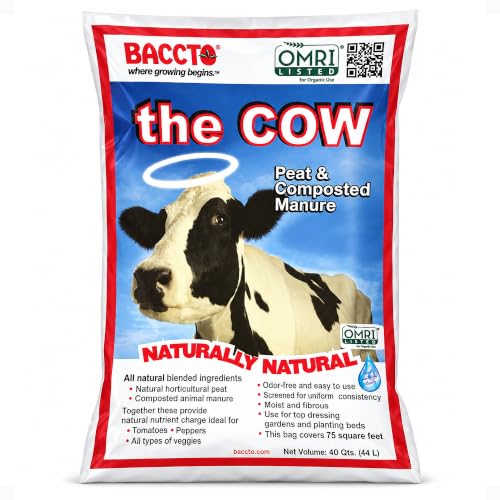
BACCTO Wholly Cow Compost and Manure 40 Quart
The Strengths Of Each Pick
Espoma blends lobster and crab meal into a finished compost that does more than fill a hole. The crustacean proteins break down into chitin, a compound that supports the soil food web, while calcium from the shells buffers acidic beds over a season or two. For a vegetable plot or a row of hungry roses, that combo gives you a starter charge plus slow-release mineral nutrition.
The 1 cubic foot bag is manageable for a single raised bed refresh or several small containers. Espoma adds their Myco-Tone, a mix of mycorrhizal fungi that form partnerships with plant roots, helping them reach water and nutrients the plant couldn’t grab alone. Mycorrhizae are beneficial fungi that attach to roots and extend the plant’s reach underground.
The Helpful Details
- Crustacean meal feeds both plants and the beneficial fungi living in the root zone
- Mycorrhizal inoculant included, so transplants establish faster in new ground
- One bag covers roughly a 4×4 bed at a 2-inch top-dress depth
- Loosens compacted clay without forcing you to till the whole bed
Points To Note
- The seafood scent fades after watering but can attract curious animals on day one
- Smaller bag than the bulk options below, so larger properties may need multiple
Key Attributes
Whose Garden It Suits
Home growers planting vegetables, flowers, or new shrubs in a single bed benefit most from this measured, fungi-friendly blend.
Look Elsewhere When
Blue Ribbon Organics OMRI Certified Organic Compost 7.9 Gallons suits you better if you’re refreshing a large raised bed in one pass.
Worm castings are essentially worm-digested organic matter, and Back to the Roots packages them in a tidy 5-pound bag. Worm castings are the rich, granular droppings earthworms leave behind as they tunnel through decaying material. Sprinkle a handful into a pot, scratch it into a houseplant’s topsoil, or stir it into a seed-starting mix, and you’re done.
Unlike the bulk composts above, this is a soil amendment rather than a soil replacement. A little goes a long way, so the bag stretches across a season of indoor plants and a small herb garden on the windowsill. It’s also one of the gentlest options for tender seedlings that would scorch on raw manure.
Where It Helps
- Low odor and indoor-safe, no need to air out the room after use
- Won’t burn seedlings even when mixed in at higher concentrations
- Improves moisture retention in fast-drying potting mixes
Things To Weigh
- Far too concentrated to use as a full-volume outdoor amendment
- Smaller bag means you’ll reorder often for a backyard project
Made For
Apartment dwellers and first-time plant owners feeding a small indoor collection get the most mileage from worm castings.
Consider Something Else When
R&M Organics Compost Soil Amendment Fertilizer fits better when you’re topping up an entire lawn or a sprawling vegetable row.
When you’re staring down a half-empty raised bed that needs rebuilding, the 7.9-gallon Blue Ribbon bag saves a trip. The OMRI certification, meaning the Organic Materials Review Institute has verified it for organic growing, gives certified-organic growers and cautious food gardeners an easy answer. You can use it around edibles without second-guessing the label.
The texture leans toward fine, crumbly, and uniform, which makes it work equally well as a top-dress, a soil conditioner, or a base for homemade potting mix. Pull a few handfuls and blend with native soil, and water movement improves right away.
Points In Its Favor
- Large 7.9-gallon volume handles multiple beds in one delivery
- OMRI listed for organic production standards
- Safe at any concentration, so over-applying won’t burn plants
- Pairs naturally with worm castings or other amendments
Worth Bearing In Mind
- Heavy 32 to 35-pound bag, harder for one person to carry to a back garden
- Bulk composts of this size are awkward to store once opened
Feature Snapshot
Best Suited To
Garden owners refreshing a raised bed or building a new one from scratch appreciate the volume and the organic certification in one bag.
A Better Fit Elsewhere When
Espoma Organic Land and Sea Gourmet Compost 1 cu ft suits you better when you’d rather carry a small bag and want a fungal inoculant included.
Old Potters skips the manure and fish meal entirely, sourcing everything from plant-based materials. For gardeners who avoid animal byproducts, or anyone worried about runoff from livestock-sourced amendments, this opens up a clean alternative. The 25-pound bag yields roughly 24 quarts of finished compost.
You’ll still get improved aeration, better water retention, and a slow feed of nutrients as the organic matter breaks down further. It’s a sensible middle ground for herb gardens, pollinator beds, and front-yard food plots where appearance matters as much as function.
The Good Stuff
- 100% plant-based, no manure or animal-derived inputs
- Chemical-free formulation suitable for food crops
- Around 24 quarts of finished compost for flexible application
- Supports recycling of green-waste streams into the garden
Honest Caveats
- Nutrient levels trend lower than manure-based options, so heavy feeders may want a supplemental feed
- Plant-only composts can mat if applied too thickly without fluffing
The Right Fit
Vegetable gardeners prioritizing plant-only ingredients and pollinator-friendly beds get a clean, worry-free amendment.
Not Your Match When
R&M Organics Compost Soil Amendment Fertilizer suits you better when growing tomatoes, squash, or corn that demand richer nitrogen feeding.
R&M leans on dairy cow manure as its base, a traditional workhorse in the compost world. The manure is fully composted, which means the raw ammonia smell has mellowed into an earthy finish. Spread it across a lawn, blend it into a vegetable plot, or top-dress a perennial border and let rain pull the nutrients down.
For growers managing a range of plantings rather than one specialty bed, this kind of broad-spectrum amendment pays off. It replenishes the nitrogen, phosphorus, and potassium that heavy-feeding crops strip out after a single season.
Noteworthy Benefits
- Dairy-manure base delivers balanced macro-nutrients for hungry soil
- Works across lawns, vegetable gardens, fruit trees, and flower beds
- Suitable for both indoor and outdoor container plantings
- Useful after harvest to rebuild depleted beds for the next season
Practical Considerations
- Manure-based composts carry a stronger scent than plant-based options, mostly during application
- Not certified organic in the OMRI sense, which matters for certified-organic operations
Who Will Love This
Suburban gardeners managing mixed beds and broad lawn patches value one bag that handles multiple zones without special handling.
Reach For A Different Pick When
Blue Ribbon Organics OMRI Certified Organic Compost 7.9 Gallons fits better when you need OMRI-listed inputs for a certified-organic food garden.
Fort Vee lives in a different category than the bulk amendments above. It’s a compost-based potting mix engineered for seed starting and container growing, holding its shape even after repeated waterings. For soil blocking, where you press the mix into a compacted cube that supports the seedling without a plastic pot, that structure is non-negotiable.
The 20-quart bag is enough for several seed trays or a long row of 4-inch pots. Indoor growers with a serious seedling operation, and small-market vegetable producers, rely on this kind of living-soil blend for steady nutrition through the germination stretch.
What Works In Its Favor
- Compost-based, nutrient-rich blend that holds form in soil blocks
- Sustains seedlings from germination through transplant without extra feeding
- Suitable for both indoor seed trays and outdoor container growing
- Tested for indoor and outdoor greenhouse use
Less-Strong Areas
- Premium price per quart compared to bulk field amendments
- Too rich and fine for direct top-dressing on lawn or large beds
Who Should Grab It
Market gardeners and serious seed starters running soil blocks or tray systems will appreciate the structure and nutrition.
Swap It Out When
Back to the Roots Organic Worm Castings 5lb is a smarter pick when your priority is a gentle amendment for a few houseplants rather than a seed-starting medium.
Quoddy Blend pulls together composted cow manure, sphagnum peat moss, composted bark, and a generous dose of lobster and crab shells. The result is a loamy, dark mix that smells like a Maine coastline after a tide pool drains. Calcium from the shells and the bark’s slow-decaying carbon build long-term soil structure rather than a quick nitrogen spike.
Compared to Espoma’s similar seafood-meal approach from earlier in this list, Quoddy includes more fibrous bulk material, so it doubles as a mulch-and-amend hybrid when spread an inch or two thick. Tired beds that have lost their crumble respond well.
The Practical Payoff
- Chitin from crustacean shells supports soil biology over time
- Balanced blend of manure, peat, and bark improves structure in one pass
- Works as both amendment and surface mulch
- Calcium-rich, helpful for tomatoes prone to blossom-end rot
Small Caveats
- Premium seafood-compost tier commands a higher price per cubic foot
- Strong initial scent takes a few waterings to dissipate
Feature Rundown
Built With In Mind
Coastal New England-style gardens and growers seeking calcium-rich, biology-friendly compost for vegetables find this blend especially rewarding.
Where Another Pick Suits Better
Espoma Organic Land and Sea Gourmet Compost 1 cu ft is a comparable choice when you want mycorrhizae bundled in with the seafood meal.
BACCTO Wholly Cow mixes natural peat with composted manure and finishes the blend to control odor. The result spreads like topsoil rather than fresh manure, which makes it workable near patios, walkways, and neighbor-facing lawns. The 40-quart bag is generous for a single lawn refresh or a couple of raised beds.
The peat component helps sandy or fast-draining soils hold water longer, while the composted manure slowly releases nitrogen. Top-dress a thin layer over a tired lawn in early fall, water it in, and the root zone benefits through the cool months.
Everyday Wins
- Odor-controlled finish safe to use near outdoor living areas
- 40-quart bag covers a meaningful lawn section or several beds
- Peat content boosts moisture retention in dry or sandy soil
- Versatile across vegetable beds, lawn patches, and flower borders
Room For Improvement
- Manure content may still be too strong for very tender seedlings without dilution
- Peat-based blends are less sustainable than peat-free alternatives
Quick Facts
Perfect Match For
Homeowners reviving a tired lawn or refreshing ornamental beds want a low-odor, peat-enriched amendment that won’t alarm the neighbors.
Skip It When
Old Potters Organic Plant-Based Compost ~25 lbs fits better when you’d rather avoid animal-derived inputs entirely.
What Matters Most Before Choosing Organic Composts
The first filter is origin. Plant-based composts like Old Potters serve vegan growers and pollinator beds, while manure-based blends from R&M and BACCTO push heavier nutrient loads into vegetable rows. The trade-off is scent and the speed at which nitrogen becomes plant-available.
The second filter is texture. Fine, crumbly blends like Vermont Compost’s Fort Vee suit seed trays, while chunkier mixes from Blue Ribbon Organics work better as bed conditioners. The third filter is volume. A 1-cubic-foot bag covers a small bed, while 7.9-gallon and 40-quart options handle whole-yard renovations in one delivery.
The fourth filter is what your soil actually needs. Calcium-hungry tomatoes respond to crustacean-shell composts like Coast of Maine and Espoma. Dry, sandy lawns benefit from peat-blended amendments like BACCTO. Diagnose first, then match the bag to the problem.
Key Considerations Across These Picks
Common Shopping Slip Ups
Buying the cheapest bag by volume often backfires when that bag is mostly filler bark with little finished compost. Read the ingredient list and look for actual composted material rather than wood chips and stick fragments, which lock up nitrogen as they break down. Another trap is assuming any dark, earthy bag is fully finished; incompletely cured compost can shock young roots and stall germination.
Where The Extra Money Goes
The premium tier, including Vermont Compost Fort Vee and Coast of Maine Quoddy, costs more because the compost is fully finished, biologically active, and screened for consistent texture. You’re paying for the extra weeks of curing, the careful sourcing of crustacean shells, and the screening that removes sticks and clumps. For seed starting or calcium-hungry crops, that upgrade genuinely earns its keep.
Frequently Asked Questions
How often should organic compost be applied?
Most garden beds benefit from a 1 to 2 inch top-dress once or twice a year, typically in early spring and again in fall after harvest. Lawns can take a thinner layer spread in early fall to feed the root zone through winter.
Can I use organic compost on indoor houseplants?
Yes, especially Back to the Roots worm castings, which are low-odor and gentle on roots. Blend worm castings into potting mix at about a 1:4 ratio rather than using them straight, since they hold moisture and can stay soggy in deep containers.
Is lobster or crab meal compost safe for pets?
Once watered in and the surface dries, the seafood scent that initially attracts curious animals fades quickly. Dogs that dig in fresh beds may still investigate the smell, so it’s wise to keep pets away for a day or two after application.
What’s the difference between compost and fertilizer?
Compost improves soil structure and feeds the soil ecosystem, releasing nutrients slowly. Fertilizer delivers a targeted nutrient dose directly to the plant. Compost feeds the long-term system; fertilizer addresses short-term deficiencies.
How long does a bag of compost last once opened?
Stored in a dry, covered spot, most bags keep their quality for a year or more. Sealed bags last longer; partially used bags may dry out, lose biological activity, or invite weed seeds over time.
Bottom Line
Match the compost to your project: Espoma or Coast of Maine for calcium-loving crops, Blue Ribbon for bulk bed refreshes, Vermont Compost for serious seed starting, and BACCTO for odor-controlled lawn work. Healthy soil rewards patience, and the right bag gets you there faster.
