

Growing figs at home rewards patient gardeners with sweet, sun-warmed fruit straight from the branch. The right organic fertilizer shapes that reward, building soil biology that figs depend on for steady growth and reliable cropping. Home orchardists working with containers, raised beds, or in-ground plantings all share one challenge: matching a fertilizer’s nutrient profile and release pattern to a fig tree’s seasonal rhythm. This roundup covers eight organic options spanning liquid feeds, granular blends, and soil-conditioning amendments, so you can pick the one that suits your setup and feeding style.
A Fast Comparison Of The Options

Alaska Fish Fertilizer for Plants, OMRI Listed 5-1-1

Back to the Roots Organic Worm Castings, 5lb

Jobe’s Organics Granular All Purpose Fertilizer, 4 lbs

Espoma Organic Tree-Tone 6-3-2 Fertilizer, 4 lb. Bag

Espoma Organic Plant-Tone 5-3-3 Plant Food, 4 lb. Bag
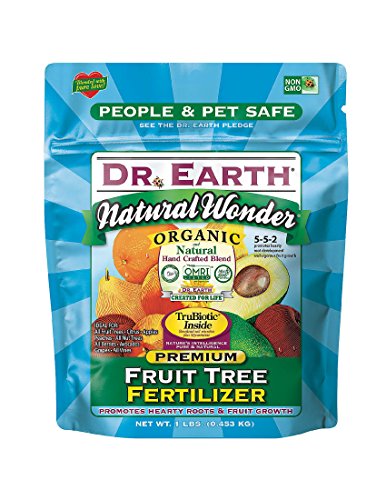
Dr. Earth MINI Natural Wonder Fruit Tree Fertilizer, 1 lb

Down To Earth Organic Fruit Tree Fertilizer 6-2-4, 5 lb

Espoma Organic Citrus-Tone 5-2-6 Fertilizer, 4 lb. Bag
The Strengths Of Each Pick
Liquid fish emulsion offers a quick nutrient boost when fig trees need a fast pick-me-up during the active growing season. The 5-1-1 ratio supplies moderate nitrogen with minimal phosphorus, suiting figs that already grow in reasonably balanced backyard soil.
OMRI listing confirms the formula meets organic gardening standards, which matters if you avoid synthetic inputs around edibles. Container fig growers especially benefit from the liquid form, since diluted feeds penetrate root balls faster than surface-applied granules.
Good Reasons To Consider
- Fast-acting liquid format reaches roots quickly during the growing season
- OMRI listed for organic gardening compliance
- Low burn risk when diluted according to label directions
- Easy to mix into watering routines for container figs
Things To Consider
- Distinct fish odor during application, which fades within a day or two
- Requires regular feeding every few weeks rather than one-time application
- Lower phosphorus means supplemental support may help fruiting varieties
Who It Suits Best
Container fig growers and gardeners wanting fast liquid nutrition through spring and summer will find this format practical and forgiving.
Where Another Pick Suits Better
For gardeners wanting a one-application granular feed, Jobe’s Organics Granular All Purpose Fertilizer offers less hands-on maintenance.
Worm castings work more as a soil conditioner than a concentrated fertilizer, gently improving texture and microbial life around fig roots. The 5-pound bag covers a modest in-ground fig or several container plants without overwhelming the budget.
Made in the USA from vermicomposted organic matter, this amendment suits gardeners rebuilding tired beds or transitioning to no-dig practices. Figs respond to rich, biologically active soil, and castings feed that underground ecosystem rather than pushing quick leafy growth.
The Value In It
- Improves soil structure and water retention over time
- Safe around children and pets with no harsh ingredients
- Won’t burn roots even when applied generously
- Enhances microbial activity for long-term soil health
Points To Note
- Lower nutrient concentration means heavier feeding volume than synthetics
- Benefits accumulate gradually rather than showing immediate growth jumps
Right Fit For
Gardeners focused on building healthy long-term soil biology around established fig trees will appreciate this gentle, sustainable approach.
Consider Something Else When
If your fig needs a stronger nutritional push for fruit production, Espoma Organic Tree-Tone 6-3-2 delivers a more targeted NPK profile.
Granular fertilizer simplifies fig feeding for gardeners who prefer sprinkling and walking away rather than mixing liquids. Jobe’s Organics blends work across vegetables, flowers, shrubs, and trees, making the 4-pound bag a flexible choice for diverse backyard plantings.
The fast-acting organic formula avoids the wasteful runoff and strong smells that come with some synthetic options. For first-time fig growers learning feeding schedules, the granular format removes guesswork from measuring and application timing.
Notable Upsides
- Pre-measured granules reduce application errors
- Minimal odor compared to fish-based or manure-based options
- Suitable for vegetables, flowers, and trees in the same garden
- Organic formula approved for edible gardens
Worth Noting
- Generic all-purpose ratio may not match fig-specific fruiting needs
- Granules need watering in to activate nutrient release
- Storage in humid sheds can cause clumping over time
Made For
New fig growers wanting a forgiving, general-purpose feed that handles multiple garden plants will find this format approachable.
Look Elsewhere When
For mature fig trees focused on heavy fruit crops, Down To Earth Organic Fruit Tree 6-2-4 provides a more targeted fruiting formula.
Tree-Tone targets the specific nutrient balance that established fruit and shade trees need, with a 6-3-2 analysis enhanced by Espoma’s Bio-tone formula. The 5% calcium content supports cell wall development in developing figs and helps reduce issues like fruit splitting during heavy rains.
Spring and fall application timing fits neatly into typical fig care calendars, and the ready-to-use format means no mixing or pre-dissolving. Backyard orchardists running multiple deciduous trees often appreciate the flexibility across apple, peach, and ornamental varieties.
Points In Its Favor
- Bio-tone formula adds beneficial microbes to the root zone
- Calcium supports stronger fruit cell structure
- No sludges or toxic ingredients in the blend
- Works on shade, fruit, and ornamental trees alike
Trade Offs
- Higher nitrogen ratio may push leafy growth over fruiting on already vigorous trees
- 4-pound bag may run short for larger multi-tree orchards
Who Will Love This
Growers managing established backyard orchards with multiple deciduous fruit trees will value this versatile tree-specific formula.
A Better Fit Elsewhere
For potted figs with limited root space, Espoma Organic Citrus-Tone 5-2-6 delivers a slightly leaner nitrogen profile.
Plant-Tone earned its reputation as a reliable all-purpose organic fertilizer, and the 5-3-3 analysis handles flowers, vegetables, trees, and shrubs without forcing gardeners to juggle multiple products. The Bio-tone microbial enhancement supports soil life alongside the macronutrients.
Mixed edible gardens benefit from this kind of one-bag flexibility, especially when figs share space with tomatoes, peppers, or roses. Ready-to-use granules cut preparation steps, and the 5% calcium helps with blossom end issues on neighboring fruiting crops.
A Few Strong Suits
- 5-3-3 ratio provides balanced feeding without overdoing nitrogen
- Safe formulation without sludges or toxic ingredients
- Bio-tone formula encourages beneficial soil microbial activity
- One product covers flowers, vegetables, and small trees
Room For Improvement
- Equal phosphorus and potassium may underfeed heavy-fruiting fig varieties
- Granular form requires watering in to activate release
Best Suited To
Garden plots mixing figs with annual vegetables and flowering perimeters work well with this flexible all-purpose formula.
Swap It Out When
For dedicated fig production with higher potassium demands, Down To Earth Organic Fruit Tree 6-2-4 offers stronger fruiting support.
Dr. Earth crafts this fertilizer from human- and feed-grade ingredients enriched with multi-minerals, proteins, and humic acids. The Non-GMO Project Verification sets it apart in a category where certification details often go unexamined.
The 1-pound size suits a single fig tree or a small cluster of fruiting plants rather than full orchards. Pet- and family-safe formulation matters in yards where curious animals graze around fruit trees, and the handcrafted approach appeals to gardeners who scrutinize ingredient sourcing.
Benefits That Matter
- Non-GMO Project Verified for ingredient transparency
- Safe for households with pets and children around fruit trees
- Humic acids and trace elements support soil biology
- No synthetic chemicals or GMO-laden chicken manure
Honest Caveats
- 1-pound size requires frequent repurchase for larger plantings
- Premium positioning tends to cost more per pound than bulk options
- Strong nutrient profile means careful measurement on young trees
Perfect Match For
Pet-safe households and ingredient-conscious gardeners tending one or two prized fig trees will find this small-batch quality worthwhile.
Reach For A Different Pick When
For larger orchard plantings needing bulk coverage, Espoma Organic Tree-Tone 6-3-2 offers better value per application.
Down To Earth’s Fruit Tree blend carries a 6-2-4 ratio built around productive orchard performance, with OMRI listing for organic production use. The 5-pound box covers multiple trees or several seasons of single-tree feeding.
This blend suits gardeners running small home orchards where figs join apples, pears, or stone fruits. The lower phosphorus and higher potassium ratio encourages fruit development over excessive vegetative growth, which matters in crowded backyard plantings.
Everyday Perks
- OMRI listed for organic production certification
- Higher potassium ratio supports fruit development
- 5-pound box covers multiple trees or seasons
- Formulated specifically for fruiting trees and berries
Points To Keep In Mind
- Box packaging can let moisture in if stored in damp sheds
- Higher nitrogen than some fig-specific blends for mature trees
Who Should Grab It
Home orchardists managing several fruiting trees will appreciate the targeted fruit-tree formulation across their full planting.
Where A Sibling Pick Shines
For a single container fig, the smaller Dr. Earth MINI Natural Wonder Fruit Tree Fertilizer avoids over-purchasing.
Citrus-Tone’s 5-2-6 profile tilts toward potassium, the nutrient that drives flower formation and fruit sugar development in figs. Espoma designed this blend for citrus, avocados, and nut trees, but the formula translates well to fig trees pushing toward heavy crops.
The Bio-tone microbial enhancement supports root health in container-grown figs, where soil biology depletes faster than in-ground plantings. A 4-pound bag handles one to two mature trees through a full growing season with room to spare.
Noteworthy Benefits
- Higher potassium ratio supports fruit set and ripening
- 5% calcium improves fruit firmness and storage
- Bio-tone formula enhances root zone microbial activity
- Works across citrus, fruit, nut, and avocado trees
Worth Bearing In Mind
- Lower nitrogen may slow vegetative growth in newly planted figs
- Designed for acid-loving citrus, though figs tolerate it well
Built With In Mind
Growers with fruiting fig varieties seeking abundant harvests will appreciate the potassium-forward formulation.
Not Your Match When
For young figs still in vegetative establishment, Espoma Organic Plant-Tone 5-3-3 provides better balanced early growth support.
What Matters When Choosing A Fig Tree Fertilizer
Understanding NPK Ratios For Fig Trees
The three numbers on any fertilizer bag represent nitrogen, phosphorus, and potassium by percentage. Nitrogen pushes leafy growth and shoot extension, phosphorus supports root development and flower formation, and potassium drives fruit quality, sugar content, and overall plant resilience. Fig trees benefit from moderate nitrogen with steady potassium, since excessive leafy growth can come at the expense of fruit production. A ratio like 5-2-6 or 6-2-4 typically matches mature fig needs, while younger trees often want slightly higher nitrogen for establishment.
Liquid Versus Granular Application
Liquid fertilizers like Alaska Fish Fertilizer deliver nutrients quickly through both roots and foliage, ideal for fast corrections during active growth. Granular options such as Espoma Tree-Tone or Jobe’s Organics release nutrients slowly as soil microbes break them down, requiring less frequent reapplication. Container figs often respond well to liquid feeds because their restricted root zones absorb dissolved nutrients faster, while in-ground trees benefit from granular convenience.
Organic Certification And Soil Biology
OMRI-listed products meet standards verified for organic production, meaning ingredients pass review for prohibited synthetic substances. Bio-tone and similar microbial enhancements add beneficial bacteria and fungi to the root zone, supporting long-term soil health beyond immediate nutrient delivery. Gardeners building biologically active soil often see stronger drought tolerance and disease resistance over time, which matters for figs stressed by heat or heavy cropping.
Matching Fertilizer To Fig Growth Stage
Young figs in their first two seasons need balanced nutrition favoring root and framework development. Once trees reach fruiting age, shifting toward potassium-forward blends supports heavier crops without pushing excessive vegetative growth. Soil conditioners like worm castings complement either stage by improving texture and water retention, especially in sandy or compacted ground.
Key Considerations Across These Picks
Pitfalls Shoppers Hit
Buying a high-nitrogen lawn fertilizer by accident remains the most common error, since bagged fertilizers often sit on the same shelf. Another trap involves overfeeding container figs, where fertilizer salts accumulate faster than rainfall can leach them out. Reading the bag’s intended-use section prevents both mistakes.
What The Higher Tier Buys
Premium fig fertilizers like Dr. Earth MINI Natural Wonder Fruit Tree Fertilizer invest in ingredient sourcing, Non-GMO verification, and handcrafted blending that bulk manufacturers skip. The upgrade shows up in trace mineral diversity and microbial counts rather than headline NPK numbers. For a single prized fig tree in a family-safe yard, that refinement justifies the per-pound cost.
Frequently Asked Questions
When Should You Fertilize Fig Trees?
Apply granular organic fertilizers in early spring as new growth emerges, with a second lighter application in early summer. Avoid late-season feeding, which can push tender new growth vulnerable to winter damage.
Can You Use Citrus Fertilizer On Fig Trees?
Yes, citrus-focused blends work well on figs since both fruit-bearing trees prefer potassium-forward nutrition. The slightly acidic formulation suits figs in most soil types without adjustment.
How Often Should You Feed Container Figs?
Container figs need feeding every 4 to 6 weeks during the growing season because nutrients leach out with regular watering. Liquid feeds at half strength work particularly well in pots.
Do Fig Trees Need Calcium In Their Fertilizer?
Calcium supports cell wall strength and reduces fruit disorders like splitting during wet weather. A 5% calcium content, as found in Espoma blends, provides meaningful supplementation without needing separate amendments.
Is Fish Fertilizer Safe Around Pets?
OMRI-listed fish emulsions are generally safe once dry, though the initial application odor may attract curious animals. Watering in the diluted solution helps reduce surface smell within hours.
Closing Remarks
The right organic fertilizer for your fig tree depends on your setup, your feeding style, and whether you prioritize quick results or long-term soil building. Liquid feeds serve container growers well, granular blends suit in-ground orchards, and soil conditioners like worm castings complement either approach. Match the NPK ratio to your tree’s growth stage, and remember that steady moderate feeding outperforms heavy sporadic applications. Your figs will tell you what’s working through leaf color, shoot vigor, and, eventually, the harvest.
