

A backyard orchard starts with healthy soil, and the right organic fertilizer shapes everything from blossom count to fruit flavor. Whether you’re tending a single potted citrus on a patio or managing a small home orchard of apples, peaches, and berries, the picks below cover trees at every stage of growth. Each one feeds the soil biology first, which then feeds your trees naturally through the season.
How The Shortlist Stacks Up

Dr. Earth Natural Wonder Fruit Tree Fertilizer 4 lb
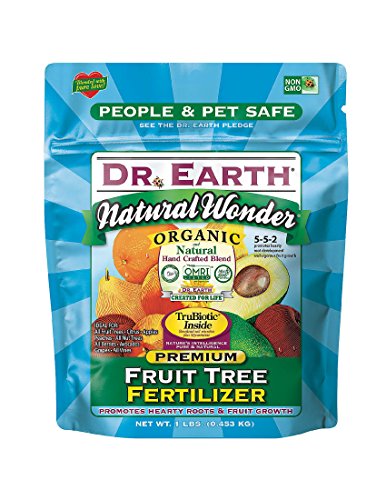
Dr. Earth MINI Natural Wonder Fruit Tree Fertilizer 1 lb

Down To Earth Organic Fruit Tree Fertilizer 6-2-4, 5 lb

Espoma Organic Citrus-Tone 5-2-6 Fertilizer, 4 lb Bag

Jobe’s Organics Granular Garden Fertilizer for Fruit and Nut Plants, 4 lbs
Dr. Earth 70656 MINIS Natural Wonder Fruit Tree Fertilizer 1 lb
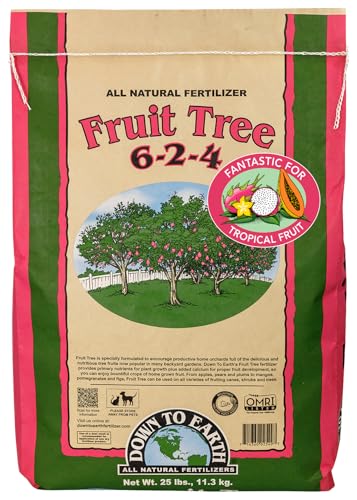
Down To Earth Organic Fruit Tree Fertilizer 6-2-4, 25 lb

Espoma Organic Tree-Tone 6-3-2 Fertilizer, 4 lb Bag (Pack of 2)
Why These Options Stand Out
Dr. Earth’s 4-pound Natural Wonder bag lands in the middle of the lineup for good reason. Its 5-5-2 NPK ratio (that’s nitrogen, phosphorus, and potassium, the three numbers that describe a fertilizer’s primary nutrient balance) gives fruit trees a gentle push without the heavy nitrogen spike that fuels leaves at the expense of fruit. For mixed backyard orchards with apples, peaches, citrus, and berries sharing the same soil, that balanced profile simplifies feeding day.
You’ll find this formula works on young transplants and established trees alike, applied at planting or as a seasonal top-dress. Compared to the MINI version reviewed next, the larger 4-pound size covers roughly 60 square feet of feeding area, which suits anyone with more than a couple of trees to feed.
Useful Highlights
- Balanced 5-5-2 ratio supports steady fruiting rather than leafy growth spurts
- People- and pet-safe formulation, so curious dogs around the orchard aren’t a worry
- Non-GMO Project Verified ingredients for gardeners who track that label
- Covers up to 60 square feet per bag, handling a small mixed orchard in one purchase
- Versatile across fruit trees, berries, and fruiting vines in containers or ground
Things To Consider
- Granular format means you’ll want a spreader or scoop, and storage in a dry spot prevents clumping over time
- Lower potassium than some dedicated citrus blends, so heavy citrus feeders may want to pair it with a citrus-specific formula
Made For
Backyard orchard keepers with a mix of stone fruit, pome fruit, and berries who want one organic fertilizer that handles everything in the planting bed.
Consider Something Else When
Heads-up for citrus-heavy patios: the Espoma Organic Citrus-Tone reviewed in pick 4 carries more calcium and a citrus-tuned ratio that suits lemon and lime trees more precisely.
The MINI version of Dr. Earth’s Natural Wonder keeps the same 5-5-2 nutrient philosophy in a 1-pound pouch. That smaller footprint matters for patio gardeners growing citrus in half-whiskey barrels or tending two or three berry bushes along a fence line. You avoid the waste that comes with committing to a 25-pound box when your feeding footprint is genuinely tiny.
Same as its larger sibling, this formula skips synthetic chemicals and uses handcrafted human- and feed-grade ingredients enriched with multi-minerals, proteins, carbohydrates, humic acids (organic compounds that improve how soil holds and releases nutrients), and trace elements. For container citrus or small-space fruit growing, that soil-building approach pays off over multiple seasons.
Bright Spots
- Compact 1-pound pouch fits apartment storage shelves without dominating the closet
- Same balanced 5-5-2 ratio as the larger Natural Wonder bag
- Non-GMO Project Verified, the only fertilizer in the U.S. carrying that specific verification according to the brand
- People- and pet-safe, no synthetic chemicals or GMO-tainted chicken manure in the mix
Worth Noting
- Small bag means more frequent reordering for anyone feeding more than two or three trees
- You’ll measure by the tablespoon for pots, so a kitchen scoop becomes a useful tool
Right Fit For
Patio and balcony gardeners with a couple of citrus trees or berry bushes who want the Natural Wonder formula in a manageable size.
Look Elsewhere When
If you’re stocking a multi-tree home orchard, the Down To Earth 25-pound bag in pick 7 covers more ground per dollar and cuts down on packaging waste.
Down To Earth’s Fruit Tree mix leads with a 6-2-4 NPK ratio, slightly higher in nitrogen than the Dr. Earth picks. That extra nitrogen kicks in during the spring growth push, which helps young trees establish quickly. The lower phosphorus number still supports fruit set without overloading soil where you’re rotating between trees and other crops.
Listed by the Organic Materials Review Institute (OMRI) for organic production, this formula carries credentials that matter if you’re growing fruit for market or simply want strict organic assurance. The 5-pound box suits a small home orchard with three to six trees, a sweet spot between the MINI options and the bulk 25-pound version reviewed later.
Strengths Worth Knowing
- OMRI-listed for organic production, useful if certification or strict organic sourcing matters to you
- Added calcium supports proper fruit development and reduces blossom-end issues
- Higher nitrogen ratio supports vigorous spring growth on young establishing trees
- 5-pound box feeds a multi-tree orchard without committing to bulk packaging
Trade Offs
- Granular texture means you’ll work it into the topsoil, which takes a few extra minutes per tree
- Higher nitrogen isn’t ideal for mature trees that already push plenty of leafy growth, depending on your soil test
Feature Snapshot
Best Suited To
Home orchard growers with three to six young fruit trees who want OMRI-listed organic assurance in a manageable box size.
A Better Fit Elsewhere
Container gardeners with one or two potted trees will find the Dr. Earth MINI in pick 2 a better size match for their feeding footprint.
Espoma’s Citrus-Tone reads like it was blended in a citrus grove. The 5-2-6 ratio carries more potassium than typical fruit-tree fertilizers, and potassium is the nutrient citrus trees crave most during fruit development. Add in 5% calcium and you have a formula tuned for lemon, lime, orange, and Meyer lemon trees that often struggle in non-native soils.
The blend also covers avocado and nut trees, so a patio with a potted avocado and a Meyer lemon can share one bag. The Bio-tone formula (Espoma’s proprietary mix of beneficial microbes) feeds soil life alongside the roots, which matters in containers where soil biology tends to thin out over time.
Everyday Wins
- Higher potassium ratio supports fruit fill and rind quality on citrus
- 5% calcium helps prevent the leaf yellowing and fruit cracking that plagues container citrus
- Works across citrus, avocado, and nut trees for mixed edible patios
- Bio-tone microbial blend supports long-term soil health in containers
- Ready-to-use granular format requires no mixing
Honest Caveats
- Specialized citrus ratio means it’s not ideal for apple or peach trees that prefer different nutrient balances
- 4-pound bag may run short if you’re feeding a citrus hedge of more than a few trees
Who Should Grab It
Patio growers tending lemon, lime, orange, or avocado trees in pots or small beds who want a citrus-specific formula with calcium built in.
Swap It Out When
If your planting mix is mostly apple, peach, or shade trees, Espoma’s Tree-Tone in pick 8 covers a broader range without the citrus bias.
Jobe’s Organics brings a forgiving, easy-to-spread granular format that suits anyone new to fruit-tree feeding. The fruit and nut formulation covers apples, citrus, berries, and nut trees, so a yard with a young walnut and a couple of blueberry bushes can share one bag without overthinking the match-up.
The OMRI listing means organic gardening standards apply, and the formula aims to boost soil microorganism activity over time. For a first-time fruit grower figuring out when to feed, how much to spread, and how often to reapply, the brand’s broad compatibility takes a layer of guesswork out of the process.
Positive Takeaways
- OMRI-listed for organic gardening standards
- Designed to boost soil microorganism activity, which supports long-term soil health
- Granular format spreads easily by hand or scoop without complicated mixing
- Works across fruit, citrus, and nut trees in a single bag
Points To Note
- General-purpose ratio isn’t tuned to citrus-specific potassium needs, depending on your tree type
- You’ll want to reapply through the growing season for steady results, which means planning feeding days on the calendar
Feature Card
Perfect Match For
First-time fruit growers setting up a small mixed yard who want a forgiving, broadly compatible organic fertilizer without a steep learning curve.
Not Your Match When
Dedicated citrus growers chasing the highest potassium ratio will find the Espoma Citrus-Tone in pick 4 a more targeted match for lemon and lime trees.
The Dr. Earth 70656 MINIS pack keeps the same 5-5-2 Natural Wonder formula but layers in the Trubiotic probiotic package, a blend of beneficial soil microbes meant to colonize the root zone. For gardeners who’ve struggled with compacted or biologically tired soil, that microbial boost can shorten the time between feeding and visible results.
The 1-pound pouch fits apartment storage and trial-size applications well. You’re not committing to a 25-pound box to test how your potted fig or patio peach responds to the formula, and the smaller format suits anyone feeding one or two trees with care.
Useful Strengths
- Trubiotic probiotic package adds beneficial microbes to tired or compacted soil
- Ideal for citrus, apples, peaches, nut trees, berries, avocados, grapes, and vines in one formula
- 1-pound pouch keeps things simple for apartment or trial feeding
- Handcrafted from human- and feed-grade ingredients for traceable sourcing
Room For Improvement
- Small bag won’t carry a multi-tree orchard through a full season without frequent reordering
- Probiotic component has a shelf life, so older bags may lose microbial potency over time
Whose Shelf It Belongs On
Apartment and patio growers with one or two trees who want a probiotic-enriched organic fertilizer without the bulk commitment.
Reach For A Different Pick When
Multi-tree orchard keepers feeding a half-dozen or more trees should skip straight to the Down To Earth 25-pound bag in pick 7 for better coverage per dollar.
The 25-pound sibling to Down To Earth’s 5-pound box delivers the same 6-2-4 OMRI-listed formula at orchard scale. A bag this size makes sense once you’re feeding more than six trees, or when you’d rather stock up for the full season and avoid mid-summer reorder runs.
Same added calcium, same OMRI organic listing, same primary nutrients for plant growth. The bulk format does mean you’ll need a sealed container or dry storage spot to keep the granules from clumping through humid summers, but for serious home orchardists that tradeoff is worth it.
Key Advantages
- 25-pound bag covers multi-tree orchards through a full growing season
- OMRI-listed formula meets strict organic production standards
- Added calcium supports fruit development across many tree types
- 6-2-4 ratio suits spring growth push on establishing trees
- Bulk format reduces packaging waste and per-pound cost
Some Limits To Know
- 25-pound bag is heavy to haul and needs a dry storage bin to prevent moisture clumping
- Excess inventory ties up storage space in small sheds or garages
Spec Overview
Built With In Mind
Multi-tree home orchard keepers with six or more fruit trees who want OMRI-listed organic fertilizer in a single bulk purchase.
Skip It When
Container gardeners with one potted citrus tree will find the Dr. Earth MINI in pick 2 easier to handle and store between feedings.
Espoma’s Tree-Tone rounds out the list with a 6-3-2 ratio and 5% calcium, packaged as a two-bag set for a total of 8 pounds of fertilizer. Where Citrus-Tone leans into potassium for citrus specifically, Tree-Tone broadens out to shade trees, ornamental trees, and fruiting trees like apple and peach in a single formula.
The Bio-tone microbial blend carries over from the Citrus-Tone pick, and the spring-and-fall feeding schedule fits traditional orchard routines. You get two bags in one purchase, which suits yards with a fruit tree or two alongside maples, oaks, or other shade trees that benefit from the same gentle organic feed.
Everyday Advantages
- Two-bag pack covers both fruit and shade trees in a mixed landscape
- 6-3-2 ratio supports leaves, roots, and fruit across tree types
- Bio-tone microbial blend feeds soil biology alongside the roots
- Ready-to-use granular format needs no mixing
- Best applied in spring and fall, matching traditional orchard feeding windows
A Few Limitations
- Not specifically tuned to citrus, so heavy citrus feeders may still want Citrus-Tone in pick 4
- Two-bag pack means more storage commitment than a single 4-pound bag
Who It Suits Best
Homeowners with a fruit tree or two alongside shade and ornamental trees who want one organic fertilizer that handles the full canopy.
Where Another Pick Suits Better
Pure-citrus patios will get more from the Espoma Citrus-Tone in pick 4, since the higher potassium ratio matches what lemon trees actually need during fruit fill.
What To Weigh Before Picking An Organic Fruit Tree Fertilizer
Reading The NPK Ratio
Those three numbers on the bag, like 5-5-2 or 6-2-4, tell you the percentage of nitrogen, phosphorus, and potassium by weight. Nitrogen drives leafy growth, phosphorus fuels root development and bloom set, and potassium supports fruit fill and overall plant vigor. Fruit trees generally benefit from a balanced or slightly nitrogen-leaning ratio during establishment, shifting toward higher potassium as they mature and start carrying crops. Match the ratio to your tree’s stage and you’ll avoid the common mistake of pushing too much leaf growth at the expense of fruit.
Matching The Formula To Your Tree Type
Different fruits have different appetites. Citrus trees crave potassium and calcium, which is why Espoma’s Citrus-Tone runs 5-2-6 with extra calcium. Stone fruits like peach and cherry tolerate more balanced ratios. Berries and vines do well on gentler formulas like Dr. Earth’s 5-5-2. Before buying, identify your dominant tree types and pick a formula tuned to their needs, or choose a versatile blend if your yard mixes several species.
Considering Bag Size And Storage
Fertilizer bags range from 1-pound pouches to 25-pound bulk sacks, and choosing wrong on size creates real headaches. A 25-pound bag in a humid garage can clump before you finish it, while a 1-pound pouch runs out after a single feeding on a multi-tree yard. Match bag size to your tree count and feeding frequency, then store opened bags in a sealed plastic bin to keep moisture out. Granular organic fertilizers absorb humidity quickly, so airtight storage matters more than the bag label suggests.
Verifying Organic Credentials
The two labels you’ll see most often are OMRI listing (Organic Materials Review Institute, which reviews products against USDA organic standards) and Non-GMO Project Verification. OMRI listing means the product meets standards for certified organic production, while Non-GMO addresses ingredient sourcing. If you’re growing for market or strict personal standards, OMRI-listed formulas like the Down To Earth picks carry that assurance.
Key Considerations Across These Picks
Pitfalls Shoppers Hit
One common slip is buying a citrus-specific formula for apple or peach trees and wondering why fruit set stays light. Another is grabbing the cheapest bag without checking the NPK ratio, then ending up with a nitrogen-heavy formula that fuels leaves instead of fruit. Reading the label and matching it to your tree type saves both seasons of feeding and the cost of replacing the wrong bag.
The Upgrade Payoff
Bigger bags aren’t always the better deal. A 25-pound bulk bag costs less per pound, but only if you can store it dry and use it within a season. Two-bag packs like the Espoma Tree-Tone offer a middle path, giving you enough fertilizer for spring and fall applications without the moisture risk of a 25-pound sack. Higher-tier choices in this category usually mean a more specialized ratio, more rigorous organic certification, or a microbial blend that builds soil biology over time, and those extras justify the cost for serious orchard keepers.
Frequently Asked Questions
How Often Should You Fertilize Fruit Trees Organically?
Most fruit trees benefit from two main feedings per year, one in early spring as growth resumes and one in early fall before dormancy. Container trees may need lighter, more frequent applications since nutrients leach out with each watering. Always follow the specific product’s feeding chart for application rates.
Can You Use The Same Fertilizer On Citrus And Apple Trees?
You can, but a balanced formula won’t give either tree its ideal nutrient match. Citrus prefers higher potassium and calcium, while apples and stone fruits do well on balanced or slightly nitrogen-leaning ratios. Picking a citrus-specific or fruit-tree-specific blend gives better results than forcing one bag to do both jobs.
Is OMRI Listing The Same As USDA Organic Certification?
Not exactly. OMRI listing means the product ingredients and manufacturing process have been reviewed against USDA organic standards, and the product is approved for use in certified organic production. USDA Organic certification applies to the farm or operation, not the fertilizer bag itself. An OMRI-listed fertilizer helps you maintain organic status on your own growing operation.
Are Organic Fertilizers Slower To Show Results?
Organic granular fertilizers typically release nutrients over weeks rather than days, because soil microbes break them down before roots can absorb them. That slower release mirrors how nutrients move in natural soil and reduces the risk of nutrient burn. You’ll see steady improvement in foliage and fruit set rather than a sudden flush, and the soil biology benefits compound over multiple seasons.
Do Fruit Trees In Containers Need Different Fertilizer?
Container fruit trees benefit from gentler, more frequent feedings since their root zones are limited and nutrients leach out with watering. Smaller bags like the Dr. Earth MINI options let you measure carefully without committing to a large box that may clump before you finish it. Adding compost to the potting mix alongside fertilizer improves moisture retention and microbial activity in confined root zones.
The Takeaway
A productive backyard orchard starts with the right organic fertilizer matched to your tree types, your soil, and your storage capacity. Whether you’re feeding a single potted lemon or stocking up for a multi-tree home orchard, the picks above cover the range without forcing a one-size-fits-all compromise. Pick based on your dominant tree type, your bag-size preference, and the organic credentials that matter to you, and you’ll set the season up for stronger roots and fuller harvests.
