

Growing tomatoes organically rewards a little patience with noticeably better flavor, and the fertilizer you choose quietly shapes every step of that journey. Container gardeners with three pots on a fire escape and backyard growers with twelve raised beds both face the same core decision: granular or spike, fast-release or steady feed, low NPK or calcium-boosted. This roundup walks through eight organic options built for different setups, so the match between your soil, your routine, and your tomato variety feels less like guesswork.
A Closer Look At The Lineup

Jobe’s Organics Granular All Purpose Fertilizer 4 lb Bag

Purely Organic Products 8-8-8 Triple Play Tomato & Vegetable Plant Food
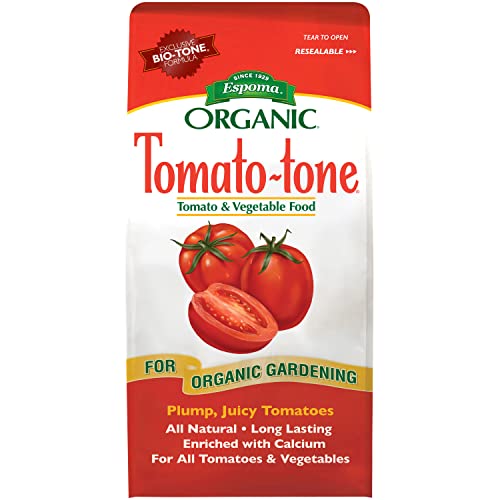
Espoma Organic Tomato-Tone 3-4-6 Fertilizer 8 lb Bag

Jobe’s Tomato Fertilizer Spikes 6-18-6 (54 Count)

Cz Garden 5-10-10 Tomato & Vegetable Fertilizer 4 lb

Jobe’s Organic Fertilizer Vegetable Spikes (50 Count)

Dr. Earth 4-6-3 MINIS Home Grown Tomato, Vegetable and Herb Fertilizer

Espoma Organic Tomato! Concentrated Plant Food 16 oz
Inside Each Recommended Option
You reach for an all-purpose bag when the garden is a patchwork rather than a single crop, and this granular Jobe’s option is built for exactly that situation. Scatter it around the drip line, water it in, and watch it work across vegetables, flowers, and shrubs without juggling separate bags. The 4-pound size is friendly to small backyards and patio plots where storage space matters.
For mixed beds where tomatoes share real estate with peppers, herbs, and ornamentals, the broad-applicability angle saves you from buying a different product for each row. If your gardening leans toward variety over specialization, this bag practically pays for itself in convenience.
What Earns Its Place
- Cross-category versatility for vegetables, flowers, shrubs, and trees in one bag
- Granular format that stays put in heavy rain rather than washing sideways
- Lightweight 4-pound pouch that’s easy to carry with one hand to the bed
- Organic formulation fits food gardens where pets and kids roam nearby
Worth Noting
- Not tomato-specific, so it lacks calcium and micronutrients that tomato-heavy feeds provide
- Granules need thorough watering after application to break down properly
- Wider nutrient spread can mean less targeted support during peak fruiting
Feature Snapshot
Right Fit For
Gardeners running a mixed vegetable-and-flower plot who prefer one bag to cover most beds.
Consider Something Else When
You’re chasing calcium-rich fruit set, where Espoma Organic Tomato-Tone 3-4-6 delivers a more targeted mineral profile.
An 8-8-8 fertilizer delivers equal parts nitrogen, phosphorus, and potassium, the trio shown on every bag as NPK, and that balance is exactly what mid-season tomato plants crave. The Triple Play formula uses a protein and plant-based blend that gets to work quickly, then keeps feeding for roughly six to eight weeks. One 2.25-pound bag spreads across about 250 square feet, which suits a modest in-ground plot.
You appreciate this formula when your garden sits in a region with a shorter growing window, because the steady release keeps fruit set on track through temperature swings. Compared to the all-purpose Jobe’s pick above, this one leans squarely toward edible crops.
Reasons It Performs
- Balanced 8-8-8 ratio supports leafy growth, roots, and fruit production in equal measure
- Six to eight week feeding window reduces mid-season reapplication trips
- Works indoors and outdoors, useful for greenhouse and container setups
- Protein and plant-based formula appeals to gardeners avoiding animal-derived ingredients
Points To Consider
- Equal NPK may over-feed nitrogen on already-rich soils, producing leafy plants with fewer fruits
- 2.25-pound bag covers a limited footprint, so larger plots need multiple bags
- No added calcium for blossom-end rot prevention
Who It Suits Best
Mid-season tomato growers in shorter growing regions who want a hands-off feeding schedule without losing fruit set.
Look Elsewhere When
You’re worried about blossom-end rot on heavy-fruiting varieties, where Espoma Organic Tomato-Tone 3-4-6 includes 8% calcium as a built-in safeguard.
Tomato-tone earned its reputation among organic growers because it was formulated specifically for tomatoes rather than retrofitted from a general blend. The 3-4-6 ratio leans toward potassium, the nutrient that powers fruit development, while 8% calcium addresses blossom-end rot before it starts. Apply it every two weeks around the drip line, water it in, and the soil biology takes over.
The 8-pound bag covers a serious backyard run, so you won’t run out mid-July the way smaller containers tend to disappear. If you’ve lost a crop to black-bottomed fruit in past seasons, that built-in calcium is the practical reason to switch.
The Case For It
- 8% calcium targets blossom-end rot on Roma, San Marzano, and other paste varieties
- Bio-tone additive supports beneficial soil microbes for long-term soil health
- Ready-to-use granules require no mixing or pre-dissolving
- Suitable for heirloom and hybrid tomatoes across all growing zones
Trade Offs
- Two-week reapplication schedule demands more frequent garden visits than slow-release spikes
- 8-pound bag is heavier to carry than smaller pouches and harder to store in tight sheds
- Lower nitrogen means slower early-season foliage, which can frustrate impatient gardeners
Technical Highlights
Made For
Heirloom and hybrid tomato growers in regions with calcium-deficient soil who want fruit-quality insurance built into every feeding.
A Better Fit Elsewhere
You want a hands-off spike that lasts a full season without reapplication, where Jobe’s Tomato Fertilizer Spikes 6-18-6 cover you for months at a stretch.
Fertilizer spikes turn feeding into a one-time push-in chore, which is a relief during weeks when life pulls you away from the garden. Each 6-18-6 spike releases a steady stream of nutrients right at the root zone, where tomatoes can take them up without competing with weeds or surface runoff. The three-pack delivers 54 spikes total, enough to feed a sizable container collection.
Compared to granular feeding, you avoid the dusty mess and the worry about uneven coverage in heavy summer rain. For container growers who can’t dig in deeply, the spike format actually works better than loose fertilizer.
Useful Strengths
- Time-release formula feeds roots continuously without frequent reapplication
- Push-in application takes seconds per plant
- 6-18-6 ratio supports root establishment and fruit set in young transplants
- Bulk 54-count pack suits multi-plant tomato setups
Honest Caveats
- Spikes deliver nutrients in a fixed radius, so root systems outside that zone may underperform
- Higher phosphorus makes them less ideal as a general vegetable feed
- Hard clay or rocky soil can complicate spike insertion
Best Suited To
Patio and balcony gardeners with a handful of tomato pots who prefer a single seasonal push-in over monthly granular feedings.
Swap It Out When
You’re growing a diverse vegetable bed beyond tomatoes, where Dr. Earth 4-6-3 MINIS handles multiple crops with a broader nutrient spread.
A 5-10-10 ratio puts phosphorus and potassium ahead of nitrogen, which mirrors what fruiting plants want during their heavy-production phase. Cz Garden adds 2% iron and a micronutrient blend that helps prevent the interveinal yellowing common in alkaline soils. The resealable heavy-duty pouch keeps the remaining product dry between feedings, a small detail that prevents clumping.
You reach for this formula when tomatoes share space with flowering plants that need the same mineral push. Compared to the leaner Tomato-tone above, the higher phosphorus here shifts more energy toward blooms and fruit rather than foliage.
The Practical Payoff
- Higher phosphorus ratio drives stronger flower-to-fruit conversion
- 2% iron supports chlorophyll production in iron-deficient soils
- Resealable pouch keeps product fresh across multiple applications
- Made in the USA for shoppers prioritizing domestic manufacturing
Small Caveats
- Low nitrogen means early-season transplants may need a separate starter feed
- Granular format requires watering-in for activation
- Less calcium than Tomato-tone, so blossom-end rot prevention isn’t built in
Feature Rundown
Who Should Grab It
Growers blending tomatoes with cut-flower beds or pollinator strips who want one fertilizer to serve both purposes.
Reach For A Different Pick When
You’re starting seedlings indoors and need gentler early-stage nitrogen, where Espoma Organic Tomato! Concentrated Plant Food dilutes to a starter-friendly dose.
Vegetables in general benefit from a moderate nutrient push, and the 2-7-4 ratio in these spikes favors root and early shoot development over leafy growth. Tomatoes use them well as a steady background feed, while peppers, beans, and leafy crops share the same packet happily. Each spike delivers organic nutrition directly to the root zone where feeder roots cluster.
The pack of 50 covers a generous vegetable garden without leaving you short at the end of the season. If you’re running a community plot or share-space garden, this is the kind of low-maintenance input that respects everyone’s time.
Positive Points
- Slow-release spike format suits gardeners with limited weekly time
- Organic certification fits food gardens with strict input standards
- Multi-vegetable compatibility covers tomatoes, peppers, and beans in one pack
- Feeder-root placement reduces nutrient loss to surface evaporation
Some Limits To Know
- Lower potassium than tomato-specific blends, which may matter during heavy fruiting
- Spike placement must avoid direct root-stem contact to prevent burn
- Bulk count may exceed what small patio gardens actually need
Perfect Match For
Community garden coordinators and shared-space growers who want one organic product that works across multiple vegetable beds.
Another Choice May Suit
You’re running a tomato-only raised bed and want phosphorus-heavy support, where Purely Organic Products 8-8-8 Triple Play tilts more toward fruit production.
Dr. Earth packs living soil biology into a 1-pound pouch, including TruBiotic microbes and mycorrhizae, beneficial fungi that form partnerships with plant roots and extend their reach for water and nutrients. The 4-6-3 ratio leans gently toward phosphorus without sacrificing nitrogen entirely. For small herb gardens alongside your tomato pots, this is the kind of product that treats the soil as a system.
The compact size suits windowsill herb collections and balcony planters where you don’t need a 4-pound bag collecting dust. If you’re a hobbyist gardener who enjoys the science side of growing, the microbe story adds a layer of interest that plain NPK products can’t match.
A Favorable Mix
- TruBiotic blend introduces beneficial soil microbes for long-term soil health
- Mycorrhizae extend root reach for water and nutrient uptake
- Small 1-pound format suits herb planters and starter herb collections
- Multi-ingredient profile feeds tomatoes and herbs from the same pouch
Areas To Watch
- 1-pound size runs out quickly in larger tomato beds
- Living microbes have a shelf life that shorter than synthetic fertilizers
- Higher cost per pound than bulk granular options
Built With In Mind
Hobbyist herb gardeners running small tomato collections on balconies or windowsills who care about soil biology alongside fruit yield.
Where A Sibling Pick Shines
You need to cover a full backyard plot, where Cz Garden 5-10-10 Tomato & Vegetable Fertilizer offers a larger pouch for less per pound.
Liquid fertilizer skips the measuring-and-scattering step entirely; you add half a cap to a quart of water, drench the soil, and you’re done. Espoma’s Tomato! concentrate comes in a 16-ounce bottle that fits in a kitchen cabinet, which matters when you don’t have garden shed storage. The organic formula is safe around kids and pets, so a forgotten bottle on the patio won’t cause a panic.
You apply it every two to four weeks during the growing season, which lines up neatly with a regular watering routine. For container tomatoes that already get watered daily, this format piggybacks on existing habits rather than adding chores.
Why It Works Well
- Pre-measured cap reduces guesswork during feeding
- Liquid format delivers nutrients immediately to active root systems
- Compact 16-ounce bottle stores easily in small spaces
- Organic ingredients suit households with children and pets
Where It May Fall Short
- Faster absorption means more frequent applications than slow-release options
- Mixing step adds a small chore to each feeding
- Liquid form doesn’t improve long-term soil structure the way granular feeds do
Quick Facts
Whose Shelf It Belongs On
Apartment dwellers with a few patio tomato pots who store gardening supplies inside rather than in a shed.
Skip It When
You’re managing a large in-ground bed, where Espoma Organic Tomato-Tone 3-4-6 in the 8-pound granular bag delivers better coverage at lower cost per application.
Matching Your Soil To The Right Tomato Feed
Tomato fertilizer decisions tend to come down to three variables: how much calcium your soil already supplies, how often you can realistically reapply, and whether your setup is in-ground, raised, or container. A 3-4-6 blend with calcium suits gardeners in regions with alkaline or low-mineral soils where blossom-end rot has historically shown up. A balanced 8-8-8 formula fits shorter growing windows where steady mid-season feeding matters more than aggressive fruiting push.
Container growers benefit most from spikes or liquids because the limited root zone responds quickly to frequent feeding. Backyard gardeners with deep beds get more mileage from granular feeds that work through soil biology over weeks. The format you pick shapes the rhythm of the season as much as the nutrient mix does.
Reading the NPK label tells you roughly what a fertilizer emphasizes. Nitrogen powers leafy growth, phosphorus drives roots and blooms, and potassium supports fruit development and overall plant vigor. A first number higher than the others points toward foliage, while a higher middle or last number signals fruiting support.
Key Considerations Across These Picks
Mistakes Worth Dodging
Overfeeding nitrogen is the most common slip, especially when gardeners assume more fertilizer means more fruit. Excess nitrogen produces tall, leafy plants with few flowers, the opposite of what tomato growers want. Always match the NPK ratio to the growth stage rather than dumping the strongest bag on every plant.
Another frequent miss is skipping watering after granular application. Without water to dissolve the nutrients, granules sit on the soil surface and may never reach the root zone where tomatoes actually feed.
What The Higher Tier Buys
Premium organic fertilizers tend to include calcium, micronutrients, or living soil biology that basic blends skip. Those extras matter in alkaline soils, calcium-deficient regions, or gardens where long-term soil building is the goal. The higher cost per pound reflects those added ingredients rather than a stronger NPK punch.
For hobbyists with small plots, paying up for a specialized tomato formula often pays off through better fruit quality. For large-scale vegetable gardens, a balanced 8-8-8 or 5-10-10 covers more ground at lower cost.
Frequently Asked Questions
How often should you feed tomatoes with organic fertilizer?
Most organic tomato fertilizers are applied every two to four weeks during the growing season, with spikes lasting longer between feedings. Always follow the label schedule for the specific product, since overfeeding can cause more problems than underfeeding.
Do organic tomato fertilizers really work?
Organic fertilizers feed the soil biology that then feeds the plant, which produces slower but steadier results than synthetic options. They work well for gardeners willing to feed consistently and build long-term soil health rather than chasing instant growth.
Can you use the same fertilizer for tomatoes and peppers?
Yes, most tomato blends like Espoma Tomato-Tone and Purely Organic 8-8-8 work across peppers, herbs, and other fruiting vegetables. The shared nutrient needs of these crops make one organic blend practical for mixed beds.
Is calcium important in tomato fertilizer?
Calcium helps prevent blossom-end rot, the dark sunken spot that appears on the bottom of ripening fruit. Soils that lack calcium or that fluctuate between dry and wet conditions benefit most from calcium-enriched organic feeds.
Are fertilizer spikes or granules better for tomatoes?
Spikes offer low-maintenance feeding with less frequent application, while granules allow more even nutrient distribution and easier mid-season adjustment. Container gardeners often prefer spikes for convenience, while in-ground growers tend to favor granules for thorough coverage.
Closing Thoughts
The right organic fertilizer depends less on brand loyalty and more on what your soil actually needs and how often you’re willing to feed. Match the format to your routine, the NPK to your growth stage, and the calcium content to your region’s soil profile, and the rest of the season tends to take care of itself.
