

Feeding a tree well means thinking past the surface. Soil biology, root depth, and the right NPK ratio (nitrogen for foliage, phosphorus for roots and blooms, potassium for overall vigor) all shape whether your backyard orchard or shade tree actually thrives. Home growers juggling fruit trees, ornamentals, and evergreens need a feed that works with the soil, not against it. This roundup covers eight organic fertilizers matched to different tree types, from backyard citrus to privacy hedges, so you can match the bag to the job.
The Lineup, Simplified

Jobe’s Organics Granular All Purpose Fertilizer 4 lbs Bag

Dr. Earth Natural Wonder Fruit Tree Fertilizer 4 lb

Down To Earth Organic Fruit Tree Fertilizer 6-2-4 5 lb

TPS Nutrients Arborvitae Liquid Plant Food 32 oz

Farmer’s Secret Citrus Tree Booster Fertilizer 32 oz

Espoma Organic Citrus-Tone 5-2-6 Fertilizer 4 lb Bag

Jobe’s Tree Fertilizer Spikes 16-4-4 Time Release
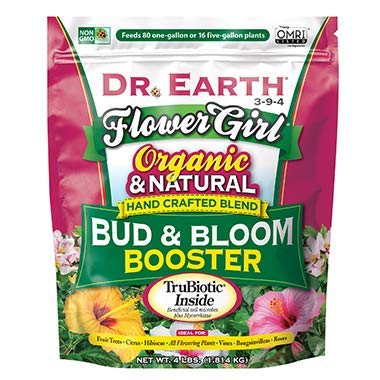
Dr. Earth Flower Girl Bud & Bloom Booster 4-10-7
The Strengths Of Each Pick
Jobe’s Organics Granular All Purpose Fertilizer covers a lot of ground without forcing you to buy a separate product for every bed. The 4-pound bag fits neatly in a garden shed and handles vegetables, flowers, shrubs, and trees with the same formula, which simplifies feeding schedules when you are juggling several plant types at once.
For mixed backyard gardens where you want one organic product to do most of the work, this granular feed keeps things simple. You sprinkle it around the drip line (the area directly under the outer canopy where rain drips off the leaves), work it into the topsoil, and water it in. Home growers just starting their first edible landscape tend to find this approach easier than calculating separate blends for each species.
Bright Spots
- Works across vegetables, flowers, shrubs, and trees, reducing the number of products you keep on hand
- Organic granular format feeds soil microbes alongside roots, supporting long-term soil health
- Low-odor application, which matters in tight suburban lots or near outdoor seating areas
- Pre-measured grains help avoid the guesswork that comes with loose powder fertilizers
Worth Noting
- Reapplication every few weeks during the growing season, so you will go through bags faster than with slow-release spikes
- Granular format requires watering in to activate, which means an extra step in dry stretches
Made For
Garden beginners running a mixed backyard with both edibles and ornamentals who want one bag that handles most tree and plant types.
Consider Something Else When
Specialty fruit tree growers should look at Dr. Earth Natural Wonder Fruit Tree Fertilizer 4 lb for a formulation tuned specifically to fruiting species.
Dr. Earth Natural Wonder Fruit Tree Fertilizer takes a measured approach to feeding fruiting trees. The 5-5-2 NPK ratio delivers even nitrogen, phosphorus, and potassium without pushing excessive leaf growth at the expense of blooms, which can be a quiet frustration with higher-nitrogen formulas on stone fruit (peaches, plums, cherries) and pome fruit (apples, pears).
You can apply it at planting or any time during active growth, which keeps the feeding window flexible across regions with different last-frost dates. Backyard orchardists managing apples, pears, blueberries, or grapevines in containers or in-ground beds will find the timing forgiving.
What Helps Most
- Even 5-5-2 ratio reduces the risk of leafy overgrowth that can suppress fruiting on young trees
- Listed for organic production, so it fits gardens where organic inputs matter
- Safe around people and pets once applied and watered in, easing concerns in family yards
- One 4-pound bag covers roughly 60 square feet, which is helpful for small orchard layouts
Trade Offs
- Lower nitrogen than some orchard blends, so very nitrogen-hungry citrus may need supplemental feeding
- Granular format means reapplication through the season rather than a single seasonal treatment
Quick Facts
Right Fit For
Home orchard growers with mixed fruit trees and berries who want a steady, organic feed that does not overstimulate foliage.
Look Elsewhere When
Citrus-heavy yards may prefer Espoma Organic Citrus-Tone 5-2-6 Fertilizer 4 lb Bag, which carries a calcium boost tailored for citrus and avocado trees.
Down To Earth Organic Fruit Tree Fertilizer lands at a 6-2-4 NPK, leaning more nitrogen than the Dr. Earth option. That extra nitrogen helps young fruit trees push the vigorous spring growth they need before settling into fruit production, which is why many orchardists prefer a higher-nitrogen feed during the establishment years.
The 5-pound box suits a small home orchard with several trees, and the granular format spreads easily under the canopy. Where this pick differs from Dr. Earth Natural Wonder is the nutrient ratio: more nitrogen for green growth, less phosphorus, which is fine for trees already established in adequate soil.
The Value In It
- Higher nitrogen content supports strong canopy growth in young or recovering fruit trees
- OMRI-listed (reviewed by the Organic Materials Review Institute for organic use), so it qualifies for organic garden programs
- Box packaging keeps granules contained and tidy during long shed storage
- Suited to apples, pears, peaches, plums, and other common backyard fruit trees
Some Limits To Know
- Lower phosphorus than bloom-focused blends, so flowering ornamentals may need a separate feed
- Granular application requires raking into topsoil and watering in to release nutrients
- Higher nitrogen can lead to leafy growth over fruit set on already-vigorous mature trees
Whose Shelf It Belongs On
Orchard growers working with young or recently transplanted fruit trees who need a nitrogen-forward organic feed to drive early-season growth.
Swap It Out When
Mature fruiting trees that already push ample foliage should run on Dr. Earth Natural Wonder Fruit Tree Fertilizer 4 lb to avoid leafy overgrowth.
TPS Nutrients Arborvitae Liquid Plant Food focuses on the evergreen that defines so many suburban privacy hedges. Arborvitae have shallow root systems and respond well to steady, low-strength liquid feeding that supports dense foliage without forcing rank growth, which is exactly what this 32-ounce concentrate is set up to deliver.
Liquid feeds move into the root zone faster than granulars, so a quick pick-me-up is possible during dry summer stretches when arborvitae foliage starts to bronze. For homeowners with long hedge runs, the bottle mixes into a watering can or hose-end sprayer and covers a substantial length of hedge per application.
Positive Points
- Liquid format delivers nutrients quickly to shallow arborvitae roots during stress periods
- Targets green foliage color, which matters for hedges used as living screens
- Concentrate format stretches a small bottle across many feeding sessions
- Useful as a supplement between granular feedings on established hedges
Points To Note
- Liquid feeds require mixing and regular reapplication rather than seasonal dosing
- Specifically tuned to arborvitae, so it is not a multi-purpose bag for the rest of the yard
- Bottle storage in freezing sheds can affect product consistency during winter months
Feature Snapshot
Best Suited To
Homeowners running arborvitae hedges or privacy screens who need a targeted liquid feed to keep foliage dense and green through the growing season.
A Better Fit Elsewhere
Growers with mixed evergreen and deciduous trees will find broader value in Jobe’s Tree Fertilizer Spikes 16-4-4 Time Release, which handles several species at once.
Farmer’s Secret Citrus Tree Booster Fertilizer is built around a super-concentrated liquid formula, so a single 32-ounce bottle stretches across a long feeding schedule. The dilution rate is roughly one teaspoon per gallon of water for young trees, applied weekly along the drip line, which makes it approachable for indoor and outdoor growers alike.
Compared to the granular Espoma Organic Citrus-Tone reviewed below, this one trades seasonal broadcast feeding for weekly liquid dosing. Container citrus growers and apartment gardeners with dwarf lemon, lime, or orange trees tend to prefer the steady, low-dose approach because it prevents salt buildup in small pots, which is a common culprit behind leaf burn.
Positive Takeaways
- Super-concentrated formula means a single bottle lasts many weeks of regular feeding
- Weekly application fits the watering rhythm of potted citrus kept indoors or on patios
- Suitable for lemons, limes, oranges, and other common citrus varieties
- Liquid form reduces the salt accumulation that stresses citrus roots in containers
Things To Consider
- Weekly feeding schedule is more hands-on than a quarterly granular routine
- Specialized for citrus, so it does not double as a multi-tree feed for the wider yard
Perfect Match For
Indoor and patio citrus growers with dwarf trees in containers who want a concentrated liquid feed that fits a weekly watering habit.
Not Your Match When
Backyard orchardists with multiple in-ground citrus trees will find Espoma Organic Citrus-Tone 5-2-6 Fertilizer 4 lb Bag more practical for broadcast feeding.
Espoma Organic Citrus-Tone brings a 5-2-6 NPK plus 5 percent calcium to citrus, fruit, nut, and avocado trees, which is a meaningful edge over generic all-purpose feeds. Calcium supports fruit wall development and reduces the risk of blossom-end issues in citrus, and the Bio-tone additive is Espoma’s proprietary blend of beneficial microbes that help roots access nutrients more efficiently.
Where this pick differs from the Farmer’s Secret liquid above is application style: granular broadcast feeding along the drip line, repeated through the season, suits in-ground trees and larger containers. If you have a Meyer lemon in a half-whiskey barrel or a young avocado planted in the backyard, Citrus-Tone matches that scale.
A Few Highlights
- Bio-tone microbe blend supports root efficiency beyond what basic NPK provides
- Calcium addition helps fruit set and reduces common citrus deficiencies
- Covers citrus, fruit, nut, and avocado trees with the same bag, simplifying shopping
- Free of sludges and toxic fillers, fitting organic gardening programs
Honest Caveats
- Granular broadcast feeding takes more measuring than spike or liquid alternatives
- Best results require seasonal reapplication, not a single annual dose
Feature Rundown
Who It Suits Best
Backyard growers with established citrus, avocado, or nut trees who want a granular organic feed with calcium and microbial support.
Reach For A Different Pick When
Apartment growers with single potted citrus should choose Farmer’s Secret Citrus Tree Booster Fertilizer 32 oz for its weekly liquid convenience.
Jobe’s Tree Fertilizer Spikes deliver a 16-4-4 time-release feed that you simply hammer into the soil around each tree’s drip line. The 15-count pack covers several established trees, and the slow-release formula keeps nutrients available across the season without reapplying every few weeks.
Unlike the granular Jobe’s Organics All Purpose reviewed first, these spikes remove the measuring and broadcasting steps entirely. For homeowners managing a front yard shade tree and a few foundation shrubs, that low-fuss approach matters when you would rather water than feed by hand.
What Makes Sense
- Spike format eliminates measuring, broadcasting, and raking-in steps
- Time-release nutrient delivery lasts the full growing season after one application
- Higher nitrogen ratio supports foliage on shade trees and large shrubs
- Works across deciduous trees, conifers, and ornamental shrubs
Room For Improvement
- Higher nitrogen is less ideal for fruiting trees where excess leafy growth can reduce yields
- Spikes can break in rocky or compacted soils, so prep the spot before driving them in
- Placement needs to follow the drip line, which is easy to misjudge on young trees
Built With In Mind
Homeowners managing shade trees and foundation shrubs who prefer a single seasonal feeding over repeated granular applications throughout the year.
Another Choice May Suit
Fruit tree growers will get more balanced feeding from Dr. Earth Natural Wonder Fruit Tree Fertilizer 4 lb, which targets fruiting without pushing excess foliage.
Dr. Earth Flower Girl Bud & Bloom Booster carries a 4-10-7 NPK with phosphorus as the lead nutrient, which is the element that drives bud set and bloom development. For flowering trees like dogwoods, magnolias, crabapples, and ornamental cherries, that phosphorus-forward ratio delivers what a balanced feed leaves on the table.
The blend is hand-crafted and free of GMOs, chicken manure, and sewage sludge, which matters for organic-minded gardeners. Compared to the fruit-focused Dr. Earth Natural Wonder, this pick trades fruiting support for bloom intensity, making it the better match when flowers matter more than harvest.
What It Does Well
- Phosphorus-forward 4-10-7 ratio supports heavier bloom set on flowering trees and shrubs
- Free of GMOs and sludge-based fillers, fitting organic gardening programs
- Safe around people and pets once watered in, easing concerns in family yards
- Hand-crafted blend appeals to gardeners who prefer minimally processed inputs
Points To Keep In Mind
- Lower nitrogen means slower foliage growth, so newly planted ornamentals may need a separate nitrogen source during establishment
- Bloom-focused formula is not ideal for fruiting or shade trees where leaf growth is the priority
Who Should Grab It
Homeowners with flowering ornamentals like dogwood, magnolia, or crabapple who want a phosphorus-forward organic feed to support heavy bloom seasons.
Where A Sibling Pick Shines
Shade tree and shrub growers should pick Jobe’s Tree Fertilizer Spikes 16-4-4 Time Release for a nitrogen-led feed that better matches foliage-focused growth.
Choosing Organic Tree Fertilizers That Match Your Soil and Species
Decoding NPK Ratios Before You Buy
The three numbers on every fertilizer bag tell you the percentage of nitrogen, phosphorus, and potassium by weight. Nitrogen drives leafy canopy growth, phosphorus fuels root development and bloom or fruit set, and potassium supports overall plant vigor and stress tolerance. A 5-5-2 blend like Dr. Earth Natural Wonder delivers even feeding across all three, while a 16-4-4 spike like Jobe’s Tree Fertilizer Spikes prioritizes canopy growth over fruiting or flowering.
Matching the ratio to your goal matters more than chasing the highest numbers. Fruit tree growers usually want balanced or slightly nitrogen-leaning feeds, citrus wants extra potassium and calcium like Espoma Citrus-Tone delivers, and flowering ornamentals benefit from phosphorus-forward blends like Dr. Earth Flower Girl Bud & Bloom Booster.
Granular, Liquid, or Spike Delivery
Each format changes how often you feed and how the nutrients reach roots. Granular fertilizers broadcast across the soil and water in slowly, which suits larger in-ground trees and orchard layouts. Liquid concentrates like TPS Nutrients Arborvitae Liquid Plant Food move into roots fast and help during stress periods but require more frequent application. Spike fertilizers like Jobe’s Tree Fertilizer Spikes reduce hands-on time and release nutrients over a full season but can be tough to place in compacted or rocky soils.
Reading Organic Certification Claims
Terms like “organic,” “OMRI-listed,” and “natural” are not interchangeable. OMRI listing means the Organic Materials Review Institute has reviewed the product for use in certified organic production, which is the strictest standard. Products labeled “organic” or “natural” may still contain synthetic processing aids, so check the back panel and certification marks when organic compliance matters for your garden program.
Matching Species to Formulation
Trees have different feeding profiles that respond better to certain ratios. Citrus and avocado trees want potassium and calcium, which is why Espoma Citrus-Tone includes both. Arborvitae and other evergreens respond to steady low-dose liquid feeding that keeps foliage green without forcing rank growth. Fruit trees like apples, peaches, and pears want balanced nitrogen without excesses that suppress fruiting, which is where 5-5-2 or 6-2-4 blends shine.
Smart Choices Before You Buy
Common Shopping Slip Ups
The biggest mistake is reaching for an all-purpose blend when your tree has a specific need. A shade tree in a lawn rarely needs phosphorus, while a flowering dogwood is hungry for it. Another slip is ignoring the application format: buying a granular feed for a tight container citrus means more work and less control than a liquid like Farmer’s Secret Citrus Tree Booster. Always match the format to the planting site and the species.
Where The Extra Money Goes
Premium organic blends like Espoma Citrus-Tone include Bio-tone microbial additives and calcium that generic all-purpose feeds skip. Higher-tier liquid concentrates stretch further per bottle thanks to dilution strength, which can offset the higher sticker cost over a full season. When your trees have specific needs, citrus, flowering ornamentals, or struggling evergreens, that upgrade usually pays off in visible results within a single growing season.
Frequently Asked Questions
How often should I apply organic fertilizer to trees?
Most granular organic fertilizers are applied two to four times during the growing season, while slow-release spikes like Jobe’s Tree Fertilizer Spikes go in once per season. Liquid feeds like Farmer’s Secret Citrus Tree Booster are typically diluted and applied weekly along the drip line. Always follow the label schedule for the specific product and tree type.
Can I use the same fertilizer for fruit trees and shade trees?
A balanced organic feed like Dr. Earth Natural Wonder Fruit Tree Fertilizer works across both, but shade trees often benefit from a higher nitrogen ratio like the 16-4-4 in Jobe’s Tree Fertilizer Spikes to push canopy growth. For best results, match the NPK ratio to the tree’s primary goal: leaves, blooms, or fruit.
Are organic fertilizers safe around children and pets?
Many organic blends, including Dr. Earth Natural Wonder and Flower Girl Bud & Bloom, are formulated to be safe around people and pets once watered in and dried. Even so, keep bags sealed during storage and prevent digging in fresh applications until the granules settle into the soil.
When is the best time to fertilize trees?
Early spring as new growth begins is the most common feeding window, with a second lighter application in mid-summer for hungry species like citrus. Avoid late-fall fertilization, which can push tender new growth that winter cold will damage.
How long does it take to see results from organic fertilizer?
Organic feeds work more slowly than synthetic options because nutrients release as soil microbes break them down. Expect visible improvement in foliage color and vigor within four to eight weeks, with bloom and fruit effects showing the following season.
Wrap Up
Tree feeding does not need to feel like guesswork once you match the format and NPK ratio to the species in your yard. Citrus wants potassium and calcium, fruit trees want balanced nitrogen, flowering ornamentals want phosphorus, and evergreens want steady liquid support. Pick the bag that lines up with your tree’s primary goal, and the rest of the season gets a lot simpler.
