

Fungal problems show up fast, often overnight, and spread across a single rose bed or vegetable row in days. Anyone growing edibles, ornamentals, or houseplants eventually meets powdery mildew, black spot, rust, or blight in some form. The seven organic fungicides below handle those pressures with botanical oils, biological bacteria, or plant-safe mineral actives, so you can treat crops without harsh residues.
The Choices Worth Comparing
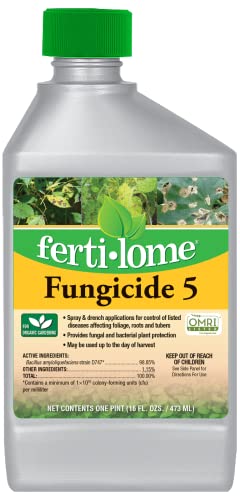
Fertilome Fungicide 5 Concentrate 16 oz

Earth’s Ally Disease Control Fungicide Concentrate 32 oz

Garden Safe Neem Oil Extract Concentrate 10 oz

Grower’s Ally Crop Defender 3 Concentrate 24 oz

Earth’s Ally 3-in-1 Plant Spray 32 oz

Garden Safe Brand Fungicide3 with Neem Oil 1 Gal

Root 98 Warehouse Garden Friendly Bio Fungicide 8 oz
Why These Options Stand Out
Fertilome Fungicide 5 sits at the heavier end of this list, built for gardeners tackling stubborn blight, leaf spot, rust, and the long list of mildews that show up on roses, tomatoes, and lawn patches alike. The 16-ounce concentrate gives you enough to treat a substantial yard without refilling mid-season, which matters when a fungal outbreak hits a whole hedge at once.
Versatility is the real story here. One bottle covers ornamentals, vegetables, fruit trees, lawns, and houseplants, so the same product can rotate across very different parts of a property. For growers who want one jug on the shelf that handles nearly everything, Fertilome earns that spot. It does require mixing and a sprayer, which is a step up from the ready-to-use picks later in this roundup.
What Makes Sense
- Covers a broad range of listed fungal and bacterial diseases on trees, shrubs, and food crops.
- Works both indoors and outdoors, so one bottle can serve multiple plant groups.
- The 16-ounce concentrate stretches further per dollar than ready-to-spray formulas.
- Compatible with lawn applications, where other organic options tend to fall short.
Things To Consider
- Concentrate requires accurate measuring and a dedicated sprayer, which adds setup time.
- Mix only what you need; unused diluted solution has a short practical window.
Who It Suits Best
Home growers managing a mixed yard with serious disease pressure, especially anyone treating lawns alongside ornamentals.
Look Elsewhere When
You’d rather skip measuring entirely, in which case the Earth’s Ally 3-in-1 Plant Spray offers a no-mix route.
Earth’s Ally Disease Control takes a different approach from the Fertilome concentrate by using citric acid as its active ingredient, which gives it a milder profile that families and pet owners tend to appreciate. The 32-ounce bottle is twice the size of most competitors here, so a single purchase covers multiple treatment cycles through the season.
It’s aimed squarely at the common offenders: powdery mildew, downy mildew, blight, canker, black spot, and leaf spot. That’s the disease lineup most home gardeners face, and Earth’s Ally handles both prevention and active treatment with the same formula. For households that want a gentle but effective concentrate, this one’s hard to argue with.
Positive Takeaways
- Citric-acid formula treats and prevents the six most common home-garden fungal diseases.
- Larger 32-ounce bottle means fewer repurchases through a single growing season.
- Designed for indoor and outdoor use, which suits mixed collections of houseplants and beds.
- Concentrate format keeps cost per treated plant lower than ready-to-use sprays.
Honest Caveats
- You’ll still need a sprayer and accurate mixing; not a grab-and-spray option.
- Citric-acid formulas work best as part of a routine, not as a one-shot rescue on advanced infections.
Made For
Family-friendly gardens where mild actives and large coverage matter more than knockout strength.
Swap It Out When
You want to combine fungicide and pest control in a single bottle, in which case Grower’s Ally Crop Defender 3 is the better fit.
Neem oil is the classic organic gardener’s tool, and Garden Safe’s 10-ounce concentrate keeps the formula focused on a clarified hydrophobic extract, which is the active-rich form rather than a watered-down cold-pressed version. The bottle covers fungicide, insecticide, and miticide duties at once, so it replaces several single-purpose products on the shelf.
This concentrate suits mixed gardens where you never know which problem will show up next. Roses, houseplants, fruit trees, and vegetables all fall within the label’s range. Smaller bottle size keeps the price accessible for first-time organic growers, though heavy users will burn through it quickly during peak season.
Practical Advantages
- One product handles fungi, soft-bodied insects, and mites on the same plant.
- Approved for organic gardening use on edibles and ornamentals alike.
- Concentrate format scales up or down depending on the size of each job.
Points To Note
- The 10-ounce bottle runs out fast on larger properties.
- Neem oil needs thorough agitation in the tank to keep the emulsion from separating during spraying.
Best Suited To
Growers with mixed indoor and outdoor collections who want one bottle to handle multiple pest types.
Reach For A Different Pick When
You need a much larger volume for big gardens, in which case Garden Safe Brand Fungicide3 in the one-gallon size is the upgrade.
Grower’s Ally Crop Defender 3 pushes beyond basic neem with a synergistic blend of botanical oils and a built-in surfactant, meaning the formula already includes the wetting agent that helps sprays coat leaf surfaces evenly. The product targets powdery mildew, spider mites, russet mites, thrips, and aphids on contact, including their eggs, which most organic sprays struggle to reach.
Designed for weekly use, this concentrate suits growers running a tight spray rotation rather than emergency rescue treatments. It’s a fit for anyone who treats crop protection as a season-long routine, the kind of gardener who already keeps a calendar for feeding and pruning. Compared to Garden Safe’s standalone neem, the formula here is engineered for stronger, more consistent coverage.
A Few Highlights
- Triple-action formula combines miticide, insecticide, and fungicide in one bottle.
- Targets both adult pests and their eggs, breaking reproduction cycles over time.
- Built-in surfactant improves leaf coverage so less product runs off.
- Available in multiple bottle sizes from 8 ounces up to 128 ounces for any scale of operation.
Worth Bearing In Mind
- Weekly application schedule demands real commitment through the growing season.
- Stronger botanical blend may require gloves during mixing for sensitive skin.
Who Should Grab It
Active home growers running weekly spray programs on edibles or ornamentals, especially those fighting recurring pest cycles.
A Better Fit Elsewhere
Casual houseplant owners who don’t want a routine, in which case Earth’s Ally 3-in-1 Plant Spray works without scheduling.
Earth’s Ally 3-in-1 is the easiest entry point on this list, arriving ready to spray with no mixing, measuring, or extra equipment. A synergistic blend of essential oils tackles soft-bodied insects and common fungal diseases in one pass, which keeps things simple for anyone maintaining a small indoor collection or a balcony garden.
The 32-ounce size is generous for a ready-to-use formula, so one bottle stretches across multiple plants and treatment rounds. It works like an insecticidal soap but with a botanical oil base, which means less residue and a more pleasant spray experience indoors. For first-time users who want to skip the learning curve, this is the natural starting point.
Bright Spots
- Ready-to-use format means no measuring, no separate sprayer, no cleanup.
- Combines pest control and disease prevention in one product.
- Safe enough for indoor houseplants where ventilation matters.
- Large 32-ounce bottle covers a substantial indoor collection.
- Essential-oil base leaves less odor than synthetic alternatives.
Trade-Offs To Consider
- Ready-to-use pricing runs higher per ounce than concentrate formulas.
- Best for spot treatments and smaller gardens rather than full-yard coverage.
Perfect Match For
Houseplant owners and beginners who want a single, simple bottle to handle routine fungal and pest issues.
Not Your Match When
You manage acres of orchard or large vegetable plots, in which case Garden Safe Brand Fungicide3 in one-gallon size offers better value.
Garden Safe Brand Fungicide3 takes everything the 10-ounce concentrate does and scales it up to a full gallon for serious coverage. The formula still relies on clarified hydrophobic extract of neem oil as its active ingredient, handling fungal disease along with aphids, whiteflies, and spider mites on the same pass.
The one-gallon format rewards gardeners with larger properties who go through small bottles too quickly. Roses, flower beds, vegetable rows, fruit trees, and ornamental shrubs all sit within the label. For anyone who keeps coming back to the same neem oil product season after season, buying in this volume keeps the per-treatment cost meaningfully lower.
Notable Gains
- One-gallon size delivers the lowest cost per ounce on this list.
- Triple-action formula covers fungal disease and listed insect pests together.
- Suitable for organic gardening on edibles, including fruits and vegetables.
- Targets multiple life stages of listed insects, not just adults.
Practical Considerations
- The one-gallon container is heavy and awkward to handle when full.
- Shake or agitate regularly during use; neem oil separates in larger volumes.
Whose Shelf It Belongs On
Large-property gardeners and homesteaders running regular treatments across vegetable beds and ornamental borders.
Consider Something Else When
Your garden fits in a few pots indoors, where Earth’s Ally 3-in-1 Plant Spray is easier to store and use.
Root 98 Warehouse Garden Friendly Bio Fungicide takes a different path from the oil-based options on this list by using Bacillus amyloliquefaciens strain D747, a beneficial bacterium that colonizes plant surfaces and crowds out fungal pathogens. That biological approach gives growers a fourth mode of action beyond neem, citric acid, and mineral fungicides.
The 8-ounce bottle covers vegetables, ornamental and fruit trees, shrubs, lawns, flowers, bedding plants, and potted ornamentals. It’s a fit for growers who want to rotate active ingredients across the season, which slows resistance build-up and keeps any single mode of action from losing effectiveness. For edible gardens where biological controls feel like the right philosophy, this delivers.
The Case For It
- Biological mode of action differs from oil and acid-based fungicides, supporting rotation strategies.
- Labeled for both fungal and bacterial diseases across vegetables and ornamentals.
- Compatible with organic gardening programs.
- Works across a wide range of plant types from lawns to fruit trees.
Some Limits To Know
- The 8-ounce bottle is the smallest on this list and runs out quickly on larger properties.
- Biological products need cooler storage conditions to keep the bacteria viable.
- Works best as part of a prevention schedule rather than late-stage rescue.
Who Will Love This
Vegetable gardeners and edible-bed growers who rotate actives and prefer biological disease control over oil-based sprays.
Skip It When
You’re managing a large property where the small bottle becomes impractical; the Fertilome concentrate handles bigger coverage more efficiently.
What To Weigh Before Buying Organic Fungicides
Active Ingredient Type
Organic fungicides generally rely on four families: botanical oils like neem, biological bacteria like Bacillus strains, mild acids such as citric acid, and mineral-based options. Each behaves differently on the leaf surface. Oils smother fungal spores and insects on contact, while biological bacteria colonize the plant and crowd out pathogens over time. Your existing disease history should guide the choice. If powdery mildew returns every August, a rotation of two different modes of action usually outperforms relying on one bottle year after year.
Coverage and Format
Format matters as much as the formula. Concentrates cost less per treated plant but require a sprayer, accurate measuring, and consistent agitation during use. Ready-to-use bottles trade convenience for higher per-ounce pricing. For small indoor collections, ready-to-use wins. For vegetable rows and larger yards, concentrates pay back the extra setup time. Estimating your typical spray volume per session helps avoid buying a bottle you’ll empty in two weekends or one you’ll still have half-full three years later.
Plant Types and Label Range
Different fungicides cover different plant groups, and the label matters. A product that handles ornamentals may not include edibles on its label, and a vegetable-approved formula may not extend to lawns. Cross-reference the plant list against your own garden before adding anything to the cart. The picks above vary widely in label scope, which is part of why they fit such different gardeners.
Storage and Handling
Botanical oils can separate in the bottle, biological products have shelf-life limits, and concentrates need child-safe storage away from pets. Organic does not mean no precautions. Pick a product whose storage footprint and shelf life match your real usage pattern, not the optimistic version of it.
Key Considerations Across These Picks
Where Shoppers Go Wrong
The most common slip-up is buying the cheapest bottle without checking whether the disease on your plants is even on the label. Powdery mildew, black spot, and blight respond to different active ingredients, and a mismatched product wastes money and lets the infection spread. Always confirm the target disease is listed before purchase.
Another trap is treating once and stopping. Most organic fungicides work through repeated applications on a schedule, so a single bottle used in one pass rarely finishes the job. Plan on buying enough for at least a few treatment cycles per disease flare-up.
What Separates Premium From Basic
The gap between budget and premium organic fungicides usually shows up in formulation polish rather than active ingredient strength. Premium options include built-in surfactants for better leaf coverage, more stable emulsions that don’t separate in the bottle, and broader labels covering more plant types. Higher-tier products also tend to be more concentrated, so the smaller bottle stretches further per treatment. The extra cost pays off when you need consistent results across a long season, and matters less for one-off rescues on a single plant.
