

Raised beds give you control, but the soil you pour in decides everything from drainage to flavor. A bed packed with the wrong mix either compacts into brick by midsummer or drains so fast that water-soluble nutrients slip past the roots. Edibles, herbs, and pollinator flowers all want a loamy, organic-rich foundation that holds moisture without suffocating roots. This list sorts through eight organic options, including a few supporting feeds and amendments, so you can match the bag to your bed, your climate, and the crops you actually grow.
The Choices Worth Comparing

Miracle-Gro Organic Indoor Potting Mix, 16 qt.

Miracle-Gro Raised Bed Plant Food, 2 lbs.

Brut Organic Potting Soil 1 CU FT

Coast of Maine Tomatoes and Veggies 20qt

Espoma Organic Vegetable & Flower Garden Soil 1 cu ft
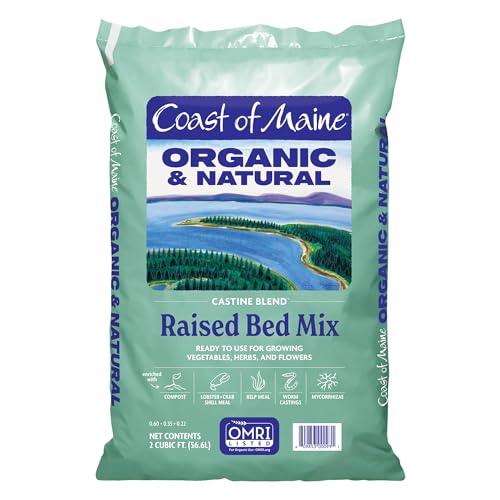
Coast of Maine Castine Blend Soil 2 cu ft

Wiggle Worm Organic Raised Bed Mix 40lb (3-pack)

Miracle-Gro Organic Outdoor Potting Mix 16 qt. 2-Pack
Inside Each Recommended Option
Miracle-Gro’s indoor mix leans on coir, which is shredded coconut husk fiber that traps air pockets and soaks up water like a sponge, alongside sphagnum peat moss (a partially decomposed bog moss prized for holding and slowly releasing moisture). The pairing forgives the classic indoor mistake of overwatering one weekend and forgetting the next, since coir releases moisture gradually while still letting roots breathe.
This is a 16-quart bag, so it suits a windowsill herb cluster or a few houseplants more than it suits a 4×8 raised bed. Container gardeners with a sunny patio door or a row of indoor lettuce pots will get the most from it. Compared to the heavier outdoor blends later in this list, this one stays light and uniform in indoor pots.
Practical Pluses
- Coir plus peat moss balance moisture for the feast-or-famine watering habits most indoor gardeners actually have.
- Includes a quick-start natural fertilizer, so newly potted herbs and greens get a small initial push.
- Lightweight texture keeps pots from compacting, which helps tender roots push through.
- 16-quart size fits a kitchen herb collection without forcing you to store a half-used giant bag.
Things To Consider
- Volume is modest, so anyone filling a deep raised bed will burn through it quickly.
- Bag resealing can be tricky once opened; plan to decant leftovers into a lidded bin to keep moisture in.
Best Suited To
Apartment growers running container herb gardens or small indoor planters who want forgiving moisture behavior without synthetic fertilizer.
Reach For A Different Pick When
You’re starting a large outdoor raised bed; the Coast of Maine Castine Blend Soil is sized and blended for that job.
This is a fertilizer, not a soil, and that distinction matters. Raised beds lose nutrients faster than in-ground plots because the soil volume is finite and watering leaches minerals downward. The 2-pound pouch is designed to top-dress or scratch into beds already filled with a base mix, then water in. It contains added calcium, which supports fruit set and reduces blossom-end rot in tomatoes and peppers, plus a blend of micronutrients (trace elements like iron, manganese, and zinc that plants need in tiny amounts).
For most raised bed gardeners, this sits alongside the soil picks rather than replacing them. Pair it with one of the bulk mixes below, apply it midseason, and you’ll keep heavy feeders productive. Beginners tend to underfeed raised beds because the soil looks rich at planting, then wonder why tomatoes stall by July.
What Works In Its Favor
- Added calcium targets the most common raised bed deficiency in fruiting crops.
- Granular format makes spot-feeding easy without measuring liquids.
- 2-pound pouch covers a few standard beds for one feeding cycle.
- Formulated specifically for raised bed context rather than generic garden use.
Trade Offs
- This is plant food, not soil; you still need a base mix from elsewhere on this list.
- Storage is straightforward, but keep the pouch sealed and dry since granules can clump in humid sheds.
Quick Facts
Made For
Growers with established raised beds who want a midseason feeding boost for heavy feeders like tomatoes, peppers, and squash.
Look Elsewhere When
Your bed is brand new and still empty; start with the Brut Organic Potting Soil or Coast of Maine Castine Blend Soil as the base, then bring this in later.
Brut leans hard into worm castings, which are the digested organic matter earthworms leave behind, valued for slow nutrient release and improving soil structure. The brand also adds Azomite (a mined mineral product containing a broad spectrum of trace elements) and kelp meal for potassium and natural growth hormones, plus perlite (a heated volcanic mineral that creates permanent air pockets in soil). The result is a 1-cubic-foot bag that feels alive in the hand, with visible texture variation rather than uniform fluff.
Vegetable gardeners who top-dress established beds or refresh container soil each spring will appreciate the filler-free approach. The naturally buffered pH (a measure of soil acidity or alkalinity on a 1–14 scale, where 7 is neutral) between 6.3 and 6.5 lands in the sweet spot for most food crops. If the Miracle-Gro indoor mix above is the gentle option, this is the more concentrated one.
Points In Its Favor
- Worm castings deliver a slow, steady nutrient release that heavy feeders appreciate over a full season.
- Trace minerals from Azomite cover micronutrient gaps that basic compost can leave behind.
- Perlite keeps the mix from compacting under frequent watering in raised beds.
- No fillers, sticks, or wood chips, so what you pour is what your plants get.
Worth Noting
- Higher nutrient density can be a lot for sensitive seedlings; consider blending with a milder mix for starting seeds.
- Single 1 cu ft bag may not fill a deep bed, so you may need multiple bags for first-time fills.
Feature Snapshot
Perfect Match For
Vegetable gardeners refreshing raised bed soil each spring or building small to medium beds with a worm-casting-forward blend.
Consider Something Else When
You need a single bag to fill a large deep bed; the Wiggle Worm 3-pack gives you volume without the per-cubic-foot premium.
Coast of Maine built this blend with one job in mind: helping tomatoes and other fruiting vegetables push through a full season. It’s a compost-forward mix that stays lightweight, which matters when you’re filling a 12-inch-deep raised bed because heavy mixes settle and starve roots of air. Gardeners using it for seeding, transplanting, or topping off an existing bed will get the cleanest results.
The 20-quart size lands in a useful middle ground: enough to top-dress a couple of beds or fill a smaller one without leaving a giant half-used bag in the garage. If you’re planting a kitchen-garden collection of peppers, basil, and tomatoes, this is targeted without being one-note. Compare it to the Brut mix above, which uses castings and minerals rather than compost as its backbone.
Reasons It Performs
- Compost-based blend delivers the gentle, broad nutrition fruiting crops need through the season.
- Lightweight texture helps new transplants establish without struggling through compacted soil.
- Useful for seeding, top-dressing, and container transplants in one bag.
- Specifically formulated for tomatoes and vegetables rather than general landscape use.
Points To Keep In Mind
- Compost-heavy blends can dry out faster in hot summers, so plan on consistent watering or mulching the surface.
- For very large beds, multiple bags add up; the larger Coast of Maine Castine Blend Soil may be more efficient per cubic foot.
Who Should Grab It
Edible gardeners running small to medium raised beds dedicated to tomatoes, peppers, and herbs who want a purpose-built mix.
A Better Fit Elsewhere
You’re filling a brand-new deep bed from scratch; the Coast of Maine Castine Blend Soil is sized for that initial volume.
Espoma’s blend is positioned as an amendment rather than a standalone raised bed fill, which shapes how you use it. The mix includes earthworm castings along with a richer blend of natural and organic ingredients, designed to be worked into native ground or blended into an existing raised bed to improve structure and biological activity. If your native soil is heavy clay or sandy and draining poorly, this is the kind of bag that helps you transition toward better tilth (the loose, crumbly structure that lets roots spread and water move).
For raised beds specifically, you’ll likely use this as a component rather than the only fill. Blend it 50/50 with a lighter mix like the Coast of Maine Tomatoes and Veggies, or use it to refresh a tired bed at the start of a new season. Espoma has been a steady name in organic amendments for decades, and this bag carries that reputation.
A Strong Showing
- Earthworm castings support microbial life that helps break down nutrients over time.
- Works well for amending native ground beneath a raised bed or refreshing existing bed soil.
- Compatible with organic gardening standards for shoppers avoiding synthetic inputs.
- 1 cu ft size is manageable for gardeners who mix their own blends.
Less-Strong Areas
- Not a complete fill on its own for deep beds; plan on combining with a lighter mix or compost.
- Lower volume per bag means several bags may be needed for larger projects.
Key Attributes
The Right Fit
Organic gardeners amending existing beds or improving poor native soil who want a castings-enriched component to blend into a larger mix.
Swap It Out When
You need a one-and-done fill for a new bed; the Coast of Maine Castine Blend Soil is ready to use straight from the bag.
The Castine Blend is the most complete raised bed option in this roundup. It combines worm castings, mycorrhizae (beneficial fungi that form partnerships with plant roots, helping them reach water and nutrients farther), biochar (a charcoal-like material that holds nutrients and improves long-term soil structure), greensand (a mined mineral that slowly releases potassium and iron), kelp meal, and lobster and crab shell meal. That last ingredient adds chitin, a natural compound that supports beneficial soil microbes over time.
The 2 cu ft bag arrives ready to use with no additional mixing required, which matters when you’re filling a new bed on a Saturday morning. It’s formulated for raised beds, planter boxes, and containers, so the drainage and aeration are tuned for confined soil. Compared to the lighter Coast of Maine Tomatoes and Veggies above, this one is more of a full ecosystem in a bag.
Everyday Advantages
- Mycorrhizae plus biochar support root health and long-term soil structure beyond a single season.
- Lobster and crab shell meal feeds beneficial microbes while adding slow-release calcium.
- Ready to use straight from the bag, so no recipe blending required for new beds.
- Tuned for raised bed and container use, with the drainage balance those setups need.
Practical Considerations
- Crab and lobster meal can carry a mild marine odor early on; it dissipates but surprises some gardeners at first.
- Higher ingredient complexity shows up in price per bag compared to simpler compost blends.
Quick Facts
Built With In Mind
New raised bed builders who want a premium, ready-to-use blend with mycorrhizae and biochar built in rather than added separately.
Another Choice May Suit
Budget-focused gardeners filling several large beds; the Wiggle Worm 3-pack delivers volume at a friendlier cost per cubic foot.
Wiggle Worm sends three 40-pound bags, which is the headline feature. For raised beds measuring 4×8 feet or larger, single 1 or 2 cu ft bags mean a dozen trips to the shed. This 3-pack keeps the workload in one delivery and lands in a per-cubic-foot range that makes sense for filling rather than refreshing.
The mix is a high-quality compost base blended with trace worm castings plus worm eggs, which means some of those eggs hatch in your bed and the juveniles continue improving soil structure through the season. Color and translucency of the castings vary from batch to batch, which is normal for minimally processed worm products. Edible gardeners starting multiple beds in a single season will appreciate the volume more than the boutique ingredient list.
Where It Helps
- Three-bag pack handles a standard 4×8 raised bed in a single order.
- Worm eggs in the blend hatch and continue improving soil structure through the season.
- Compost base delivers broad, gentle nutrition that suits most vegetables and herbs.
- Cost per cubic foot is friendlier than smaller premium bags for big projects.
Things To Weigh Up
- Three 40-pound bags are heavy to handle solo; a hand truck or helper saves your back.
- Worm egg hatch rates vary, so don’t expect a visible worm population as a guaranteed outcome.
Whose Shelf It Belongs On
Gardeners filling one or more large raised beds from scratch who want volume and steady compost nutrition without paying boutique per-bag prices.
Where A Sibling Pick Shines
You want a single premium bag with mycorrhizae and biochar; the Coast of Maine Castine Blend Soil delivers those extras in one ready-to-use bag.
This is the outdoor cousin of the indoor mix that opened this roundup. The peat comes from certified producers, which matters for gardeners who track the sustainability of their inputs, and the blend includes a quick-release natural fertilizer that feeds plants for up to two months. The 2-pack format doubles the volume over the indoor version, which is useful if you have several patio containers or a small raised bed on a deck.
Outdoor containers dry out faster than indoor pots, so the moisture-holding blend is well-matched to that workload. If you’re running a mix of raised beds and patio planters, this bag handles the planter side while you focus the heavier bulk blends on the beds. Compared to the indoor mix, the peat source and outdoor feeding duration are the meaningful differences.
Practical Advantages
- Two-pack doubles the volume for gardeners running multiple patio containers.
- Responsibly sourced peat appeals to shoppers tracking input sustainability.
- Up to two months of feeding from the included natural fertilizer reduces early-season fuss.
- Outdoor formulation handles weather swings and faster drying better than indoor mixes.
Honest Caveats
- Two-month feeding window means you’ll still need a midseason boost for heavy feeders like tomatoes.
- Not designed for direct bed filling at scale; the Wiggle Worm 3-pack or Coast of Maine blends handle larger volumes.
Feature Card
Who Will Love This
Patio and deck gardeners filling outdoor containers and small planters who want a responsibly sourced organic mix with extended early feeding.
Skip It When
You’re building a full-size raised bed; the Coast of Maine Castine Blend Soil or Wiggle Worm 3-pack are better suited to that volume and depth.
Picking a Mix That Matches Your Bed
Raised bed gardening succeeds or fails at the soil level, so a few attributes deserve attention before you commit to a bag. Texture, drainage, and feeding behavior all behave differently in a 12-inch-deep wooden frame than they do in open ground. Thinking through these variables up front keeps you from filling a bed twice.
Volume and Bed Size
Start by calculating cubic feet rather than guessing bag counts. A standard 4×8-foot bed at 12 inches deep holds about 32 cubic feet of soil, which is more than most single bags provide. If you’re filling from scratch, multi-pack options like the Wiggle Worm 3-pack or larger 2 cu ft bags like the Coast of Maine Castine Blend Soil make more sense than a parade of 1 cu ft purchases.
Drainage and Water Retention
Sandy native soil drains too fast, while heavy clay holds water until roots suffocate. The right raised bed mix balances both by including perlite (for air pockets) and organic matter (for sponge-like water holding). If you live in a rainy climate, lean toward mixes with biochar or perlite for sharper drainage. In drier regions, prioritize peat and coir blends that hold water through dry spells.
Nutrient Profile and Feeding Plan
Even the richest organic mix loses steam after a few months in an active bed. Decide whether you want a slow-release foundation that needs midseason feeding, or a blend that carries crops further on its own. Heavier feeders like tomatoes and corn benefit from the worm casting and mineral blends, while lettuce and herbs often thrive on simpler compost bases. Forgetting to feed midseason is a more common raised bed mistake than overfeeding at planting.
Organic Certification and Sourcing
All eight picks here are organic-leaning, but the level of certification and ingredient sourcing varies. The Miracle-Gro outdoor mix highlights its certified peat sourcing, while the Coast of Maine blends lean on regionally sourced shellfish meal. If avoiding synthetic ingredients matters to your gardening practice, look at the ingredient list rather than relying on category labels alone.
Key Considerations Across These Picks
Common Shopping Slip Ups
The most frequent mistake is buying by bag count rather than by cubic feet, which leaves you short halfway through filling a bed. Another slip is grabbing a generic garden soil instead of a raised bed mix; the latter is blended for confined drainage, while general garden soil can compact into something close to concrete in a wooden frame. Lastly, gardeners often skip a midseason feeding plan and wonder why production drops off in July; even the best organic mix needs replenishment in an active bed.
Where The Extra Money Goes
Premium blends like the Coast of Maine Castine Blend Soil charge more because they include living amendments such as mycorrhizae and biochar that build long-term soil structure. Cheaper compost-heavy bags do the job for a season but don’t improve the bed itself year over year. If you plan to reuse the same raised bed for many seasons, investing in a richer initial mix pays off in better tilth down the road. For a single-season rental property or temporary bed, simpler mixes make more economic sense.
Frequently Asked Questions
How much organic soil do I need for a raised bed?
Measure your bed’s length, width, and depth in feet, then multiply them together to get cubic feet. A 4×8-foot bed at 12 inches deep holds roughly 32 cubic feet, which means you’ll likely need multiple bags or a multi-pack option like the Wiggle Worm 3-pack to fill it from scratch.
Can I use these organic mixes for vegetable gardens?
Yes, the compost-forward and worm casting blends on this list are well-suited to vegetables. For fruiting crops like tomatoes and peppers, prioritize mixes with added calcium or plan to top-dress with the Miracle-Gro Raised Bed Plant Food midseason.
Do I need to mix organic potting soil with native dirt?
For raised beds, most gardeners use the bagged mix as the full fill rather than blending it with native ground beneath. Blending is more useful when you’re amending an in-ground plot or refreshing an existing bed with a smaller amount of premium mix.
How often should I replace raised bed soil?
A top-dress of compost or worm casting mix each spring keeps a raised bed productive for many seasons. A complete replacement every 3 to 5 years is reasonable for very active beds, while less intense beds can go longer between full refreshes.
Are organic soils safe for edible crops?
Yes, organic mixes avoid synthetic fertilizers and pesticides, which makes them a common choice for vegetables, herbs, and fruits. Always check the ingredient list for the specific amendments included so you know what’s feeding your food.
The Takeaway
The right organic soil depends on your bed size, your crops, and how much hands-on feeding you want to do through the season. Smaller patio planters pair nicely with the Miracle-Gro outdoor mix, while larger raised beds benefit from the volume and complexity of the Coast of Maine Castine Blend Soil or Wiggle Worm 3-pack. Pick the bag that matches your workload, and your harvest will tell the rest of the story.
