

Healthy plants start at the root level, and the right soil sets that foundation. From a windowsill herb collection to a backyard vegetable patch, organic mixes give roots a richer, chemical-free growing medium without the guesswork of synthetic blends. This roundup covers eight organic garden soils worth your attention in 2026, with details on what each one actually brings to the pot or raised bed.
The Essentials At A Glance

Miracle-Gro Organic Indoor Potting Mix, 16 qt.

Back to the Roots Organic Worm Castings, 5lb

Brut Organic Potting Soil 1 CU FT

Coast of Maine Tomatoes and Veggies, 20 qt.

R&M Organics Compost Soil Amendment Fertilizer

Espoma Organic Potting Soil Mix, 2 cu ft

Espoma Organic Vegetable & Flower Garden Soil, 1 cu ft
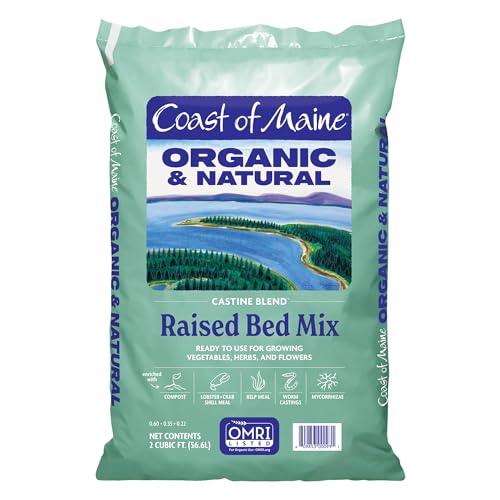
Coast of Maine Castine Blend, 2 cu ft
Taking A Closer Look At The Options
For anyone staring at a row of houseplants after one too many overwatered casualties, this 16-quart bag of Miracle-Gro Organic Indoor Potting Mix is a friendly starting point. The blend leans on coir (coconut husk fiber that holds air and moisture) and sphagnum peat moss (a spongy harvested moss that buffers watering swings), with a quick-start natural fertilizer mixed in for early root development. You may find the forgiving moisture behavior especially useful in rooms that swing between dry winter air and humid summer days.
Compared to the worm-casting amendment in our next pick, this bag is a complete growing medium rather than a soil booster. You can pour it straight into a pot and transplant a pothos or peace lily the same afternoon. The 16-quart size suits a small to mid-sized indoor collection or a couple of large floor planters without constant trips to the garden center.
Everyday Wins
- Coir and peat moss combo cushions against both over and under watering, which is helpful if your watering schedule is unpredictable.
- Quick-start natural fertilizer gives newly potted plants a gentle push during the first weeks.
- Ready-to-use straight from the bag, no extra mixing required.
- 16-quart volume covers roughly four to six medium pots, depending on container size.
Worth Noting
- Designed primarily for indoor use, so outdoor beds and large raised planters may need a different option.
- Owners commonly report the medium staying on the moist side, which means careful watering for plants that prefer drier roots.
Who It Suits Best
Beginning indoor gardeners building a houseplant shelf or refreshing tired potting soil will find the forgiving moisture profile a genuine confidence booster.
Look Elsewhere When
Backyard vegetable growers should skip toward the Coast of Maine Tomatoes and Veggies blend, which is built specifically for edible beds.
This bag is not a finished potting soil. Worm castings are the digested organic matter earthworms leave behind, and Back to the Roots packages that nutrient-dense material in a 5-pound pouch made in the USA. Sprinkle a thin layer into an existing bed, work it into a container, or stir it into a watering can as a tea, and the soil biology wakes up. For gardeners who already have decent dirt and want to enrich it, this is the shortcut.
Compared to the Miracle-Gro blend above, this product plays a completely different role. Think of that pick as a standalone medium and this one as a soil conditioner that boosts whatever you already have. A small bag goes a long way since you typically apply a thin layer rather than filling pots.
A Favorable Mix
- Worm castings deliver slow-release nutrition and beneficial microbes without burning delicate roots.
- Versatile application: top-dress beds, mix into potting soil, or brew into compost tea.
- Small 5-pound bag is manageable to carry and store in a closet or shed.
Points To Note
- This is a soil amendment, not a full growing medium, so you will still need potting soil or native earth for new plantings.
- Owners commonly note the castings can dry out if left uncovered, so sealed storage extends shelf life.
Made For
Experienced gardeners refreshing tired beds and indoor plant collectors seeking a natural nutrient boost will get the most from this pick.
A Better Fit Elsewhere
Beginners who want a single bag to fill several pots should reach for the Brut Organic Potting Soil instead, which arrives ready to plant into.
Brut Worm Farms puts a chef’s-hat mentality on potting soil. The 1-cubic-foot bag blends worm castings with trace minerals like Azomite (a mineral-rich volcanic deposit) and kelp, then adds perlite (a porous volcanic rock that lightens the mix) for aeration. There are no sticks, wood chips, or mystery fillers, and the pH sits in the 6.3 to 6.5 range, which is friendly to most herbs, veggies, and houseplants alike.
Unlike the worm castings in pick 2, this is a complete soil you can pour directly into a pot. Container herb gardeners and small-space veggie growers get the most out of the filler-free approach, since you pay for nutrient content rather than bulking agents. The microbe-rich profile also means less supplemental feeding during the first growing season.
The Practical Payoff
- Filler-free composition means every handful contributes to plant nutrition rather than taking up space.
- Azomite and kelp provide trace minerals that support root development and stress resilience.
- Balanced pH between 6.3 and 6.5 removes guesswork for most common edible and ornamental plants.
- Perlite content keeps the mix loose, which helps oxygen reach roots in deeper containers.
Honest Caveats
- Smaller 1-cubic-foot volume fills fewer pots than bulk options, so larger projects may need multiple bags.
- Premium ingredient sourcing tends to place this at a higher tier than basic peat-heavy mixes.
Feature Snapshot
Best Suited To
Container herb growers and kitchen-window veggie gardeners will appreciate the ready-to-use premium blend with no mixing required.
Swap It Out When
Raised bed builders working with a larger footprint should consider the Coast of Maine Castine Blend, which arrives in a bigger 2-cubic-foot bag tailored for elevated beds.
Coast of Maine built this 20-quart blend specifically for the gardener who keeps a mental map of which tomato variety ripened first last year. The organic compost base is lightweight, which matters when you are seeding trays or topping off raised beds, and it supports the steady nutrition heavy feeders like tomatoes, peppers, and squash demand through a long growing season.
Where the Brut blend focuses on containers, this one scales naturally to in-ground rows and larger veggie plots. You can use it at the seeding stage, blend it into transplant holes, or spread a layer over an established bed to refresh tired native soil. For anyone chasing that edible-garden specialty without building an entire amendment shelf, this is a focused choice.
Strong Points
- Crafted blend targets the nutrient demands of tomatoes and heavy-feeding vegetables.
- Lightweight texture helps with seed-starting trays and transplant recovery.
- Works for in-ground beds, raised frames, and large containers alike.
Small Caveats
- Specialty formulation means it is less suited for flowering ornamentals or cacti with different nutrient needs.
- Some gardeners prefer to top-dress mid-season with a supplemental amendment for the longest harvests.
Whose Shelf It Belongs On
Edible-garden enthusiasts running a dedicated vegetable plot or raised bed rotation will get strong returns from this targeted blend.
Reach For A Different Pick When
Indoor houseplant collectors should lean back toward the Miracle-Gro Organic Indoor Potting Mix, which is engineered for container moisture management rather than outdoor vegetable production.
When a lawn has gone thin or a vegetable patch needs rebuilding after a long season, bulk compost amendments earn their keep. R&M Organics Compost is made from dairy cow manure, processed into a soil conditioner that works for vegetable gardens, fruit trees, flower borders, lawns, and containers. The nutrient profile targets the depletion that follows a heavy harvest, so you can think of it as a seasonal reset for tired soil.
Compared to the Back to the Roots worm castings, this is a more general-purpose amendment with broader coverage but a less concentrated nutrient punch per ounce. Spreading a layer across a yard or working it into a garden bed is where this bag earns its value. For most backyards with multiple growing zones, the versatility is the real draw.
A Strong Showing
- Dairy manure base replenishes nutrients depleted after repeated harvests or foot traffic.
- Works across lawns, gardens, containers, and around fruit trees without separate products.
- Bulk format suits larger projects where small amendment bags would run out quickly.
Areas To Watch
- Manure-based amendments carry a distinct earthy odor, which may bother sensitive noses near open windows.
- This is an amendment, not a finished potting soil, so container planting requires additional medium.
Quick Facts
Perfect Match For
Homeowners managing a mixed property with lawn patches, flower borders, and a vegetable plot will appreciate the broad coverage from a single bag.
Not Your Match When
Apartment dwellers with only a few houseplants would do better with the Back to the Roots worm castings, which is sized for small-scale indoor use.
Espoma has been a familiar name in organic gardening for years, and this 2-cubic-foot potting mix shows why. The blend combines sphagnum peat moss, humus (decomposed organic matter that improves water retention), and perlite, then enriches the recipe with earthworm castings, alfalfa meal, kelp meal, and feather meal. The brand’s Myco-Tone addition introduces mycorrhizae (beneficial fungi that colonize roots and improve nutrient uptake), which is the kind of detail that matters for long-term root health.
Where the Miracle-Gro Indoor Mix targets houseplants specifically, this one covers indoor and outdoor containers, including herbs and vegetables. For a patio herb garden or a row of tomato pots on a balcony, the larger 2-cubic-foot bag gives you room to repot as the season progresses without running short.
Practical Pluses
- Myco-Tone mycorrhizae blend supports root expansion and nutrient absorption over time.
- Alfalfa, kelp, and feather meals provide a diverse slow-release nutrient profile.
- Generous 2-cubic-foot size handles multiple large containers in a single purchase.
- Suitable for both indoor and outdoor container gardening.
Factors To Consider
- Larger bag means heavier lifting, so plan to have a cart or wheelbarrow handy.
- Peat-based composition may dry out faster in hot summer containers without regular monitoring.
Technical Highlights
Who Should Grab It
Patio gardeners running a mixed container setup with herbs, vegetables, and flowering ornamentals will find the all-purpose nature genuinely useful.
Where Another Pick Suits Better
Vegetable gardeners working exclusively in-ground should reach for the Espoma Organic Vegetable and Flower Garden Soil in pick 7, which is formulated for native soil improvement.
This Espoma bag targets the gardener with a patch of native dirt that needs a serious lift. The 1-cubic-foot bag of organic vegetable and flower garden soil is designed to be worked into existing ground at planting or transplanting time, enriching the native soil rather than replacing it. Earthworm castings are part of the ingredient deck, along with other natural and organic components.
Compared to the container-focused mix in pick 6, this one is for someone who has dirt and wants it to become better dirt. If your in-ground bed has been producing underwhelming results or you are breaking new ground for the first time, mixing this into the top several inches can change the soil structure and fertility in a single season.
Useful Strengths
- Designed for direct integration into native in-ground soil at planting time.
- Suitable for vegetable plots, flower borders, and mixed ornamental beds.
- Earthworm castings introduce beneficial biology alongside organic matter.
Less-Strong Areas
- Not a standalone potting medium, so container-only gardeners will need a different product.
- Smaller 1-cubic-foot bag suits modest plot sizes, requiring multiple bags for larger gardens.
Right Fit For
First-time ground breakers and gardeners refreshing established in-ground beds will get the most from this soil-building blend.
Skip It When
Container-only growers with no ground planting should turn to the Espoma Organic Potting Soil Mix in pick 6, which is formulated for pots and planters.
Coast of Maine’s Castine Blend arrives in a 2-cubic-foot bag that reads like a chef’s recipe. Worm castings, mycorrhizae, biochar (a charcoal-like material that improves soil structure and water retention), greensand, kelp meal, and lobster and crab shell meal combine to deliver a rich, ready-to-use raised bed mix. The lobster and crab shell meal is a regional touch, slowly releasing calcium and trace minerals that support strong cell development in fruiting plants.
Where the Tomatoes and Veggies blend in pick 4 targets a specific edible category, the Castine Blend is built for the structure of a raised bed itself. Enhanced drainage and aeration matter when you are filling a wooden frame that may compact over time. For anyone building or refreshing a raised bed, this blend saves the recipe-testing phase.
Good Reasons To Consider
- Biochar and perlite-style ingredients promote long-term drainage and aeration in raised bed structures.
- Lobster and crab shell meal adds calcium and trace minerals that support fruiting crops.
- Ready-to-use straight from the bag, no additional mixing required.
- 2-cubic-foot volume suits most single raised bed fills in one purchase.
Trade-Offs To Consider
- Specialty raised bed positioning means it is less useful for container gardening or lawn repair.
- Premium ingredient sourcing places this in a higher tier than basic compost blends.
The Details
Built With In Mind
Raised bed builders and serious food gardeners constructing new beds or refreshing existing frames will appreciate the all-in-one premium formulation.
Consider Something Else When
Houseplant caretakers should look back to the Miracle-Gro Organic Indoor Potting Mix, which addresses the moisture and drainage needs of indoor containers rather than outdoor beds.
Choosing The Right Organic Soil Mix
A few attributes tend to matter most when matching a bag to a project. Container gardeners should weigh moisture retention against drainage, since pots can swing between waterlogged and bone-dry faster than ground beds. Raised bed builders benefit from blends with biochar or perlite that resist compaction over multiple seasons. In-ground planters get the most value from soil-building amendments designed to integrate with native dirt rather than replace it.
Ingredient diversity is a useful proxy for soil health. Blends that combine a base material like peat or coir with castings, meals, and microbial inoculants tend to support steadier plant performance than single-ingredient options. Smaller bags suit targeted projects like a windowsill herb collection, while bulk amendments make sense for lawns and large vegetable plots.
Project scale and plant type should drive the final call. A 16-quart indoor bag goes a long way for houseplants but vanishes in a raised bed. Specialty blends for tomatoes, herbs, or edible gardens cost more per cubic foot but deliver focused nutrition that general-purpose mixes may lack.
What To Watch Before You Buy
Pitfalls Shoppers Hit
Treating every bag as interchangeable is the most common misstep. A potting mix designed for containers behaves poorly in a lawn patch, and a compost amendment meant for top-dressing will not support a freshly potted plant on its own. Matching the product to the planting scenario saves both money and plant health.
Overlooking ingredient sourcing is another trap. Two bags labeled “organic” can contain very different ingredient quality, with fillers and wood chips in some and worm castings plus mineral amendments in others. Reading the ingredient panel closely before adding to cart prevents disappointment after the bags arrive.
When Paying More Pays Off
Premium blends justify their higher cost when the project depends on nutrient density rather than volume. Filler-free mixes like Brut or regionally sourced blends like Coast of Maine deliver more active ingredients per cubic foot, which matters for fruiting crops and long-season vegetables. Basic compost or peat-heavy blends make more sense for large-scale lawn top-dressing where coverage trumps concentration.
For smaller projects, the upgrade often pays back through reduced supplemental feeding and stronger early growth. For larger projects, mid-tier options paired with a targeted amendment often hit the right balance.
Frequently Asked Questions
What makes a garden soil “organic”? Organic garden soils derive their ingredients from natural sources like plant compost, worm castings, animal manure, and mined minerals, without synthetic fertilizers or chemical additives.
Can I use potting soil for in-ground garden beds? Potting mixes work for containers but are often too light and expensive for large beds. In-ground planting benefits from soil-building amendments designed to integrate with native earth.
How often should I refresh garden soil? Top-dress vegetable beds and containers once per growing season with compost or worm castings. Full soil replacement in containers happens every one to two years, depending on the plant.
Is worm castings better than regular compost? Worm castings deliver nutrients in a more concentrated, slow-release form with beneficial microbes, while compost offers broader volume for general soil improvement. Many gardeners use both together.
Do organic soils work for starting seeds? Lightweight organic mixes with fine texture work well for seed-starting trays. Avoid blends with large chunks of bark or perlite for the smallest seeds.
Closing Remarks
The right organic garden soil depends on where you are planting and what you are growing. Houseplant collectors, raised bed builders, and in-ground vegetable gardeners each benefit from blends matched to their specific conditions. Start with your planting scenario, match the bag to the job, and your roots will tell you the rest.
