

Healthy vegetable beds start at the soil line, and the right organic mulch makes the difference between constant watering and a garden that practically tends itself. Whether you’re restarting a raised bed, refreshing pathways between rows, or building a no-dig plot from scratch, the options below cover the main organic ground covers worth your attention. Each one earns its spot for a specific kind of grower, from weekend tomato planters to full-on homesteaders.
The Leading Options At A Glance

SuperMoss Coco Mulch 200 cu in Natural Brown

Legigo 2 Pack Coco Chips 2.2 lb Coconut Husk

HealthiStraw GardenStraw 3 cu ft Wheat Straw

Worm Bliss 1 Qt Organic Worm Castings

Ribbon Organics OMRI Compost 7.9 Gallon Bag

Acostop Natural Dry Wheat Straw Mulch
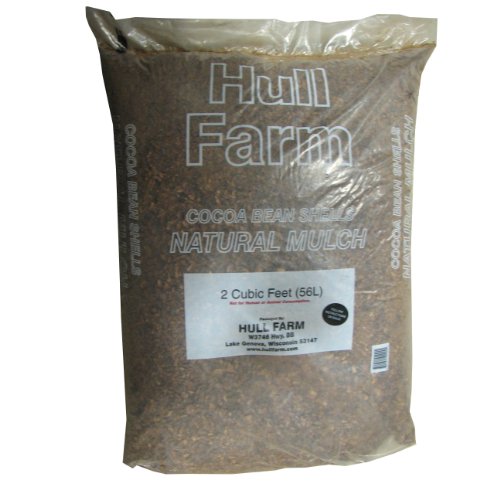
Hull Farm Cocoa Bean Shell Mulch 2 cu ft

Halatool 2 Pcs Coco Husk Chips 2.2 lb
The Picks, Examined More Closely
If you’re tending a few patio pots or a hanging basket rather than a full backyard plot, the SuperMoss bale punches above its size. At roughly 0.12 cubic feet, this compressed coconut husk brick is small enough to tuck on a potting bench but expands considerably once you add water. Coconut coir (a fibrous material made from coconut husks) holds moisture well while still letting air reach the roots, which matters for shallow vegetable planters that dry out fast in summer sun.
For most small-space growers, the brown color blends with container plantings, and the texture stays loose enough to work around seedlings. It functions as both a top-dress and a soil amendment when mixed in, so a single bag handles two jobs in a tight setup.
What It Does Well
- Compact bale form stores easily on a shelf or in a garden tote
- Coir fiber holds moisture and reduces how often you water containers
- Natural brown tone looks tidy against edible herbs and greens
- Works as a soil mix-in or a surface layer depending on the bed
- pH neutral composition suits a wide range of vegetable types
Things To Consider
- At 0.12 cubic feet, the volume won’t stretch across more than a handful of medium pots
- Requires soaking before use, so plan a little prep time before spreading
Key Specs
Who It Suits Best
Container gardeners and apartment growers who only need enough mulch for a handful of pots and value tidy storage over bulk coverage.
Skip It When
You’re laying out a full raised bed and would be better served by HealthiStraw GardenStraw 3 cu ft Wheat Straw, which covers several square feet in a single pass.
Legigo ships two ready-to-go bags of coarse coconut husk chips, which is helpful if you’ve never worked with coir and want to skip the rehydration step. The chips arrive screened, desalted, and rinsed, so you can pour them straight into a pot or tray without the gritty flush that some raw coir bricks demand. The chunky texture suits orchids, but it also doubles as a mulch layer for moisture-loving vegetables.
Two-pack sizing means you can stage one bag in active use and keep the other sealed until you rotate to a new bed. Owners commonly find the chips last across a couple of repotting sessions for small houseplants.
A Few Strong Suits
- Pre-washed and desalted, so no initial rinsing needed
- Chunky structure creates air pockets that roots appreciate
- Two-pack format fits a small nursery rotation
- Biodegradable material feeds soil as it breaks down
Points To Keep In Mind
- Chip size may be too coarse for fine-seed starting mixes
- Two-pack volume won’t cover a large outdoor bed in one go
Who Will Love This
Beginner growers who want a no-fuss, pour-and-go coir medium for mixed container plantings and a small orchid collection.
Reach For A Different Pick When
You’re mulching a long row of tomatoes and need more spread than two small bags provide, in which case Ribbon Organics OMRI Compost 7.9 Gallon Bag delivers the bulk you need.
Straw mulch is the classic workhorse of the vegetable patch, and the HealthiStraw bale earns its keep for serious bed coverage. At three cubic feet per bag (and available in four-pack configurations for larger plots), this 100% non-GMO wheat straw is cleaned to remove most dust, dirt, and stray seed. That’s a practical benefit: less weeding later, and less grit tracked back into the kitchen.
The straw forms a breathable blanket that keeps soil cool and limits evaporation, which matters through the hottest stretch of summer. As it breaks down, it adds carbon to the compost pile and lightens heavy soil without smothering earthworm activity.
Everyday Advantages
- Wide 3 cu ft volume covers a full bed or several rows in one bag
- Retains soil moisture and reduces how often you need to water
- Sustainable, non-GMO wheat straw breaks down into useful organic matter
- Compost-friendly texture adds carbon to your pile at season’s end
- Works for vegetable gardens, herb beds, raised beds, and containers alike
- Pre-cleaned to minimize stray weed seeds and dust
Trade Offs
- Loose straw can blow around in exposed plots until it settles
- Straw is a slow-release material; it doesn’t add nitrogen directly
- Bulk bags take up shed space before use
Key Specs
Made For
Vegetable gardeners with full rows or raised beds who want broad coverage, less watering, and a mulch that disappears into the compost at season’s end.
Where Another Pick Suits Better
For purely decorative beds where color matters, Hull Farm Cocoa Bean Shell Mulch 2 cu ft offers a richer visual tone.
Worm castings aren’t a surface mulch in the traditional sense, but they’re a powerful soil amendment that earns a spot in any organic vegetable routine. Worm Bliss comes in a one-quart container of OMRI-listed (Organic Materials Review Institute, a third-party verifier of organic inputs) earthworm castings, ready to mix into potting soil or sprinkle around established plants as a side-dress. The castings are rich in nitrogen, phosphorus, potassium, and trace minerals that feed steady growth without the burn risk of stronger fertilizers.
For most backyard plots, a quart goes a long way when worked into the top few inches of soil. It’s also manure-free and vegan-friendly, which matters if you’re feeding edibles to a household with strict sourcing preferences.
What Earns Its Place
- OMRI-listed for verified organic gardening use
- Slow-release nutrient profile reduces burn risk on tender roots
- Manure-free and vegan, no animal-sourced inputs
- Trace minerals support overall plant mass and yield
Honest Caveats
- One quart is small; large beds require multiple jars per season
- Functions as an amendment, not a top-layer mulch for weed suppression
- Higher upfront cost per cubic foot compared to straw or compost
Best Suited To
Vegetable growers focused on soil building and gentle feeding who treat worm castings as a complement to a broader mulching strategy.
Not Your Match When
You need a thick surface layer for weed blocking, where Acostop Natural Dry Wheat Straw Mulch serves the practical purpose better.
Starting a new bed from scratch calls for bulk material, and the Ribbon Organics compost bag brings serious volume. At roughly 7.9 gallons and 32 to 35 pounds per bag, this OMRI-certified compost gives you enough material to top-dress a sizeable plot or blend into tired soil at the start of the season. It’s safe to use at any concentration, so you can lay it thick without worrying about root burn.
The compost improves soil structure and aeration while holding moisture at the root zone. Pair it with worm castings or aged manure for a balanced rebuild of depleted garden soil.
Bright Spots
- OMRI certification confirms suitability for organic growing
- Large 7.9-gallon volume handles full-bed applications
- Improves soil structure and water retention simultaneously
- Safe at any concentration, no dilution math required
- Plays well alongside worm castings and other soil builders
Worth Noting
- Bag weight can challenge a single person to move comfortably
- Compost alone won’t block light for weed suppression as a thick straw layer would
Feature Card
Perfect Match For
New gardeners establishing raised beds, and experienced growers rebuilding tired soil at the start of a growing season.
A Better Fit Elsewhere
For quick top-dressing between established plants, Worm Bliss 1 Qt Organic Worm Castings is easier to scatter and feed faster.
The Acostop straw mulch is a no-frills option for gardeners who want classic straw performance without premium pricing. Sun-dried wheat straw arrives ready to spread, with no chemical treatments and no weed seeds mixed in. It breaks down naturally into the soil, improving structure over time and feeding the beneficial organisms that keep vegetable beds productive.
You may find the loose texture shifts in heavy rain until it compacts into a settled mat. Once it does, it holds its ground through the rest of the season.
Standout Benefits
- Soil-safe straw with no chemical treatments
- Breaks down into organic matter that feeds soil life
- Light enough to handle easily around young seedlings
- Effective moisture retention in spring and early summer
Some Limits To Know
- Loose straw can scatter in wind until wetted down
- Less pre-cleaning than premium straw options
The Right Fit
Budget-conscious gardeners who want a straightforward straw mulch for spring planting and don’t mind a little settling work afterward.
Where A Sibling Pick Shines
For heavily cleaned straw with documented coverage volume, HealthiStraw GardenStraw 3 cu ft Wheat Straw is the step up.
Cocoa shell mulch brings a chocolatey brown color and a faint sweet aroma that other mulches can’t match. The Hull Farm bag delivers two cubic feet of shells with a mild fertilizer value (roughly 2.5-1-3 nitrogen-phosphorus-potassium) that won’t burn tender vegetable stems. The shells form a dense mat that suppresses weeds effectively around ornamentals and decorative bed edges.
For edible beds where pets roam, you’ll want to keep an eye on curious dogs, since cocoa shells can pose a risk if consumed in volume. Around kid-friendly plots, the shells still work well but warrant the same caution as any treated garden input.
The Case For It
- Rich chocolate-brown color elevates bed aesthetics
- Mild nutrient value feeds soil without burn risk
- Heavy shell texture resists washout in moderate rain
- Two cubic feet covers edging and accent beds generously
What To Weigh
- Cocoa shells can be a concern around dogs that nibble garden debris
- Premium decorative price compared to straw or compost mulches
- Smaller 2 cu ft volume isn’t suited to full vegetable plot coverage
Whose Shelf It Belongs On
Design-minded gardeners who want a polished look for edible border beds and don’t share the garden with nibbling pets.
Look Elsewhere When
You’re covering multiple rows of food crops, where HealthiStraw GardenStraw 3 cu ft Wheat Straw delivers more coverage at a lower cost.
Storage is a real constraint for shed keepers and balcony gardeners, and Halatool tackles it with two compressed bricks that expand to roughly seven quarts each when soaked. The low EC (electrical conductivity, a measure of salt content) and pH-balanced composition make the chips safe for sensitive herbs and ornamentals without pre-rinsing. Each brick measures about 7.87 by 3.93 by 1.97 inches, small enough to stack in a corner until needed.
Unlike the SuperMoss bale earlier in this list, this two-pack gives you double the working material with a similar shelf footprint. You can hydrate one brick at a time as beds come online through the season.
Practical Advantages
- Compressed brick form frees up shed and closet space
- Low EC content safe for herbs and salt-sensitive plants
- pH balanced so it won’t shift soil acidity
- Two-pack format lets you stage hydration across the season
- Suitable for landscaping, herbs, and mixed flower beds
A Few Limitations
- Requires soaking time before use, unlike ready-to-spread straw
- Chip texture may be coarse for top-dressing leafy greens
At A Glance
Built With In Mind
Gardeners with limited shed space who still want the moisture benefits of coconut coir across several small beds or containers.
Swap It Out When
You need wide, immediate coverage and don’t want to schedule soaking sessions, in which case Acostop Natural Dry Wheat Straw Mulch spreads straight from the bag.
What To Weigh Before Choosing A Vegetable Garden Mulch
Match The Mulch To The Bed
A raised bed of tomatoes has different needs than a herb planter on a windowsill. Bulk straw and compost thrive in open ground where you can spread a generous layer and turn it under at season’s end. Compressed coir bricks shine in small containers where shelf space matters more than coverage volume. Match your bed size and layout to the format that suits it, rather than forcing a single bag type across the whole garden.
Think About End-Of-Season Behavior
Every organic mulch eventually breaks down, but the pace and the byproducts vary. Wheat straw adds carbon to your compost pile and loosens clay soil as it decomposes. Cocoa shells hold their color through a single season but contribute less organic matter when turned under. Coconut coir breaks down slowly and improves water retention year after year. Picking a mulch that complements your soil-building goals keeps the garden improving instead of just looking tidy for a few months.
Factor In Maintenance And Pets
Loose straw needs a wet-down after spreading so it doesn’t migrate in the wind. Cocoa shell mulch looks polished but warrants caution around dogs that chew garden debris. Worm castings demand near-zero maintenance once worked into soil. For most households, the practical ownership question is which mulch fits your routine and your household companions, not which one promises the longest list of features.
Consider A Layered Approach
Many experienced vegetable growers mix materials rather than committing to one. A base of compost for soil building, topped with straw for moisture and weed control, supplemented with a light scattering of worm castings midseason, covers most of the bases a backyard garden asks of its mulch. The picks above can be combined without conflict, and doing so often outperforms any single product.
Key Considerations Across These Picks
Where Shoppers Go Wrong
The most common slip-up is buying mulch by appearance rather than by function. Cocoa shell mulch looks beautiful in the bag but covers less ground per dollar than straw. Cheap straw covers quickly but may introduce weed seeds if it isn’t pre-cleaned. Worm castings feed soil brilliantly but won’t suppress weeds as a surface layer on their own. Match the mulch to the job you actually need done, and you’ll spend less over a full growing season.
The Upgrade Payoff
Paying more for premium organic mulch typically buys three things: pre-cleaning that removes weed seeds and dust, more consistent texture that spreads evenly, and certifications like OMRI listing for verified organic production. For a small herb planter, those upgrades matter less. For a full backyard vegetable garden, they save hours of weeding, settling, and second-guessing. The higher tier earns its keep when the garden is large enough that small inefficiencies compound across a season.
Frequently Asked Questions
How thick should I spread organic mulch in a vegetable bed?
A two to four inch layer covers most vegetable beds without smothering stems. Thinner layers dry out fast, while thicker layers can trap moisture against sensitive plant bases and encourage rot. You may find three inches is the sweet spot for water retention and weed blocking in most home gardens.
Can I mix different organic mulches together?
Yes, and many experienced gardeners do. A base layer of compost for soil building topped with straw for surface protection is a classic combination. The mulches in this list work together without conflict, so layering them by purpose rather than sticking to one material often outperforms a single-product approach.
Do I need to remove old mulch before adding a new layer each year?
Lightly turning old mulch into the soil at season’s end usually works better than stripping it out. Organic mulches break down into the bed and improve soil structure as they decompose. Removing all of it removes the organic matter you’ve spent the season building up.
Are cocoa shell mulches safe around edible vegetables?
Cocoa shells carry a mild fertilizer value and are commonly used in edible gardens, but they pose a risk if dogs consume them in volume. Around households with pets that nibble garden debris, straw or coir mulches are a safer surface layer. The shells still work well for ornamentals and decorative bed edges where pets don’t roam.
How long do organic mulches last before needing replacement?
Most surface mulches last a full growing season before breaking down enough to need a top-up. Straw typically holds its structure for several months, while compost and worm castings work into the soil within weeks. You may find a midseason refresh of straw keeps everything looking and performing well through late summer.
Closing Remarks
A vegetable garden rewards whichever mulch matches the bed, the soil, and the household it grows in. The right organic mulch cuts down on watering, softens the weeding workload, and feeds the soil quietly through the season. Pick the format that suits your plot, refresh it as the season asks, and the garden does the rest.
