

A healthy lawn or vegetable patch doesn’t have to rely on synthetic chemistry. Organic nitrogen fertilizers feed plants through natural breakdown, building soil biology instead of forcing quick flushes that fade in a week. If you’re growing tomatoes, restoring a tired lawn, or transitioning a backyard to certified-organic practices, the right source of nitrogen makes the difference between pale leaves and vigorous green growth.
The Essentials At A Glance

Alaska Fish Fertilizer 5-1-1 OMRI Listed

Petramax Liquid Nitrogen Fertilizer 28-0-0

Dr. Earth High Nitrogen 5-0-2 (699)

Down To Earth Feather Meal 12-0-0, 20 lb

Organic Fish Fertilizer 1 Gallon
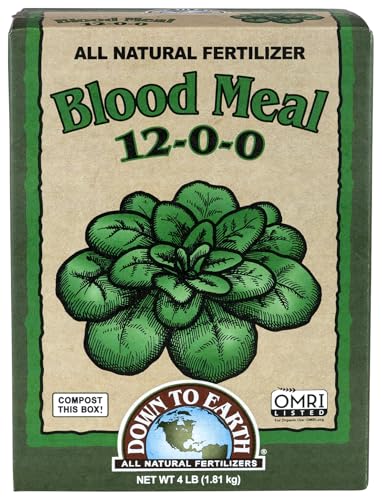
Down To Earth Blood Meal 12-0-0, 4 lb

Down To Earth Blood Meal 12-0-0, 0.5 lb

Miracle-Gro Organic Plant Food 32 fl. oz.
Inside Each Recommended Option
Liquid fish emulsion has been a staple in home gardens for generations, and this Alaska formula keeps that tradition simple. The 5-1-1 ratio (nitrogen, phosphorus, potassium) leans gently toward nitrogen without overpowering young plants. Mix it into a watering can and feed everything from tomato starts to rose bushes without worrying about leaf burn.
You pour it, water it in, and the soil biology does the rest. It smells earthy, so applying it in the evening helps keep the aroma from hanging around the patio during dinner.
Notable Gains
- OMRI Listed, so it fits organic gardening protocols
- Gentle 5-1-1 ratio feeds without burning tender seedlings
- Liquid format mixes instantly with water for quick absorption
- Versatile across vegetables, flowers, and herbs in the same season
- Compact bottle stores easily on a shelf between feedings
Things To Consider
- The fish odor lingers briefly after watering in
- Needs dilution each time, which adds a small step to busy weekends
- Smaller bottle may run out fast on big vegetable plots
Best Suited To
Home gardeners raising a mix of vegetables and ornamentals who want one mild, dependable liquid feed for the whole season.
Swap It Out When
You’re reviving a nitrogen-starved lawn, where the Petramax Liquid Nitrogen Fertilizer 28-0-0 brings stronger turf-focused power.
Turf drinks nitrogen like nobody’s business, and the Petramax 28-0-0 liquid concentrate is built for that exact appetite. The label pairs 70% quick-release nitrogen for fast green-up with 30% slow-release to keep color rolling through the following weeks. For homeowners staring at pale spring grass, the spray-on format makes a single Saturday afternoon do the entire yard.
Compared to Alaska’s gentle 5-1-1 mix from the first pick, this is a much heavier hitter aimed squarely at lawns, not vegetables. Depending on how compacted your soil is, you may want to water it in well so the nitrogen actually reaches the root zone.
A Few Highlights
- High 28-0-0 analysis targets nitrogen-deficient turf fast
- 2-in-1 quick and slow-release formula extends color between applications
- Spray-on application cuts down the time spent walking the yard
- 32 oz bottle covers a meaningful chunk of lawn per mix
Points To Note
- Not designed for edible gardens or delicate ornamentals
- Concentrate requires careful measuring to avoid over-application
- Store away from direct sun to preserve nutrient integrity between uses
Feature Snapshot
Made For
Homeowners reviving yellow, patchy turf in spring or early summer who want visible results without hauling granular bags.
Consider Something Else When
You’re tending a vegetable bed, where Down To Earth’s Feather Meal 12-0-0 feeds food crops with a steadier, organic breakdown.
The Dr. Earth 5-0-2 sits in a useful middle spot between mild emulsion and lawn-grade concentrate. Its 5-0-2 ratio (meaning 5% nitrogen, 0% phosphorus, 2% potassium) tilts toward green growth while still tossing a little potassium into the soil for root resilience. Mixed planting beds with shrubs, perennials, and a few herbs tend to appreciate that balance.
Where the Petramax 28-0-0 from pick two is a laser-focused lawn rescue, this is more of an across-the-bed generalist. You may find the lower analysis means feeding a bit more often during peak growth, which is fair trade for safer handling around ornamentals.
What Earns Its Place
- Moderate 5-0-2 ratio suits mixed ornamental and edible beds
- Small potassium share supports root strength alongside leaf growth
- Made in the US, which some shoppers prefer for supply transparency
- Liquid format blends easily with regular watering routines
Honest Caveats
- Nitrogen percentage is mild compared to turf-focused formulas
- Not specialized for either lawns or heavy feeders like corn
Right Fit For
Gardeners with mixed beds of shrubs, perennials, and light vegetables who want one balanced nitrogen source to share across the whole planting area.
Look Elsewhere When
You’re chasing pure turf green-up, where the Petramax 28-0-0 brings noticeably stronger nitrogen concentration for lawns.
Feather meal is one of the original organic nitrogen sources: hydrolyzed poultry feathers ground into a slow-release powder. The 12-0-0 ratio delivers a hefty nitrogen dose without any phosphorus or potassium, which is great for heavy feeders like corn, leafy greens, and long-season crops that would otherwise exhaust the soil. The 20-pound bag covers a real working garden without constant refill trips.
Unlike the liquid picks earlier in this list, feather meal works on a slower timeline, so you incorporate it before planting or side-dress mid-season. OMRI Listed status makes it suitable for organic certification programs, which matters for growers selling at farmers’ markets under organic labels.
Practical Advantages
- Slow-release nitrogen feeds crops steadily over many weeks
- OMRI Listed for organic production and certified-organic farms
- 20-pound bag handles large vegetable plots and field gardens
- Works well for heavy feeders and long-season crops like corn and brassicas
Worth Bearing In Mind
- Granular format needs soil incorporation before planting
- Slow release means results show up over weeks, not days
- Heavy bag, so storing it requires a dry, sealed container
Feature Snapshot
Perfect Match For
Growers managing sizable vegetable plots with heavy-feeding crops who can plan feeding around a multi-week breakdown timeline.
A Better Fit Elsewhere
You need a quick green-up on a tired lawn, where the Petramax 28-0-0 liquid is the faster-acting alternative.
Where Alaska’s quart-sized bottle works for small gardens, this 1-gallon jug from The Grow Co is built for serious vegetable patches. The fish emulsion is cold-pressed from sustainably sourced fish, keeping the amino acids and micronutrients intact that hot-processing sometimes strips away. Vegetables, fruits, and flowering ornamentals all share the same jug, which simplifies feeding routines across a mixed yard.
The bigger container pays off when you’re feeding tomatoes, peppers, and squash every two weeks through summer. One thing worth considering: a gallon is heavy, so plan where it’ll live before ordering.
A Few Strong Suits
- One-gallon jug lasts an entire vegetable growing season
- Cold-pressed process preserves amino acids and micronutrients
- Suitable for vegetables, fruits, and flowering plants
- Liquid format feeds through watering cans or hose-end sprayers
Small Caveats
- Larger container takes up more storage space than a quart bottle
- Fish smell can linger briefly after each application
Who It Suits Best
Vegetable gardeners running multiple raised beds who don’t want to reorder fertilizer mid-season.
Not Your Match When
You’re feeding a few patio containers only, where the smaller Alaska Fish Fertilizer 5-1-1 from pick one is easier to handle.
Blood meal is the sprint cousin to feather meal: still 12-0-0 nitrogen but with a much faster acting profile. Where feather meal trickles nitrogen out over months, blood meal greens up plants within days, making it a strong pick for rescuing nitrogen-starved beds mid-season. The 4-pound bag is a manageable middle size, neither the warehouse-scale 20-pounder nor a trial-size jar.
It’s OMRI Listed, like the feather meal earlier, so organic certification programs stay intact. Heavy feeders like corn, broccoli, and leafy greens respond especially well, though the higher potency means careful measuring matters.
The Helpful Details
- Faster acting than feather meal for quicker green-up
- OMRI Listed for organic gardening and production
- 4-pound bag suits mid-sized gardens without going overboard
- Strong fit for leafy greens, corn, and brassica crops
Practical Considerations
- Higher potency requires careful measuring to avoid burn
- Strong odor when first applied, especially in warm weather
- Granular format means even spreading takes a little practice
Feature Snapshot
Who Should Grab It
Vegetable growers targeting leafy greens, corn, or brassicas who want faster results than feather meal delivers.
Reach For A Different Pick When
You need a long, slow feed for the entire growing season, where Down To Earth’s Feather Meal 12-0-0 20 lb from pick four is the better match.
The half-pound box of Down To Earth Blood Meal is the friendliest entry point on this list. Same OMRI Listed 12-0-0 blood meal as the larger 4-pound bag from pick six, but packaged small enough that newcomers can experiment without committing to months of supply. It’s a tidy way to learn how fast blood meal works without worrying about storing a huge sack.
Smaller gardens, container plantings, and a handful of raised beds are where this size shines. The catch is the per-ounce cost runs higher than bigger bags, so seasoned gardeners tend to size up quickly.
Useful Touches
- Compact 0.5 lb size fits on a shelf or in a gardening tote
- Same trusted OMRI Listed blood meal formula as the larger bag
- Lower commitment cost for trying organic nitrogen feeding
- Easy to dose for small container and herb gardens
A Few Limitations
- Per-ounce cost runs higher than larger bag sizes
- Runs out quickly on anything bigger than a few raised beds
Built With In Mind
New gardeners and apartment growers working with a few containers or small beds who want to learn blood meal dosing without overspending.
Another Choice May Suit
You’re managing a full vegetable garden, where the 4-pound Down To Earth Blood Meal from pick six offers better long-term value.
Miracle-Gro’s entry into organic feeding is built around 94% plant-based ingredients, skipping the fish smell that earlier liquid picks carry. The 32-ounce bottle pours straight into a watering can for everyday indoor houseplants, patio containers, and outdoor beds without an aroma that drives the family off the porch. It’s OMRI Listed, so organic protocols still accept it.
The plant-based approach trades some of the nutrient density of fish emulsion for a much friendlier indoor experience. Compared to Alaska Fish Fertilizer 5-1-1 from pick one, this is the cleaner-smelling alternative for people who want organic certification without the fish odor lingering in the kitchen window.
The Value In It
- Plant-based formula avoids the fish smell of traditional emulsions
- OMRI Listed for organic gardening and indoor use
- Safe for indoor houseplants and outdoor containers alike
- Pour-and-feed simplicity fits everyday watering routines
Room For Improvement
- Plant-based nutrient density sits below fish emulsion for heavy feeders
- Bottle design lacks measurement markings some shoppers prefer
Whose Shelf It Belongs On
Indoor plant owners and apartment dwellers who want organic certification and a no-odor pour for everyday houseplant feeding.
Where Another Pick Suits Better
You’re feeding heavy-feeding outdoor vegetables, where The Grow Co’s 1-gallon Organic Fish Fertilizer from pick five brings stronger nutrition for outdoor crops.
What To Weigh Before Choosing An Organic Nitrogen Source
Picking the right organic nitrogen fertilizer starts with how plants actually take up nutrients. Nitrogen comes in two broad flavors: quick-release forms like blood meal that green up foliage within days, and slow-release sources like feather meal that trickle nitrogen out over weeks as soil microbes break the material down. Liquids such as fish emulsion sit somewhere in between, feeding quickly but lasting longer than a synthetic dose.
Match the format to the garden size and the crop’s appetite. Liquid concentrates work beautifully for small mixed beds and indoor plants, where a watering can handles everything in one pass. Granular meals scale better to large vegetable plots and field gardens, where you’d rather broadcast across rows than mix endless gallons of liquid. Lawns typically benefit from a high-N liquid like the 28-0-0 picks, since turf demands rapid color restoration. Vegetable crops with long seasons, such as corn and brassicas, tend to thrive on slower meals that match their weeks-long growth curve.
Check certification if organic gardening matters to your goals. OMRI Listed products have passed review by the Organic Materials Review Institute for use in certified-organic production. That status matters if you’re selling produce under an organic label, but it also signals a baseline of accepted organic inputs for home gardeners.
Consider storage and handling honestly. Blood meal has a strong initial odor that fades after watering in, while fish emulsion keeps a mild earthy smell for a few hours. Granular meals need a dry, sealed container to prevent caking, and large bags become heavy fast. Picking a size that matches the garden prevents waste and frustration when the season ends.
Key Considerations Across These Picks
Mistakes Worth Dodging
Over-applying nitrogen is the most common slip with organic sources, since “organic” doesn’t mean “gentler by default.” A 12-0-0 blood meal at triple the recommended rate will burn leaves just as thoroughly as a synthetic overdose. Always weigh or measure granular meals and dilute liquids according to label rates.
Ignoring phosphorus and potassium needs is the second trap. Nitrogen drives leafy growth, but fruiting crops like tomatoes also need phosphorus for blooms and potassium for fruit development. Pairing a nitrogen-heavy pick with a balanced organic fertilizer later in the season prevents deficiency surprises.
Where The Extra Money Goes
Higher-tier organic fertilizers cost more for a few honest reasons. Cold-pressed fish emulsion preserves amino acids that hot-processing strips out, justifying the premium for vegetable gardeners chasing micronutrient density. Larger bag sizes lower the per-pound cost but require dry storage space many homeowners don’t have. OMRI Listed certification adds review costs that trickle down to shelf pricing, but it also guarantees the product fits organic protocols without surprise synthetic ingredients.
Frequently Asked Questions
What does NPK mean on a fertilizer label?
The three numbers show the percentage of nitrogen, phosphorus, and potassium by weight. A 5-1-1 fertilizer contains 5% nitrogen, 1% phosphorus, and 1% potassium, with the rest being carrier material.
How often should organic nitrogen fertilizer be applied?
Liquid fish emulsions typically feed every 2 to 4 weeks during active growth, while granular meals like feather meal or blood meal are often side-dressed once or twice per season depending on the crop’s appetite.
Can organic nitrogen fertilizers burn plants?
Yes, especially fast-acting forms like blood meal when over-applied. Always follow label rates and water granular applications in thoroughly to move nutrients into the root zone.
Are organic nitrogen fertilizers safe for pets and kids?
Most are safer than synthetic alternatives once watered in and dry, but storing bags and bottles out of reach prevents accidental ingestion of concentrated nutrients.
Do organic nitrogen fertilizers work in cold soil?
Slow-release sources like feather meal depend on soil microbial activity, which slows in cold weather. Quick-acting liquid fish emulsion performs better in early spring when soil temperatures stay low.
Closing Remarks
The right organic nitrogen fertilizer depends less on the brand and more on the garden in front of you. Lawns, vegetable beds, and indoor containers each ask for different release speeds, formats, and sizes, and matching those needs keeps feeding simple. Start with the crop’s appetite, the garden’s scale, and your tolerance for fish smell, then let the rest of the decision follow from there.
