

A backyard raised bed, a few pots on the patio, or even a sunny windowsill all share the same starting point: the seed packet. You want varieties that hold up, breed true, and skip the genetic modification step entirely. Organic and non-GMO seeds give home growers that confidence, whether you’re after a summer of slicers or a long-term food reserve tucked into a closet.
A Fast Comparison Of The Options

Sereniseed Certified Organic Tomato Seeds (10-Pack)

Heaven’s Harvest 25k+ Heirloom Seed Bank Kit
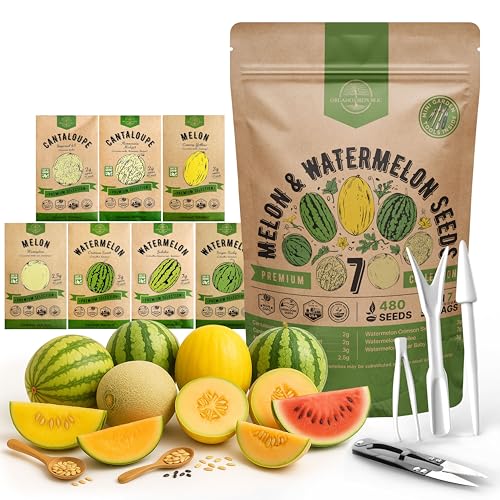
Organo Republic 7 Melon & Watermelon Seeds Variety Pack

Purely Organic Arugula Seeds (Slow Bolt)

B&KM Farms 30,000+ Heirloom Seed Kit

PLANTMEW Heirloom Vegetable Seeds Planting Kit

Organic Onion Seeds (Walla Walla)
Taking A Closer Look At The Options
Tomato season is the heart of most home gardens, and this pack from Sereniseed covers the spread. Ten open-pollinated (meaning they breed true from saved seed, so you can collect next year’s seeds from this year’s fruit) varieties include Cherokee Purple, Brandywine Pink, and San Marzano, giving you slicers, sauce tomatoes, and snack-sized cherries from one order. USDA Organic certification by Oregon Tilth means the seed crop was grown without prohibited synthetic inputs.
For anyone building a kitchen garden around summer harvests, the diversity here removes the guesswork. You’ll find a printable grow guide tucked in to walk through starting, transplanting, and troubleshooting. Depending on your climate, you may find ten varieties is more than you can plant in one season, so storing the extras matters.
What It Does Well
- Ten distinct heirloom varieties in one kit, covering sauce, slicer, and cherry needs
- Oregon Tilth organic certification lends traceability to the seed crop
- Open-pollinated genetics let you save seeds from the best performers next year
- Printable grow guide shortens the learning curve for first-time tomato growers
- Multiple harvest windows spread from midsummer into early fall
Trade Offs Worth Knowing
- Ten packets may be more than a single raised bed can comfortably hold
- Heirloom varieties trade some disease resistance for flavor, so rotation matters
Built With In Mind
Backyard gardeners who want a tomato lineup spanning sauces, slicers, and cherries from a single organic source.
A Better Fit Elsewhere
If you want one massive mixed kit instead of focused tomato depth, the B&KM Farms 30,000+ Heirloom Seed Kit covers thirty crops at once.
This kit treats seeds the way a prepper treats water: stash them now, rely on them later. The package ships in a sealed storage drum designed to keep moisture and light out, and the curated heirloom vegetable list skips any noxious or invasive species. Over 25,000 seeds spread across cultivated varieties built for agricultural and home-garden use.
Where Sereniseed focuses on tomato depth, this one stretches wide across beans, squash, roots, and greens. For homesteaders thinking in seasons rather than weeks, the drum format makes sense. You may find the variety count slightly harder to track, so labeling packets at open becomes a small chore.
Practical Advantages
- Sealed drum keeps seeds viable longer than paper packets in a humid garage or shed
- Wide crop spread reduces dependence on any single variety
- Heirloom genetics stay true year after year for seed savers
Points To Note
- Bulk format means opening and resealing the drum risks moisture creep over time
- Less depth per crop than a focused single-variety packet like the Purely Organic Arugula
- Storage performance hinges on keeping the drum in a cool, dry spot
Feature Snapshot
Made For
Homesteaders and preparedness-minded gardeners who want years of food resilience in one storable container.
Reach For A Different Pick When
Casual patio planters who just want a quick summer of tomatoes should look at the Sereniseed Certified Organic Tomato Seeds instead.
Melons are the crop most home gardeners skip for one reason: space. This pack makes a strong case for finding the room. Seven cultivars, including Sugar Baby watermelon, Honeydew, and Minnesota Midget cantaloupe, give you a harvest range from personal-sized fruits to share-sized slicers. Seeds ship in waterproof resealable packets, a small touch that matters when you’re planting across multiple weekends.
Compared to broad kits like Heaven’s Harvest, the focus here means every variety earns its place. For growers in shorter-season zones, Minnesota Midget pulls double duty as a fast-maturing insurance policy. You may find germination rates vary by lot, so starting a few extras indoors never hurts.
Where It Delivers
- Compact varieties like Minnesota Midget fit raised beds and smaller plots
- Seven distinct cultivars span personal snacks to family-sized melons
- Individual waterproof packets keep unused seeds dry between sowings
- Suitable for hydroponic setups, indoor starts, and outdoor beds
Honest Caveats
- All seven cultivars need warm soil and a long stretch of sun to thrive
- Watermelon vines sprawl, so trellising or ground space is unavoidable
Right Fit For
Warm-climate growers and hydroponic tinkerers who want a deliberate melon lineup rather than a grab-bag mix.
Swap It Out When
Anyone wanting broad crop coverage should consider the B&KM Farms 30,000+ Heirloom Seed Kit for variety depth.
Arugula rewards speed. The Slow Bolt cultivar here buys you extra days before the plant flowers and turns bitter, which is the difference between a long salad harvest and a one-week wonder. Around 400 seeds per packet, USDA Organic certification, and USA origin make this a straightforward pick for cool-season growers.
The pack leans into a single crop rather than spreading thin. For salad gardeners who already have tomatoes, peppers, and roots covered, this fills the leaf gap with intent. You may find that arugula’s peppery flavor divides households, so a small trial bed is a fair first move.
Where It Excels
- Slow Bolt trait extends the harvest window by several days over standard varieties
- USDA Organic certification supports a cleaner seed-to-plate chain
- USA-origin production shortens the supply route to your door
- Heirloom and open-pollinated genetics keep seed-saving simple
Some Limits To Know
- Single-crop pack means you’ll need additional packets for a full salad garden
- Cooler-season planting only; hot summers still shorten the cycle
Best Suited To
Salad gardeners in spring and fall who want tender arugula leaves across multiple cuttings.
Consider Something Else When
Home growers wanting allium depth should look at the Organic Onion Seeds (Walla Walla) for a complementary storage crop.
The pitch here is simple: thirty crop varieties, more than 30,000 seeds, one box. Where the Sereniseed tomato kit dives deep into one family, B&KM Farms spreads across the whole vegetable aisle. A companion planting guide walks you through timing, spacing, and succession across the season.
For a family garden where everyone has a favorite, the variety matters more than the depth in any one bed. You’ll get beans, squash, greens, roots, and tomatoes, enough to keep dinner interesting through summer. Depending on your seed-starting setup, thirty varieties can feel like a lot to juggle at once.
What Pays Off
- Thirty crop varieties give a complete kitchen garden from one purchase
- High seed counts reduce the pressure to save every packet for next year
- Heirloom genetics stay reliable across seasons
- Bonus planting guide covers spacing, sowing depth, and harvest timing
Possible Compromises
- Less depth per crop than focused kits like the Purely Organic Arugula
- Coordinating thirty varieties requires careful planning in spring
- Bulk storage needs a cool, dry spot to maintain viability
Quick Facts
Who Will Love This
Family gardeners and beginners who want a one-stop kitchen garden without piecing together individual packets.
Where A Sibling Pick Shines
For melon-specific harvests, the Organo Republic 7 Melon & Watermelon Seeds Variety Pack gives deeper vine-fruit coverage.
This kit leans into the indoor grower. Over 15,000 seeds spanning beans, squash, lettuce, and tomatoes ship in sealed moisture-proof bags with a stated 99% purity rating. The included survival backpack pushes the package beyond a garden kit into preparedness territory.
For apartment dwellers and hydroponic tinkerers, the moisture-proof packaging makes indoor seed storage less of a gamble. You may find the backpack feels gimmicky if you have no use for emergency gear, though the seed selection itself stands on its own.
Useful Highlights
- Sealed moisture-proof bags protect seeds from kitchen humidity
- Stated 99% purity supports reliable germination indoors
- Wide crop range covers both hydroponic lettuce and outdoor tomatoes
- Backpack adds portability for those who want grab-and-go readiness
Practical Considerations
- The included backpack adds bulk that some growers may not need
- Hydroponic success depends on your system setup as much as the seed
Whose Shelf It Belongs On
Apartment growers and hydroponic hobbyists who want indoor-friendly packaging alongside outdoor-ready varieties.
Not Your Match When
Traditional soil gardeners looking for pure single-crop depth should look at the Purely Organic Arugula Seeds (Slow Bolt) instead.
Walla Walla is the sweet onion that stores well and eats even better raw. About 200 seeds per packet, USDA Organic, heirloom, and USA-origin round out a focused single-crop offering that pairs naturally with the Purely Organic Arugula on the opposite end of the seed catalog.
Onions ask for patience: a long growing season, careful thinning, and dry curing before storage. For gardeners willing to put in that time, the harvest pays off in winter soups. Depending on your zone, starting indoors early may be necessary to hit full bulb size before fall.
Why It Works Well
- Sweet Walla Walla flavor shines raw on salads and burgers
- Heirloom genetics stay true for seed savers across seasons
- USA-origin production keeps the supply chain short
- Open-pollinated trait supports sustainable seed-saving routines
Factors To Consider
- Long-day variety needs northern latitudes or careful indoor starts to bulb up
- Curing and drying take garden space at the end of the season
Perfect Match For
Kitchen gardeners who want a reliable storage onion with a mild, sweet flavor profile.
Skip It When
Anyone wanting salad greens alongside their storage crops should pair this with the Purely Organic Arugula Seeds for a balanced cool-season plan.
What Matters Most Before Choosing Organic Non-Gmo Seeds
Certification and Seed Origin
USDA Organic certification, when present, means the seed crop was grown without prohibited synthetic inputs and traced through a recognized certifying agent like Oregon Tilth. Open-pollinated and heirloom designations matter for a different reason: they tell you the seed will grow true from saved seed, which is the foundation of long-term self-reliance in the garden.
Variety Match to Your Growing Zone
A melon variety bred for a long Mississippi summer won’t finish in a coastal Maine backyard. Always check days-to-maturity against your frost dates, and look for short-season cultivars like Minnesota Midget if your summers are cool. For cool-weather crops like arugula and onions, soil temperature at planting matters as much as air temperature.
Quantity Per Packet
A packet with 200 seeds sounds like a lot, but if germination runs at 80% and you want to succession-plant every two weeks, that 200 disappears fast. Larger kits like the B&KM Farms 30,000+ Heirloom Seed Kit trade depth for breadth, while focused packs like Purely Organic Arugula give you more of one thing. Match the packet size to how much you actually plan to plant.
Key Buying Traps and Where The Extra Value Shows Up
Common Shopping Slip Ups
The biggest mistake is buying a kit for the impressive variety count without checking whether you actually have room, sun, and season length to grow all of it. Seeds stored in a damp garage or a hot car lose viability faster than most people expect, so storage conditions matter as much as the seed itself.
What Separates Premium From Basic
Premium-priced kits usually add one of three things: better packaging (sealed drums or moisture-proof bags), verified organic certification, or higher stated purity and germination rates. None of those matter much if you’re planting everything the same week. They start to matter when you’re holding seeds for a year or two, or starting delicate hydroponic trays where every percentage point of germination counts.
Frequently Asked Questions
Are organic and non-GMO seeds the same thing?
No, they’re related but distinct. Organic certification covers how the seed crop was grown, while non-GMO means the seed was not developed through genetic engineering. Many organic seeds are also non-GMO, but the certifications address different concerns.
How long do these seeds stay viable?
Most vegetable seeds stay viable for two to four years when stored in a cool, dry, dark place. Onion and parsnip seeds decline faster, while tomatoes and beans can hold on longer. Sealed storage drums like the one in the Heaven’s Harvest kit extend that window noticeably.
Can I save seeds from these varieties?
Open-pollinated and heirloom seeds breed true from saved seed, so yes. Hybrid varieties do not. If seed saving matters to you, focus on the open-pollinated packs in this roundup and avoid any hybrid cultivars.
Do I need to start seeds indoors?
That depends on your zone and the crop. Tomatoes, peppers, and long-day onions like Walla Walla almost always benefit from an indoor head start. Direct-sown crops like arugula, beans, and many root vegetables do fine straight in the ground once the soil warms.
Will these seeds grow in containers?
Most will, though vine crops like watermelon need large containers or ground space. Lettuce, arugula, herbs, and compact bush varieties adapt well to pots. The Organo Republic pack notes hydroponic compatibility, which makes container growing even easier for those crops.
Closing Thoughts
The right seed packet is the one that matches your zone, your appetite for variety, and how much room you actually have to plant. Start with what you’ll eat most, save the bulk kits for when you know your rhythm, and keep packets somewhere cool and dry. A small, well-tended harvest beats an ambitious one that never makes it to the kitchen.
