

Growing your own fruit trees is rewarding until aphids, mites, or fungal leaf spot show up. Reaching for a harsh synthetic feels wrong when you’re about to eat the harvest, so plenty of home orchardists now look for organic options that handle pests without leaving questionable residues behind. This roundup walks through eight organic-minded sprays that handle insects, mites, and disease on fruit trees, with honest notes on what each one does well and where it falls short.
The Essentials At A Glance

Earth’s Ally 3-in-1 Plant Spray, 32 Oz

BioAdvanced 3-in-1 Fruit, Citrus & Nut Tree Spray

Bonide Captain Jack’s Neem Max 16 oz Ready-to-Spray

Atticus Spliven Organic Spinosad Concentrate 32 oz

Bonide Captain Jack’s Fruit Tree Spray 32 oz Concentrate
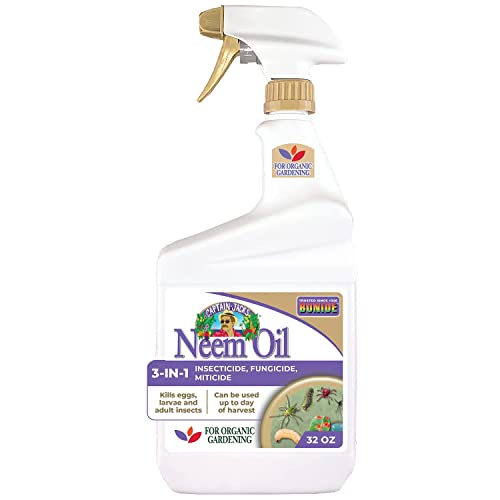
Bonide Captain Jack’s Neem Oil 32 oz Ready-to-Use

Bonide Captain Jack’s Fruit Tree Spray 16 oz Concentrate
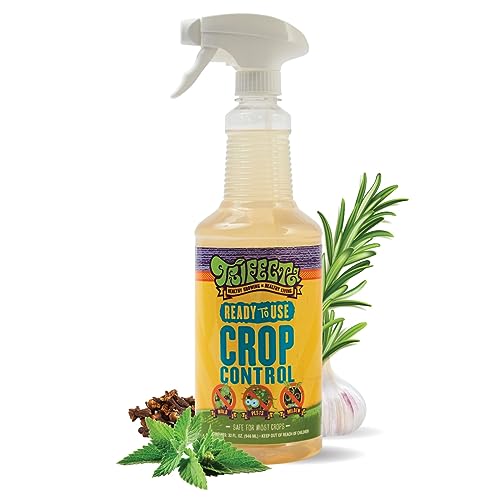
Trifecta Crop Control Ready-to-Use 32 oz
A Closer Look At Each Pick
Earth’s Ally takes the headache out of spraying for newcomers by arriving pre-mixed in a 32 oz bottle. The formula uses a synergistic blend of essential oils that works like an insecticidal soap, smothering soft-bodied pests while also handling common fungal issues on contact. Unlike the heavy concentrates later in this list, there’s no measuring or guesswork; you point and spray leaves, stems, and fruit clusters as needed.
For most backyards with a mix of indoor houseplants and outdoor fruit trees, this pick covers the basics without committing to one specific tree type. Gardeners who rotate between tomatoes, dwarf citrus, and a patio apple benefit from the broad pest coverage. It suits anyone who wants a gentle entry point before graduating to the more specialized Bonide and Trifecta options below.
Everyday Advantages
- Ready-to-use bottle eliminates mixing mistakes for first-time sprayers
- Essential-oil blend handles soft-bodied insects and common leaf diseases in one pass
- Safe formulation for both indoor houseplants and outdoor fruit trees alike
- Botanical base appeals to gardeners avoiding harsher synthetic chemistries
Things To Consider
- Soft-oil contact action means repeat applications every few days during heavy pest pressure
- Bottle coverage runs out fast on larger orchard plantings, so larger properties may burn through it quickly
- Strong citrus and herbal scent lingers briefly after application in enclosed spaces
Who It Suits Best
Casual gardeners with a small mixed planting of indoor and outdoor greenery who want an uncomplicated, gentle first spray.
Look Elsewhere When
You manage several mature fruit trees and need a heavier-duty concentrate, in which case the BioAdvanced 3-in-1 Fruit, Citrus & Nut Tree Spray is a stronger fit.
BioAdvanced built this 32 oz bottle around a triple-protection approach that handles insects, listed mites, and listed diseases in a single pass. It’s labeled for fruit and nut trees plus vegetables and vine crops, which makes it a flexible option if you spray more than just your orchard. Caterpillars, aphids, and mites are all on the target list, alongside common fungal problems like black spot, powdery mildew, and rust.
Where the Earth’s Ally entry above leans gentle and broad, this one focuses specifically on edible gardens with active pest pressure. The label permits use up to the day before harvest, which reassures orchardists who want to time sprays close to picking. You may find the chemistry more aggressive than the botanical oils earlier on this list, but the broad-spectrum coverage earns its spot for serious home food growers.
Bright Spots
- Triple-action formula tackles insects, mites, and fungal diseases simultaneously
- Labeled for a wide spread of fruit, nut, vegetable, and vine crops in one bottle
- Use window extends close to harvest, supporting tight spray schedules
- Targets caterpillars and aphids that often plague young fruit tree foliage
Trade Offs
- More synthetic-leaning formulation than the botanical oils higher on this list
- Coverage of 32 oz may require refills for larger multi-tree orchards
- Only effective against pests and diseases specifically named on the product label
The Right Fit
Home orchardists and edible-garden managers who want broad pest and disease coverage in a single spray session across multiple crops.
Consider Something Else When
You prefer a strictly organic active ingredient for certification purposes, in which case the Atticus Spliven Organic Spinosad Concentrate is a stronger match.
Neem Max leans on cold-pressed neem oil to deliver four functions in one bottle: insecticide, fungicide, miticide, and nematicide. Cold pressing matters here, as it preserves the natural compounds that make neem effective against a wide range of garden pests. The ready-to-spray 16 oz format skips the measuring step, appealing to anyone who finds concentrate ratios fiddly.
Neem oil works through multiple modes of action, which is why so many growers keep a bottle on hand. It disrupts insect feeding and reproduction while also coating fungal spores. For gardeners running mixed plantings of fruit trees, roses, and vegetables, this single product often replaces several specialized sprays.
Practical Pluses
- Four-in-one functionality cuts down the number of products you keep on the shelf
- Cold-pressed neem retains more active compounds than solvent-extracted alternatives
- Plant-based active ingredient suits organic-minded gardening routines
- Pre-mixed format removes the risk of incorrect dilution ratios
Minor Gripes
- Strong neem aroma noticeable during and shortly after spraying outdoors
- 16 oz bottle requires frequent repurchase for larger orchard operations
- Works best applied during cooler parts of the day to avoid leaf burn
Key Attributes
Made For
Home gardeners juggling fruit trees, ornamentals, and edibles who want one flexible spray that handles multiple pest categories.
A Better Fit Elsewhere
You run a certified organic operation needing OMRI-listed products specifically, in which case the Atticus Spliven Organic Spinosad Concentrate fits the bill more cleanly.
Spliven uses 0.5% spinosad, the same active ingredient trusted in many leading organic insecticides. Spinosad is a naturally derived bacterial fermentation product, so it earns its place in organic gardens through a different pathway than neem or essential oils. The OMRI listing confirms it has been reviewed for organic standards, which matters if you garden under certification rules.
Where most picks in this roundup come ready-mixed, Spliven is a concentrate that requires dilution and a dedicated sprayer. That extra step appeals to growers who already own a pump sprayer and want more control over coverage on larger trees. It’s a focused tool rather than an all-purpose bottle, and that focus is exactly the point.
The Case For It
- OMRI-listed formulation supports certified organic growing operations
- Concentrate format stretches further per dollar on large orchard plantings
- Spinosad active ingredient handles pests that shrug off botanical oils
- Trusted active ingredient used across commercial and home orchards
Points To Keep In Mind
- Concentrate requires accurate dilution and a separate pump sprayer
- Single-purpose insecticide, so fungal issues need a separate product
- Toxic to bees when wet, requiring careful timing around bloom
Quick Facts
Best Suited To
Growers running certified organic orchards or anyone managing larger plantings who already owns a pump sprayer and wants proven pest control.
Swap It Out When
You have just one or two small trees and would rather skip the concentrate step, in which case Bonide Captain Jack’s Neem Oil 32 oz Ready-to-Use is the simpler choice.
Bonide’s Captain Jack’s Fruit Tree Spray is built specifically with backyard orchardists in mind. The biological formula combines four modes of action: fungicide, insecticide, miticide, and nematicide, so you cover multiple threat categories without juggling separate bottles. The 32 oz concentrate format is meant for mixing into a pump sprayer and covering several trees per batch.
This is the kind of product a family with two or three backyard apple, pear, or stone fruit trees reaches for at the start of the season. The biological approach appeals to households with kids or pets who play near the orchard. It’s also worth considering for first-time growers who want a fruit-tree-specific label rather than a generic garden spray.
Real Benefits
- Specifically labeled for fruit trees rather than general garden use
- Four-purpose biological formula covers insect, mite, and fungal pressure
- 32 oz concentrate delivers good value for multi-tree backyard orchards
- Commonly chosen by families wanting a biological approach to pest control
Honest Caveats
- Concentrate requires careful measuring and a dedicated pump sprayer
- Coverage of insects limited to those listed on the product label
Feature Snapshot
Who Should Grab It
Backyard orchardists with a few apple, pear, or stone fruit trees who want a fruit-tree-specific, family-friendly biological spray.
Another Choice May Suit
You only need enough product for one dwarf tree and prefer not to mix concentrates, in which case Bonide Captain Jack’s Fruit Tree Spray 16 oz Concentrate is the lighter alternative.
This Bonide neem oil spray pulls together three functions: fungicide, miticide, and insecticide, derived from neem seed extract. It’s the ready-to-use sibling to the Captain Jack’s concentrates, arriving pre-mixed in a 32 oz bottle with a spray nozzle attached. You can deploy it up to the day of harvest, which is helpful for last-minute pest sightings before picking.
The formulation is described as killing all stages of insects, including eggs, larvae, and adults, while also preventing fungal attack on plant tissues. For gardeners who want neem’s benefits without mixing anything, this bottle is the path of least resistance. It suits households with a single fruit tree or a small collection of dwarf varieties.
A Few Strong Suits
- Ready-to-use format removes the dilution step entirely
- Targets eggs, larvae, and adults for more thorough insect lifecycle disruption
- Labeled for use up to the day of harvest, supporting flexible timing
- Derived from neem seed, aligning with organic gardening preferences
Less Ideal Details
- Bottle size runs out faster on multi-tree orchards than concentrate formats
- Spray nozzle on ready-to-use bottles tends to clog if not rinsed after each use
Feature Rundown
The Right Fit
Homeowners with a single fruit tree or a small patio orchard who want a no-mix neem option that pulls double duty on insects and fungus.
Reach For A Different Pick When
You want a spinosad-based option for heavier pest pressure, in which case Atticus Spliven Organic Spinosad Concentrate handles tougher infestations.
The 16 oz version of Captain Jack’s Fruit Tree Spray carries the same four-purpose biological formula as the larger 32 oz sibling. The smaller bottle fits comfortably on a garage shelf or in a small garden tote without taking up premium storage space. For growers tending just one or two trees, the half-size format prevents waste from leftover mixed solution going stale.
It mixes down into your pump sprayer the same way the larger bottle does, so coverage and dilution flexibility are identical. The main trade-off is value per ounce, since smaller bottles typically cost more per fluid ounce than larger ones. For one-tree owners, though, paying a little more up front for less waste is usually the smarter play.
What Earns Its Place
- Compact 16 oz bottle fits limited storage spaces easily
- Same biological four-purpose formula as the larger Bonide bottle
- Reduces waste for growers who only mix small batches at a time
- Works with any standard pump sprayer you already own
Some Limits To Know
- Higher cost per ounce than the larger 32 oz concentrate
- Runs out quickly on properties with more than two mature trees
Whose Shelf It Belongs On
Small-space and patio orchardists with one or two dwarf fruit trees who want the same fruit-tree-specific formula in a more manageable bottle.
A Better Fit Elsewhere
You have several full-size fruit trees and want maximum value per ounce, in which case Bonide Captain Jack’s Fruit Tree Spray 32 oz Concentrate is the better buy.
Trifecta Crop Control rounds out this roundup with an all-natural, plant-based formula positioned for tougher targets like spider mites, powdery mildew, and botrytis. The ready-to-use 32 oz bottle simplifies deployment, and the biodegradable formula suits growers who want minimal environmental impact. It targets soft-bodied pests including aphids, whiteflies, and fungus gnats.
Where the Bonide and BioAdvanced picks focus on traditional orchard pests, this one leans into the mite and mildew problems that show up in humid climates and densely planted gardens. Indoor growers with fruit trees in greenhouses or sunrooms also lean toward this type of formulation because of the gentle yet potent profile. It’s a specialist tool rather than a general-purpose spray, and that focus is the main reason it earns the closer look here.
The Practical Payoff
- Plant-based formula fits organic-leaning routines without synthetic residues
- Strong fit for spider mite and powdery mildew pressure in humid climates
- Biodegradable composition supports eco-friendly gardening practices
- Safe for use on edible crops, useful for integrated edible gardens
Potential Drawbacks
- Suffocation-based action requires thorough coverage of leaf undersides for best results
- Ready-to-use bottle costs more per ounce than comparable concentrate options
- Stronger-smelling botanical blend than simpler neem-based sprays
Feature Snapshot
Perfect Match For
Growers in humid regions dealing with spider mite and mildew pressure who want a biodegradable, plant-based formula on their fruit trees.
Skip It When
You want a concentrate that stretches further on a larger orchard, in which case Atticus Spliven Organic Spinosad Concentrate delivers more coverage per dollar.
What To Weigh Before Choosing A Spray
Picking an organic pesticide starts with knowing what you’re actually fighting. Insect pests like aphids, caterpillars, and mites respond to different active ingredients, and fungal issues like powdery mildew and black spot need their own approach. Match the product to your most likely problem rather than buying a generic bottle and hoping it covers everything.
Format matters as much as the active ingredient. Ready-to-use bottles like Earth’s Ally and Trifecta Crop Control save time and suit small plantings. Concentrates like Bonide Captain Jack’s Fruit Tree Spray or Atticus Spliven deliver more coverage per dollar but require a pump sprayer and accurate measuring. Tree size, sprayer ownership, and storage space all push you toward one or the other.
Finally, think about timing relative to harvest. Sprays labeled for use up to the day of harvest give you more flexibility when pest pressure spikes late in the season. Sprays with stricter pre-harvest intervals reward planning ahead but restrict last-minute responses. Organic certification goals also narrow the field, since OMRI-listed products like Spliven satisfy certification rules that general botanical oils do not.
Common Slip Ups And Where The Extra Money Goes
Pitfalls Shoppers Hit
Treating all soft-bodied pests with one product leads to disappointment when the active ingredient doesn’t match the pest. Spinosad, neem, and essential oils each work differently, and rotating modes of action also helps prevent pest resistance from building over multiple seasons.
Spraying at the wrong time of day wastes product and risks leaf burn. Midday sun and neem or oil-based sprays don’t mix well, since the oils can scorch foliage under direct heat. Early morning or evening applications give the spray time to work before temperatures climb.
Where The Extra Money Goes
Higher-tier organic sprays often earn their price through formulation stability, longer shelf life, and broader pest spectrum coverage. Concentrates cost more up front yet stretch further per ounce on multi-tree properties, so the per-application cost often drops below cheaper ready-to-use bottles once you scale up.
Premium picks also tend to invest in delivery systems, like better pump sprayer compatibility or improved nozzle design on ready-to-use bottles. The honest read is that for one or two trees, a budget ready-to-use spray works fine; for a small orchard, paying for a concentrate pays for itself within a season.
Frequently Asked Questions
What is the safest organic pesticide for fruit trees?
Cold-pressed neem oil is widely used as a foundation spray because it handles insects, mites, and fungal issues while breaking down quickly. Products like Bonide Captain Jack’s Neem Max and the ready-to-use Bonide Neem Oil bottle both rely on neem as the active base.
How often should I spray organic pesticides on fruit trees?
Most organic sprays work on contact, so repeat applications every 7 to 14 days during active pest pressure are typical. Always follow the specific interval listed on your chosen product’s label, since active ingredients and concentrations vary.
Can I use organic pesticides up to harvest?
Several products on this list, including BioAdvanced 3-in-1 and Bonide’s ready-to-use neem, permit spraying close to or on the day of harvest. Check the individual product label for the exact pre-harvest interval before picking fruit.
Do organic pesticides work on spider mites?
Botanical oil-based sprays like Trifecta Crop Control and Earth Ally are designed to smother soft-bodied pests including spider mites. Coverage of leaf undersides is critical, since mites often hide on the back sides of foliage where sprays miss them.
What’s the difference between OMRI-listed and just “organic”?
OMRI listing means the Organic Materials Review Institute has independently reviewed the product against organic standards. The Atticus Spliven concentrate is OMRI listed, while many botanical oil sprays are plant-based but not formally certified.
Closing Remarks
The right organic pesticide depends on your tree count, your pest pressure, and how much mixing you want to do. Start by identifying your most likely pest, then match the format and active ingredient to your situation. With the picks above, you’re covered from gentle first-time options through certified organic concentrates for more serious orchard work.
