

Picking the right organic potting mix quietly decides how every container plant in your home performs, from a sunny windowsill herb garden to a row of patio tomato pots. The wrong blend stays soggy, repels water, or breaks down into dense mud within a season. You want a mix that holds moisture without suffocating roots, feeds steadily, and matches what you’re actually growing. These eight options cover indoor houseplants, edible herbs, patio containers, and full raised beds, so you can match a blend to your space instead of guessing at the garden center.
The Picks In Brief

Miracle-Gro Organic Indoor Potting Mix, 16 qt.

Omitgoter Organic Potting Soil for Indoor Plants & Herb Gardens, 1qt
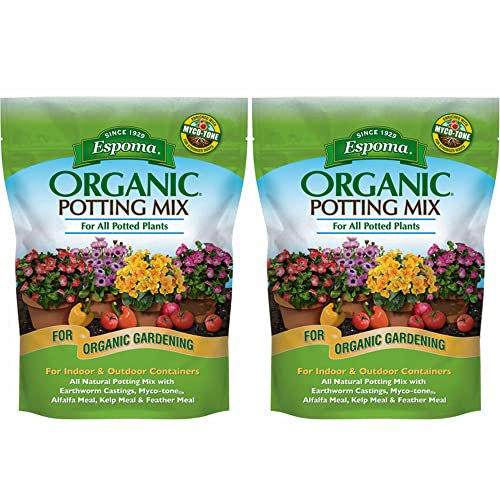
Espoma Organic Potting Soil Mix 8qt, Pack of 2

Espoma Organic Potting Soil Mix 2 Cubic Foot Bag
Espoma Organic Potting Soil Mix 1 Cubic Foot Bag

Grow Queen Craft Organic Houseplant Potting Mix, 2QT

Espoma Organic Raised Bed Mix, 1.5 Cubic Foot Bag

Miracle-Gro Organic Indoor Potting Mix, 8 qt. (2-Pack)
More Details On Our Top Picks
For a windowsill crowded with pothos, philodendrons, and a couple of ferns, this 16-quart bag of Miracle-Gro’s organic indoor blend covers most repotting jobs in a single buy. The mix combines coir (coconut husk fiber that holds moisture while keeping the texture loose), sphagnum peat moss (a traditional base that absorbs and slowly releases water), and a quick-start natural fertilizer to ease transplant shock. You open the bag and the texture feels light, almost fluffy, which matters when you’re filling smaller 4-to-8-inch pots where dense soil would suffocate roots.
The formulation is built to forgive the most common indoor mistake: erratic watering. Coir adds air pockets so roots can breathe even when you forget a week, and the peat moss releases water back to the plant as the mix dries. For most people maintaining a rotating collection of tropical houseplants, that balance is the difference between thriving leaves and constant yellowing.
The Upside
- Coarser texture keeps roots aerated in small pots
- Built-in starter nutrition reduces early transplant stress
- Large 16-quart bag stretches across many repottings
- Versatile for a wide range of common houseplants
Trade Offs
- Bag is bulky and heavy, awkward to haul up apartment stairs
- Starter fertilizer means you’ll still want a gentle feed routine after the first month or two
- Some moisture-loving plants may need more frequent watering than the blend provides alone
Feature Snapshot
Who It Suits Best
Houseplant owners with a mid-sized indoor collection who want one dependable bag that handles most common tropicals.
Skip It When
You mostly grow moisture-hungry tropicals like calatheas, where the chunkier Grow Queen Craft Organic Houseplant Potting Mix keeps roots happier.
When you’re just starting a small kitchen herb garden on the counter, you don’t need a 16-quart monster bag. This Omitgoter 1-quart blend is sized right for two or three herb pots, basil, thyme, parsley, the usual lineup. The formula pulls together peat moss, coconut coir, perlite (a light volcanic mineral that keeps soil from compacting), worm castings (nutrient-rich earthworm manure), and humus (decomposed organic matter). For a beginner experimenting with windowsill herbs, that combination provides aeration, moisture control, and gentle feeding without much fuss.
The bag is genuinely small, which matters if you live in a studio and storage space is at a premium. You pour, you plant, you keep the rest sealed for later. For most casual herb growers, this is the kind of measured entry point that prevents waste.
What Stands Out
- Compact 1-quart size suits starter herb pots without leftovers going stale
- Worm castings add slow-release nutrition herbs appreciate
- Light, easy-to-pour texture for small containers
Honest Caveats
- Too small for anyone repotting more than a few plants at once
- Per-quart cost runs higher than larger Espoma bags
Made For
Beginners starting a small indoor herb garden on a kitchen counter or sunny shelf.
Consider Something Else When
You’re filling several medium patio containers at once, where the larger Espoma Organic Potting Soil Mix 8qt bag costs less per quart.
Espoma’s all-purpose organic potting mix has been a staple on garden shelves for years, and this two-pack of 8-quart bags delivers the same formula in a more useful quantity. The blend layers sphagnum peat moss, humus, and perlite with earthworm castings, alfalfa meal, kelp meal, and feather meal, plus Espoma’s Myco-Tone (a proprietary mix of mycorrhizae, beneficial fungi that colonize roots and help plants absorb nutrients). For container gardening at scale, repotting several houseplants at once or refilling patio pots each spring, that fungal boost makes a real difference over a full growing season.
Unlike the smaller Omitgoter option above, this size makes sense when you’re juggling a dozen or more pots. The two-bag format also lets you stack one in the garage and one near where you actually work. For most home gardeners managing a meaningful container collection, that kind of bulk pricing adds up fast.
Practical Pluses
- Myco-Tone mycorrhizal fungi support longer-term root health
- Multiple organic meals provide slow, steady nutrition
- Two-pack format keeps one bag sealed and fresh until needed
- Cost per quart drops noticeably versus single small bags
Points To Note
- Two bags arrive in separate shipments sometimes, plan storage space
- Texture is finer than chunky aroid mixes, less ideal for monsteras in dry homes
Key Specs
Right Fit For
Container gardeners running a rotating repotting schedule across many indoor and patio pots each season.
Swap It Out When
You’re filling an actual raised bed, where Espoma Organic Raised Bed Mix is engineered for deeper soil volumes.
The 2 cubic foot bag is the version you grab when you’re committing to a real patio container refresh: a long cedar planter box, a row of large herb pots, or refilling the half-whiskey-barrel herb garden by the back door. It’s the same Espoma formula covered above, sphagnum peat moss, humus, perlite, earthworm castings, alfalfa meal, kelp meal, feather meal, and Myco-Tone mycorrhizae, just at a volume that suits bigger work.
Two cubic feet fills roughly eight to ten 10-inch pots, which makes spring setup less of a multi-trip affair. For most serious patio gardeners, this is the format that actually makes a full season’s worth of repotting manageable from one purchase.
Standout Benefits
- Large single bag avoids the multiple-shipment hassle of two-packs
- Same rich amendment stack as smaller Espoma bags
- Fills deep planters and barrel-style containers in one go
- Myco-Tone biology supports established plants through hot summers
Things To Consider
- Heavy bag, often 40+ pounds, plan how you’ll get it to the planting spot
- Excess mix needs a dry storage bin if you don’t use it all in one season
Best Suited To
Patio and deck gardeners with large containers who want one bag to handle a full spring refresh.
A Better Fit Elsewhere
You only need a small indoor refresh, where the 16-quart Miracle-Gro Organic Indoor Potting Mix handles most apartments without excess.
The single 1 cubic foot bag is the middle path between tiny starter bags and heavy bulk options. If you’re repotting four to six medium containers in a single session, this lands in the sweet spot. The mix spans sphagnum peat moss, humus, perlite, and the full Espoma organic meal lineup with Myco-Tone mycorrhizae for stronger root development.
For most home gardeners managing a balanced mix of houseplants and a small patio setup, this is the bag that quietly does it all. You get the same proven blend as the larger formats without committing to 40 pounds of soil you might not use before the next season.
Positive Points
- Mid-size bag fits one car trip and one storage bin
- Reliable all-purpose formula for mixed indoor and outdoor use
- Myco-Tone biology supports vegetables, herbs, and ornamentals equally
- Single bag avoids split shipments
Factors To Consider
- Per-quart cost is higher than the 2 cubic foot size
- Smaller patio projects may need two bags for full coverage
Quick Facts
Who Should Grab It
Home gardeners with a balanced mix of indoor and patio containers who want one reliable bag without overbuying.
Where Another Pick Shines
You’re focused entirely on tropical aroids like monsteras, where Grow Queen Craft Organic Houseplant Potting Mix has the chunkier texture those plants prefer.
Aroid collectors (growers obsessed with monsteras, philodendrons, anthuriums, and similar tropical plants) have been moving away from traditional peat-heavy blends toward chunkier mixes that mimic the loose, bark-rich floors of tropical forests. This Grow Queen Craft blend is built for exactly that crowd. It skips peat entirely and uses a coarser, airy texture that drains fast, supports thick aerial roots, and stays structurally open over time instead of breaking down into mud.
The brand also leans into sustainable sourcing and peat-free credentials, which matters for indoor gardeners tracking their environmental footprint. For most aroid hobbyists, the difference shows up quickly: fewer root rot issues, less gnats (since the mix dries out more evenly between waterings), and stronger root systems in monsteras and pothos.
Points In Its Favor
- Chunky texture creates air pockets for thick tropical roots
- Peat-free composition supports more sustainable gardening
- Faster drying reduces fungus gnat problems indoors
- Well suited for monsteras, pothos, peace lilies, philodendrons
Worth Bearing In Mind
- Small 2-quart size suits a couple of repottings, not a full collection refresh
- Coarser texture dries out fast, thirsty plants need closer watering attention
Spec Overview
Perfect Match For
Aroid and tropical plant collectors who want a chunky, peat-free mix that prevents the root rot common with denser blends.
Reach For A Different Pick When
You’re growing herbs or vegetables on a patio, where Espoma Organic Potting Soil Mix holds moisture and nutrients those edible plants need.
Raised garden beds need a different soil profile than a 6-inch patio pot. The volume is much greater, the drainage depends on the bed construction, and vegetable roots reach much deeper than typical houseplant roots. Espoma’s raised bed mix is engineered for that specific job, blending natural and organic ingredients enriched with earthworm castings, alfalfa meal, kelp meal, feather meal, and Myco-Tone mycorrhizae to support the heavy feeding demands of tomatoes, peppers, leafy greens, and herbs.
For most backyard veggie growers, this is the bag that fills a new cedar raised bed or refreshes one that’s lost structure over a few seasons. You use it to fill new beds or to amend tired soil in existing ones, depending on how your setup has aged.
Real Benefits
- Designed specifically for raised bed depth and volume
- Rich amendment lineup supports heavy-feeding vegetables
- Myco-Tone fungi help crops through long growing seasons
- Works for filling new beds or amending old ones
Where It May Fall Short
- 1.5 cubic feet fills only part of a typical 4×8 bed, you’ll need several bags
- Best suited to outdoor beds, not efficient for indoor containers
Built With In Mind
Backyard vegetable and herb growers filling or refreshing raised beds for a productive growing season.
Look Elsewhere When
You mainly work with patio pots and window boxes, where the standard Espoma Organic Potting Soil Mix 2 Cubic Foot Bag fits container dimensions better.
This two-pack of Miracle-Gro’s 8-quart organic indoor mix is the format that makes sense for households running plants across a living room, a hallway, a bedroom, and a home office. The formula is the same coir, sphagnum peat moss, and quick-start natural fertilizer blend that earned the larger 16-quart bag its place earlier in this list, just split across two manageable bags. Each one weighs around 12 pounds, much easier to carry upstairs than a single 25-pound sack.
For most multi-room plant parents, splitting the volume solves a real problem: you use one bag now and the second stays sealed in the garage or closet until next quarter’s repotting session. The moisture-balancing design also forgives the inconsistent watering schedules that happen when houseplants live in rooms you don’t visit every day.
Noteworthy Benefits
- Two-bag format keeps a fresh backup sealed until needed
- Lighter individual bags easier to manage in apartments
- Moisture-buffering formula forgives irregular watering
- Same proven Miracle-Gro organic formula as the larger bag
Potential Sticking Points
- Total cost runs higher than buying the single 16-quart version at once
- Two-bag shipping sometimes arrives in stages
Whose Shelf It Belongs On
Multi-room houseplant households who want fresh mix on hand without wrestling a single oversized bag up the stairs.
Not Your Match When
You’re a serious aroid collector needing chunky texture, where Grow Queen Craft Organic Houseplant Potting Mix is built for those specific plants.
What Matters Most Before Choosing Organic Potting Mixes
Match the Blend to Your Container Type
Indoor pots, patio containers, and raised beds all demand different soil behavior. A small 4-inch houseplant pot needs a light, airy blend that drains well but stays evenly moist, while a deep raised bed needs a denser mix with stronger nutrient load to feed vegetables across a long season. Choosing a single bag for everything is the most common reason gardeners end up disappointed: a raised bed mix suffocates a pothos, and a houseplant blend runs out of nutrition halfway through tomato season. Match the bag’s purpose to your project.
Read the Organic Ingredient List, Not Just the Label
Every bag here says “organic,” but the actual ingredient list tells you what’s doing the work. Look for a base of peat moss, coir, or composted bark, plus meaningful amendments like worm castings, kelp meal, alfalfa meal, or mycorrhizal inoculants. A blend with only peat and perlite is technically organic but nutritionally thin. The richer amendment stacks, like Espoma’s lineup with earthworm castings and Myco-Tone, deliver slow-release nutrition that sustains plants longer between feedings.
Consider How Often You Actually Water
Honest watering habits matter more than the bag you choose. If you forget a week between checks, blends with coir and peat moss hold moisture gently without waterlogging. If you’re a daily waterer, chunkier peat-free mixes like the Grow Queen Craft blend dry out faster and prevent root rot. The “best” mix is often the one that complements your routine, not fights it.
Factor in Bag Size and Storage
A 2 cubic foot bag is great until you live in a third-floor walkup and need to haul it. Smaller 1-quart to 8-quart bags cost more per quart but are easier to manage and store. Two-pack formats split the volume into more practical weights for apartment dwellers. For most gardeners, the right size is the one you’ll actually use before the next growing season.
Smart Buying Considerations for Organic Potting Mixes
Where Shoppers Go Wrong
The biggest mistake is grabbing whatever’s labeled “potting soil” without checking whether it’s formulated for containers versus in-ground planting. Garden bed soil and potting mix are not interchangeable. Garden soil is heavier and denser, designed to hold structure when tilled into existing earth, and it compacts badly in pots, suffocating roots. Container-specific mixes are lighter, airier, and engineered to drain well in a confined space. Another frequent slip is underestimating quantity: a single 8-quart bag fills only two or three medium pots, so larger projects need multiple bags planned in advance.
When Paying More Pays Off
The premium tier in this category buys you richer amendment stacks and biological inoculants like mycorrhizal fungi, which aren’t present in cheaper blends. For heavy-feeding crops like tomatoes and peppers, or for aroid collectors chasing fast root development, that upgrade is genuinely worth it because cheaper mixes run out of nutrition faster and need constant supplemental feeding. For basic houseplant maintenance, though, a mid-range organic blend like Miracle-Gro’s indoor mix performs well without the premium price tag. Match the tier to the plant’s demand, not the marketing on the bag.
Frequently Asked Questions
What makes a potting mix “organic”?
An organic potting mix uses ingredients derived from plant, animal, or mineral sources without synthetic chemical fertilizers. Common organic components include peat moss, coconut coir, compost, worm castings, kelp meal, and bone meal. The certification varies by brand, so checking the ingredient list matters more than the label claim alone.
Can I use organic potting mix for vegetables and herbs?
Yes, organic potting mixes work well for edible plants, and many blends like the Espoma line are specifically designed for herbs and vegetables. For deeper root systems and heavy-feeding crops, choose a mix with rich amendments and mycorrhizal fungi to support the longer growing season and higher nutrient demand.
How long does organic potting mix last in the bag?
Unopened, most organic mixes stay viable for one to two years if stored in a dry, sealed location away from direct sunlight. Once opened, the mix starts losing biological activity over time, so using it within the current growing season gives the best results, especially for blends with mycorrhizal inoculants.
Do I need to add fertilizer to organic potting mix?
Many organic mixes include enough starter nutrition to last the first four to six weeks. After that, supplementing with a liquid organic fertilizer or slow-release granules keeps plants fed through the active growing season. Blends without any built-in nutrition need feeding from day one.
Is peat-free potting mix better for the environment?
Peat-free mixes avoid harvesting peat bogs, which are slow-growing ecosystems that store significant carbon. Sustainable alternatives like coconut coir, composted bark, and pine fines deliver similar moisture and aeration benefits with less environmental impact. For gardeners prioritizing sustainability, peat-free options like the Grow Queen Craft blend are a thoughtful choice.
Final Takeaway
The right organic potting mix depends on what you’re growing, where, and how often you actually water. Match the bag to the container, check the ingredient list beyond the label, and pick a size you can realistically use and store. Whether you’re refreshing a windowsill garden or filling a new raised bed, the blends above cover the main paths through a healthy container season.
