

Container gardening turns a sunny patio or windowsill into a productive mini-plot, and the soil underneath decides whether your tomatoes set fruit or your lettuce bolts early. The wrong mix compacts, drains poorly, or runs out of nutrients in weeks, leaving you watering constantly with little to show for it.
A well-formulated organic potting soil holds moisture without staying soggy, feeds steadily through biological activity, and keeps roots oxygenated in a confined space. Whether you’re growing herbs on a balcony or filling raised beds with tomato starts, the right blend saves you from mid-season troubleshooting and helps container vegetables actually produce.
The Lineup, Simplified

Miracle-Gro Organic Indoor Potting Mix, 16 qt.

Doter Organic Potting Soil Mix for All Indoor & Outdoor Small Containers 1 qt

Miracle-Gro Moisture Control Potting Mix, 16 qt. (2-Pack)

Brut Organic Potting Soil 1 CU FT with Worm Castings

Coast of Maine Tomatoes and Veggies Organic Planting Soil 20qt

Coast of Maine Bar Harbor Blend Organic Potting Soil 16qt
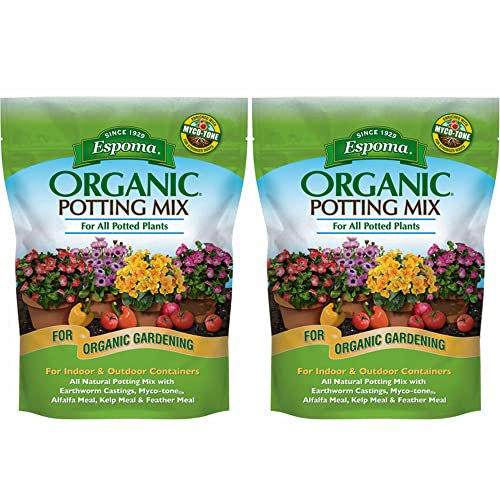
Espoma Organic Potting Soil Mix 8qt (Pack of 2)

Espoma Organic Potting Soil Mix 2 Cubic Foot Bag
Inside Each Recommended Option
A reliable starter for apartment herb gardens and indoor vegetable starts, this 16-quart bag from Miracle-Gro leans on coco coir (coir is shredded coconut husk that holds moisture while letting air reach roots) and sphagnum peat moss to keep containers from drying out too fast. The blend also includes a quick-start natural fertilizer, so seedlings get a push right after transplant without you having to mix in amendments.
Compared to the smaller Doter option below, this one trades compact size for fewer repurchases across a season. For most kitchens with a sunny window and a few pots of basil or lettuce, the volume handles a full growing cycle.
Why It Works Well
- Coir and peat moss hold moisture between waterings, which helps on busy weekdays when you forget the watering can.
- Built-in natural fertilizer gives transplants an early nutrient boost during the first critical weeks.
- 16-quart bag fills roughly three to four mid-size pots, enough for a small herb cluster or a couple of pepper plants.
- Light, fluffy texture resists compaction in containers, so roots stay oxygenated through the season.
- Widely available in most garden retailers, so reordering mid-season stays simple.
Worth Noting
- Heavier feeders like tomatoes may still need supplemental feeding after the first month.
- The included fertilizer may be slower than synthetic options, so patience is needed for visible growth.
Key Product Details
Whose Shelf It Belongs On
New container gardeners growing herbs, lettuce, or compact vegetables in a sunny kitchen or apartment window.
Skip It When
Coast of Maine Tomatoes and Veggies Organic Planting Soil 20qt is a better match for tomato-heavy patio planters that need richer, compost-driven nutrition.
Sometimes you only need enough soil for two terra-cotta herb pots, and a 16-quart bag is overkill. Doter packs peat moss, perlite (perlite is a heated volcanic mineral that looks like white popcorn and keeps soil from compacting), coconut coir, and worm castings into a single quart sized for windowsills and small starter work.
The lighter blend suits indoor growers who don’t want to wrestle with a heavy bag in a studio apartment. It’s a tidy starter or refill option, though the volume obviously won’t sustain a full patio garden.
Well-Handled Touches
- Worm castings deliver gentle organic nutrition without burning tender seedlings.
- Coir and perlite combination keeps the mix airy, which matters in small pots that compact quickly.
- Single-quart size fits neatly on a shelf and avoids wasted, leftover soil sitting in storage.
- Listed for herbs, vegetables, and flowers, so it transitions between windowsill and patio use.
Honest Caveats
- One quart covers maybe two small pots, so larger planters require multiple bags.
- Without larger bags in the lineup, scaling up a garden mid-season gets repetitive.
- The fine texture may dry out faster in small unglazed clay containers.
Who It Suits Best
Beginners repotting a single herb or two, or anyone maintaining a small kitchen windowsill garden.
A Better Fit Elsewhere
Miracle-Gro Moisture Control Potting Mix 16 qt. (2-Pack) makes more sense for gardeners filling several larger outdoor containers in a single shopping trip.
Patio containers in summer sun can drain dry in an afternoon, and inconsistent watering is the fastest path to blossom-end rot in tomatoes. This Miracle-Gro blend uses an AquaCoir formula (a coir-and-wetting-agent combination designed to pull in and hold extra water compared to basic mixes) to buffer against those swings.
The 2-pack format suits anyone refilling multiple large planters at the start of the season, and the wetting agent helps the mix rehydrate evenly after it dries out. It’s a forgiving choice for beginners still learning how often to water.
A Few Highlights
- AquaCoir formula helps the soil absorb and retain more water than basic peat-based mixes.
- Two-bag configuration means fewer trips to the retailer during peak planting season.
- Forgiving moisture behavior helps gardeners who travel or water on inconsistent schedules.
- Established brand footprint means the formula is widely stocked and easy to reorder.
Points To Keep In Mind
- Higher water retention can lead to overwatering in shaded, cool, or poorly drained containers.
- The 2-pack weighs around 30+ pounds combined, which matters if storage space is limited.
- Heavier feeders may still require mid-season fertilizer for sustained fruiting.
Made For
Outdoor container gardeners dealing with hot, dry conditions who occasionally miss a watering day.
Swap It Out When
Brut Organic Potting Soil 1 CU FT is a stronger match for gardeners prioritizing biological nutrition over moisture buffering.
For gardeners who want biological activity doing the heavy lifting, this Brut blend leans on worm castings (a nutrient-rich natural fertilizer produced as earthworms digest organic matter) and trace minerals like Azomite (a mineral-rich volcanic rock dust that adds micronutrients) and kelp. The result is a living soil that feeds plants gradually rather than in a single flush.
The filler-free promise matters in practice: no sticks, wood chips, or mystery debris to pick out before potting. It’s an upgrade choice for heavy feeders like tomatoes, peppers, and squash.
Reasons It Performs
- Worm castings feed plants slowly, reducing the need for frequent supplemental fertilizer.
- Trace minerals from Azomite and kelp support fruiting and flowering in nutrient-hungry crops.
- Filler-free composition means you get actual growing medium without woody debris taking up space.
- Naturally pH-balanced between 6.3 and 6.5 suits most common vegetables without amendments.
Worth Bearing In Mind
- One cubic foot is a single bag, so larger patio projects may need multiple units.
- Premium positioning means higher cost per quart than mass-market options.
- The dark, rich texture can stain surfaces during potting, so a drop cloth helps indoors.
Feature Snapshot
Best Suited To
Experienced growers running fruiting crops in containers who want biological nutrition built into the medium.
Look Elsewhere When
Miracle-Gro Organic Indoor Potting Mix 16 qt. is a more accessible starter if you’re only filling a couple of herb pots and don’t need trace-mineral depth.
Crafted specifically for fruiting crops, this Coast of Maine blend is built on a compost base rather than peat or coir. Compost-heavy mixes hold nutrients differently: they release slowly and support the microbial life that tomatoes and peppers need to set fruit through summer.
The 20-quart volume hits a useful middle ground between a single small bag and a bulk bale, suiting a couple of tomato planters or a row of pepper pots. Compared to Miracle-Gro’s moisture-focused blend, this one prioritizes feeding over water buffering.
The Good Stuff
- Compost-rich base feeds tomatoes and peppers steadily through the growing season.
- Lightweight texture in the bag makes hauling it to a rooftop or balcony easier than denser blends.
- Listed for seeding, transplanting, or topping off existing containers.
- Organic certification appeals to gardeners avoiding synthetic inputs entirely.
Practical Considerations
- Compost-based mixes may dry out faster than coir-heavy options in hot, direct sun.
- The richer formulation can attract fungus gnats in indoor settings if kept too moist.
- Strong compost aroma fades after a few waterings but can be noticeable at first.
Right Fit For
Gardeners focused on tomatoes, eggplant, and peppers in outdoor containers who want compost-driven fertility.
Reach For A Different Pick When
Miracle-Gro Moisture Control Potting Mix 16 qt. (2-Pack) handles thirsty leafy crops like lettuce or greens better in exposed sunny spots.
The Bar Harbor Blend borrows a page from coastal agriculture by including lobster and crab shell meal (a natural source of calcium and chitin that helps build strong cell walls and may deter certain soil pests), alongside the expected peat, compost, perlite, and kelp. That calcium boost is particularly relevant for tomatoes prone to blossom-end rot.
It works across houseplants, flowers, and vegetables in the same bag, so you don’t need separate soils for different pots on the patio. The same versatility explains why many growers keep it as a shelf staple.
Noteworthy Benefits
- Crustacean meal adds calcium, which supports fruiting vegetables and helps prevent blossom-end rot in tomatoes.
- Multipurpose formula suits houseplants, herbs, flowers, and vegetables in the same bag.
- Kelp meal contributes trace minerals and supports root development.
- Encourages steady root growth through the plant’s full lifecycle, not just early establishment.
Small Limitations
- The distinctive coastal-meal scent can put off indoor growers used to neutral mixes.
- Slightly higher cost per quart than basic peat-and-perlite blends.
- Crustacean content means it’s not suitable for vegan-garden philosophies.
Quick Facts
Perfect Match For
Gardeners running mixed containers on a patio who want one soil that handles vegetables alongside ornamentals.
Consider Something Else When
Coast of Maine Tomatoes and Veggies Organic Planting Soil 20qt is the stronger dedicated choice for tomato-only planters that need compost-first nutrition.
Espoma’s Myco-Tone blend adds mycorrhizae (beneficial fungi that form a partnership with plant roots, extending their reach for water and nutrients) alongside the expected peat, humus, and perlite base. The result is a mix that supports root systems from the moment of transplant.
The pack-of-two format lands in a useful volume range for seasonal repotting without committing to the larger 2-cubic-foot bag below. It’s the middle-ground option in Espoma’s lineup.
Advantages To Know
- Myco-Tone mycorrhizae help roots access water and nutrients more efficiently over time.
- Earthworm castings, alfalfa meal, kelp meal, and feather meal provide a layered organic feeding program.
- Two-bag configuration handles a typical patio’s worth of mid-size containers in one purchase.
- Listed for indoor and outdoor use, including herbs and vegetables, without separate bags.
Some Limits To Know
- The 8-quart bag size means several bags are needed for very large planters or raised beds.
- Mycorrhizae benefits build gradually, so initial growth may look modest compared to synthetic-fed mixes.
- Peat-heavy base requires consistent watering to maintain moisture levels in hot weather.
Who Should Grab It
Repeat container gardeners refreshing multiple pots each season who want a biological edge without buying amendments separately.
Another Choice May Suit
Brut Organic Potting Soil 1 CU FT is a better fit for gardeners who want trace minerals and a filler-free promise built into a single larger bag.
For gardeners refilling a full patio of containers or topping off raised beds alongside pots, this 2-cubic-foot Espoma bag handles volume at the start of the season. It uses the same Myco-Tone formula as the pack-of-two option above, so the biological support carries over.
The larger format is a one-and-done purchase for most small-space gardeners, though storage is a real consideration before buying.
Useful Touches
- Single 2-cubic-foot bag fills roughly 15 gallons of planter volume, enough for several large containers.
- Same Myco-Tone mycorrhizae blend as Espoma’s smaller bags, so root benefits transfer across the lineup.
- Earthworm castings, alfalfa meal, kelp meal, and feather meal stack nutrition gradually.
- Suitable for both new plantings and seasonal repotting without a separate starter mix.
Where It Is Less Suited
- A 2-cubic-foot bag weighs roughly 40 pounds, which is a workout to haul upstairs or across a balcony.
- Once opened, the bag needs a sealed container to keep the remaining mix from drying out.
- Overkill for gardeners running only one or two small pots.
Spec Overview
Built With In Mind
Established container gardeners restocking several large planters or mixing their own custom blends for raised beds.
Not Your Match When
Doter Organic Potting Soil Mix 1 qt fits better for anyone maintaining a single small windowsill herb and avoiding bulk storage.
Factors To Consider When Choosing Organic Potting Soils For Container Vegetables
Drainage and Aeration
Container soil that holds too much water drowns roots, while a mix that drains too fast leaves plants thirsty. Look for blends with perlite, coarse compost, or rice hulls to keep air pockets alive. Vegetables like tomatoes and peppers need fast drainage, while lettuces tolerate slightly more moisture retention.
Organic Nutrition Source
Worm castings, kelp meal, alfalfa meal, and compost feed plants slowly and support soil life. Quick-release synthetic fertilizers force leaf growth at the expense of fruit. For fruiting crops, look for biologically active ingredients rather than a single nitrogen source.
Moisture Management
Hot patios and windy balconies pull moisture from containers fast. Coir-heavy mixes buffer against drying out, while wetting agents help soil rehydrate evenly. Indoor containers in cooler rooms often want the opposite: a blend that doesn’t stay soggy.
Volume and Container Size
A 16-quart bag fills roughly three to four mid-size pots, while a 2-cubic-foot bag handles a full patio. Unused soil loses biological activity over time, so buy close to what you’ll use within a few months.
Key Considerations Across These Picks
Pitfalls Shoppers Hit
The most common mistake is treating container soil like garden soil. Topsoil and native dirt compact in pots, starving roots of oxygen. Another trap is grabbing the cheapest peat-only blend and expecting vegetables to thrive: peat alone has little nutrition and repels water once it dries. Always match the soil to the crop, and refresh containers each season rather than reusing tired mix.
Why Top Tier Costs More
Premium organic blends include worm castings, mycorrhizae, and trace minerals that require careful sourcing and blending. Compost-heavy mixes need curing time before bagging, which adds production steps. The extra cost typically buys biological activity that feeds plants steadily, reducing the need for separate fertilizers and producing stronger harvests over a full season.
Frequently Asked Questions
How often should you replace potting soil in containers?
Refresh container soil each season or top it off with fresh mix, since nutrients deplete and structure breaks down over months of watering. Heavy feeders like tomatoes benefit from a full replacement rather than just a top-up.
Can you use garden soil in containers?
Garden soil compacts in pots and drains poorly, which suffocates roots and leads to disease. Bagged potting mixes are formulated with perlite, coir, or compost to stay loose and oxygenated in confined spaces.
Do vegetables need fertilizer beyond organic potting soil?
Most organic mixes feed plants for several weeks, but fruiting crops like tomatoes and peppers usually need supplemental feeding mid-season. A liquid fish emulsion or compost tea applied every two to three weeks keeps production steady.
Is organic potting soil safe for edible vegetables?
Organic mixes use natural ingredients without synthetic pesticides or fertilizers, making them a common choice for edible crops. Check the bag for certification details if you garden strictly organic.
What’s the difference between potting mix and potting soil?
The terms are often used interchangeably, but potting mix usually refers to a soilless blend of peat, coir, perlite, and amendments. Potting soil may include actual mineral soil or compost, which weighs more but feeds differently.
Bottom Line
The right organic potting soil turns containers into reliable production systems rather than struggling root zones. Match the blend to the crop: lightweight coir mixes for leafy herbs, compost-rich blends for tomatoes, and biologically active options for gardeners who prefer biological nutrition over supplemental feeding. Start with one bag, see how your containers respond, and adjust volume and formula next season based on what worked.
