

Growing your own vegetables starts from the ground up, and the right organic blend can make the difference between a sparse harvest and a thriving kitchen garden. Whether you’re filling raised beds on a patio or starting seedlings on a sunny windowsill, the soil you choose shapes root development, water retention, and nutrient uptake. This shortlist covers eight organic mixes that suit different scales, climates, and crop types, so you can match the bag to your actual growing setup.
How The Shortlist Stacks Up

Miracle-Gro Organic Indoor Potting Mix, 16 qt.

Back to the Roots Organic Worm Castings, 5lb

Old Potters Organic Compost, 25 lbs

Brut Organic Potting Soil 1 CU FT

Coast of Maine Tomatoes and Veggies, 20qt
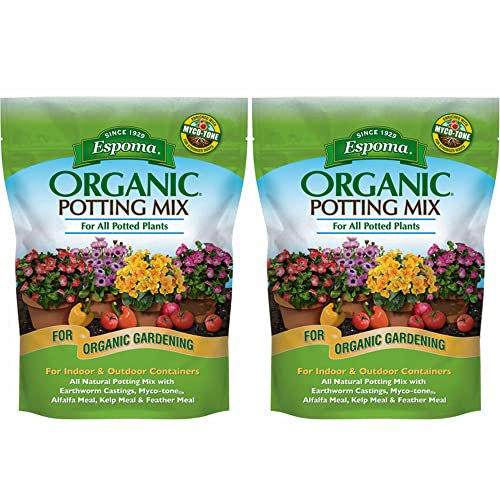
Espoma Organic Potting Soil Mix, 8qt (Pack of 2)

Espoma Organic Potting Soil Mix, 2 CU FT
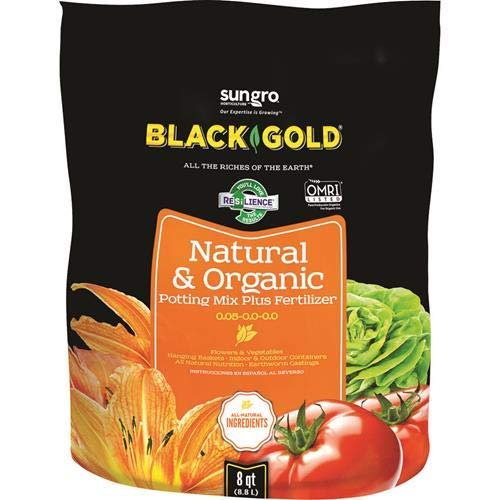
Black Gold 8-Quart All Organic Potting Soil, 2 Pack
Why These Options Stand Out
Container vegetable growers tend to water inconsistently, and this 16-quart bag from Miracle-Gro is built around that reality. The formula blends coconut coir with sphagnum peat moss to hold moisture while still letting roots breathe, a combination that forgives the occasional missed watering without turning soggy.
A quick-start natural fertilizer feeds young seedlings for the first several weeks, which matters when you’re starting tomatoes or lettuces indoors before transplanting out. For most home growers running a handful of pots on a patio, this is a low-fuss pick that just gets the basics right.
What Makes Sense
- Coir and peat moss balance keeps moisture levels steady through busy weeks
- Built-in starter nutrition supports seedlings through the vulnerable early stage
- Lightweight texture suits indoor containers and small patio planters
Things To Consider
- Designed for indoor use, so outdoor beds in heavy rain may drain too quickly
- 16-quart bags run out fast for anyone managing more than a few medium pots
Right Fit For
Apartment growers and first-time vegetable gardeners starting a small indoor or patio container garden.
Look Elsewhere When
Coast of Maine Tomatoes and Veggies suits you better when you’re filling raised beds for heavy-feeding crops like tomatoes and squash.
Worm castings aren’t a complete potting soil on their own, but mixed into an existing bed or container, they act like a slow-release vitamin pack for vegetable roots. Back to the Roots delivers a 5-pound bag of pure castings made in the USA, which is enough to top-dress several containers or amend a small raised bed.
The texture is fine and earthy, so it blends smoothly into loose mixes without clumping. For most backyard growers who already have a base soil and want to push yields a little higher, this is the kind of supplement that earns its shelf space.
What Earns Its Place
- Pure castings add beneficial microbes that improve long-term soil structure
- Fine grind mixes easily into existing beds without disturbing roots
- Slow nutrient release reduces the risk of burning tender seedlings
- Made-in-the-USA sourcing appeals to growers tracking origin
Worth Noting
- Not a standalone growing medium; needs to be combined with a base soil
- 5-pound volume covers only a few containers per application
- Light earthy smell fades quickly once watered in
Key Product Details
Who Will Love This
Established vegetable gardeners looking to enrich existing soil rather than replace it entirely.
Consider Something Else When
Brut Organic Potting Soil fits better when you want a complete ready-to-use blend with castings already mixed in.
Old Potters ships compost in volume, around 25 pounds per bag, which translates to roughly 24 quarts of finished material. The recipe is plant-based only, with no animal byproducts, and is free from synthetic chemicals. For organic gardeners filling multiple raised beds or topping off an in-ground plot, that volume is the headline.
Because the material is fully composted rather than a peat-heavy mix, it holds water well once wet. Depending on your existing soil, you may find it works better as an amendment than as a standalone potting medium in shallow containers.
Benefits That Matter
- Plant-based formula appeals to vegan-organic growers and chemical-free gardeners
- Large 25-pound bag covers a 4×8 raised bed with material to spare
- Mature compost improves soil texture and biological activity over a single season
Points To Note
- Compost texture can compact in deep containers without perlite added
- Nutrient profile is mild; heavy feeders may need supplemental feeding
- Bag weight makes single-bag handling awkward without a wheelbarrow nearby
Perfect Match For
Backyard growers building out new raised beds who want a chemical-free, plant-based base layer in bulk.
Skip It When
Espoma Organic Potting Soil Mix makes more sense when you’re filling many small patio containers and need a lighter, peat-based blend.
Brut Worm Farms built this 1-cubic-foot blend around three ingredients: organic worm castings, trace minerals like Azomite (a mined mineral amendment rich in micronutrients) and kelp, plus perlite for aeration. The result is a chunky, free-draining mix that vegetable roots push through easily, and the pH is held between 6.3 and 6.5, which sits in the sweet spot for most edible crops.
You won’t find sticks, wood chips, or filler in the bag, which is a common complaint with cheaper mixes. For most intensive growers running tight rotations in small beds, that purity matters when you’re cycling tomatoes out for fall greens.
The Case For It
- Worm castings feed soil biology from the root zone outward
- Balanced pH range suits tomatoes, peppers, and leafy greens without amendment
- Perlite content improves drainage in dense containers
- Filler-free formula means no surprise wood debris to screen out
- Trace minerals support flavor and vigor in fruiting crops
Trade Offs
- Single bag only; large beds may need multiple units at once
- Premium ingredient list tends to cost more than basic peat mixes
Feature Snapshot
Best Suited To
Experienced growers managing small, high-value vegetable beds who want a ready-to-plant premium medium.
A Better Fit Elsewhere
Old Potters Organic Compost works better when you need bulk compost to build out a brand-new bed from scratch.
Coast of Maine crafted this blend specifically for fruiting vegetables rather than as a generic all-purpose mix. The lightweight texture suits tomatoes, peppers, and squash, and you can use it for seeding, transplanting, or topping off existing beds.
The 20-quart bag is enough to refresh a couple of mid-sized grow bags or one larger raised bed section. Compared to the broad-spectrum Espoma and Miracle-Gro picks above, this one targets the heavier-feeding crops, which is where most home growers see the biggest payoff.
What Works In Its Favor
- Crop-specific formula tuned for tomatoes and vegetables rather than a generic blend
- Lightweight composition reduces strain when filling large containers
- Works for seeding, transplanting, and top-dressing existing beds
Honest Caveats
- Specialty formulation means higher cost per quart than general mixes
- 20-quart volume runs short for gardeners with multiple large beds
Made For
Vegetable gardeners focused on tomatoes, peppers, and similar fruiting crops who want a blend matched to those plants.
Reach For A Different Pick When
Miracle-Gro Organic Indoor Potting Mix fits better when you’re primarily growing leafy greens and herbs in small indoor containers.
Espoma’s standard organic blend leans on sphagnum peat moss, humus, and perlite, then enriches the mix with earthworm castings, alfalfa meal, kelp meal, and feather meal. That combination feeds both the soil and the plant gradually, so you don’t see a spike and crash mid-season.
The Myco-Tone addition is worth knowing about: mycorrhizae are beneficial fungi that form partnerships with plant roots, expanding their reach for water and nutrients. A pack of two 8-quart bags totals 16 quarts, which is a manageable starter size for a patio full of mixed containers.
Notable Gains
- Mycorrhizae blend supports root development beyond what basic peat offers
- Multiple organic meals provide slow-release nutrition across the season
- Two-pack format reduces the hassle of restocking mid-season
Points To Keep In Mind
- Peat base dries out faster in hot summer pots without consistent watering
- Two-bag pack costs more upfront than a single larger bag
Quick Facts
Who Should Grab It
Container vegetable gardeners maintaining multiple patio pots who want a steady, well-rounded organic blend.
Where A Sibling Pick Shines
Espoma Organic Potting Soil Mix in the 2-cubic-foot bag suits you better when you’d rather buy one large bag than a smaller two-pack.
Same recipe as the smaller Espoma pack above, just in a single 2-cubic-foot bag. The formula stays consistent: peat moss, humus, perlite, worm castings, alfalfa meal, kelp meal, feather meal, plus Myco-Tone mycorrhizae to extend root reach. You use it whenever you’re planting or transplanting into a larger container, and it works across vegetables, herbs, and flowers alike.
For gardeners running several big pots or refreshing a sizable raised bed, one large bag beats juggling multiple small ones. The trade-off is weight: 2 cubic feet of damp soil is a serious load to move in one trip.
Notable Upsides
- Single 2-cubic-foot bag covers several large containers without restocking
- Same proven organic formula as the smaller Espoma pack
- Mycorrhizae continue working across multiple planting cycles
- Versatile across vegetables, herbs, and flowering plants
Practical Considerations
- Wet bag is heavy enough to need a cart or helper for transport
- Open bags lose moisture quickly in dry storage
- Excess volume goes to waste if your planting plans shrink mid-season
Right Fit For
Established gardeners with multiple large containers or a sizeable raised bed who want one bag rather than several smaller ones.
Not Your Match When
Back to the Roots Organic Worm Castings is a smarter pick when you mostly need a nutrient boost for soil you already have.
Sun Gro’s Black Gold line has been a fixture in garden centers for years, and this two-pack of 8-quart bags offers the same reliable loam-based blend that starter gardeners trust. The texture stays consistent from bag to bag, which matters when you’re filling multiple seed trays and want even germination across the batch.
Versus the peat-forward Espoma blends, Black Gold leans a touch denser, which can be a plus in larger containers that dry out fast. For most first-time vegetable growers, this is the kind of workhorse soil you don’t have to think twice about.
Standout Benefits
- Consistent texture across bags simplifies seed-starting and transplanting
- Loam-based formula retains moisture better than pure peat blends
- Two-pack format is enough for a full season of small-to-medium containers
Small Caveats
- Generic blend lacks the crop-specific tuning of Coast of Maine’s option
- 8-quart bags require frequent restocking for gardeners with many large pots
Feature Card
Perfect Match For
Beginner gardeners starting vegetables from seed who want a forgiving, multipurpose organic blend.
Swap It Out When
Coast of Maine Tomatoes and Veggies is the better fit when you want a blend tailored to heavy-feeding fruiting crops.
Choosing The Right Organic Blend For Your Vegetable Garden
The best organic potting soil for your setup depends more on your containers and crops than on any single ingredient list. Container gardeners want a mix that holds moisture without compacting, while raised bed builders often need bulk compost they can blend into native soil. Matching the bag to your scale saves both money and frustration over a full season.
Match The Mix To Your Container Size
Small pots under 10 inches dry out fast, so peat- or coir-based blends like Espoma or Miracle-Gro tend to outperform dense loam. Larger grow bags and raised beds benefit from compost-heavy options like Old Potters or Coast of Maine, which hold water across more soil volume.
Think About Crop Demand
Fruiting crops like tomatoes, peppers, and squash pull more nutrients than leafy greens, and they respond to richer blends with worm castings and mineral amendments like Brut Organic Potting Soil. Lettuce, herbs, and quick-growing greens do fine in lighter mixes with built-in starter fertilizer.
Check The Drainage Story
Perlite (the white volcanic particles you see in many mixes) and coarse textures keep roots from sitting in water, which is the most common cause of container vegetable failure. Heavier compost-only blends need a drainage hole and careful watering to avoid rot.
Key Considerations Across These Picks
Where Shoppers Go Wrong
A frequent mistake is buying a generic all-purpose blend when the crop actually calls for something richer, or grabbing a small indoor mix to fill a giant raised bed and running out halfway through. Reading the label for the intended scale, and matching it to your actual project, prevents both overspending and shortfall mid-season.
Where The Extra Money Goes
Premium organic blends like Brut Organic Potting Soil include worm castings, trace minerals, and sometimes mycorrhizae that cheaper mixes skip. Those additions support root biology and nutrient uptake over the full season, which translates into stronger plants and often higher yields from the same container space.
Frequently Asked Questions
What makes a potting soil organic?
Organic potting soils are made from naturally derived ingredients like compost, peat moss, coconut coir, worm castings, and plant or mineral meals, without synthetic fertilizers or chemical wetting agents.
Can I use organic potting soil for both indoor and outdoor vegetables?
Yes, most blends on this list work in both settings. Indoor containers benefit from lighter textures, while outdoor raised beds handle denser compost-based mixes without issue.
How often should I replace potting soil in containers?
Refresh container soil each season by replacing roughly the top third and mixing in fresh compost or worm castings. A full swap every two to three seasons prevents compaction and salt buildup.
Is worm castings enough on its own for vegetables?
Worm castings work best as an amendment to boost an existing soil’s nutrient content and biology. For a complete growing medium, blend them into a peat- or compost-based mix.
Do organic soils feed vegetables all season long?
Most organic blends supply nutrition for several weeks to a few months, depending on the ingredients. Heavy feeders in containers typically benefit from supplemental feeding during peak fruiting.
The Takeaway
The right organic potting soil depends on your scale, your containers, and what you’re growing. Small-space growers get the most from peat-based blends with built-in fertilizer, while raised bed builders need bulk compost they can blend into native soil. Match the bag to your actual project, and most of the season’s success takes care of itself from there.
