Anyone who has watched crabgrass muscle its way across a lawn in midsummer knows the frustration. Pre-emergent herbicides stop weed seeds before they sprout, and organic versions do it without the synthetic chemistry some gardeners want to avoid. Choosing the right one comes down to timing, lawn size, and how hands-on you want to be with application.
A Closer Look At The Lineup
PickWhy We Picked ItBest ForAction

Lawn Coverage Champion
Fertilome (11910) Crabgrass Preventer + Lawn Food 32 lbs
Largest bag for big yards
Large established lawns

Small Yard Helper
Fertilome (11907) Crabgrass Preventer + Lawn Food 16 lbs
Right-sized for modest lawns
Compact suburban yards

Pro-Grade Standby
The Andersons Barricade 50 lb Bag
Serious coverage, single bag
Expansive turf areas

Glyphosate-Free Spray
Natural Armor Weed & Grass Killer 4-Gallon Case
Bulk ready-to-spray formula
Spot treatment around beds

Two-In-One Performer
The Andersons 18-0-4 Barricade Fertilizer 5,000 sq ft 18 lbs
Fertilizer plus weed barrier
Mid-size lawn feeding
Heavy Coverage Bag
The Andersons 18-0-4 Barricade Fertilizer 10,000 sq ft 40 lbs
Doubles coverage, single pass
Large property maintenance

Family Friendly Pick
Jonathan Green 11591 Corn Gluten Fertilizer 10-0-2
Corn-based, pet safe formula
Households with kids and pets
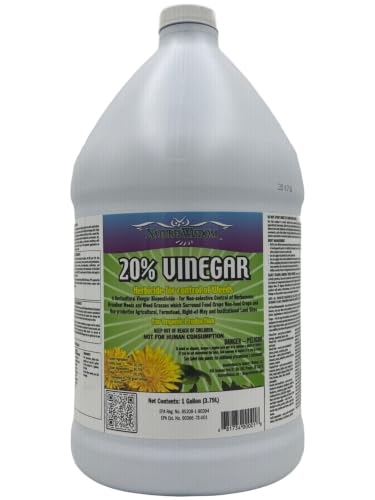
Vinegar Power Option
Natures Wisdom 20% Vinegar Weed & Grass Killer 1 Gallon
High-acidity organic burndown
Targeted driveway and walkway work
A Breakdown Of The Leading Choices
The 32-pound Fertilome bag is built for the homeowner who wants to treat a sizeable lawn in a single trip. Its 20-0-3 NPK ratio (the nitrogen-phosphorus-potassium numbers that tell you how concentrated a fertilizer is) feeds established turf while the active ingredient targets crabgrass and other annual grassy weeds before they break the soil surface. For most cool-season lawns, that dual-action approach saves a pass with a separate fertilizer spreader.
The label allows application up to four weeks later than some competing pre-emergents, which is a real advantage in regions where spring weather refuses to follow the calendar. If your lawn is roughly a quarter acre or larger, this is the bag most likely to finish the job without a refill run.
Real-World Strengths
- ✓Generous 32-pound bag handles larger residential lawns in one application
- ✓20-0-3 ratio feeds the lawn while blocking crabgrass seed germination
- ✓Extended application window forgives a late start to the season
- ✓Targets both annual grass and broadleaf weeds, reducing follow-up spot spraying
Points To Keep In Mind
- •Heavier bag requires a broadcast spreader for even coverage
- •Won’t help lawns where crabgrass has already emerged
- •Coverage rate varies by turf type, so reading the label saves wasted product
Key Product Details
| | Feature | Specification | Why It Matters |
|---|
| Bag Weight | 32 lbs | Covers larger lawns without a refill |
| NPK Ratio | 20-0-3 | Nitrogen-rich feeding with minimal phosphorus |
| Application Window | Up to 4 weeks later than competitors | Useful in unpredictable spring weather |
| Weed Targets | Annual grass and broadleaf weeds | Reduces need for separate products |
Who Will Love This
Homeowners with established warm or cool-season turf larger than a small city lot, especially in regions where spring arrives on its own schedule.
Reach For A Different Pick When
Jonathan Green 11591 Corn Gluten Fertilizer suits households with kids and pets who prefer a corn-derived approach over a synthetic pre-emergent.
The 16-pound Fertilome is the same 20-0-3 formula in a more manageable package. For someone with a modest front and back yard, hauling 32 pounds of product around is overkill, and this half-size bag avoids the leftover granules that have to be stored through summer. You get the same extended application window and broad-spectrum weed targeting as the larger sibling.
The trade-off is coverage. Depending on turf type, the 16-pounder may not finish a quarter-acre lawn in one pass, but it rarely over-feeds a small property. In most suburban settings, the math works out cleanly.
What Helps Most
- ✓Lighter bag is easier to carry and pour without spilling
- ✓Same 20-0-3 feeding and crabgrass suppression as the 32-pound version
- ✓Less wasted product for yards under 5,000 square feet
Some Limits To Know
- •Coverage may run short on larger lawns, requiring a second purchase
- •Synthetic pre-emergent is not a fit for those seeking strictly organic methods
Who Should Grab It
First-time applicators with smaller lawns who want predictable results without committing to a heavy bag they might store for months.
Swap It Out When
The Andersons Barricade 50 lb Bag is a smarter pick for properties pushing past 10,000 square feet, where coverage economy matters more than bag weight.
The Andersons Barricade has long been the turf-care professional’s quiet favorite. Its 0.48% prodiamine concentration (a synthetic pre-emergent herbicide that disrupts weed seed root development) is engineered to stop more than 30 grassy and broadleaf weeds, and the brand’s reputation for consistent particle size means a broadcast spreader lays it down evenly. For anyone managing a half acre or more, that consistency is the difference between a clean spring and patchy breakthrough.
Unlike the Fertilome options above, this bag carries no fertilizer. You are buying pure weed prevention, which means pairing it with a separate spring feeding if your lawn needs nutrition. The window for application is the standard early-spring and fall slot, so timing matters more than flexibility here.
Practical Advantages
- ✓Pro-grade 0.48% prodiamine tackles over 30 weed species
- ✓Trusted by turf professionals for predictable performance
- ✓50-pound bag covers large properties without multiple purchases
- ✓Does not harm desirable plants when applied to established turf
Practical Considerations
- •No fertilizer component means a separate feeding is required for hungry lawns
- •Restricted to early spring and fall application windows
- •Existing weeds will not be eliminated, only future germination blocked
- •Heaviest bag in the lineup, harder to handle for one person
Feature Snapshot
| | Feature | Specification | Why It Matters |
|---|
| Active Ingredient | Prodiamine 0.48% | Proven pre-emergent chemistry |
| Bag Weight | 50 lbs | Designed for expansive turf |
| Weeds Prevented | 30+ grass and broadleaf species | Broad-spectrum protection |
| Application Timing | Early spring and fall only | Strict seasonal window |
Right Fit For
Property owners with large, established lawns who already follow a separate fertility program and want a no-nonsense weed barrier.
Where A Sibling Pick Shines
The Andersons 18-0-4 Barricade Fertilizer 5,000 sq ft 18 lbs adds fertilizer to the same active ingredient, suiting homeowners who want one-pass convenience.
Natural Armor sits in a different category than the granular options above. This is a post-emergent spray, meaning it works on weeds that have already sprouted, not as a pre-emergent barrier. The formula skips glyphosate (the active ingredient in many synthetic herbicides) and arrives ready to spray with no mixing required. For someone targeting weeds popping up around garden beds, fence lines, or driveway cracks, that convenience matters.
Four one-gallon refills give a homeowner enough volume to handle a season of spot treatments without repackaging. The trade-off is that it kills what is actively growing rather than preventing the next wave, so timing and technique drive the results.
The Good Stuff
- ✓Glyphosate-free formula appeals to organic-minded gardeners
- ✓Ready-to-use spray cuts out measuring and mixing
- ✓Four-gallon case covers a full season of spot work
- ✓Suitable for flower bed perimeters, walkways, and driveway edges
Honest Caveats
- •Post-emergent action only; does not prevent future germination
- •Spray format requires careful application to protect nearby plants
Best Suited To
Gardeners maintaining landscape beds and hardscape edges who want to control emerged weeds without a synthetic herbicide.
Where Another Pick Suits Better
The Andersons Barricade 50 lb Bag is the right call for whole-lawn prevention, while this Natural Armor case works best as a complement, not a replacement.
The 18-pound Andersons bag combines the 0.426% prodiamine pre-emergent from the larger professional bag with an 18-0-4 fertilizer blend. For a mid-size lawn around 5,000 square feet, that combination is the sweet spot. You feed the turf and block weeds in a single pass, and the brand’s DG Technology (a dispersible granule process that breaks particles down quickly for even coverage) helps the prill melt into the soil without leaving visible residue.
This is the bag that bridges the gap between the plain Barricade 50-pounder and a dedicated spring fertilizer. Compared to the Fertilome 20-0-3 options earlier, the nitrogen source is similar but the weed-control chemistry comes from a different family, which can matter for lawns that have shown sensitivity to one ingredient.
Where It Delivers
- ✓One-pass feeding and weed prevention saves a spreader trip
- ✓Targets 30+ weeds including crabgrass, poa annua, and henbit
- ✓DG granule technology promotes even soil distribution
- ✓Right-sized bag for typical suburban lots
Potential Drawbacks
- •Existing weeds are not eliminated, only future germination stopped
- •Application window is restricted to early spring and fall
- •Storage of an opened bag requires a dry, sealed container
Feature Rundown
| | Feature | Specification | Why It Matters |
|---|
| Coverage | 5,000 sq ft | Matches typical small-to-mid lawns |
| Active Ingredient | Prodiamine 0.426% | Professional-grade prevention |
| NPK Ratio | 18-0-4 | Feeds without excess phosphorus |
| Bag Weight | 18 lbs | Manageable for one person |
Made For
Homeowners with mid-size lawns who want to combine spring feeding and weed prevention in a single broadcast application.
Not Your Match When
Fertilome (11910) Crabgrass Preventer 32 lbs fits larger properties where one bag must cover the whole lawn without a refill.
Step up to 10,000 square feet of coverage and the formula is identical to the 18-pound sibling, just in a 40-pound bag. The same 0.426% prodiamine and 18-0-4 NPK ratio handle crabgrass, poa annua, goosegrass, and henbit before they sprout. For property managers or homeowners with an acre or more, this is the bag that finishes the job without juggling two containers in the garage.
Compared to the bare Barricade 50-pounder reviewed earlier, you trade a pure weed-control focus for a combined feed. If your lawn already gets plenty of nitrogen, the split approach might be smarter. For most warm-season Bermuda or zoysia lawns, the 18-0-4 works well as a one-and-done spring treatment.
The Upside
- ✓Covers up to 10,000 square feet in a single bag
- ✓Combines fertilizer and pre-emergent for fewer spreader passes
- ✓Same broad weed list as the smaller Andersons option
- ✓DG granule format reduces cleanup and clumping
A Few Limitations
- •40-pound bag is heavy to pour solo
- •Restricted to early spring and fall timing
The Right Fit
Property owners with expansive turf who want the convenience of a single-bag treatment combining feeding and crabgrass control.
Skip It When
The Andersons 18-0-4 Barricade Fertilizer 5,000 sq ft 18 lbs is easier to handle for lawns under half an acre, where the smaller bag avoids storage headaches.
Jonathan Green’s corn gluten meal fertilizer is the entry on this list most gardeners would call truly organic. Corn gluten is a natural by-product of corn processing that releases nitrogen slowly while inhibiting the root development of germinating weed seeds. The 10-0-2 ratio is gentler than the synthetic blends above, which fits households where kids and pets are part of the lawn-care equation.
The catch with corn gluten is that results take longer to appear and require consistent seasonal use, typically two applications per year for a few years running. If you are transitioning a lawn away from synthetic inputs, you may find the patience pays off in deeper greening and fewer breakthrough weeds over time.
Positive Takeaways
- ✓Corn-derived formula is safe around children and pets
- ✓Slow-release nitrogen feeds gently without surge growth
- ✓15-pound bag covers 5,000 square feet per application
- ✓Can be applied in flower beds and planting areas too
Things To Consider
- •Pre-emergent effect is milder than synthetic prodiamine options
- •Multiple seasons of use typically needed for full benefit
- •Not the strongest choice for severe crabgrass pressure
Who Will Love This
Families with children and pets, or gardeners committed to organic lawn care, willing to invest in a multi-season approach.
Look Elsewhere When
Fertilome (11910) Crabgrass Preventer 32 lbs is a better match for lawns facing heavy crabgrass pressure that needs reliable first-year control.
Natures Wisdom takes a different approach to organic weed control, using a 20% acetic acid solution (essentially a food-grade vinegar concentrate at herbicidal strength) instead of corn gluten or synthetic chemistry. Higher-concentration vinegars like this one desiccate plant tissue on contact, which makes it a post-emergent tool rather than a pre-emergent barrier. For weeds in sidewalk cracks, gravel paths, and along fence lines, that direct burndown works quickly.
Compared to the Natural Armor spray reviewed earlier, this formula is more concentrated and ready to dilute or apply at full strength depending on the job. You trade convenience for potency, and the trade-off suits gardeners who already own a sprayer and want a strong organic knockdown.
Notable Gains
- ✓20% acetic acid delivers fast visible results on emerged weeds
- ✓Glyphosate-free formula aligns with organic gardening principles
- ✓Works on a wide range of broadleaf and grass weeds
- ✓One-gallon container offers good value for repeat spot treatments
Where It May Fall Short
- •Post-emergent only; will not prevent future germination
- •High acetic acid can irritate skin and damage nearby desirable plants on contact
- •Not a substitute for true pre-emergent products in this category
Perfect Match For
Gardeners who already practice pre-emergent prevention and need a potent organic spot spray for weeds that slip through.
Consider Something Else When
Jonathan Green 11591 Corn Gluten Fertilizer is the better pre-emergent fit for organic-focused households who want prevention rather than burndown.
Matching Pre-Emergents To Your Lawn Goals
Choosing an organic or organic-friendly pre-emergent comes down to three questions: how big is the lawn, how severe is the weed pressure, and how strict are you about synthetic ingredients. Granular prodiamine products like The Andersons Barricade deliver the most reliable first-year crabgrass control, while corn gluten options like Jonathan Green 11591 trade speed for a fully organic profile and family-safe application.
Reading The NPK And Active Ingredient
The three numbers on any fertilizer bag (NPK) tell you the percentage of nitrogen, phosphorus, and potassium by weight. For spring pre-emergent applications, nitrogen-rich blends with low or zero phosphorus support leaf growth without overloading the soil. The active ingredient matters too: prodiamine blocks seed germination by inhibiting root development in emerging seedlings, while corn gluten works more gradually by interfering with seed-to-seedling transition over repeated applications.
Matching Format To Lawn Size
Granular products spread easily with a broadcast or drop spreader and suit lawns of any size, though bag weight climbs fast for larger properties. Liquid sprays handle spot work and hardscape edges but rarely cover a whole lawn efficiently. For properties over 5,000 square feet, granular is almost always the practical choice, and bag size should match the square footage rather than force a refill mid-application.
Timing And Reapplication
Most pre-emergent products work best when applied before weed seeds germinate, which means early spring for crabgrass and a second fall application for winter annuals. Soil temperature matters more than calendar date, and a simple soil thermometer removes the guesswork. Skipping the second application often allows fall-germinating weeds to establish before spring growth resumes.
Key Considerations Across These Picks
Mistakes Worth Dodging
A common slip-up is applying pre-emergent to a lawn that already has visible crabgrass. These products only stop seed germination, so existing weeds need a post-emergent treatment first or a manual pull. Another trap is skipping the second fall application, which leaves winter annuals like poa annua free to establish. Reading the label’s square-footage rate is also worth the five minutes, since under-application creates patchy breakthrough and over-application wastes product without adding control.
What Separates Premium From Basic
Higher-tier bags in this category typically deliver pro-grade active ingredient concentrations, larger coverage, and dual-action formulas that combine feeding with prevention. The Andersons Barricade line is a good example: you pay for consistency in particle size and reliable performance across a broader weed list. The honest read is that the upgrade makes the most sense for larger lawns where application efficiency and broad-spectrum coverage matter, while smaller yards can do just fine with a value-tier Fertilome or corn gluten option.
Frequently Asked Questions
QWhat Is An Organic Pre-Emergent?
An organic pre-emergent uses naturally derived ingredients like corn gluten meal to suppress weed seed germination, rather than synthetic chemicals. Most work more gradually than their synthetic counterparts and often require multiple seasons for full effect.
QWhen Should Pre-Emergents Be Applied?
For crabgrass and most summer annuals, apply in early spring before soil temperatures reach 55 degrees Fahrenheit consistently. A second fall application targets winter annuals like poa annua and henbit.
QCan Pre-Emergents Harm Existing Lawns?
When used as directed, pre-emergents are safe for established cool and warm-season turfgrasses. They should not be applied to newly seeded lawns, since the same germination-inhibiting action can stop grass seed from establishing.
QHow Long Does A Pre-Emergent Last?
Most granular pre-emergents provide control for two to four months after application. Fall and spring treatments together typically cover the full growing season for annual weeds in most regions.
QIs Corn Gluten As Effective As Synthetic Pre-Emergents?
Corn gluten meal is generally less potent than synthetic options like prodiamine and works best as part of a multi-year organic lawn-care program. For severe crabgrass pressure or first-year lawn restoration, a synthetic pre-emergent usually delivers faster, more reliable results.
Closing Remarks
The right pre-emergent depends on lawn size, weed pressure, and how strictly you define “organic.” A small yard with light crabgrass pressure can lean on corn gluten over time, while a half acre with serious weed history benefits from a prodiamine-based granular product applied at the right soil temperature. Match the product to your conditions, and the rest of the season gets noticeably easier.


