

Growing your own food feels different when the variety, source, and growing style actually match your garden. Backyard plots, raised beds, and patio containers each respond differently to seed potatoes chosen for flavor, storage, or early harvest. After sorting through options for spring planting, these eight picks cover the most common organic-style home growing goals: red skins, golden flesh, baking russets, buttery heirlooms, and disease-resistant workhorses.
An Overview Of The Picks

Axel’s Garden Seeds Rainbow Carrot Seeds 750 Seed Packet

365 by Whole Foods Organic Yellow Potatoes

Dutch Valley Growers Russet Seed Potatoes

Simply Seed Kennebec Potatoes 5 LBS
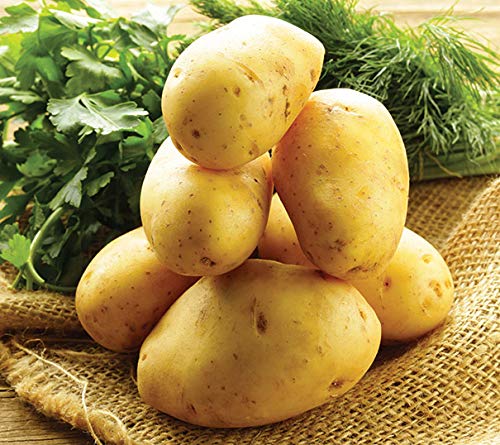
Simply Seed German Butterball Seed Potatoes 3 LB

Simply Seed Irish Cobbler Potato Seed 5 LB

Simply Seed Red Norland Certified Seed Potatoes 5 LBS

Gurney’s Red Pontiac Seed Potato 2-lb Bag
Meet The Standout Selections
Potato beds rarely stand alone, and the Axel’s Garden Seeds Rainbow Carrot packet slots neatly beside any of the seed-potato picks below. The heirloom blend covers a spectrum of root colors, which gives interplanted rows a visual lift and a useful spread of harvest dates across the season. In a small kitchen garden, that means you can dig young carrots while your potatoes are still bulking underground.
For most backyards, the 750-seed count is generous without becoming wasteful. Loose, well-drained soil is the only real cultural ask, which mirrors the conditions that potatoes enjoy. The packet format also travels well if you share starts with gardening neighbors.
Good Reasons To Consider
- Multi-color roots in one packet spread harvest windows across the season.
- Heirloom genetics add visual interest to raised beds and kitchen borders.
- Compatible soil preferences make it a natural pairing with potato rows.
- Makes a thoughtful, useful gift for new gardeners building out plots.
Points To Keep In Mind
- Carrots demand patience; thin seedlings early to avoid forked roots in heavier ground.
- Rainbow mixes can vary in germination, so oversow and thin later.
Whose Shelf It Belongs On
Home gardeners planning a mixed kitchen bed who want color alongside their potato harvest will get the most from this packet.
Swap It Out When
Potato-focused gardeners working a tight bed should skip this in favor of the Dutch Valley Growers Russet Seed Potatoes, which dedicates every square foot to the main crop.
The 365 by Whole Foods Organic Yellow Potatoes arrive as a 48-ounce grocery item rather than a growable tuber. That matters for anyone mixing pantry stocking with garden planning, since you can compare the flavor profile of a finished yellow potato against the seed varieties you might plant next season. Waxy yellows hold their shape after cooking, which suits potato salads, gratins, and breakfast hashes.
For most kitchens, the format is straightforward: wash, cook, season. The product is selected and stored fresh, so storage life depends mostly on your pantry conditions rather than anything unusual about the packaging.
A Few Highlights
- Waxy flesh holds shape through boiling and slicing for salads.
- Organic sourcing aligns with home-garden values.
- 48-ounce size covers a week of side dishes for small households.
- Works as a flavor reference point when trialing yellow seed varieties.
Worth Noting
- These are table potatoes, not seed stock, so they cannot be planted for a crop.
- Wash thoroughly before cooking to remove any packing residue.
Made For
Home cooks who want a ready-to-use organic yellow potato on hand while they decide which seed variety to grow next season.
Reach For A Different Pick When
Gardeners who actually want to plant should choose Simply Seed Kennebec Potatoes, which provides certified seed tubers instead of table stock.
The Dutch Valley Growers Russet reads like the workhorse of the list. You get an extra-large variety with a hearty skin, the kind that bakes up fluffy in the middle and crisps at the edges. Compared to the smaller specialty picks further down, this one is built for sheer volume from a standard row.
If your soil leans toward a well-tilled, slightly acidic loam (the kind most seed potatoes ask for), you’ll get the classic russet result. Gardeners dealing with clay or compacted ground may need to amend more aggressively before planting.
What Earns Its Place
- Hearty skin holds up to baking, fries, and long storage.
- Generous tuber size supports larger harvests per row.
- Non-GMO stock fits organic-leaning gardening plans.
- Familiar flavor profile suits traditional recipes.
Trade-Offs To Consider
- Needs full sun and well-drained soil, so pick your bed carefully.
- Early-season frost protection is required when plants are young.
- Russets demand more space than smaller salad-type varieties.
Best Suited To
Bakers and fry-makers with a sunny, well-prepared bed who want a familiar russet harvest without specialty fuss.
Look Elsewhere When
Growers working heavy or clay-heavy soil will find the Gurney’s Red Pontiac Seed Potato a more forgiving alternative.
The Simply Seed Kennebec arrives as five pounds of hand-selected tubers, American-grown and marketed as fresh seed stock. Kennebec is one of those quiet performers that does many jobs in the kitchen, from boil-and-mash to a clean fry. In a home garden, that flexibility is a real asset.
For most family gardeners, the midseason maturity window of roughly 70 to 90 days keeps things tidy. You plant in spring, hill as the season progresses, and harvest before the first hard frost. The variety also shows strong disease resistance, which matters in wetter climates where blight pressure runs high.
Notable Gains
- Hand-selected tubers improve sprouting consistency.
- Strong disease resistance reduces late-season losses.
- Versatile end use: bake, boil, fry, stew.
- American-grown sourcing supports shorter supply chains.
Soft Spots
- White flesh browns faster than yellow varieties when sliced raw.
- Midseason timing means a later harvest than early varieties.
Right Fit For
Family cooks who want one potato that handles both weeknight mashes and weekend fries without swapping varieties.
Another Choice May Suit
Gardeners chasing an earlier dig should consider the Simply Seed Irish Cobbler Potato Seed, which finishes ahead of midseason types.
The German Butterball earns its name on the plate. This is a russet-skin, yellow-flesh heirloom that tastes richer than the average supermarket spud, with a creamy texture that shines in purées and roasted potato dishes. The 3-pound pack is smaller than the Kennebec above, which makes sense for gardeners trialing a new flavor profile without overcommitting bed space.
In our view, hand-selected tubers packaged after an order is placed tend to arrive in better sprouting condition than bulk-bin stock. The variety also carries strong disease resistance, a quiet but meaningful feature when you’re rotating beds year after year.
Everyday Advantages
- Distinct buttery flavor rewards simple cooking methods.
- Yellow flesh holds color appeal on the plate.
- Compact 3-pound pack suits smaller plots or first trials.
- Strong disease resistance supports multi-year rotation.
Less-Strong Areas
- Smaller pack size means fewer tubers for big row plantings.
- Heirloom flavor comes with less storage longevity than russet workhorses.
Best Suited To
Cooks chasing flavor over bulk, especially those who roast, mash, or pan-fry rather than deep-fry in volume.
A Better Fit Elsewhere
Gardeners focused on storage crops for winter eating should consider Dutch Valley Growers Russet Seed Potatoes for longer-keeping harvests.
Irish Cobbler is the early riser of the list. As an early-season variety, it finishes ahead of midseason types like the Kennebec above, which gives eager gardeners something to dig while the rest of the patch is still bulking up. The 5-pound pack is a healthy starting size for a single raised bed or a short row.
The knobby, irregular shape is part of the charm: these are old-style potatoes, not the uniform supermarket type. Cooks tend to appreciate the flavor in stews and gratins where the lumps melt into the dish.
Benefits That Matter
- Early maturity shortens the wait from planting to plate.
- Strong disease resistance aids in wetter spring conditions.
- Hand-selected stock improves sprouting reliability.
- Distinctive flavor profile works in traditional recipes.
Worth Bearing In Mind
- Irregular shapes require more peeling effort than smooth varieties.
- Early varieties generally store shorter than mid or late types.
Perfect Match For
Gardeners who want the earliest possible harvest and don’t mind a knobbier potato in exchange for that quick turnaround.
Skip It When
Long-term storage is the priority; Simply Seed Red Norland Certified Seed Potatoes stores more reliably through the winter months.
Red Norland is the classic red-skinned potato for home gardens, and this Simply Seed 5-pound pack lands as a dependable midseason producer. The tubers arrive with visible eyes and enough flesh to push sprouts quickly once soil warms. Raised and packed locally, the seed typically arrives in active condition.
You may find the thin red skins cook faster than russet types, so boil-and-slice applications like potato salad work beautifully. The variety also resists several common potato diseases, which helps when you’re rotating beds or replanting the same patch in successive seasons.
Everyday Wins
- Red skins add color contrast to plates and salads.
- Strong disease resistance supports repeat planting.
- Midseason timing bridges early and late varieties.
- Locally packed seed arrives in sprouting-ready condition.
Trade-Offs To Consider
- Thinner skins mean shorter storage than thick-skinned russets.
- Best results require hilling soil up around stems as plants grow.
Who Should Grab It
Salad makers and home cooks who prize thin red skins over thick russet jackets and want a reliable midseason dig.
Where A Sibling Pick Shines
Gardeners who want the deepest red color and a later dig should compare with Gurney’s Red Pontiac Seed Potato for a related but later red-skinned option.
The Gurney’s Red Pontiac rounds out the list as a long-time garden classic. Red-skinned with crisp white flesh and shallow eyes, this is a mashing potato that holds up well across cooking methods. The thin red skins also make it attractive to harvest as new potatoes if you want to dig early.
Assuming you live outside the shipping restrictions, the 2-pound bag suits smaller plots or first-time trial beds. The variety also performs well in heavy soils where thinner-skinned types struggle, which opens it up to gardeners with less-than-ideal ground conditions.
Well-Handled Touches
- Performs reliably in heavy or clay-leaning soils.
- Shallow eyes speed peeling and prep work.
- Versatile for mashing, boiling, and new-potato harvests.
- Trusted home-garden pedigree across many seasons.
Honest Caveats
- Cannot ship to ID, ME, MT, or NE due to agricultural restrictions.
- Smaller bag size means fewer tubers for large row plantings.
Who It Suits Best
Home gardeners dealing with heavier soils or shorter growing windows who want a forgiving red-skinned classic.
Not Your Match When
Growers in restricted shipping states should pick Simply Seed Red Norland Certified Seed Potatoes, which ships more broadly.
What Matters Before You Choose Seed Potatoes
Matching Variety To Soil And Season
Potatoes reward gardeners who match variety to local conditions rather than chasing a favorite flavor alone. Early-season types like Irish Cobbler finish in cool soil and short summers, while midseason and late-season picks need a longer stretch of warm weather to size up properly. Soil texture matters just as much: russets prefer loose, well-drained loam, while Red Pontiac tolerates heavier clay. Soil pH is the dial most home gardeners miss, with a slightly acidic range around 5.8 to 6.5 producing the cleanest results. Pull a basic soil test before planting and adjust with lime or sulfur as needed rather than guessing.
Tuber Size And Cut Seed Strategy
Whole small seed potatoes tend to outperform cut pieces in home gardens because they hold more stored energy for the first sprouts. Larger tubers can be cut into egg-sized pieces with at least two eyes each, then allowed to cure for a day or two before planting so the cut surfaces dry. Spacing also shapes yield: wider spacing gives fewer but larger potatoes, closer spacing gives more small new potatoes. Pick your spacing based on whether you want bakers or salads.
Disease Resistance And Rotation
Potatoes share pests and diseases with tomatoes, peppers, and eggplant, so rotating out of the nightshade plot for at least three years reduces buildup of soil-borne issues like scab and blight. Varieties with strong disease resistance (Kennebec, Red Norland, German Butterball) take some pressure off rotation but don’t replace it. For most home gardens, certified seed stock matters because it arrives inspected for the worst viruses, which is something saved tubers from last year’s harvest can quietly carry.
Storage And End Use
Think about how you’ll actually use the harvest before you commit to a variety. Waxy yellow potatoes and red-skinned types shine in salads and gratins, while russets dominate baking and frying. If long winter storage is a goal, thick-skinned late-season russets hold longer than thin-skinned early reds. Matching variety to kitchen outcome is the single biggest factor in feeling satisfied with the harvest.
Common Slip-Ups Worth Dodging
Pitfalls Shoppers Hit
Buying table potatoes from the grocery shelf and planting them is the most common first-timer mistake. Table stock is often treated to suppress sprouting, and even when it does sprout, it usually carries viruses that drag down yields. Certified seed stock from a known seller arrives inspected, vigorous, and labeled for the current growing season. Skip the supermarket shortcut.
Planting too early in cold, wet soil is the second frequent miss. Seed potatoes sit and rot in ground below roughly 45°F, so waiting until the soil has dried and warmed pays off more than rushing the calendar. A simple test: squeeze a handful of soil. If it holds its shape and weeps water, wait another week.
Where Shoppers Go Wrong
Overlooking shipping restrictions on certain varieties can leave a cart full of seed that never arrives. Gurney’s Red Pontiac, for example, cannot ship to ID, ME, MT, or NE. Check the seller’s shipping policy before ordering, especially if you’re gifting seed to a relative in another state.
Finally, skipping soil prep shows up later as a disappointing harvest. Potatoes ask for loose, well-drained soil with compost worked in. A 10-minute job of loosening the bed and adding organic matter pays back many times over once the tubers start sizing up.
Frequently Asked Questions
How many pounds of seed potatoes do I need per row?
A general rule is about 1 to 1.5 pounds of seed potatoes per 10 feet of row when pieces are spaced 12 inches apart. Whole small tubers use slightly more by weight but save cutting and curing time.
Can I plant potatoes from the grocery store?
Grocery potatoes often sprout inhibitors and may carry viruses that reduce yield. Certified seed stock is the safer choice for a reliable harvest.
When should I plant seed potatoes in spring?
Plant once soil temperatures reach about 45°F and the ground is workable, typically a few weeks before the last expected frost in most regions. Early planting in cold wet soil invites rot.
Do potatoes need full sun?
Yes, potatoes perform best with at least six to eight hours of direct sunlight per day. Shaded plots produce leggy plants and small tubers.
How long until harvest?
Early varieties mature in roughly 70 to 90 days, while midseason and late types run 90 to 120 days. Days to maturity are usually listed on the seller’s product page.
Closing Thoughts
The right seed potato depends less on the brand on the bag and more on what your soil, season, and kitchen actually need. Match variety to climate first, then to end use, and you’ll likely end up happy with whatever sprouts from the row.
