

Starting seeds indoors gives you a long head start on the growing season, but the medium you sow into shapes everything from germination speed to root strength. Gardeners who want organic inputs have more choices than ever, ranging from compressed coir bricks and ready-to-use peat blends to compost-based mixes and pre-formed pellets. This lineup covers the formats, textures, and ingredient profiles that actually matter when you want clean, organic results on a windowsill, in a basement tent, or under a simple shop light.
A Closer Look At The Lineup

MODELLOR Coco Coir Bricks (4-Pack, 5 lb)

Jiffy Natural & Organic Seed Starting Mix 10 QT

Supreme Perlite Coarse Horticultural Soil Amendment 4 Cu Ft
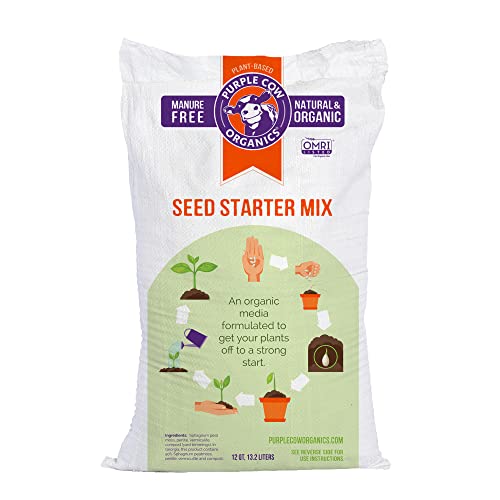
Purple Cow Organics Seed Starter 12 Quart Bag

Jiffy Natural & Organic Starter Mix 12 Quart
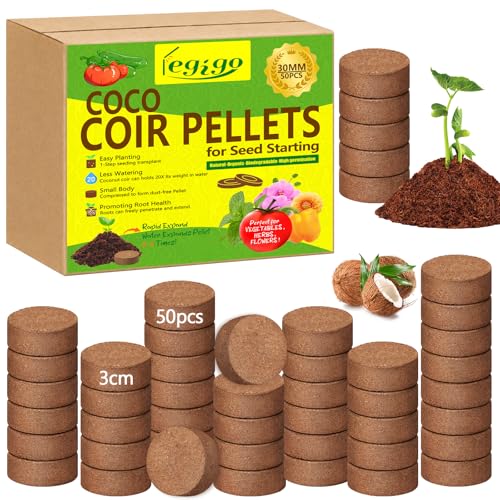
Legigo 50 Pcs 30mm Coco Coir Pellets

Wonder Soil 100 Organic Seed Starter Pellets

Omitgoter Organic Seed Starter Soil and Potting Mix 1qt
The Strengths Of Each Pick
If you start seeds indoors in any volume, MODELLOR’s compressed bricks earn their spot on the shelf by solving one stubborn problem: storage. Four bricks totaling 5 lb arrive in a box the size of a shoebox, yet expand into roughly 9 gallons (36 quarts) of fluffy medium once you add water. The coir is washed to lower the salt content that can otherwise burn young roots, and the pH is balanced out of the package so you can sow right away.
Compared to the Jiffy mixes coming up next, this format trades convenience for value. You hydrate only what you need, which keeps unused coir dry and pathogen-free in the bag. Gardeners running multiple trays through a long spring, or anyone with limited closet space, will appreciate how little room four bricks take between sowings.
Where It Helps
- Expands to roughly 9 gallons from 5 lb of compressed brick, which stretches across many seed trays.
- Triple-washed, low-EC coir reduces the salt load that can stall germination in cheaper coir products.
- Shelf-stable dry format stays clean and ready to hydrate when you need it, with no risk of a damp bag molding in storage.
- Reusable as a soil conditioner after the seedling stage, which adds value beyond a single sowing.
Things To Consider
- Requires a bucket, water, and a few minutes of soaking and fluffing before each tray is filled.
- Coir on its own carries little nutrition, so seedlings will need a diluted feed once true leaves appear.
Who It Suits Best
Organized gardeners who plan multiple sowings from late winter through mid-spring and want a low-waste bulk format.
Consider Something Else When
Casual starters who only need a single tray should look at the Jiffy Natural & Organic Seed Starting Mix 10 QT instead.
Jiffy’s classic seed starting mix is the kind of bag you tear open and pour straight into a cell tray. The blend leans on peat moss for water retention, vermiculite for drainage and aeration, and a touch of lime to keep the pH in a range that suits sprouting seeds. Peat, in this context, is a partially decomposed sphagnum that holds many times its weight in water while still letting air reach tender roots.
For first-timers, the appeal is straightforward: no measuring, no soaking, no supplements needed for the first couple of weeks. The 10-quart bag fills roughly two standard 72-cell trays, which covers a typical backyard vegetable lineup without much fuss. If you want a known quantity and a forgiving medium while you’re still learning watering rhythms, this is a sensible starting point.
The Value In It
- Ready to use straight from the bag, which removes setup friction for new gardeners.
- Peat moss holds water around roots during the critical first week, reducing the risk of drying out.
- Vermiculite particles keep the texture loose, helping tiny roots push through without resistance.
- Lime is included to balance acidity, which protects seedlings sensitive to low pH.
Honest Caveats
- Peat-based mixes dry out faster than coir once they pass the halfway mark, so check trays daily under warm lights.
- 10 quarts is enough for one solid round of sowing but runs short if you succession-plant several rounds.
- Wet peat can crust over the surface, so a gentle mist after sowing keeps the cap from sealing.
Quick Facts
Made For
First-time indoor sowers who want a forgiving, pre-mixed bag they can open and pour without any extra steps.
Where Another Pick Suits Better
Seed savers with large heirloom collections will get more mileage from the larger Jiffy Natural & Organic Starter Mix 12 Quart.
Perlite is the white, porous volcanic rock you see mixed into nursery bags, and this 4 cubic foot bag from Supreme Perlite is the coarse grade. The particles measure around half an inch or larger, which makes them a heavy-duty amendment rather than a fine filler. Perlite itself is a heated and expanded volcanic mineral that holds a small amount of water on its surface while letting excess drain freely.
Think of this bag as a tool rather than a finished medium. Mixing coarse perlite into a peat or coir base opens up air pockets, which prevents the root-rot problems that come with compacted seedling trays. Hydroponic growers also use it as a standalone propagation medium because the particles are inert and stable.
Bright Spots
- Coarse grade particles create lasting air pockets that prevent compaction in trays and small pots.
- Inert and sterile, so it won’t introduce fungi or weed seeds into a clean seedling environment.
- Versatile across seed starting, propagation, and hydroponic uses in the same bag.
- 4 cubic feet covers a long stretch of mixing, even at a 30 percent blend rate.
Trade Offs
- Dusty when dry, so dampen the perlite with a mist before pouring to keep airborne particles down.
- Not a standalone growing medium for most crops, which means you’ll still need a base mix on hand.
- Light particles float to the top of a tray when you bottom-water, leaving a crust over time.
Best Suited To
DIY mixers and hydroponic hobbyists who want to customize drainage and aeration in their own blends.
Skip It When
You’d rather pour a ready-to-use bag, in which case the Purple Cow Organics Seed Starter 12 Quart Bag is a better direct fit.
Purple Cow Organics builds this mix around its Activated Compost, which sets it apart from the peat-and-coir blends elsewhere on this list. Compost-based media bring natural fertility into the tray, and Purple Cow includes enough nutrition to feed seedlings for up to 45 days before supplemental feeding kicks in. For gardeners who want organic inputs without leaning on liquid fertilizer from day one, that built-in charge is meaningful.
The texture works well in both standard cell trays and soil blockers, so you can move away from plastic if you prefer. Transplant shock stays low because roots slide out of a lighter, crumblier medium more easily than they slide out of dense peat. Heavier feeders like tomatoes and peppers tend to respond well to the early compost nutrition.
Useful Strengths
- Compost-based formula feeds seedlings for up to 45 days without supplemental fertilizer.
- Ready to use right from the bag, fitting both plastic cell trays and soil-blocking setups.
- Activated compost supports strong root branching, which helps seedlings handle transplanting.
- Works for indoor gardens, raised beds, and direct transplanting without re-blending.
Worth Noting
- Compost particles can vary in size, so a quick sift helps if you fill very small cells.
- The richer medium holds more moisture than straight peat, so adjust watering for slower-drying trays.
Feature Snapshot
Right Fit For
Gardeners who prefer organic compost fertility over peat and want one bag that handles both blocks and trays.
A Better Fit Elsewhere
Strict peat loyalists who want a classic Jiffy formula will be happier with the Jiffy Natural & Organic Starter Mix 12 Quart.
The 12-quart Jiffy offering follows the same family playbook as the 10-quart version, with Canadian sphagnum peat moss and a uniform nursery-grade blend. The extra two quarts cover a third tray, which makes a meaningful difference when you add up successive sowings of lettuce, brassicas, and herbs. Consistency is the real selling point: every handful feels the same, so watering behavior stays predictable from one tray to the next.
For growers running three or more standard trays per round, the larger bag reduces mid-season restocking. Seedlings root quickly because the texture stays loose and the peat retains moisture evenly across cells.
Good Reasons To Consider
- Nursery-grade formulation built around Canadian peat for steady root development.
- Uniform blend means cells dry at similar rates, which simplifies watering.
- 12-quart volume covers roughly three standard trays in a single purchase.
- Lightweight bag is easy to carry to a basement or garage grow setup.
Points To Note
- Peat-only nutrition means seedlings need a diluted feed once cotyledons give way to true leaves.
- Dry peat sheds water at first pour, so pre-moisten the bag for even absorption.
Who Should Grab It
Multi-tray sowers who want one bag that lasts through a full succession schedule without reordering.
Look Elsewhere When
Container gardeners who want a single bag for both starting and potting up should try the Omitgoter Organic Seed Starter Soil and Potting Mix 1qt.
Legigo’s 30mm pellets collapse the entire seed-starting workflow into a single step. Drop a dry puck into a tray cell, add warm water, and watch it expand into a self-contained growing pod roughly 1.2 inches across and half an inch tall. There’s no mixing bowl, no bag to reseal, and no loose medium to spill across the kitchen counter.
For small batches and classroom setups, this format is hard to beat. Each pellet becomes its own little pot, which means you can transplant the whole thing without disturbing the root ball. If you’ve ever lost seedlings to transplant shock, that convenience alone is worth considering.
Why It Works Well
- Pre-formed pellets expand in minutes, removing the mess of loose medium.
- Fifty pellets cover a small herb or flower garden in one sitting.
- Transplantable as a unit, which protects delicate root systems during potting up.
- Organic coco coir base fits cleanly into organic gardening routines.
Less Ideal Details
- Small pellet size constrains larger seedlings, so plan to pot up before true leaves crowd the cell.
- Coir alone offers little fertility, so seedlings benefit from a diluted feed once they sprout.
- Dry pellets store indefinitely but take up shelf space in their original packaging.
Whose Shelf It Belongs On
Small-batch growers and educators who want a clean, no-mess format for kitchen counters and classroom windowsills.
Reach For A Different Pick When
Heavier feeders like tomatoes need more nutrition up front, so the nutrient-loaded Wonder Soil 100 Organic Seed Starter Pellets make a stronger match.
Wonder Soil’s pellets stand out from plain coir discs by loading each one with organic amendments. Worm castings, mycorrhizae, and kelp are blended into the compressed coco coir, which is a meaningful step up from inert options. Mycorrhizae are beneficial fungi that form partnerships with plant roots, expanding the surface area available for nutrient uptake. The result is a self-contained pod that feeds seedlings for a longer stretch without extra fertilizer.
The pellet format still delivers the no-mess convenience Legigo offers, but the nutrient payload means you can stretch the period before potting up. Indoor growers running 100-pellet trays for a market garden or a school project will find this mix-rich version practical and time-saving.
The Good Stuff
- Pre-mixed organic nutrients feed seedlings for up to four months in the pellet stage.
- Mycorrhizal inoculant supports root development beyond what plain coir provides.
- Worm castings and kelp deliver gentle organic fertility suited to tender sprouts.
- One hundred pellets cover a full tray with room to spare for succession sowings.
Room For Improvement
- Loaded pellets carry a richer nutrient profile that can occasionally encourage algae on the surface in humid trays.
- Higher upfront cost per pellet compared to inert coir discs, though the built-in feed offsets some of that.
Key Product Details
Perfect Match For
Gardeners chasing faster germination who want organic nutrition built into each pellet rather than added later.
Not Your Match When
Budget-focused growers starting a single small tray will find the Legigo 50 Pcs 30mm Coco Coir Pellets a leaner entry point.
Omitgoter’s 1-quart blend covers the smallest projects on this list. The mix combines peat, coco coir, worm castings, perlite, and humus into a balanced medium that handles both seed starting and potting up small transplants. For a windowsill herb garden, a few pots of microgreens, or a child’s first seed-starting lesson, the small footprint removes the guesswork of storing a half-used bag.
Worm castings contribute gentle organic fertility, perlite keeps the texture from compacting, and the coco coir balances out the peat’s tendency to dry quickly. It’s the kind of mix you buy when you don’t need bulk but still want a thoughtful ingredient list.
Practical Advantages
- Compact 1-quart bag fits in a kitchen drawer between uses.
- Doubles as both seed starter and small-pot potting mix, reducing the number of bags to buy.
- Worm castings and humus provide gentle organic fertility from the start.
- Perlite content supports drainage in tight quarters where overwatering is a common risk.
Factors To Consider
- One quart fills only a handful of small cells, so larger sowings require multiple bags.
- Smaller bags dry out faster once opened, so plan to use the contents within a few weeks.
Spec Overview
Built With In Mind
Apartment gardeners and curious beginners who only need enough medium for a small herb or microgreens setup.
Swap It Out When
Multi-tray vegetable sowings will run through 1-quart bags too quickly, so the Jiffy Natural & Organic Starter Mix 12 Quart is a more practical fit.
What Matters Most Before Choosing Organic Seed Starting Mixes
Match The Format To Your Routine
Compressed bricks, ready-to-use bags, and pre-formed pellets each suit a different kind of gardener. Bricks reward you with bulk value and shelf stability but demand a bucket and a few minutes of prep. Ready-to-use bags trade convenience for storage weight. Pellets remove mess entirely but constrain cell size and total volume. Choosing the format that matches how you actually sow saves time every round.
Read The Ingredient List Before The Bag Size
Peat, coir, compost, and perlite each bring something different to the tray. Peat moss holds water but offers no nutrition. Coco coir balances moisture and aeration but also carries no fertility. Compost-based blends bring natural organic nutrition but can hold excess moisture. Coarse perlite is an amendment, not a medium on its own. A blend that pairs two or three of these ingredients tends to outperform any single-ingredient option for most seedlings.
Think About Storage Between Sowings
Small windowsill sowers need a bag that fits on a shelf and stays usable after opening. Larger setups benefit from compressed formats that hold their quality in dry storage. If you only sow once a season, a 10- or 12-quart bag makes sense. If you succession-plant every few weeks, a 4-pack of coir bricks or a 100-count of pellets keeps medium fresh between rounds.
Plan For Transplant Day
The medium you start in shapes how easily seedlings move into the garden. Loose, crumbly mixes slip out of cells with minimal root damage. Dense, compacted media can shear fine roots and stall growth after transplant. If you tend to hold seedlings longer than planned, choose a blend that stays loose and aerated for an extra week or two.
Key Considerations Across These Picks
Pitfalls Shoppers Hit
Many gardeners reach for the cheapest bag on the shelf and end up with a fine, dusty mix that compacts under daily watering. Coarse textures hold air around roots far longer, so resist the urge to grab whatever is lightest to carry home. Another common slip is treating peat and coir as interchangeable: peat dries from the top down while coir dries more evenly, so watering schedules have to match the medium, not the calendar.
What The Higher Tier Buys
Premium mixes earn their cost through ingredient quality and blend consistency. Compost-based options like Purple Cow Organics bring living fertility into the tray, which means seedlings can grow on a gentler nutrient curve. Pellet formats like Wonder Soil load organic amendments into each pod, reducing the number of feeding steps during the seedling stage. Paying more usually means less supplementing later, which is the real time savings for busy gardeners.
Frequently Asked Questions
Can I use organic seed starting mixes for vegetables?
Yes, organic seed starting mixes work well for most vegetables, herbs, and flowers. The key is matching the medium to the crop’s watering needs and choosing a blend with enough fertility or supplementing as seedlings develop true leaves.
How long do seedlings stay in a seed starting mix?
Most seedlings stay in a seed starting mix for four to eight weeks before transplanting. Compost-based blends extend that window because they carry built-in fertility, while peat or coir blends typically need supplemental feeding after three to four weeks.
Do I need to fertilize seedlings in an organic mix?
It depends on the blend. Compost-based mixes like Purple Cow Organics feed seedlings for up to 45 days, so supplemental fertilizer can wait. Plain peat or coir blends benefit from a diluted organic liquid feed once true leaves appear.
Is peat moss sustainable for seed starting?
Peat moss comes from sensitive bog ecosystems, so many organic gardeners choose coir-based alternatives for sustainability reasons. Coco coir is a byproduct of the coconut industry and offers similar water retention without the same environmental impact on peatlands.
Can I reuse seed starting mix from last season?
Reusing seed starting mix is risky because old medium can harbor pathogens and lose structure. Starting fresh each season protects seedlings from damping-off and other fungal issues that thrive in compacted, depleted media.
Wrap Up
The right organic seed starting mix comes down to your routine and your crops. Bulk sower? Lean toward the MODELLOR bricks or Jiffy’s 12-quart bag. First tray? The 10-quart Jiffy mix keeps things simple. Want a clean, no-mess setup? Wonder Soil or Legigo pellets handle the work without a mixing bowl. Pick the format that fits your space, and your seedlings will thank you all season long.
