

Growing vegetables organically starts with what fills the pot or the raised bed, and a poor soil choice quietly sabotages the whole season. The right organic mix feeds roots steadily, drains cleanly, and keeps soil life active without synthetic shortcuts. This roundup compares eight organic soils suited to vegetable gardens, from small indoor herb pots to full backyard beds, so you can match your setup to a bag that delivers.
A Fast Comparison Of The Options

Miracle-Gro Organic Indoor Potting Mix, 16 qt.

Doter Organic Potting Soil Mix 1 qt

Coast of Maine Tomatoes and Veggies 20qt

R&M Organics Compost Soil Amendment

Espoma Vegetable & Flower Garden Soil 1 cu ft
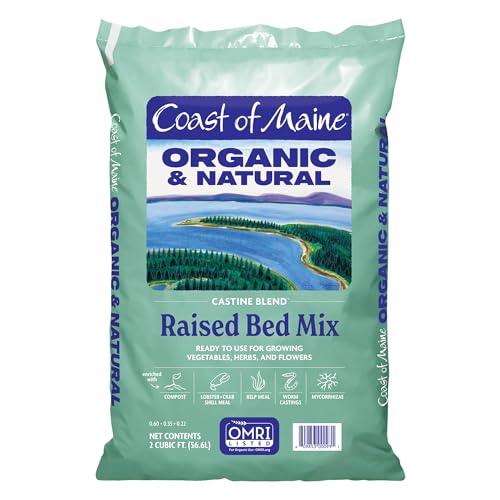
Coast of Maine Castine Blend Soil 2 cu ft

Useful Universe Organic Potting Mix 8 Quart

Espoma Vegetable & Flower Garden Soil Two Pack
Meet The Standout Selections
A kitchen gardener repotting herbs or trying leafy greens on a sunny sill will appreciate how forgiving this Miracle-Gro blend feels. The mix uses coconut coir, a fibrous material from coconut husks that holds air pockets and water, alongside sphagnum peat moss, a moisture-retentive moss harvested from bogs, both of which cushion tender roots against the dry indoor air. The bag also includes a quick-start natural fertilizer that gives seedlings a soft push without burning them. In practice, this matters for anyone who forgets a watering day and comes back to drooping basil.
For most home setups, the 16-quart volume is generous without being wasteful, and the texture stays light enough that small transplants slide in cleanly. It is a sensible starting point before graduating to the larger, outdoor-oriented mixes lower in this list.
Real-World Strengths
- Coil and peat moss combination buffers against missed waterings, a common pain point for indoor growers.
- Quick-start natural fertilizer softens the transplant shock that often stalls new vegetable starts.
- Light texture makes pot refills quick and keeps root balls from getting compacted.
- Wide availability means you can replace a bag mid-season without a special trip.
Things To Consider
- Designed for indoor containers, so a full outdoor raised bed would drain too quickly.
- The included fertilizer front-loads nutrients, so adding more early can throw off balance.
Who It Suits Best
Windowsill herb growers and anyone starting a small indoor vegetable garden on a bookshelf or counter will find this mix friendly and forgiving.
Where Another Pick Suits Better
Gardeners filling a full raised bed get more value from the Coast of Maine Castine Blend Soil, which is formulated for larger outdoor volumes.
The Doter 1-quart bag is built for the apartment gardener who only needs a handful of small pots. It blends peat moss, perlite (a volcanic mineral that looks like tiny white popcorn and keeps soil from clumping), coconut coir, and worm castings (nutrient-rich worm droppings that double as a gentle organic fertilizer). That combo gives small herb containers the airy structure they need without compacting after a few waterings. Compared with the larger Miracle-Gro bag above, this one trades volume for precision, and the trade-off pays off when you only have a balcony to fill.
For most beginners, the ingredient list reads like a friendly introduction to organic soil composition without overwhelming detail.
Features That Help
- Worm castings add a slow nutrient release that small herbs and salad greens appreciate.
- Perlite keeps the texture loose so seedlings can push roots through without resistance.
- The 1-quart size suits single-pot refreshes, ideal when only one container needs attention.
- All-indoor-or-outdoor flexibility means the same bag moves with the seasons.
Worth Noting
- A 1-quart bag covers only a few small pots, so a full herb collection would require multiple bags.
- Worm castings add a faint earthy smell that lingers in enclosed rooms.
- Smaller bags cost more per quart, which adds up quickly for larger projects.
Made For
Balcony gardeners and apartment dwellers running a small cluster of herb pots will appreciate the modest size and gentle ingredient list.
Skip It When
If you are filling a 4×8 raised bed, step up to the Espoma Vegetable & Flower Garden Soil Two Pack for the volume and value.
Tomatoes, peppers, and squash are heavy feeders that drain a bed of nutrients mid-season, and this Coast of Maine blend targets exactly that hunger. The compost-based formula is crafted specifically for vegetable gardens and organic growers, with a lightweight texture that keeps roots oxygenated in deeper beds. Versus the indoor-focused Miracle-Gro pick earlier, this one expects to live outdoors in real soil, real sun, and real weather. For most home gardeners running a backyard plot, that focus translates to fewer mid-season yellowing leaves on tomato plants.
Worth knowing: this blend works equally well for seeding, transplanting, and topping off existing beds.
Positive Points
- Specifically tuned for fruiting crops that demand steady nutrition through the season.
- Lightweight blend improves drainage in compacted backyard beds.
- Versatile across seeding, transplanting, and bed refreshes, saving shelf space.
Trade Offs
- The 20-quart bag is light, so covering a large in-ground bed requires multiple purchases.
- Higher compost content can dry out faster in mid-summer heat without mulch on top.
Feature Snapshot
Right Fit For
Backyard gardeners growing heavy-feeding crops like tomatoes, peppers, and squash in modest beds will find this blend purpose-built for the job.
A Better Fit Elsewhere
If your priority is a single raised bed with serious drainage, the Coast of Maine Castine Blend Soil adds biochar and mycorrhizae for stronger structure.
Older vegetable plots often look tired by mid-summer, and the R&M Organics compost is designed to refresh that depleted ground rather than fill a fresh container. Made from dairy cow manure composted into a soil-ready amendment, it works across vegetable gardens, fruit trees, flower beds, and lawns. Compared with the seed-starting-focused Doter bag earlier, this is more of a soil rehabilitator than a planting medium. Gardeners reviving a neglected bed or rebuilding after a heavy harvest benefit most.
The honest read is that this is a supplement, not a full standalone mix for containers.
Benefits That Matter
- Dairy compost base rebuilds organic matter in soil that has lost structure over seasons.
- Multi-use across vegetable plots, flower beds, and lawns reduces the need for separate products.
- Bulk amendment format makes it practical to spread across larger garden areas.
Honest Caveats
- It is an amendment, so seed-starting directly in this product without mixing will compact.
- Manure-based compost can carry a noticeable smell for the first few days after spreading.
Best Suited To
Long-time gardeners refreshing established beds and rebuilding tired native soil will find this amendment a practical workhorse.
Consider Something Else When
Container-only growers should look at the Miracle-Gro Organic Indoor Potting Mix, which arrives ready to plant without extra mixing.
The Espoma Vegetable & Flower Garden Soil is a long-standing choice for in-ground planting and transplanting, and it earns that reputation through consistent results. Earthworm castings enrich the blend, giving transplants a softer landing into native soil than plain topsoil would. Myco-tone, Espoma’s proprietary blend of mycorrhizae (beneficial fungi that attach to roots and extend their reach for water and nutrients), works quietly below the surface to expand root access. Compared with the lighter Coast of Maine Tomatoes and Veggies mix, this one is more of a soil-improver than a stand-alone growing medium.
For most backyard vegetable patches, one cubic foot blends easily into a freshly turned bed.
Real Benefits
- Earthworm castings enrich transplants with steady organic nutrition as they establish.
- Myco-tone mycorrhizae extend the effective root zone for better water and nutrient uptake.
- Blends cleanly with native soil without creating a sharp boundary that roots avoid.
Points To Note
- Single bag covers a small planting area, so larger beds need the two-pack version.
- Works best when mixed with existing soil rather than used as a pure container medium.
Feature Snapshot
Who Should Grab It
Home gardeners starting a backyard vegetable patch or refreshing an existing in-ground bed will find this a dependable, easy-to-blend soil builder.
Not Your Match When
Container-only growers running a balcony garden should consider the Miracle-Gro Organic Indoor Potting Mix for ready-to-use convenience.
Raised beds demand a richer foundation than native ground because they drain faster and lose nutrients quicker, and the Coast of Maine Castine Blend is engineered for exactly that job. Biochar, a charcoal-like material that holds moisture and nutrients in tiny pores, joins mycorrhizae, kelp meal, greensand (a mineral that slowly releases potassium and iron), and lobster and crab shell meal (a calcium-rich ingredient that also deters some pests). The list reads almost like a full meal for soil life. Compared with the single-ingredient Espoma mix above, this blend goes further in restoring micronutrients.
Most raised-bed builders will appreciate that the mix arrives ready to use with no blending required.
Everyday Wins
- Biochar improves water retention in fast-draining raised beds without waterlogging roots.
- Lobster and crab shell meal adds calcium that fruiting crops need for healthy development.
- Ready-to-use format skips the mixing step for new raised-bed builds.
- Mycorrhizae expand the effective root zone, which helps in confined bed spaces.
Room For Improvement
- The richer ingredient list carries a higher cost per cubic foot than simpler blends.
- Crab shell meal may attract digging critters in the first few weeks after filling.
Feature Snapshot
Perfect Match For
Raised-bed gardeners building a new bed from scratch or refreshing an old one will find this nutrient-dense blend worth the higher cost.
Reach For A Different Pick When
Backyard in-ground gardeners working with healthy native soil can save money with the Espoma Vegetable & Flower Garden Soil and skip the premium ingredient list.
First-time gardeners often hesitate at the cost of a large specialty bag, and the Useful Universe 8-quart organic mix lowers that barrier. Sized for a few containers rather than a full bed, it lets newcomers test organic gardening without overcommitting. Versus the larger, premium Coast of Maine Castine Blend, this one stays simple and approachable. The honest read is that you get fewer soil-enhancing additives, but enough organic matter to grow a decent herb cluster through one season.
For most curious beginners, the bag is a useful trial run.
A Few Highlights
- Smaller bag size keeps the upfront cost reasonable for newcomers.
- General-purpose mix suits herbs, flowers, and leafy vegetables in the same container cluster.
- Lightweight texture suits patio containers where bag weight matters during setup.
Less Ideal Details
- Modest ingredient list lacks the biochar or mycorrhizae found in higher-end options.
- An 8-quart bag runs short for raised beds, limiting versatility.
Whose Shelf It Belongs On
First-time container gardeners running a small herb or flower patio will find this bag an easy, low-risk starting point.
Where A Sibling Pick Shines
Once the basics click, the Coast of Maine Tomatoes and Veggies blend offers richer nutrition for fruiting crops in larger beds.
The two-pack version of the Espoma Vegetable & Flower Garden Soil doubles the volume for gardeners running more than one bed at a time. Same Myco-tone mycorrhizae blend, same earthworm castings, same transplant-friendly texture as the single bag reviewed earlier. What changes is the math: buying two cubic feet at once removes a second delivery and trims per-bag cost. Compared with the budget Useful Universe mix just above, this one trades a higher upfront spend for richer nutrition and a longer track record in backyard use.
For most multi-bed gardens, two cubic feet covers the spring transplanting season in one order.
What Works In Its Favor
- Larger total volume suits gardeners running two or more beds at once.
- Bulk format often costs less per cubic foot than buying single bags separately.
- Same Myco-tone blend supports root expansion across a wider planting area.
Soft Spots
- Two bags take up storage space before use, which matters in small sheds or garages.
- Heavier weight per order can be harder to move to a backyard bed in one trip.
Feature Snapshot
Built With In Mind
Backyard gardeners juggling two or three vegetable beds will appreciate the volume and the cost-per-cubic-foot savings.
Swap It Out When
Balcony growers with limited space should pick the Doter 1-quart bag instead, since two cubic feet is too much to store indoors.
What To Weigh Before Choosing Organic Soils For Vegetables
Match The Mix To Your Container, Not Just Your Crop
A bag that thrives in a raised bed can struggle in a 6-inch patio pot, and vice versa. Container growers benefit from blends with peat, coir, or perlite that hold structure without compacting. In-ground gardeners benefit from earthworm castings and mycorrhizae that extend native biology rather than replace it. Coast of Maine Castine Blend and Espoma Vegetable & Flower Garden Soil serve different ends of that spectrum, and choosing between them starts with where you plant, not what you plant.
Read The Ingredient Order, Not Just The Label
“Organic” appears on every bag here, but the actual ingredients tell the real story. Worm castings, kelp meal, and biochar signal a richer biological profile that supports long-season crops. A simple peat-and-perlite blend suits short-season herbs and lettuces but exhausts faster under tomatoes. Most vegetable gardeners get the best return by matching the ingredient depth to the feeding demand of the crop.
Volume Beats Price When Beds Are Big
A cheap small bag looks appealing until you stack four of them into a shopping cart. Two-pack formats like the Espoma two-bag option reduce per-cubic-foot cost and cut down on delivery churn. For raised beds larger than 4×4 feet, that math usually pushes toward the bigger volume options rather than the smaller entry-level bags.
Plan For The Season, Not Just The Planting Day
A bag with quick-start fertilizer gets seedlings moving but burns out by mid-summer. A bag with slow-release compost and minerals carries fruiting crops through the full season but feels quiet at the start. For most climates with long growing windows, the slow-release path pays off, especially for tomatoes, peppers, and squash that demand steady feeding past the first fruit set.
Key Considerations Across These Picks
Pitfalls Shoppers Hit
Reaching for the cheapest organic bag often leads to a sandy or overly peaty mix that dries out fast and lacks the minerals fruiting crops crave. Assuming any “garden soil” works in containers is another common slip, since in-ground mixes compact badly in pots. Skipping the ingredient list and trusting the front label alone usually means missing the biochar, castings, or mycorrhizae that justify a higher tier.
What The Higher Tier Buys
Premium blends like the Coast of Maine Castine Blend carry biochar, kelp meal, greensand, and crab shell meal, each addressing a specific gap in plain compost. Biochar alone extends the window between waterings in fast-draining raised beds. The upgrade pays off most for gardeners filling a new raised bed, growing heavy-feeding crops, or rebuilding soil that has lost structure over many seasons. Casual herb growers in small pots rarely need that depth.
Frequently Asked Questions
How often should organic vegetable soil be replaced?
Container soil benefits from a refresh each season because nutrients and structure deplete over time. In-ground beds hold up longer and may only need a top-dress of compost annually.
Can I mix different organic soils together?
Yes, blending an amendment-style product like R&M Organics Compost with a planting mix like Espoma Vegetable & Flower Garden Soil works well for building richer in-ground beds. Just match drainage expectations so the blend does not get too dense.
Is organic soil safe for edible vegetables?
The blends covered here use naturally derived ingredients like compost, worm castings, kelp meal, and biochar, which suit edible crops. For households with specific sensitivities, reviewing each ingredient list remains a sensible step.
Do raised beds need a different soil than in-ground gardens?
Raised beds drain faster and have less native biology, so blends with biochar and mycorrhizae, like the Coast of Maine Castine Blend, help more than they would in healthy in-ground soil.
What is the difference between a soil and an amendment?
A soil or potting mix is ready to plant into, while an amendment like R&M Organics Compost is meant to mix into existing soil to rebuild organic matter rather than serve as a standalone medium.
Closing Remarks
The best organic soil for your vegetables depends on where you plant, how much you grow, and how long your season runs. Match the bag to your setup, check the ingredient list beyond the front label, and give the mix a full season to show what it can do. A thoughtful choice at planting time pays back in every harvest that follows.
