

Growing fruit trees without harsh residues means relying on sprays that work with the ecosystem rather than against it. Whether you’re tending a backyard apple, a small citrus grove, or a row of stone fruit, the right organic spray can mean the difference between a clean harvest and a season spent battling mildew or aphids. The eight options below span ready-to-use bottles for quick touch-ups, concentrates that stretch across a whole orchard, and oil-based formulas for dormant-season work. Each one addresses a different stage of the growing cycle, from pre-bud applications to late-summer disease pressure.
How The Shortlist Stacks Up

Earth’s Ally Disease Control Fungicide Concentrate (32 Oz)

Bonide Captain Jack’s Orchard Spray Concentrate
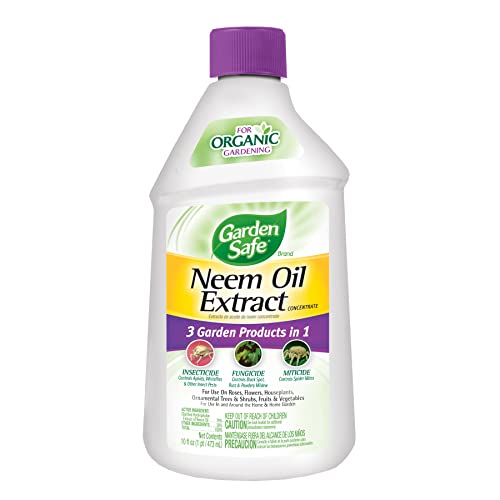
Garden Safe Neem Oil (10 oz, 6-pack)

Earth’s Ally 3-in-1 Plant Spray (32 Oz)

Bonide All Seasons Horticultural Spray Oil (32 oz)

Botanical Tradesman Neem Oil Concentrate Kit

BioAdvanced 3-in-1 Fruit, Citrus & Nut Spray

Syngreen Neem and Peppermint Leaf Spray (16 oz)
A Deeper Look At The Lineup
Mildew shows up fast on fruit trees once humidity climbs, and this concentrate leans on citric acid rather than copper or sulfur to keep it in check. Backyard growers who want disease prevention without the smell or staining of traditional fungicides tend to gravitate here. The bottle dilutes down, so a single 32 oz container stretches across multiple applications on a small home orchard.
It’s formulated for outdoor use and covers the usual suspects: powdery mildew, downy mildew, blight, canker, black spot, and leaf spot. For trees that tend to throw one fungal curveball after another, having a broad-spectrum option like this in the shed cuts down on juggling multiple products.
Standout Benefits
- Targets the most common fruit-tree fungal diseases with a single product, simplifying spray schedules
- Citric-acid base avoids the residue and odor that copper or sulfur sprays leave behind on leaves and fruit
- Concentrate format means one bottle covers multiple treatments across a small orchard
- Liquid formulation mixes easily with water for standard pump or hose-end sprayers
Things To Consider
- Disease-only formula, so a separate product is still needed for insect and mite pressure
- Works best as a preventative or early-stage treatment once mildew is widespread, control becomes harder
Who It Suits Best
Backyard fruit growers who deal mostly with fungal pressure and prefer a citric-acid approach over traditional fungicides.
Consider Something Else When
Pickers facing simultaneous insect and disease problems will find broader coverage in Bonide Captain Jack’s Citrus, Fruit & Nut Orchard Spray, 32 oz Concentrate, Multi-Purpose Fungicide, Insecticide and Miticide.
A mixed backyard orchard usually fights bugs and fungus at the same time, which is where a three-in-one like Captain Jack’s earns its keep. Unlike the citric-acid formula above, this one folds insect control, miticide action, and disease prevention into a single concentrate. You dilute it at different rates depending on whether you’re targeting pests or pathogens, which adds flexibility.
The label covers everything from apples and avocados to peppers, roses, and citrus, so the same jug moves between the vegetable patch and the fruit trees without buying separate bottles. One pint yields up to 6.4 gallons of finished spray, so a 32 oz concentrate goes a long way.
Notable Gains
- Combines fungicide, insecticide, and miticide functions, reducing the number of products you need to buy and mix
- Broad plant label covers fruit, nuts, citrus, vegetables, ornamentals, and lawns in one bottle
- One pint concentrates into up to 6.4 gallons of finished spray, lowering the per-application cost
- Can be applied up to the day before harvest, which keeps late-season treatment windows open
Worth Noting
- Requires mixing and either a hose-end or tank sprayer, so it’s less convenient than ready-to-use bottles
- Pest coverage is broad but not universal, so checking the label against your specific insects is worth the few minutes
Made For
Growers with diverse plantings who want one concentrate to handle insects, mites, and fungal diseases across fruit trees and ornamentals.
Where Another Pick Suits Better
Gardeners focused purely on dormant or oil-based smothering of overwintering pests will likely prefer Bonide All Seasons Horticultural & Dormant Spray Oil, 32 oz Ready-to-Spray, Disease Prevention and Insect Killer for Organic Gardening.
Neem oil is the workhorse of organic fruit-tree care, and this case pack keeps the supply flowing through a full growing season. The active ingredient is a clarified hydrophobic extract of neem oil, which acts as a fungicide, insecticide, and miticide all at once. For organic gardeners committed to the practice, it’s hard to beat the per-bottle value of a six-pack.
The concentrate controls aphids, whiteflies, spider mites, and other soft-bodied insects while also preventing black spot, rust, and powdery mildew on contact. It works on roses, flowers, houseplants, ornamental trees, shrubs, fruits, and vegetables, so it travels with you around the whole garden.
Reasons It Performs
- Multi-purpose neem concentrate handles insect, mite, and fungal issues in a single bottle
- Six-pack format reduces the per-unit cost for gardeners who apply neem regularly through the season
- Approved for organic gardening use on a wide range of edible and ornamental plants
- Concentrate format dilutes to the strength you need for either preventative or active treatment
Trade Offs
- Neem has a distinctive sulfur-like odor that some gardeners find off-putting, especially on indoor applications
- Mixing fresh batches before each application is part of the routine, so there’s no skipping the spray-prep step
Best Suited To
Organic gardeners who apply neem throughout the growing season and want to keep a steady supply on hand without reordering constantly.
Look Elsewhere When
Growers who want a smaller starter bottle before committing to a case will find Botanical Tradesman Neem Oil Spray for Plants (Makes 320 Fl Oz)- Pure Cold Pressed Neem Oil | Indoor & Outdoor a more approachable entry point.
Not every gardener wants to mix concentrates and calibrate sprayers, and that’s exactly where this ready-to-use bottle fits in. It’s a botanical oil spray designed for both indoor and outdoor plants, with a synergistic blend of essential oils that handles soft-bodied insects and common plant diseases in one pass. First-time growers tend to find the grab-and-spray format removes most of the friction.
Compared to the citric-acid concentrate from Earth’s Ally earlier in this list, this one adds insecticidal action to the mix. The trade-off shows up in the format, since ready-to-use costs more per ounce than concentrate but saves the measuring and mixing step.
Good Reasons To Consider
- Ready-to-use format means no measuring, mixing, or extra sprayer equipment required
- Three-in-one coverage addresses soft-bodied insects and common fungal issues simultaneously
- Suitable for both indoor houseplants and outdoor fruit trees, reducing the need for multiple products
- Botanical essential-oil base is a reasonable option for gardeners avoiding harsher synthetic ingredients
Points To Keep In Mind
- Ready-to-use pricing runs higher per ounce than concentrate alternatives, which matters for larger orchards
- Coverage on full-sized fruit trees can deplete the bottle faster than expected during active infestations
Right Fit For
Newer gardeners or anyone tending a small number of fruit trees and houseplants who values convenience over bulk value.
Skip It When
Growers managing several trees across a larger property will stretch their budget further with Garden Safe Neem Oil, 10 Fl Oz, Case Pack of 6.
Horticultural oils work by smothering insects and their eggs, which makes timing less about catching active pests and more about hitting the right growth stage. This Bonide formula is designed for year-round use, covering dormant, green tip, delayed dormant, and active growing-season applications. For fruit trees, that opens up the late-winter spray window when overwintering scale and mite eggs are most vulnerable.
The 32 oz bottle arrives ready to spray, which removes the mixing step that catches out first-time users of concentrates like the Captain Jack’s earlier in this list. Same story with how it handles both sides of the pest cycle: dormant applications reduce spring hatch, while summer sprays manage soft-bodied invaders.
What Helps Most
- Year-round label covers dormant, delayed dormant, green tip, and growing-season sprays in one bottle
- Smothering action reaches insects and eggs that contact sprays, useful against scale, mites, and aphids
- Ready-to-spray format eliminates mixing for gardeners who want a quick application routine
- Suitable for organic gardening programs where oil-based prevention is part of the schedule
Room For Improvement
- Oil sprays can damage foliage if applied in direct sun or extreme heat, so timing matters more than with other products
- Coverage focuses on insects and mites rather than fungal disease, so it’s usually paired with a fungicide for full protection
Who Should Grab It
Orchardists with a structured dormant-spray program who want one oil that handles multiple seasonal windows on fruit and nut trees.
A Better Fit Elsewhere
Growers who prefer a single product covering both insect and fungal issues in one application will find BioAdvanced 3-in-1 Fruit, Citrus, and Nut Tree Spray – 32 oz Bottle a closer match.
Cold-pressed neem concentrate is the form most often recommended by organic orchardists who want maximum potency per ounce. This kit dilutes down to make 320 fluid ounces of finished spray from a single bottle, which means a small container in the shed covers a season of repeated treatments. The included trigger sprayer with adjustable nozzle adds a useful finishing touch.
Where the six-pack of Garden Safe above offers value through bulk buying, this one stretches value through concentration. For larger properties or anyone who sprays every couple of weeks through the growing season, the math works in favor of the concentrate format.
A Few Strong Suits
- Cold-pressed extraction preserves more of the active compounds than solvent-extracted alternatives
- Single bottle dilutes into 320 fluid ounces of finished spray, lowering the per-application cost significantly
- Included adjustable trigger sprayer removes the need to source separate application equipment
- Works on both indoor and outdoor ornamental and edible plants
A Few Limitations
- Concentrate requires accurate measuring, so casual users may find the mixing step tedious
- Strong neem aroma lingers on treated foliage for several hours after application
Whose Shelf It Belongs On
Property owners managing several fruit trees or a mixed edible garden who want the lowest cost per finished gallon over a full season.
Reach For A Different Pick When
Growers who only need a few applications per year will find Syngreen Neem Oil Spray for Plants with Peppermint Oil– Gentle Leaf Maintenance for Indoor and Outdoor Greenery, 16oz more economical in the short term.
When insects, mites, and fungal diseases all show up in the same week, a single-pass formula saves a round of spraying. BioAdvanced’s 3-in-1 handles caterpillars, aphids, mites, black spot, powdery mildew, and rust in one application, and the label covers fruit trees, citrus, nut trees, vegetables, and vine plants. The day-before-harvest interval keeps late-season treatments viable.
Compared to the Bonide Captain Jack’s concentrate earlier in this list, the trade-off is the application format and ingredient profile. BioAdvanced uses a different active blend that some organic-leaning gardeners may want to check against their program requirements before committing.
A Few Highlights
- Triple-action formula controls listed insects, mites, and diseases in one spray pass
- Day-before-harvest application window supports late-season treatment flexibility
- Broad plant label covers fruit, citrus, nuts, vegetables, and vines from a single bottle
- Targets common orchard pests like caterpillars and aphids alongside fungal diseases like black spot and rust
Honest Caveats
- Active ingredient profile differs from strictly botanical options, so gardeners committed to fully organic programs should verify compatibility
- Coverage depends on thorough leaf-surface contact, which means proper sprayer calibration matters
Perfect Match For
Edible landscape growers who want one bottle to handle multiple threats across fruit trees and vegetables in a single application.
Swap It Out When
Growers committed to organic certification standards may prefer Bonide Captain Jack’s Citrus, Fruit & Nut Orchard Spray, 32 oz Concentrate, Multi-Purpose Fungicide, Insecticide and Miticide instead.
Pure neem has a sulfur-like aroma that some find unpleasant indoors, and adding peppermint oil softens that scent considerably. This Syngreen spray combines cold-pressed neem with peppermint in a ready-to-use bottle that suits indoor greenery, patios, and greenhouse environments. For apartment gardeners or anyone spraying near sitting areas, the gentler profile is a meaningful upgrade.
It’s a smaller bottle at 16 ounces, so it’s more of a maintenance product than a season-long supply. Same category as the Earth’s Ally 3-in-1 earlier, but with a different scent angle and a tighter focus on foliage health.
The Good Stuff
- Peppermint oil addition softens the characteristic neem aroma for indoor and patio use
- Ready-to-use format skips the measuring and mixing step entirely
- Suitable for indoor plants, garden beds, and greenhouse environments in a single product
- Cold-pressed neem base preserves the active compounds that handle soft-bodied pests
Points To Note
- Smaller 16 oz bottle runs out faster on larger fruit trees, so it’s best for spot treatment or smaller gardens
- Peppermint scent fades quickly and doesn’t replace targeted pest control for heavy infestations
Best Suited To
Apartment gardeners, patio growers, and anyone who wants a mild-smelling neem option for indoor greenery and small outdoor spaces.
Not Your Match When
Growers managing full-sized fruit trees across a yard will want the larger volume of Earth’s Ally Disease Control Fungicide Concentrate, 32 Oz for more practical coverage.
Choosing Organic Sprays For Fruit Trees With Confidence
The organic spray category breaks down into a few practical decisions. Active ingredient matters most, since citric acid, neem, horticultural oil, and multi-purpose botanical blends each address different problems and work best at different growth stages. Concentrates cost less per ounce but require measuring and a dedicated sprayer. Ready-to-use bottles trade convenience for a higher per-application cost.
Fruit-tree timing matters as much as product choice. Dormant oil sprays go on before bud break, fungicides work best as preventatives before symptoms spread, and insecticidal options need direct contact with active pests. Checking the label’s pre-harvest interval keeps late-season treatments safely within reach of ripening fruit.
Coverage requirements shift the math significantly. A single patio tree drinks far less spray than a backyard orchard, and concentrate value only beats ready-to-use once you’re applying across multiple trees. Mixing capacity, storage space for leftover product, and willingness to measure all factor into which format fits your routine.
Key Considerations Across These Picks
Pitfalls Shoppers Hit
Organic spray labels can be deceiving, especially when a product mentions “natural” ingredients that aren’t actually approved for certified-organic programs. Checking the active ingredient list against your growing standards prevents late-season disappointment. Another common trap is choosing a concentrate without owning a proper sprayer, which leads to inconsistent coverage and wasted product. Ready-to-use bottles sidestep this entirely but limit how far the supply stretches.
Where The Extra Money Goes
Higher-tier organic sprays tend to invest in cold-pressed extraction, which preserves more of the active compounds than solvent-based processing. They also tend to use synergistic essential-oil blends that broaden pest coverage without increasing toxicity. Whether that upgrade matters depends on how much you spray, how diverse your pest pressure is, and whether the gentler formulation matters around kids, pets, or edible harvests.
Frequently Asked Questions
How Often Should Organic Sprays Be Applied To Fruit Trees?
Application frequency depends on the active ingredient and the pest pressure you’re managing, but most organic fungicides and insecticides work best on a 7 to 14 day schedule during active growth. Preventative applications generally require less frequent spraying than treatments after symptoms appear.
Can Organic Sprays Be Used Right Before Harvest?
Some products carry a day-before-harvest interval while others require a longer wait, so checking the specific label matters before any late-season application. Many of the picks in this roundup support close-to-harvest timing when used as directed.
Is Neem Oil Safe For All Fruit Trees?
Neem oil works on most common fruit trees, though some sensitive species may show leaf burn if sprayed in direct sun or extreme heat. Applying during cooler morning or evening hours reduces that risk and improves absorption.
Do Organic Sprays Work As Well As Synthetic Options?
Organic sprays often require more frequent application and earlier preventative timing than synthetic alternatives, but they leave no harsh residues on fruit and support pollinator health. Matching the right product to the specific pest or disease makes the difference.
What’s The Difference Between Horticultural Oil And Neem Oil?
Horticultural oil works by smothering insects and eggs on contact, while neem oil both smothers and disrupts insect feeding and reproduction through its active compounds. Each suits different timing windows in the growing cycle.
Closing Thoughts
The right organic spray depends less on finding a universal answer and more on matching the formula to your trees, your pests, and your willingness to mix concentrates or grab a ready-to-spray bottle. Citric-acid fungicides handle mildew without residue. Neem-based products cover insects and disease in one. Horticultural oils hit the dormant season hard. Any of the eight picks above will serve you well when matched to the right moment in the growing cycle.
