

Ornamental grasses pull double duty in a landscape, softening hard edges and adding the kind of motion a yard needs on a windy afternoon. Whether you’re filling a bare corner with something tall and architectural or tucking a low border along a path, the right grass solves the empty-spot problem without demanding constant attention. This lineup mixes living seed and starter plants with low-fuss faux options, so you can match your climate, your patience, and your style.
The Main Contenders

VANTREE 8PCS Fake Tall Grass Plant Stems

QEVJEKR 1000+ Mix Pampas Grass Seeds (Cortaderia Selloana)

LUZOGA 12Pcs Artificial Grass Plants (Light Purple)

Rowfad 22 Pcs Artificial Lavender Grass (Purple)

Outsidepride Pink Muhly Ornamental Grass Seeds (50 Pcs)
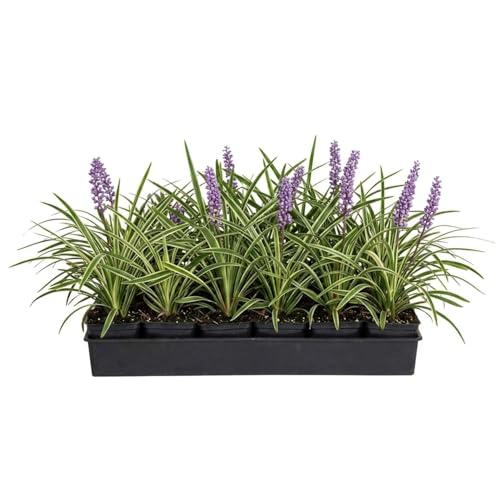
Plants by Mail 18 Pack Liriope ‘Variegated’ Grass

Perennial Farm Marketplace Calamagrostis ‘Karl Foerster’ #1 Container

Outsidepride Chinese Pennisetum Fountain Grass Seeds (100 Pcs)
The Strengths Of Each Pick
Faux stems earn their keep wherever a real plant would sulk. This eight-piece set gives you the airy silhouette of pampas-style plumes without a single drop of water, which makes it a strong fit for renters, basement apartments, or windowless corners where sunlight is a rumor.
The UV-resistant plastic construction helps the color hold up on a sun-soaked patio, and the bunched stems drop straight into a tall floor vase. If you’ve ever wanted the texture of ornamental grass in a spot that gets no light, this is the most straightforward way to fake it convincingly.
Where It Excels
- Zero maintenance beyond an occasional dusting or rinse.
- UV-resistant build keeps color from fading quickly on a sunny porch.
- Eight stems are enough to fill a generous floor vase or split across smaller arrangements.
- Works in dark rooms, drafty hallways, and any spot a real plant would refuse.
Things To Consider
- Plastic stems can look unnaturally uniform up close, especially in direct sunlight.
- Lighter faux plumes tend to shed or shed fibers when first unpacked and handled.
- You’ll want to anchor the stems in heavier pots, since the lightweight material tips easily.
Who It Suits Best
Apartment dwellers, renters, and anyone decorating a low-light or climate-controlled space where real grass simply won’t survive.
Where Another Pick Suits Better
For a living landscape with real motion in the breeze, the QEVJEKR pampas seed mix delivers far more presence in open ground.
Pampas grass (Cortaderia selloana) is the heavyweight of the ornamental world, and a generous seed pack lets you turn a bare slope into a swaying statement. The mix here spans blue, white, pink, red, and yellow plumes, so you get visual variety without buying five separate packets.
You should expect this heirloom variety to reach 8 to 12 feet at maturity, which means it solves the “I need height, fast” problem better than almost any other grass on this list. A winter shearing keeps the clump tidy before spring pushes up fresh green growth, and it adapts to most soil types without coaxing.
Practical Advantages
- Multi-color mix covers blue, white, pink, red, and yellow plumes from one packet.
- Fast fill for large, barren landscapes where you need scale quickly.
- Low-maintenance once established, thriving in most soil types.
Honest Caveats
- Mature height of 8 to 12 feet can overpower small yards or crowd neighboring beds.
- Seed-grown pampas takes patience; visible plumes often mean waiting a full season or longer.
- Some regions treat pampas as invasive, so check local guidance before planting in open ground.
Feature Snapshot
Made For
Homeowners with room to roam who want a tall, dramatic grass without paying for mature plants.
Skip It When
You’re working with a tight courtyard or container, where Outsidepride Pink Muhly keeps things compact and tidy.
Twelve stems of light-purple faux wheat grass open up styling options the green-toned sets can’t touch. The soft lavender tone plays nicely with neutral interiors, and you can rinse the plastic under running water when dust settles in, which is a small but real benefit over fabric alternatives.
The UV-resistant plastic is built for outdoor exposure, so a covered window box or shaded porch planter is fair game. Compared to the taller VANTREE set in spot one, this bunch is shorter and bushier, better suited to tabletop jars than floor arrangements.
A Strong Showing
- Light-purple color breaks up the sea of green in faux-floral arrangements.
- Washable plastic means a quick rinse restores the dusty finish.
- UV-resistant material holds up in covered outdoor spots.
Soft Spots
- Light coloring shows dust and fingerprints faster than darker stems.
- Plastic blades can look a touch too uniform alongside natural textures.
- Heads can flatten during shipping, so a little reshaping goes a long way.
Right Fit For
Decorators who want a soft pastel accent in small vases, jars, or centerpieces without watering or trimming.
Not Your Match When
You want the structural impact of an upright, golden spike arrangement, in which case the ‘Karl Foerster’ feather reed grass is the smarter pick.
Twenty-two pieces give you enough volume to dress up multiple pots without buying extra bunches. Each stem pairs a purple flower-style head with green faux grass, which gives the look of a lavender plant without the watering schedule that real lavender demands.
Built for outdoor settings, the UV-resistant plastic tolerates patio, pathway, and porch exposure better than indoor-grade florals. Compared to the shorter LUZOGA set, this bunch carries more stems and a fuller silhouette for landscaping-style pots.
What Makes Sense
- Twenty-two stems cover several pots, planters, or baskets from one order.
- Purple-on-green color reads convincingly as faux lavender from a few feet away.
- UV-resistant plastic holds up in full sun on porches and pathways.
Some Limits To Know
- Plastic blades can crisp after a long summer in harsh midday sun.
- Fake lavender lacks the fragrance real lavender brings, so scent-sensitive spaces may feel flat.
- Stems can tangle in the box; a quick fluff is part of the unboxing.
Feature Snapshot
Best Suited To
Front porches, walkways, and renters who want a dressed-up outdoor look with zero watering.
Consider Something Else When
You’d rather have real motion from wind in the garden, which the Outsidepride Pink Muhly seeds deliver once established.
Pink muhly is the perennial you plant once and watch come back every year with those airy pink plumes. The 36 to 48-inch height gives you a real vertical anchor without the towering footprint of full-size pampas, and the soft, feathery seed heads move with even the slightest breeze.
For new gardeners, the drought tolerance removes a layer of anxiety. Once the roots settle, this grass tolerates dry spells without wilting, and it stays tidy from spring through late fall. Compared to the QEVJEKR pampas seeds in spot two, pink muhly is a friendlier scale for suburban lots.
Strengths Worth Knowing
- Perennial habit means new growth every spring without replanting.
- Drought tolerance keeps maintenance low once the plant is established.
- 36 to 48 inches tall delivers vertical interest in borders and pathways.
- Soft pink plumes add seasonal color without overwhelming neighboring plants.
Points To Note
- Seed-grown muhly takes a season or two to reach its full plume potential.
- Best color shows up in full sun, so shaded corners won’t deliver the same display.
- Clumps expand over time, so plan spacing for the mature 24 to 36-inch width.
Feature Snapshot
Who Will Love This
Beginner gardeners and water-wise landscapers who want a showy, low-fuss perennial they can plant once and enjoy for years.
A Better Fit Elsewhere
If you’re after the structured, upright look of a single accent plant, the ‘Karl Foerster’ feather reed grass is the stronger fit.
Variegated liriope, also called variegated lilyturf, brings striped green-and-white leaves and small purple summer flower spikes to spots where taller grasses feel out of scale. An 18-pack gives you enough starts to edge a path, fill a strip, or anchor a shaded border without buying singles.
It’s hardy in USDA zones 5 through 10 and tolerates cold down to about -15°F, so northern gardeners aren’t left out. The 12 to 18-inch height keeps the silhouette tidy under windows and along walkways, where the larger Outsidepride Pink Muhly might feel oversized.
Advantages To Know
- Evergreen perennial keeps foliage through winter in mild climates.
- Tolerates partial to full shade, where many ornamental grasses struggle.
- Drought tolerant once established, easing the watering load.
- Eighteen plants fill an edging strip or pathway border quickly.
Practical Considerations
- Overwatering can lead to root rot, so well-drained soil is non-negotiable.
- Spreads into dense clumps, which is great for coverage but needs occasional dividing.
- Plants ship small and may take a season to fully establish their variegated color.
Feature Snapshot
Perfect Match For
Shade gardeners and homeowners with narrow borders who want a low, evergreen grass that won’t crowd walkways.
Look Elsewhere When
You want tall, sun-loving plumes with seasonal color, in which case the Outsidepride Pink Muhly is the more dramatic match.
‘Karl Foerster’ feather reed grass earns its reputation for a reason: the upright clumps stay tidy, and the golden spikes rise 4 to 5 feet above the foliage from late spring into summer. A #1 container means you’re getting a rooted plant, not a gamble on seed, which closes the gap between planting day and full visual payoff.
Hardy in USDA zones 4 through 9 and described as deer resistant, this grass tolerates cold winters and curious visitors better than most. It ships in seasonal condition with appropriate foliage, so a late-fall delivery may arrive trimmed and dormant. Compared to the seed-based picks above, you’re paying for instant impact and a known form.
What Stands Out
- Strong upright habit creates clean vertical lines in mixed borders.
- Deer-resistant foliage keeps browsing pressure off the plant.
- Hardy across zones 4 to 9, covering most continental U.S. climates.
- Pre-rooted #1 container skips the slow seed-starting phase.
Points To Keep In Mind
- Cannot ship to AK, AZ, CA, CO, ID, MT, NV, OR, UT, WA, or HI due to agricultural rules.
- Late-fall shipments may arrive dormant and trimmed, which can confuse first-time owners.
- Prefers moist, well-drained soil in full sun, so dry shade is the wrong spot for it.
Feature Snapshot
Built With In Mind
Structured-bed gardeners who want a vertical anchor plant and prefer starting with a rooted container rather than seed.
Reach For A Different Pick When
You’re in one of the restricted shipping states, in which case Outsidepride Pink Muhly seeds can be sown almost anywhere.
Chinese pennisetum brings the smoky purple-black plumes and arching form that make fountain grass a garden classic. The 100-seed count gives you room to experiment, whether you want a single statement clump or a drift through a dry corner that gets baked by afternoon sun.
Once established, the plant shrugs off drought, which makes it a natural fit for xeriscapes (landscapes designed to need little supplemental water) and dried flower arrangements. Compared to the pink muhly seeds earlier in this list, this one leans darker and more dramatic, a better choice when you want contrast rather than pastels.
What Earns Its Place
- Smoky purple-black plumes deliver dramatic late-summer color.
- Drought-tolerant habit suits water-wise gardens and dry climates.
- Perennial growth means returns every year from the same root system.
- Plumes hold up well in dried arrangements and indoor displays.
Worth Bearing In Mind
- Seed-grown fountain grass takes a season to reach full plume size.
- Deep purple color is most striking in full sun, so shade-grown plants read muddy.
- Self-seeding can be aggressive in mild climates, so deadhead if you want control.
Whose Shelf It Belongs On
Dry-climate gardeners and floral arrangers who want a dark, dramatic perennial that doubles as a cutting-garden staple.
Swap It Out When
You prefer soft pastel plumes over moody color, in which case Outsidepride Pink Muhly is the gentler alternative.
Picking Ornamental Grasses That Actually Fit Your Yard
Match the grass to the spot before you fall in love with a photo. Sun exposure, mature size, and your tolerance for upkeep decide more than any color choice.
Sun, Soil, and Scale
Full-sun sites open up the entire lineup, including pink muhly, fountain grass, and pampas. Shaded corners narrow your real-options list to variegated liriope, which thrives in partial to full shade. Soil type matters less than drainage: standing water kills more grasses than dry weather does, so avoid low spots where puddles linger after a storm.
Height and Spread Matter More Than Color
A grass that reaches 8 to 12 feet, like pampas, transforms a wide-open slope but overwhelms a courtyard. For most suburban beds, the 36 to 48-inch height range of pink muhly or the 4 to 5-foot spikes of ‘Karl Foerster’ lands in the Goldilocks zone, tall enough to anchor a bed, short enough not to swallow the house.
Living Plants vs. Faux Stems
Living grasses reward patience with motion, wildlife value, and real seasonal change. Faux stems deliver instant color and zero maintenance, which suits rentals, shaded interiors, or anyone who travels often. Many gardeners end up with a mix, real grasses in the ground, faux stems filling the porch planters.
Starting From Seed vs. Buying a Plant
Seeds cost less per square foot and let you grow a large drift, but they need a season or two to reach their full display. Container plants, like the #1 ‘Karl Foerster’, skip that lag and arrive closer to mature size, which is worth the higher per-plant cost in high-visibility spots.
Key Considerations Across These Picks
Where Shoppers Go Wrong
The most common mistake is choosing a grass by its mature photo without checking its mature footprint in your specific bed. A 12-foot pampas clump planted two feet from a walkway will sprawl across the path within two seasons. Measure twice, plant once, and always leave room for the spread listed in the specs.
When Paying More Pays Off
The premium pick in this roundup, the ‘Karl Foerster’ feather reed grass, costs more because it ships as a rooted #1 container rather than a packet of seeds. You’re paying for a year or two of head start and a known cultivar with predictable form. That premium is worth it for focal-point plantings where you want a single, well-behaved accent, but it’s overkill for filling a wide slope where seed-grown pampas or fountain grass delivers more volume per dollar.
Frequently Asked Questions
How long does it take ornamental grass to reach full size?
Most living grasses need one to two full growing seasons to hit mature height and start throwing reliable plumes. Seed-started varieties usually take longer than container plants, so plan accordingly if you’re landscaping for a specific event.
Do ornamental grasses need to be cut back?
Yes, most benefit from a late-winter or early-spring cut back to a few inches above the soil. This clears old foliage and makes room for fresh growth; evergreen types like variegated liriope need only a light tidy rather than a hard cut.
Can ornamental grasses grow in shade?
A few can, and variegated liriope is the strongest shade-tolerant pick on this list. Most ornamental grasses, including pampas, muhly, and fountain grass, prefer full sun and will flop or fail to plume in deep shade.
Are ornamental grasses invasive?
Some are, depending on your region. Pampas grass is restricted in parts of the western U.S., and fountain grass can self-seed aggressively in mild climates. Check local guidance before planting anything that spreads by seed.
What’s the difference between ornamental grass and a regular lawn grass?
Ornamental grasses are grown for their form, plumes, and seasonal interest rather than a uniform walkable surface. They’re typically taller, clump-forming, and left un-mowed, while lawn grasses stay short and tolerate foot traffic.
Closing Remarks
The right ornamental grass turns a forgettable corner into the part of the yard you actually look at. Match the plant to your light, your soil, and the scale you can live with, then let it do the work. Whether you choose living plumes or low-maintenance faux stems, the texture and motion are what reward you.
