

Your flower beds look tired, the tomatoes are lagging, and the lawn has gone a little pale by midsummer. Picking the right outdoor plant foods changes the whole picture without turning your weekend into a chemistry lab. This roundup sorts eight solid options by format, feed style, and garden type, so you spend less time guessing and more time actually growing things.
The Shortlist At A Glance
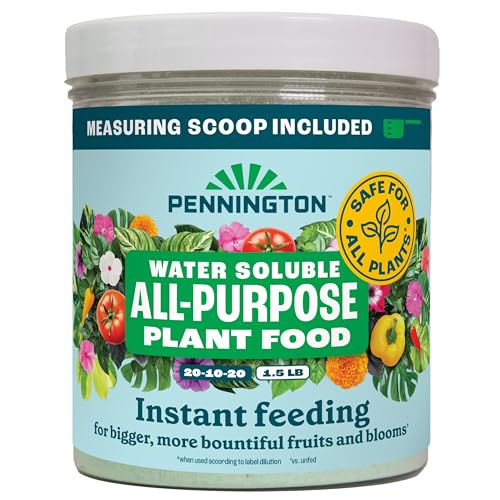
Pennington Water Soluble All Purpose Plant Food 20-10-20 (1.5 LB)

Miracle-Gro Organic Plant Food (32 fl. oz.)

Miracle-Gro Organic All Purpose Plant Food (3 lb.)
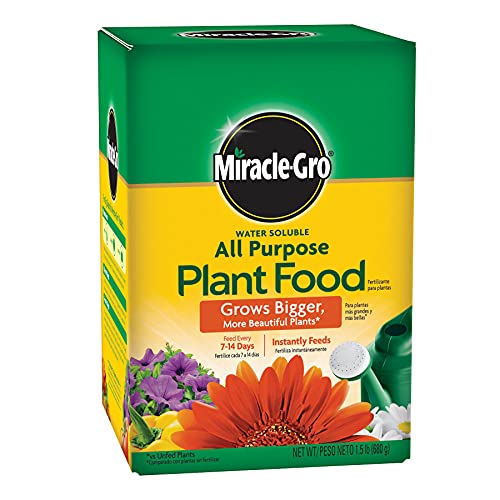
Miracle-Gro Water Soluble All Purpose Plant Food (1.5 lb.)

Miracle-Gro Water Soluble All Purpose Plant Food (3 lb.)

Miracle-Gro Pour & Feed Plant Food (32 fl. oz.)

Miracle-Gro Shake ‘N Feed All Purpose Plant Food (1 lb.)

Osmocote Smart-Release Plant Food Plus Outdoor & Indoor (2 lb.)
A Deeper Look At The Lineup
Pennington’s 20-10-20 blend leans toward foliage first, with that higher nitrogen number pushing leafy growth on lawns, container greens, and annual flower beds. The water-soluble format means you stir a scoop into a watering can and feed while you hydrate, which fits naturally into a weekend routine. Gardeners running mixed outdoor beds where ornamentals and edibles share space tend to appreciate the balanced middle ratio, since 20-10-20 supports growth without skewing too heavily toward blooms or roots.
The included measuring scoop takes a small but meaningful amount of guesswork out of feeding, and 1.5 pounds stretches nicely across a season for modest gardens. If you’re stepping beyond a single patio pot but don’t want a full landscaping setup, this lands in a comfortable middle.
Bright Spots
- 20-10-20 ratio leans toward lush foliage for lawns and leafy ornamentals.
- Water-soluble powder dissolves easily and feeds through a watering can.
- Measuring scoop helps you avoid over-application during weekly feeds.
- 1.5-pound jar covers a typical small-to-medium yard across one season.
Things To Consider
- The higher nitrogen number means more frequent application than slow-release options.
- Powder can clump if stored in humid sheds or garages, so a sealed container helps.
Who It Suits Best
Home gardeners juggling mixed outdoor beds and lawn patches who want a single soluble blend that doubles as their go-to feeder all season.
Consider Something Else When
Vegetable plot growers who prefer certified-organic inputs may find the Miracle-Gro Organic Plant Food (32 fl. oz.) a closer match for their routine.
Liquid plant foods are the fastest-acting format, and this organic option leans into that with a mostly plant-based ingredient list. OMRI-listed for organic gardening, it’s a fit for anyone tending tomatoes, herbs, or salad greens where the feeding approach matters. You mix it with water and apply during a normal watering pass, so it slots into routines already built around a watering can.
The 32-fluid-ounce bottle typically lasts a small vegetable bed across several weeks, depending on how heavily you feed. Compared to Pennington’s powder, this one trades longevity for instant uptake, which edible gardeners often prefer.
Positive Takeaways
- Liquid formula delivers nutrients fast to vegetables and herbs.
- OMRI-listed, suitable for organic gardening routines.
- Mostly plant-based ingredient list for gardeners watching inputs.
- Works on indoor and outdoor container plants in one bottle.
Points To Keep In Mind
- Liquid feeds wash through the root zone faster than granular options, so expect more frequent applications.
- Smaller bottle size means refills if you manage a large plot.
- Storage in freezing conditions can affect the liquid, which matters for cold-winter sheds.
Quick Facts
Made For
Edible garden growers and herb enthusiasts who want a certified-organic liquid feed for both containers and outdoor beds.
Skip It When
You’d rather feed a wide yard once and forget about it, in which case Osmocote Smart-Release Plant Food Plus Outdoor & Indoor handles the season in one pass.
Granular organic food gives vegetable and flower gardeners a slower, steadier feed without measuring liquids. This 3-pound bag is sized for a meaningful outdoor plot, and it feeds for up to three months per application, which keeps weekends free for harvesting instead of mixing. Granules broadcast across the soil surface and water in with rain or your hose.
For most backyard vegetable gardens, the cadence matches the crop cycle nicely. The organic angle here is the same as the liquid option above, just in dry form.
Advantages To Know
- Granular format spreads easily across prepared beds and rows.
- Up to three months of feeding per application reduces weekend chores.
- Organic formula supports strong root development over the season.
- Larger 3-pound bag suits multi-bed garden layouts.
Honest Caveats
- Granules need watering in to activate, so dry stretches without irrigation delay results.
- Three-pound bag is bulky for apartment storage if you live in a small space.
Best Suited To
DIY homeowners with outdoor vegetable plots or established flower borders who want an organic granular routine without weekly feedings.
Look Elsewhere When
Container gardeners with a handful of patio pots will find Miracle-Gro Pour & Feed Plant Food easier to dose in small amounts.
The classic green jar shows up in garden sheds across the country for a reason: it dissolves quickly, feeds through any watering can, and works across an unusually wide plant range. Flowers, vegetables, houseplants, roses, trees, and shrubs all fit within the label, which removes the “which food do I grab?” question on a busy weekend.
For first-time gardeners, that versatility is genuinely useful. You start with one jar and learn feeding basics before deciding whether a specialized product is worth adding to the shelf.
The Helpful Details
- Powder dissolves cleanly in watering cans for fast uptake.
- Safe across a wide plant list when used as directed, including edible crops.
- Won’t burn plants when mixed properly, which forgives beginner mistakes.
- 1.5-pound jar is a manageable starter size for new gardeners.
- Compatible with container and in-ground feeding alike.
Points To Note
- Synthetic formula, so it’s not the right fit for organic-only programs.
- Every-two-week feed cadence is more demanding than slow-release options.
Feature Snapshot
Who Will Love This
First-time outdoor gardeners who want one versatile, forgiving product to learn feeding basics across flowers, vegetables, and shrubs.
A Better Fit Elsewhere
Organic-only vegetable gardeners should reach for Miracle-Gro Organic Plant Food (32 fl. oz.) instead.
Same formula as the 1.5-pound jar above, just in a bigger container that cuts down on mid-season refills. For gardeners with established beds, multiple flower borders, or a small lawn patch they water by hand, the larger jar reduces the number of times you run out mid-feed. Pricing per pound typically works out friendlier on this size too.
If you’ve already settled on this product for your outdoor routine, moving up in size is a low-effort way to simplify the season.
Everyday Wins
- Same versatile formula as the smaller jar in a refill-friendly size.
- Better value per pound for established gardens with more ground to cover.
- Safe across flowers, vegetables, shrubs, and container plants.
Minor Gripes
- Heavier 3-pound jar is awkward to haul around for gardeners with mobility limits.
- Still requires every-two-week feeding during the active growing season.
Perfect Match For
Established outdoor gardeners managing multiple beds or borders who want fewer mid-season refills of a familiar water-soluble feed.
Another Choice May Suit
Travelers and busy households who’d rather skip the frequent schedule should consider Osmocote Smart-Release Plant Food Plus Outdoor & Indoor.
Pour & Feed skips the measuring cup entirely. You apply the ready-to-use liquid directly to the soil of container plants, which makes it a strong fit for apartment balconies and patio pots where mixing in a watering can feels like overkill. The bottle itself becomes the dispenser.
For anyone caring for a handful of houseplants alongside outdoor pots, the simplicity removes a small but persistent chore.
What It Does Well
- Ready-to-use liquid means no measuring or mixing.
- Direct-pour application suits small container setups perfectly.
- Feeds instantly through the soil for quick visible results.
- Works on both indoor and outdoor container-grown plants.
Trade Offs
- Smaller 32-fluid-ounce bottle runs out fast across many containers.
- Per-application cost runs higher than concentrated alternatives.
Whose Shelf It Belongs On
Apartment and patio gardeners with a small collection of container plants who want the lowest-effort feeding routine possible.
Reach For A Different Pick When
You maintain large outdoor beds where pouring bottle-by-bottle gets tedious, in which case Miracle-Gro Shake ‘N Feed All Purpose Plant Food scales up more easily.
Shake-on granules with up to three months of feeding make this the laziest option in the lineup, in a good way. You shake the bottle over the soil, work the granules in lightly, and water. The natural ingredients feed soil microbes that support root strength, which carries through to better water efficiency during dry spells.
For most busy households, the appeal is the schedule: a single application covers most of a growing season.
Useful Strengths
- Shake-on application requires no measuring or mixing equipment.
- Up to three months of continuous feeding per application.
- Includes vital micronutrients for stronger root systems.
- Natural ingredients support soil microbial activity over time.
- Reduces watering stress through improved root water efficiency.
A Few Limitations
- Slow-release nature means you won’t see instant green-up compared to liquids.
- 1-pound container may run short across larger landscape areas.
Feature Card
Who Should Grab It
Busy outdoor gardeners and forgetful waterers who want a single spring application to carry plants through summer.
Not Your Match When
You want visible results within days of feeding, which is where Miracle-Gro Water Soluble All Purpose Plant Food (1.5 lb.) outperforms.
Osmocote’s coated-prill technology releases nutrients gradually in response to soil temperature, which is why a single application feeds for up to six months. Each granule carries 11 essential nutrients, so you’re not just feeding nitrogen, phosphorus, and potassium. The format works across outdoor beds and indoor pots alike, which simplifies the shelf.
Compared to Shake ‘N Feed above, this stretches twice as long per pass, which matters for gardeners managing large landscapes where re-applying every three months gets old fast.
Features That Help
- Up to six months of feeding from a single spring application.
- 11 essential nutrients per granule for broader plant support.
- Temperature-responsive release matches plant demand through the season.
- Works with virtually all plant varieties and growing conditions.
- Suitable for both outdoor beds and indoor houseplants.
Worth Bearing In Mind
- Premium positioning means a higher entry price than basic water-soluble options.
- Slow release means no quick fix for already-stressed plants that need a fast boost.
Right Fit For
Long-term landscape caretakers and serious gardeners who want one application to feed the whole property through an entire growing season.
Swap It Out When
Vegetable gardeners chasing fast, organic-friendly results will appreciate the quicker uptake of Miracle-Gro Organic All Purpose Plant Food (3 lb.).
What Matters Most Before Choosing Outdoor Plant Foods
Format Drives Routine
Liquid, water-soluble powder, granular, and slow-release prills each create a different cadence. Liquids feed fast but need reapplication every week or two. Granular options stretch to two or three months. Slow-release prills like Osmocote’s run up to six months per pass. Picking the format that matches your actual weekend habits matters more than chasing the highest analysis numbers.
Nutrient Ratios Tell A Story
The NPK ratio (nitrogen, phosphorus, potassium) is shorthand for what a food emphasizes. Nitrogen-heavy blends push leafy growth, phosphorus supports blooms and roots, potassium strengthens overall plant resilience. For mixed outdoor beds, balanced ratios like 20-10-20 cover most needs. For lawns alone, nitrogen-leaning blends work well.
Organic Versus Synthetic
OMRI-listed organic foods like the Miracle-Gro Organic options meet organic gardening standards and tend to feed soil biology alongside plants. Synthetic options typically deliver faster visible results and lower per-application cost. Edible gardeners, families with curious pets, and organic-program followers usually lean one way; ornamental gardeners chasing fast color often lean the other.
Coverage And Container Size
A 1-pound container covers a small flower bed for a season; 3-pound bags and 2-pound jars suit established landscapes. Container gardeners can get away with smaller bottles, while yard-scale feeding benefits from larger formats that reduce mid-season refills. Size your container to your space rather than your ambition.
Key Considerations Across These Picks
Where Shoppers Go Wrong
Picking the highest-number NPK blend without matching format to routine is the most common slip. A 30-30-30 liquid sounds powerful, but applied weekly to a forgotten balcony pot it burns roots fast. Match the format and ratio to how often you actually water, not to the most aggressive label on the shelf. Storage matters too: liquids freeze, powders clump in humidity, and granules attract curious pets if left open in the garage.
When Paying More Pays Off
Premium slow-release options like Osmocote cost more upfront but replace four to six feedings across a season with one application. For gardeners with large landscapes or limited mobility, that tradeoff pays off quickly. Organic-certified foods run a premium too, and for edible gardens where input sourcing matters, that step up often makes sense. For tiny patio gardens, premium pricing rarely pencils out, so a basic water-soluble powder covers the job just fine. The upgrade earns its keep when scale, frequency, or input quality actually matters to your routine.
Frequently Asked Questions
How often should I feed outdoor plants?
Most outdoor plants do well with feeding every two weeks during the active growing season using water-soluble or liquid options. Slow-release granular products extend that window to three or even six months per application, depending on the brand.
Are organic plant foods actually different from synthetic?
Yes, in meaningful ways. Organic options like the Miracle-Gro Organic line are OMRI-listed and rely on plant- or mineral-based ingredients, while synthetics deliver nutrients in concentrated salt forms. Organic foods often feed soil biology alongside plants, while synthetics typically act faster on the plant itself.
Can I use the same plant food on vegetables and flowers?
Most all-purpose water-soluble and granular blends are designed for both. The Miracle-Gro Water Soluble All Purpose Plant Food works across vegetables, flowers, shrubs, and houseplants in one container. Specialized crops like acid-loving blueberries or citrus may want a more targeted formula.
Is slow-release really worth the higher price?
For larger gardens and busy households, yes. One Osmocote application feeds up to six months, replacing multiple feedings. For small patio pots, the premium rarely pays back, and a basic water-soluble option covers the same need at lower cost.
What happens if I over-fertilize?
Leaf burn, stunted growth, and salt buildup in the soil are the most common signs. Always follow label rates, water thoroughly after applying granular feeds, and never exceed the recommended dose just because plants look hungry. A stressed plant usually wants water first, not more food.
Closing Thoughts
The right outdoor plant food depends less on brand hype and more on matching format and ratio to your actual garden and routine. Start with how often you realistically want to feed, pick the format that fits, then narrow by nutrient emphasis. Any of the eight picks above will keep your beds moving in the right direction when used as directed.
