

That strip along the fence that gets morning light and afternoon shade isn’t broken, it’s just waiting for the right plant. Partial sun perennial picks reward gardeners who work with four to six hours of direct sun rather than fighting it. Below are eight options covering ground covers, butterfly magnets, bold foliage, and a handful of seeds worth starting indoors.
The Lineup, Simplified

Perennial Farm Marketplace Delosperma cooperi Hardy Ice Plant

Butterfly Weed Flower Perennial Garden Flower Root

Pink Princess Caladium Bulbs for Planting

FXOICMI Plant Support Clips 100pcs Green

Coreopsis verticillata Moonbeam Tickseed Perennial

Seedville Pink Winged Loosestrife Lythrum Alatum Seeds
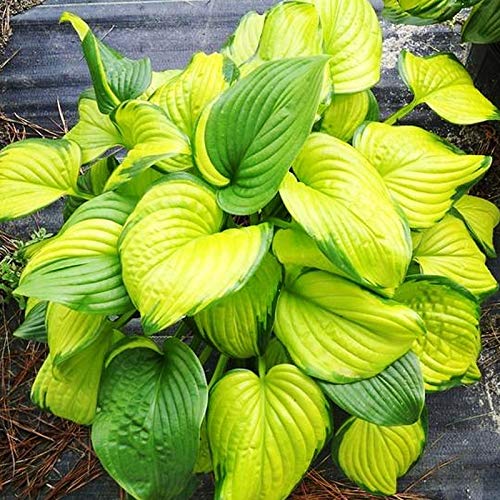
Holland Bulb Farms Stained Glass Hosta Flower Root

Wivolibe Pyrethrum Tanacetum Painted Daisy Seeds
Treat the edge of a sun-baked retaining wall or a patio container with poor soil, and this trailing ice plant will likely thrive where fussier picks sulk. Delosperma cooperi (Hardy Ice Plant) ships as a Quart-sized rooted perennial in seasonal condition, with foliage that may be trimmed back between November and March if shipped dormant.
The succulent, needle-like leaves store water, so you can skip a watering day without losing the show. Rosy pink, daisy-shaped blooms cover the stems from late spring through fall, blanketing the plant so thickly the foliage nearly disappears at peak. In most temperate gardens it returns reliably in zones 5 through 9.
Reasons It Performs
- Drought tolerance cuts down summer watering chores along hot driveways and gravel borders
- Trailing habit fills a 2-foot wide mat, useful for cascading over a wall or softening a container rim
- Long bloom window keeps color coming when earlier spring perennials have faded
- Heat-loving nature handles reflected warmth from south-facing patios better than most border picks
Trade Offs
- Winter drainage matters; wet, frozen ground can rot the crown in heavier clay soils
- Plants may arrive trimmed or dormant during cold months, looking bare until spring growth resumes
Quick Facts
Right Fit For
Garden owners with hot, lean soil along a south-facing edge who want a trailing color carpet that asks for very little once established.
Reach For A Different Pick When
You need a vertical bloomer for the back of a border, where Coreopsis verticillata Moonbeam Tickseed Perennial would supply taller, airy filler instead.
Where the Delosperma trails low, butterfly weed rises up. This Willard & May offering arrives as a No. 1 Premium root, ready to push up a clumping perennial that returns year after year in compatible climates.
Mature plants hit 18 to 36 inches, perfect for the middle of a partial sun border where the bright orange flower clusters act like a beacon for pollinators. Nectar-rich blooms pull in butterflies and hummingbirds through summer, and the seed pods feed goldfinches later in the season.
The Upside
- Native pollinator value: monarchs and other butterflies visit for nectar in significant numbers
- Drought-tolerant taproot digs deep, so established plants handle dry spells without supplemental watering
- Returns reliably each season once established, sparing you annual replanting
- Compact root forms suit both in-ground beds and large patio containers
Points To Note
- Roots can be slow to wake up after planting, so early patience pays off
- Milky sap can irritate skin, so wear gloves when dividing or cutting back stems
- Best flower output happens in full sun, though partial sun still produces a respectable show
Key Specs
Built With In Mind
Homeowners planting a partial sun pollinator strip who want native flair and don’t mind a slower start in exchange for years of color.
Swap It Out When
Your bed stays wet through winter rather than draining fast, in which case Pink Princess Caladium Bulbs for Planting would handle the moisture better.
Most partial sun perennials trade on their flowers. Pink Princess Caladium flips the script with leaves, splashed in vivid pink and deep green that hold their color even when a flower nearby gives up. The CZ Grain pack ships six bulbs sized for garden beds, borders, or containers.
Tropical caladiums thrive where light is bright but indirect, which makes them a natural fit for the dappled side of a yard that gets morning sun and afternoon shade. Warm soil and steady moisture wake the bulbs, and oversized heart-shaped leaves unfurl quickly once temperatures climb.
Everyday Wins
- Foliage stays interesting from late spring until the first cool nights, filling the gap when blooms fade
- Container-friendly growth habit suits shaded patios and entryway planters
- Six bulbs per pack lets you group them for a full visual sweep rather than scattered dots
Worth Noting
- Tubers go dormant in fall and need lifting in zones below 9, adding seasonal storage steps
- Wind shreds the large leaves, so sheltered placement matters in exposed yards
Whose Shelf It Belongs On
Gardeners who treat foliage as the main event and want a tropical accent in a shaded patio container or north-facing border.
Another Choice May Suit
You’d prefer something that returns without lifting each fall, in which case Holland Bulb Farms Stained Glass Hosta Flower Root keeps variegated interest year after year.
So far the picks have all been plants. This FXOICMI bundle, one hundred green plastic clips with a 25mm opening, fits into a partial sun perennial bed once vines and tall growers start leaning. They hold stems to a trellis string without crushing tender growth, leaving room for air circulation around the leaf nodes.
The hollow, ring-shaped design clips open and snap shut repeatedly, so you can adjust placement as the season progresses and reuse them next year. PP plastic resists cracking under typical garden conditions, and the green tone blends into foliage rather than standing out.
What Stands Out
- One hundred clips cover a serious vertical garden, supporting tomato vines, sweet peas, and climbing flowers through a full season
- Reusable open-and-snap design lets you reposition without damaging stems as plants grow
- Hollow center promotes airflow around the clipped section, reducing trapped moisture
Honest Caveats
- 25mm opening fits slim stems but won’t clamp onto thicker raspberry canes or mature woody vines
- Plastic can become brittle after several seasons of UV exposure outdoors
Feature Snapshot
Best Suited To
Vertical gardeners running string trellises for tomatoes, beans, or sweet peas who want a low-effort way to keep growth tidy.
Skip It When
Your perennials stay compact and bushy, where Seedville Pink Winged Loosestrife Lythrum Alatum Seeds would serve the wet-soil corner more directly.
Green Promise Farms delivers this threadleaf coreopsis already rooted in a #1 size container, so the plant goes from delivery box to planting hole the same day, weather permitting. Where butterfly weed adds pollinator energy and ice plant adds carpet color, Moonbeam adds airy filler.
Pale yellow, daisy-form blooms float above needle-thin foliage on a 12 to 18 inch frame, spreading 24 to 30 inches wide at maturity. New buds keep rising above spent flowers through summer, so the display holds instead of crashing after the first flush.
What Works In Its Favor
- Reblooming habit delivers color from early summer well into early fall with minimal deadheading
- Fine-textured foliage adds softness between bolder-leaved picks like the Pink Princess caladiums
- Container-grown start reduces transplant shock compared to bare-root arrivals
Things To Consider
- Hardy in zones 3 through 8, so gardeners in zone 9 and warmer may see it fade in peak summer heat
- Open, airy habit means staking isn’t needed, but heavy rain can temporarily flatten taller stems
Spec Overview
Made For
Partial sun gardeners in cooler climates who want a long-lasting pale yellow companion that won’t crowd neighboring picks.
A Better Fit Elsewhere
Your soil stays soggy after rain, where Perennial Farm Marketplace Delosperma cooperi Hardy Ice Plant would likely struggle less and spread faster.
Every garden has that one low spot where water pools after a storm. Rather than fighting it, lean in with Seedville’s thousand-seed pack of pink winged loosestrife, a North American native that actually prefers wet feet.
Plants top out around 24 to 36 inches tall with a 15 to 18 inch spread, sending up airy pink spikes through summer. Bees, butterflies, and even waterfowl visit the blooms, and the species reseeds readily so you get next year’s show without lifting a finger.
The Good Stuff
- Wet-soil tolerance fills a problem corner where most ornamentals simply rot
- Native status supports local pollinator networks that imported cultivars often miss
- Thousand-seed count gives you plenty of plant material for a mass sowing
A Few Limitations
- Seeds need cold stratification or fall sowing for reliable germination, so spring starters may wait a full extra season
- Reseeding habit means you’ll want to thin volunteers if you prefer a tidy edge rather than a naturalized drift
Perfect Match For
Restoration gardeners and rain garden builders who want a true native that thrives where the hose drains poorly.
Where Another Pick Suits Better
You want instant color without a germination wait, where Holland Bulb Farms Stained Glass Hosta Flower Root ships as a sized root and skips the seedling stage entirely.
Most hostas sulk in sun. This one doesn’t, which makes it a useful bridge plant for the awkward partial sun strip between a deep shade canopy and an open lawn. Holland Bulb Farms sends a single No. 1 size hosta root with planting instructions for both spring and fall planting windows.
Variegated golden and green leaves catch what little light filters through, with a mature height around 18 to 20 inches. Slugs and heavy shade can stress hostas, so this one’s sun tolerance is a quiet but meaningful advantage over older varieties.
Noteworthy Benefits
- Sun-tolerant foliage (for a hosta) handles morning sun better than most variegated picks in this group
- Hardy across zones 3 through 10, one of the widest climate ranges in this lineup
- Container performance makes it a clean choice for shaded patios where in-ground planting isn’t possible
Room For Improvement
- Full sun placement calls for extra watering, so partial sun is genuinely the sweet spot
- A single root means the first-year clump stays modest; full impact arrives in year two or three
Feature Card
Who Should Grab It
Partial sun gardeners who want a hosta-class foliage pick and don’t want to baby it through the brighter hours of the day.
Not Your Match When
Your beds run hot and dry through summer, where Perennial Farm Marketplace Delosperma cooperi Hardy Ice Plant would handle drought far more comfortably.
Where Moonbeam adds pale yellow to the border, painted daisies bring saturated reds, pinks, lilacs, and whites with golden centers. The Wivolibe pack ships more than two thousand seeds, plenty for a generous cutting garden.
Pyrethrum, also known as Tanacetum coccineum, produces 2 to 3 inch daisy-form blooms in late spring through early summer, with ferny, fragrant foliage that’s commonly described as having a strong herbal scent. The plants return as perennials in compatible zones and tolerate partial sun alongside brighter exposures.
Notable Upsides
- Bulk seed count makes a mass planting affordable compared to buying individual starter pots
- Mixed color range delivers a varied display without ordering multiple packets
- Cut flower stems hold up well in arrangements, doubling the value for hobby growers
Potential Drawbacks
- Seeds need indoor starting or careful direct sowing to germinate reliably, so timing matters more than with potted plants
- Strong foliage scent can be off-putting in a bed right next to a seating area
Who Will Love This
Patient seed starters and cut flower hobbyists who want a vivid mixed daisy patch on a partial sun slope.
Look Elsewhere When
You’d rather skip the seedling stage and start with a mature plant, where Green Promise Farms Coreopsis verticillata Moonbeam Tickseed Perennial arrives in a #1 container.
Picking Partial Sun Perennials That Actually Thrive
Reading Your Light Before You Buy
“Partial sun” gets thrown around loosely, but it usually means four to six hours of direct sun, often morning light with afternoon shade. Track your spot for a day before committing. A bed that gets blasted by western afternoon sun behaves more like full sun, which is where tough picks like Delosperma and Coreopsis shine, while gentler morning exposures suit hostas and caladiums. Soil matters as much as light. Quick-draining loam welcomes ice plant and coreopsis, while the damp corner where rainwater pools favors loosestrife over fussier bloomers.
Matching Plant Form To Bed Geometry
A perennial bed reads best when heights step from front to back. Trailing or low plants like ice plant handle the front edge, mid-height picks like coreopsis and hosta fill the middle plane, and taller pollinator picks like butterfly weed anchor the back. Container plantings reverse that logic: a tall thriller in the center, mid fillers, and a spiller like Delosperma tumbling over the rim. If your space is mostly vertical, the FXOICMI clip pack helps vines and tall growers climb without staking each stem.
Real-World Maintenance Signals
Perennials earn their keep by coming back, but they still ask for basic care. Most picks in this roundup want a yearly top-dress of compost, occasional division every three to four years, and a watchful eye during the first season while roots establish. Bulb-based picks like Pink Princess caladiums and Stained Glass hosta go through a dormancy cycle, which looks alarming the first time you see it but is normal. Seed picks like loosestrife and painted daisies trade that dormancy confusion for a longer ramp-up from germination to first bloom.
Key Considerations Across These Picks
Pitfalls Worth Dodging
The most common mistake is buying a sun-lover for a shade-leaning bed, or vice versa. Butterfly weed produces a sparse show in deep shade, while hostas bleach out and crisp in full western sun. Check the mature spread, not just the pot size, before you commit. A coreopsis that spreads 30 inches needs elbow room that a tight, packed border can’t give it.
Where The Extra Money Goes
Potted, established plants from specialty growers like Green Promise Farms arrive with a developed root system that often flowers the first season. Bulk seed packs and bare roots cost less up front but ask for a longer investment of time, germination patience, and steady watering. The honest read is that both routes pay off, just on different timelines, and the upgrade in potted form mainly buys you speed rather than long-term plant quality.
