

Peonies earn their keep by returning year after year, but only when the roots you plant actually suit your soil, your zone, and the patience you have for slow-growing perennials. Picking the right bulb up front saves two seasons of empty beds. This roundup sorts eight real options by what they actually deliver: bare-root peonies, ranunculus cousins, and bulk seed packs for gardeners who want to start from scratch.
The Shortlist At A Glance

Complete Flower Bulb Garden – 75 Bulbs by Willard & May

Mixed Peony Flower Bulbs Value Bag – 3 Roots

Mixed Peony Value Bag (3 Pack) – Freshly Dug Roots

Ranunculus Pastel Mix – Persian Buttercup Bulbs 10 XL

Mixed Peony Ranunculus Bulbs – 12 Large Corms
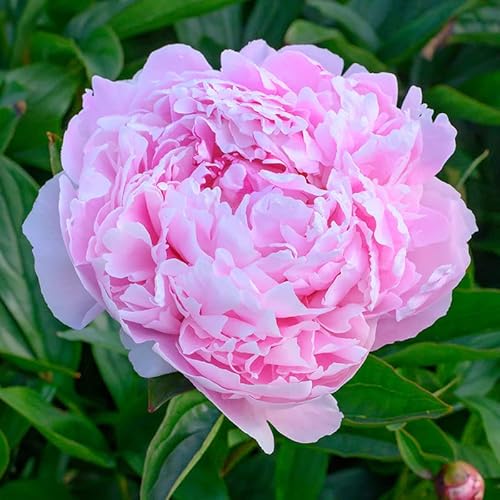
Sarah Bernhardt Garden Peony – Pink Paeonia (3 Roots)
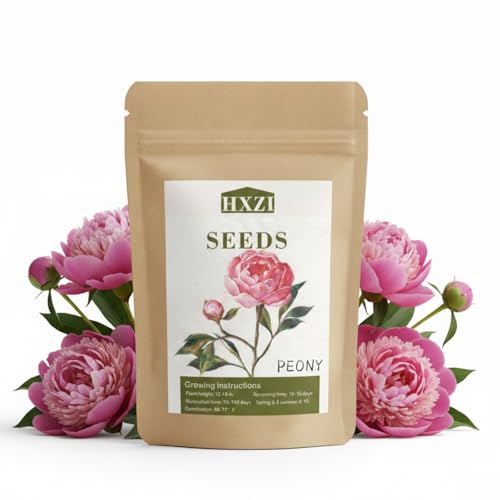
Peony Seeds – 50+ Cotton Candy Mix

300+ Perennial Peony Flower Seeds for Planting
The Details Behind The Selections
This kit trades the slow reward of peonies for an almost instant summer show. Where the rest of this roundup leans perennial, the Willard & May 75-bulb garden leans into July-through-October bloom stretch across gladiolus, harlequin flowers, lilies, and calla lilies in one bed. For gardeners who want color on a tighter timeline, that mix covers more ground than any single peony bag will in year one.
It suits full sun and partial shade, which gives you more placement flexibility around a yard. You are not locked into the brightest south-facing bed. For a first-time gardener filling a bare patch before committing to long-lived peony roots, this collection fills the space while the slower plants mature.
What Stands Out
- Seventy-five bulbs across five varieties means a fuller bed from one order.
- Blooms run from July into early October, covering most of the warm season.
- Tolerates partial shade, so fence-line and east-side beds work too.
- Good practice run before investing in slower peony roots.
Honest Caveats
- These are not peonies, so the listing lands here as a summer-bulb alternative for shoppers browsing peony-style color.
- Gladiolus and callas often need staking in windy spots.
- Most of these bulbs are annual in cold zones, lifting the long-term value question.
Whose Yard It Belongs In
Gardeners who want a packed summer border this year and do not mind replanting some bulbs annually.
Reach For A Different Pick When
Holland Bulb Farms’ Mixed Peony Value Bag suits anyone who wants true perennial peonies instead of a one-season color show.
This bag is the easy answer for anyone starting a peony bed from scratch. You get three large 2/3-eye peony roots (the “eyes” are the pink growth buds that sprout into next year’s stems) in an assorted mix of pink, red, and white, planted in full sun to partial shade in well-drained soil. The mature plants reach 30 to 36 inches, which fits the classic mid-border peony height most yards are sized for.
Zones 3 through 10 give the bag unusual reach for a peony product. Deer resistance is the kind of practical detail that matters when beds sit near woods. Cut-flower performance and butterfly appeal make it a real two-use plant, not just a border showpiece.
Strong Points
- Three bare roots in one bag, sized 2/3 eye for stronger first-year establishment.
- Assorted colors remove the guesswork of picking one cultivar.
- Wide zone range from 3 through 10 covers most U.S. climates.
- Fragrant blooms work for both garden display and indoor arrangements.
Trade-Offs To Consider
- You cannot pick the cultivar names since it ships as a mixed color bag.
- Peonies take two to three seasons to hit full bloom size, so patience is required.
- Bare roots need soaking and early planting for best establishment.
Best Suited To
New peony planters who want a proven mixed-color start without committing to a single named cultivar.
A Better Fit Elsewhere
Sarah Bernhardt Garden Peony suits shoppers who want a specific heritage pink cultivar with named recognition.
Willard & May’s freshly dug pack earns its slot by leaning into the most underrated peony trait: root freshness. Bare roots that ship soon after lifting tend to break dormancy faster in their new bed than roots that have sat in storage. Three healthy root starts, mature height 24 to 36 inches, and a perennial return cycle give this bag the same bones as the Holland Bulb Farms option one row up, with a different brand behind it.
Cut-flower use and resilient growth round out the practical side. For a bed you plant once and forget about, this bag delivers what most homeowners actually want from peonies.
Everyday Advantages
- Freshly lifted roots typically establish faster than long-stored stock.
- Mature 24 to 36 inch height fits most residential borders.
- Perennial return means a single planting fills the spot for years.
Worth Noting
- Mixed-color bag means you trade cultivar naming for variety.
- Freshness depends on shipping timing, so plant promptly on arrival.
Right Fit For
Home gardeners who want low-fuss, repeat-blooming peonies without a specific color agenda.
Look Elsewhere When
The Cotton Candy Peony Mix seed pack suits anyone who prefers starting from seed rather than bare roots.
These ranunculus corms (the claw-shaped storage organs that look like dried octopi before planting) fill the gap peonies cannot: spring color in the same pastel palette. Ten XL bulbs give a tighter planting than a full meadow, which works for a defined cutting bed along a fence or path. Full sun and the heirloom-style plant type (an older open-pollinated variety saved for its consistent traits) make this a clean companion crop to peonies.
You plant these in fall or early spring depending on zone, and the payoff is dense, layered petals in soft tones. They bridge the gap before peonies hit their stride.
The Upside
- XL corm size gives stronger sprouts than standard grades.
- Pastel mix complements peony pink and white without clashing.
- Strong cut-flower stems make bouquet work easier.
- Full sun placement matches a typical peony border.
Some Limits To Know
- Ranunculus corms need pre-soaking for several hours before planting, which is an extra step.
- In cold zones, corms often need lifting after bloom to survive winter.
- Only ten bulbs means a smaller display than larger mixed packs.
Built With In Mind
Cutting-garden builders who want a ranunculus partner for their peony harvest.
Swap It Out When
Marde Ross & Company’s Mixed Peony Ranunculus Bulbs fit gardeners who want both ranunculus and peony-style corms in one bag.
Marde Ross & Company’s twelve large corms land squarely in the bouquet-first category. The naming leans toward ranunculus-type blooms in peony form, which is a real niche in the cut-flower world. Multi-color pastels and vibrant hues in one bag cover the spring arrangement palette without buying multiple packs.
Spring and summer planting windows give you flexible timing. For a gardener building a cutting bed for table arrangements rather than a landscape border, this pack hits the brief.
Why It Works Well
- Twelve large corms cover a generous cutting-bed footprint.
- Multi-color mix spans pastels and bolder shades in one order.
- Spring planting matches typical ranunculus schedules.
- Bouquet-friendly stem length fits vase work.
Practical Considerations
- These are ranunculus corms, not true peonies, so adjust expectations on the bloom structure.
- Corms benefit from pre-soaking and cool soil for proper sprouting.
- Annual in colder zones unless lifted and stored.
Made For
Home florists and bouquet makers who want peony-look stems for arrangements without waiting on perennial roots.
Where Another Pick Suits Better
SZRXL’s Ranunculus Pastel Mix fits gardeners who want all-pastel blooms rather than a mixed-vibrancy bag.
Sarah Bernhardt is the heritage cultivar (a plant variety cultivated over decades for consistent traits) most gardeners picture when they picture a peony. Three bare roots, 1 to 2 eyes each, shipped for late-spring to early-summer bloom in full sun across zones 3 through 8. Mature height of 20 to 30 inches keeps it slightly more compact than some of the value bags above.
Bee-friendly, fragrant, and cut-flower ready, this is the pick for someone who wants a named, recognizable peony rather than a color lottery. Three roots give a tight cluster that fills in over a few seasons.
Real-World Strengths
- Named Sarah Bernhardt cultivar with a long track record in gardens.
- Fragrant blooms feed pollinators and work as cut flowers.
- Zones 3 through 8 covers most of the continental U.S.
- Compact 20 to 30 inch height suits smaller borders.
Where It May Fall Short
- Smaller 1 to 2 eye roots mean slower first-year establishment than larger 2/3 eye stock.
- You get one color in this pack, so no surprise mix.
- Like all peonies here, expect a two to three season wait for full bloom.
Who Will Love This
Traditional gardeners who want a specific named pink peony with heritage status rather than a color-mystery mix.
Not Your Match When
Holland Bulb Farms’ Mixed Peony Value Bag fits anyone who prefers a multi-color surprise over a single named cultivar.
Seeds change the timeline entirely. Where bare roots skip a year or two of growth, KCT Garden’s fifty-plus Cotton Candy seeds ask for genuine patience: peonies grown from seed can take three to five years to flower, and germination itself is slow and uneven. The “Cotton Candy” name signals the soft pastel palette rather than a specific cultivar.
For gardeners who enjoy the propagation side of the hobby, this is the budget-friendly entry. The honest read is that seeds suit hobbyists, not landscapers filling a border fast.
Where It Delivers
- Fifty-plus seeds give plenty of attempts at germination in one packet.
- Cotton Candy palette matches modern pastel garden trends.
- Seed-starting suits gardeners who want full propagation control.
- Lower upfront cost than bare roots for the same eventual plant count.
Things To Weigh
- Peony seeds need cold stratification (a period of moist cold storage that breaks dormancy) for several weeks before sowing.
- First blooms typically take three to five years from sowing.
- Germination rates vary widely, so plant more than you need.
Perfect Match For
Patient seed-starting gardeners who enjoy the propagation process more than fast landscape results.
Skip It When
The Willard & May Mixed Peony Value Bag fits anyone who wants actual flowers within a year or two rather than a five-year wait.
Carpet Creeping’s three-hundred-plus seed count goes well beyond the smaller seed packs. Heirloom, non-GMO seed with bee and butterfly appeal covers a large yard or a dedicated meadow planting that smaller packets cannot. White, pink, red, and yellow tones spread across the classic peony spectrum, with single, semi-double, and double bloom forms mixed in.
The trade-off is the same multi-year timeline as the smaller seed pack above. You trade speed for scale, and you need real estate to plant three hundred seeds. For a large property or a community garden project, the math starts to make sense.
The Practical Payoff
- Three hundred plus seeds cover a wide planting area in one packet.
- Heirloom, non-GMO seed aligns with traditional garden values.
- Multiple bloom forms add textural variety beyond color mix.
- Bee and butterfly appeal supports pollinator-friendly plantings.
Possible Compromises
- Seed-grown peonies still need three to five years to bloom.
- Cold stratification and careful soil prep apply across all three hundred seeds.
- Without a large bed prepared in advance, the seed count overshoots most home gardens.
Who Should Grab It
Large-property gardeners or community garden projects that can absorb a multi-year seed-to-bloom timeline.
Consider Something Else When
KCT Garden’s fifty-plus Cotton Candy seed pack fits a small backyard seed-starting project better than a three-hundred-count bulk bag.
What To Know Before You Pick Peony Roots
Bare-root peonies differ from seed-grown peonies in almost every way that matters to a new gardener. Bare roots are dormant divisions lifted from mature plants, and they skip the slow juvenile phase that seeds require. Most bare-root peonies reach flowering size in two to three seasons, while seed-grown peonies regularly take three to five years.
Root size matters more than most shoppers expect. A “2/3 eye” root has two or three visible growth buds, and those eyes translate directly into next year’s stems. A “1 to 2 eye” root is younger stock and establishes more slowly. For a first peony bed, larger-eye stock pays off in earlier blooms.
Planting depth is the single biggest reason peonies fail to flower. The eyes should sit no more than two inches below the soil surface. Planted too deep, the plant produces foliage but no flowers. Full sun and well-drained soil round out the core requirements.
Zone matching saves wasted seasons. Most herbaceous peonies (the kind that die back to the ground each winter, unlike woody tree peonies) thrive in zones 3 through 8. Hot zones 9 and 10 need partial shade and often struggle with the winter chill peonies need to set buds.
Bloom Timing Across This List
The peony bloom window is short by design, typically late May through June in most zones. Companion bulbs like ranunculus extend the display earlier in spring, and summer-flowering collections like the Willard & May 75-bulb garden cover the gap after peonies finish. Mixing types creates a longer overall show.
Storage And Planting Window
Bare roots ship in fall or early spring and should go in the ground soon after arrival. If timing forces a delay, keep roots in a cool, dark place with the packing material slightly damp. Seeds need cold stratification in a refrigerator for six to eight weeks before sowing, which adds a step bare roots skip entirely.
Common Buying Slip Ups In The Peony Category
Where Shoppers Go Wrong
The most common slip is treating peony roots like tulip or daffodil bulbs and planting them too deep. Two inches of soil cover is the maximum. Another frequent miss is buying for full shade, since peonies need at least six hours of direct sun to set buds. Shoppers also tend to overlook the multi-year timeline and assume first-year blooms are normal.
What The Higher Tier Buys You
Named cultivars cost more because they offer specific color, fragrance, and form that mixed bags cannot promise. Larger-eye roots cost more because they establish faster and bloom sooner. For a one-time bed investment, the price difference between mixed bare roots and named heritage cultivars is small relative to the decades of bloom years ahead.
Frequently Asked Questions
How deep should you plant peony bulbs?
Plant the eyes no more than two inches below the soil surface. Deeper planting produces foliage but few or no flowers, which is the most common reason peonies fail to bloom in their first planted year.
Do peony bulbs come back every year?
Herbaceous peonies die back to the ground each winter and regrow from the roots each spring, returning reliably for decades. They are true perennials once established, with some stands blooming for over fifty years.
Can peony bulbs grow in shade?
Peonies need at least six hours of direct sun daily to set flower buds. In light or partial shade they may leaf out fine but produce weak or no blooms, especially as the plant matures.
When is the best time to plant peony bulbs?
Fall planting in most zones gives roots time to settle before winter dormancy. Early spring is the second-best window, particularly in colder zones where fall planting can leave roots exposed to freeze-thaw cycles.
Do deer eat peony plants?
Peonies are widely listed as deer resistant, since deer tend to avoid them in favor of softer foliage. Resistance does not mean proof, though, and hungry deer may sample plants in extreme conditions.
Closing Remarks
The right pick depends less on a single best bulb and more on the timeline you can absorb. Bare roots deliver the fastest path to a real peony border, seeds reward patient gardeners with scale, and ranunculus companions fill the color gaps peonies cannot. Match the root type to your zone, your sun, and how many seasons you can wait, and the rest of the bed tends to take care of itself.
