

Peppers reward gardeners who feed them right. Bell varieties want steady nutrition for thick walls and crisp fruit, while hot chilies crave extra potassium to push capsaicin and heat. Soil biology matters too, especially when plants live in containers or raised beds where the native microbiome runs thin. Picking a fertilizer without knowing the NPK ratio, nutrient forms, or release pattern leads to leafy plants with few peppers. This guide walks through eight options built around different growing styles, from organic granular blends to water-soluble powders for hydroponic setups. The goal is matching the bag to your beds, your watering habits, and the heat level you’re chasing.
The Choices Worth Comparing

FoxFarm Happy Frog All Purpose Fertilizer (4 lb)

FoxFarm Happy Frog Tomato & Vegetable Fertilizer 5-7-3 (4 lb)

Big A Pepper Fertilizer Organic 12 oz
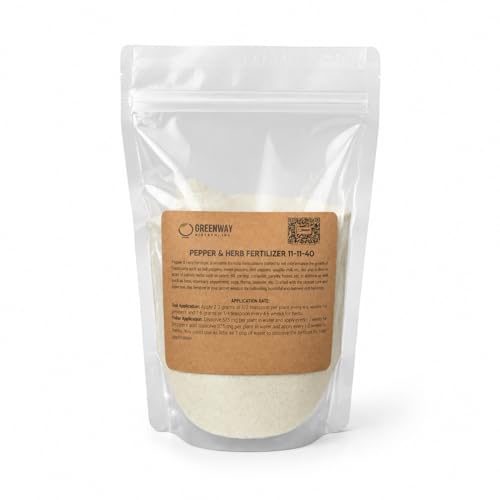
Greenway Biotech Pepper & Herb Fertilizer 11-11-40 Powder 1 lb

Greenway Biotech Pepper & Herb Fertilizer 11-11-40 Powder 5 lb

Happy Frog Jump Start Fertilizer 3-4-3 (4 lb)

TPS Nutrients Pepper Fertilizer Liquid 8 oz

TPS Nutrients Pepper Fertilizer Liquid 32 oz
A Closer Look At Each Pick
If your garden grows peppers alongside tomatoes, herbs, and a few ornamentals, a single bag simplifies feeding. This all-purpose granular blend from FoxFarm carries a 6-4-5 NPK (nitrogen-phosphorus-potassium) ratio, which means balanced foliage growth supported by moderate fruiting nutrition. The inclusion of soil microbes and mycorrhizal fungi (beneficial organisms that colonize roots and improve nutrient uptake) helps young transplants establish faster, especially in containers or raised beds where native biology tends to thin out.
For most backyard setups with mixed edible beds, this works as a foundation feed without locking you into a pepper-only regimen. It’s listed for organic gardening, which matters if you keep a strict organic program.
Points In Its Favor
- Balanced 6-4-5 ratio suits peppers, herbs, and flowers in the same bed
- Soil microbes and mycorrhizal fungi support root establishment in containers
- Slow-release granular format feeds steadily without daily mixing
- Listed for organic gardening programs, so it fits cleaner input routines
Things To Consider
- General-purpose ratio means less potassium than dedicated pepper blends
- Granular format requires scratching into soil and watering in to activate
Feature Snapshot
Right Fit For
Garden growers with mixed vegetable and flower beds who want one bag that handles peppers without specialized feeding schedules.
Swap It Out When
Reach for the FoxFarm Happy Frog Tomato & Vegetable Fertilizer if your plot leans heavily toward fruiting crops and you want stronger bloom support.
Vigorous feeders like peppers and tomatoes pull a lot from the soil during fruit set. This granular blend pushes a 5-7-3 NPK, leaning on phosphorus to drive flower development and root strength. Calcium appears in the mix, which helps prevent blossom-end rot (a calcium deficiency that causes dark sunken spots on fruit bottoms) in heavy-fruit bell varieties where this problem tends to show up.
Mycorrhizal fungi round out the formula for stronger nutrient uptake. In most gardens, this means the bag supports the full flowering-to-fruiting stretch without forcing a midseason switch.
A Strong Showing
- 5-7-3 ratio leans into phosphorus for bloom and fruit set
- Calcium helps prevent blossom-end rot in bells and large-fruit peppers
- Mycorrhizal fungi improve nutrient uptake in tired garden soil
- Slow-release granular feed stretches through fruiting
Worth Noting
- Lower potassium than a dedicated hot-pepper formula
- Granular feed needs watering in to activate release
Made For
Garden growers running tomatoes, peppers, and berries together who want a stronger fruiting push than an all-purpose blend.
Look Elsewhere When
Pick the Greenway Biotech 11-11-40 powder if you’re chasing maximum heat in hot chilies and need that high-potassium edge.
Smaller organic bags built specifically for peppers aren’t easy to find, and this 12 oz jar from Big Ass Fertilizers fills that niche. It’s positioned as a premium organic option aimed at pepper flavor, size, and crispness, which makes it appealing for kitchen gardeners growing a few plants in raised beds or large containers. The proprietary organic blend (meaning the exact formula is company-specific) is designed to feed both the plant and the root zone biology, depending on soil conditions.
You won’t get the volume of a 4 lb granular bag, but you also won’t over-buy for a small pepper patch.
Key Advantages
- Pepper-specific organic formula keeps feeding targeted
- Compact 12 oz jar suits small raised beds or a handful of pots
- Organic composition fits cleaner gardening routines
- Designed with flavor and fruit texture in mind
Honest Caveats
- Smaller volume means more frequent repurchase for larger plots
- Exact NPK isn’t published, so matching to plant stages is harder
- Organic nutrients release slower, so quick correction isn’t the strength
At A Glance
Who It Suits Best
Kitchen gardeners with a few pepper plants in raised beds or containers who want an organic, pepper-targeted formula without committing to a big bag.
Skip It When
Choose the FoxFarm Happy Frog Tomato & Vegetable Fertilizer if you maintain larger beds and want a published NPK to plan feeding around.
Hot pepper growers chasing capsaicin (the compound responsible for chili heat) know that potassium is the lever. This water-soluble powder from Greenway Biotech delivers a striking 11-11-40 ratio, meaning balanced nitrogen and phosphorus alongside a heavy potassium load for fruit quality and heat concentration. It mixes into a liquid feed for soil drenching or hydroponic setups (soilless growing where roots sit in nutrient water), which adds flexibility for growers running both peppers and culinary herbs like basil.
Chelated micronutrients (iron, manganese, zinc, and copper bound so plants absorb them efficiently) are bundled in. For most indoor or tent growers, this means one bag covers peppers and herbs without separate bottles.
The Practical Payoff
- 40% potassium drives capsaicin and essential oils in herbs
- Water-soluble powder mixes cleanly for foliar or root feeding
- Works in soil and hydroponic systems
- Chelated micronutrients support dense, flavorful growth
Trade Offs
- Not organic, so it won’t fit strict organic programs
- Requires accurate measuring and mixing each feeding
Quick Facts
Whose Shelf It Belongs On
Hot-pepper growers and indoor hydroponic gardeners who want a high-potassium feed for capsaicin and herb oil concentration.
Not Your Match When
Grab the FoxFarm Happy Frog All Purpose Fertilizer if you prefer granular, organic feeding and want to avoid measuring and mixing liquid feeds.
Same proven 11-11-40 formula as the 1 lb jar, but scaled up for season-long feeding across larger herb and pepper beds. The water-soluble powder keeps the same chelated micronutrient package (iron, manganese, zinc, copper), so nutrient uptake stays consistent whether you grow in soil, coco, or a hydroponic setup. If you’ve been refilling the smaller jar weekly, the 5 lb pail cuts the repurchase cycle down significantly.
For most hobby greenhouses and outdoor herb rows, the bigger volume usually pays off within one growing season.
Positive Points
- Same high-potassium 11-11-40 ratio as the smaller jar
- 5 lb volume suits season-long feeding schedules
- Chelated micronutrients prevent common deficiencies
- Compatible with soil and hydroponic systems
Practical Considerations
- Powder needs dry storage to prevent clumping over time
- Not organic, so it won’t suit organic-only programs
- Measuring each feeding takes more care than granular options
The Details
Best Suited To
Growers running multiple pepper and herb beds, or hydroponic setups, who feed weekly through the season and want fewer repurchases.
A Better Fit Elsewhere
Choose the Happy Frog Jump Start Fertilizer if your season starts with transplants and you need a gentler, phosphorus-leaning starter.
The first few weeks after transplanting are when peppers stall. This Jump Start formula from FoxFarm carries a soft 3-4-3 NPK, slightly higher in phosphorus to support root development and early establishment without forcing tender seedlings. Calcium and mycorrhizal fungi join the mix, which is helpful for gardeners moving peppers from indoor trays into outdoor beds or containers.
It’s not the bag for full-season feeding. For most gardeners, this works as a starter before switching to a higher-nutrient fruiting blend once flowers appear.
Where It Excels
- 3-4-3 ratio gently supports seedlings without burning roots
- Calcium strengthens cell walls in young transplants
- Mycorrhizal fungi ease transplant shock in containers
- Granular format mixes easily into potting soil at planting
Small Caveats
- Low NPK means it’s not strong enough for midseason feeding
- You’ll likely switch to a fruiting blend once flowers appear
Perfect Match For
Beginner gardeners and seed starters moving pepper seedlings from trays to beds or containers who want a gentle transplant boost.
Reach For A Different Pick When
Grab the FoxFarm Happy Frog Tomato & Vegetable Fertilizer once your plants hit flowering stage and need stronger fruiting nutrition.
Liquid feeds suit small-space growers who want quick root uptake without measuring powder or scratching granules. This 8 oz bottle from TPS Nutrients is a ready-to-mix liquid aimed at peppers, with claims around root development, foliage health, and fruit production. For most apartment patios with two or three potted pepper plants, an 8 oz bottle keeps things tidy in a kitchen cabinet or gardening tote.
It’s a smaller commitment, useful if you’re trying a liquid feeding routine for the first time.
The Value In It
- Liquid format absorbs quickly through roots and soil
- Compact 8 oz bottle fits apartment storage easily
- Suits both hot and sweet pepper varieties
- Simple mixing for container feeding routines
Things To Weigh
- Small volume means frequent repurchase for larger gardens
- Liquid feeds require consistent application timing for best results
Feature Card
Who Will Love This
Apartment and patio gardeners with a few potted pepper plants who want quick liquid feeding without storing large bags or jars.
Consider Something Else When
Pick the Greenway Biotech 11-11-40 powder if you’re chasing capsaicin in hot chilies and want a higher potassium concentration.
The 32 oz bottle from TPS Nutrients gives you the same liquid feeding approach in a season-sized container. Liquid feeds work well when you want steady, repeatable nutrition through the fruiting stretch, and a quart bottle keeps that routine running without weekly refills. It mixes into watering cans or feed reservoirs, which matters for gardeners managing multiple raised beds or larger patio setups.
For most growers using liquid feeds exclusively, the quart format usually outlasts one full pepper season.
Positive Takeaways
- Quart bottle covers a full season for several pepper plants
- Liquid format absorbs quickly for visible results
- Works for hot and sweet pepper varieties
- Mixes into watering cans or feed reservoirs
Factors To Consider
- Requires consistent feeding schedule to see the benefit
- Liquid nutrients leach faster in sandy or heavily watered beds
- Larger bottle takes up more storage space than the 8 oz version
Built With In Mind
Garden growers managing several raised beds or larger patio containers who feed peppers through the full flowering and fruiting stretch.
Where Another Pick Suits Better
Choose the FoxFarm Happy Frog Tomato & Vegetable Fertilizer if you prefer a slower-release granular approach and want fewer mixing routines.
What Matters Most Before Choosing Pepper Fertilizers
NPK ratio sets the direction. Nitrogen drives leaf growth, phosphorus supports roots and flowers, and potassium powers fruit quality and heat. Bell peppers grow well on balanced ratios like 5-7-3 or 6-4-5, while hot chilies often benefit from potassium-heavy feeds in the 30 to 40% range during fruiting.
Form Matches Your Watering Style
Granular organic feeds release slowly and need watering in to activate, which fits low-maintenance gardeners. Water-soluble powders mix into precise doses for hydroponic or weekly feed routines. Liquid concentrates sit between the two, fast-acting and simple to measure.
Soil Biology Adds Long-Term Value
Mycorrhizal fungi and beneficial microbes colonize roots and improve nutrient uptake over time. Blends with these additives tend to perform better in containers and raised beds where native soil life is limited. For organic programs, OMRI-listed (Organic Materials Review Institute) options keep inputs compliant.
Stage-Specific Feeding Reduces Waste
Peppers have distinct growth phases. Seedlings and transplants need soft, phosphorus-focused feeds like a 3-4-3. Fruiting plants want more potassium. Many gardeners keep two products on hand and switch midseason.
Key Considerations Across These Picks
Where Shoppers Go Wrong
Buying a general vegetable fertilizer and expecting it to push heat in habaneros or ghost peppers is a common slip. Hot varieties need potassium-dominant nutrition once flowering starts. Another mistake is over-feeding seedlings, which burns tender roots and stalls early growth.
What Separates Premium From Basic
Higher-tier pepper feeds include chelated micronutrients, calcium for blossom-end rot prevention, and soil biology boosters like mycorrhizal fungi. These extras matter most in containers and poor soils, where plants can’t draw missing nutrients from deep root zones. For gardeners with rich native soil, a basic balanced blend often performs comparably.
Frequently Asked Questions
What NPK ratio is best for pepper plants?
Balanced ratios around 5-7-3 work well for bell peppers during the vegetative stage, while hot varieties benefit from potassium-heavy blends with 30% or more potassium during fruiting. Adjusting the ratio across growth stages tends to produce the most consistent results.
How often should I fertilize pepper plants?
Granular organic feeds typically need reapplication every 4 to 6 weeks, while water-soluble and liquid feeds work on weekly schedules during active growth. Container-grown peppers usually need more frequent feeding than in-ground plants because nutrients leach out faster.
Can I use tomato fertilizer on peppers?
Yes. Tomatoes and peppers share nutrient needs, especially during fruiting. A tomato fertilizer with calcium and phosphorus, like a 5-7-3 blend, performs well on peppers and is a common substitute when a dedicated pepper feed isn’t available.
Are organic pepper fertilizers effective?
Organic fertilizers release nutrients more slowly but support soil biology and long-term soil health. For gardeners building raised beds over multiple seasons, organic feeds improve soil structure alongside feeding plants, which synthetic options don’t do.
Should I use granular or liquid fertilizer for peppers?
Granular feeds suit low-maintenance gardeners and in-ground beds, while liquid feeds give faster results in containers or hydroponic setups. Many growers combine both, using granular as a base feed and liquid for midseason boosts.
The Takeaway
Pepper feeding comes down to matching the formula to your growing style and heat goals. Mixed beds do well with balanced granular blends, while hot chili growers benefit from potassium-heavy water-soluble options. Container gardeners and beginners often get the most from gentle starter feeds plus a targeted midseason boost. The right bag depends less on brand loyalty and more on what your soil, watering routine, and pepper varieties actually need.
